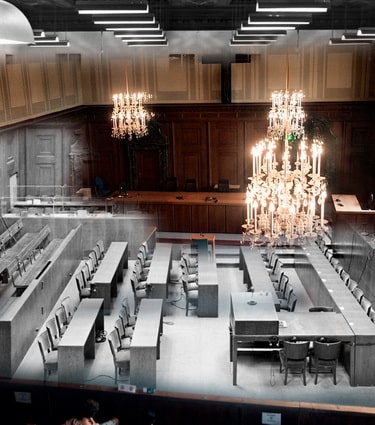
My first focus is on historical places associated with WWII, away from the battlefields. These include historic districts of European cities associated with important events and figures in European history. From places associated with Adolf Hitler in Vienna and Munich to buildings from the Third Reich in Nuremberg, routes taken by high-ranking officials, halls where Nazi leaders held conferences and delivered speeches, the graves of military commanders, and post-war museums. These articles explore the history from a broader perspective, looking at those who initiated and sustained the war, as well as those who became involved in it against their will. WWII museums and memorials around the world offer endless opportunities for further exploration.
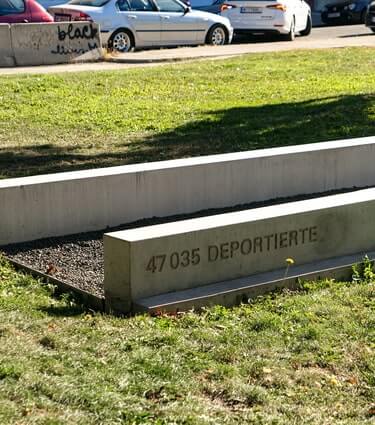
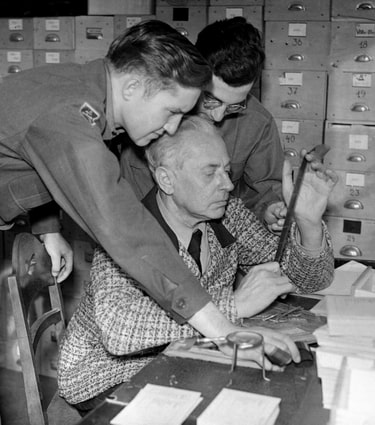
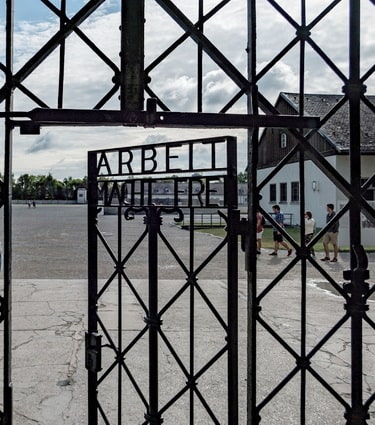
Another important focus of my work is places associated with the Holocaust and war crimes. When visiting former Nazi concentration camps in Germany, Nazi extermination camps in Poland, and sites of mass executions in Ukraine, I go beyond the information found in books and visitor leaflets. My aim is to understand each place in its historical and geographical context, including what happened there after the war. Museums and memorials help us learn about the Holocaust and preserve physical evidence of Nazi crimes. Even when only grass, ruins, or a memorial plaque remain, there is still much to learn about the history of a place — and to share with others.
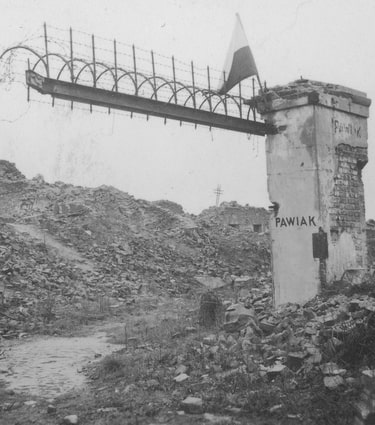
Another focus of my travels is WWII battlefields as they look today, military museums, monuments to soldiers and military leaders, and surviving WWII-era buildings. Unlike many organised tours, which are limited to a few standard stops, I try to explore each location in depth, examining its history, geography, and what remains today. My aim is to convey the scale of what happened, examine the surviving evidence, and consult as many sources as possible. I hope these articles will deepen readers' interest in military history.

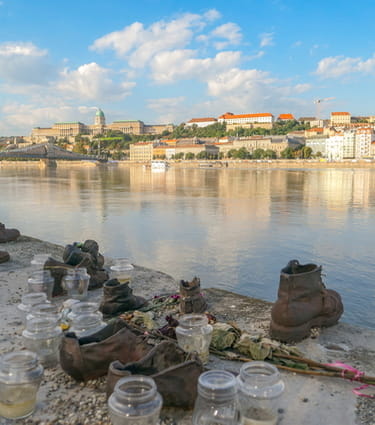
 Hungary
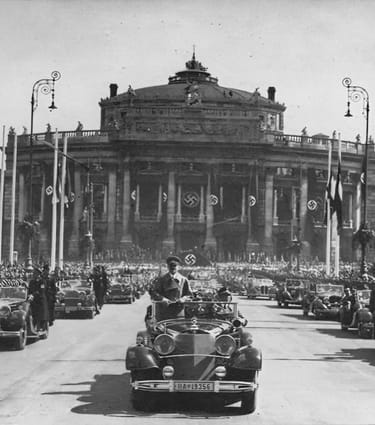
 Austria
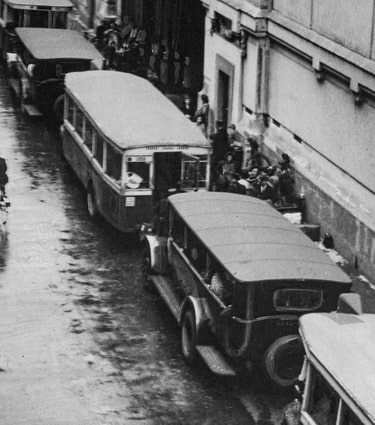
 France
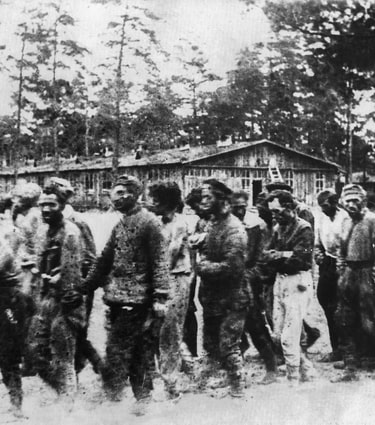
 Ukraine
 Germany

 Greece


 Poland



 Spain

 Czechia


 Italy






 Slovakia


