

The History of the Warsaw Zoo: Jan and Antonina Żabiński in WWII
When the German bombs fell on Warsaw in September 1939, the city’s zoo was the largest in Europe — thirty-two hectares on the right bank of the Vistula, home to some five hundred species. Within three months almost all of them were dead, shot, or loaded onto trains to Germany. What was left became a pig farm, then a fox farm, and then something no one had planned: a hiding place. Between 1940 and 1944, the zoo’s director Jan Żabiński and his wife Antonina sheltered around three hundred Jews in their villa and in the empty animal enclosures. Almost all of them survived.
Most readers know this story from Diane Ackerman’s 2007 book The Zookeeper’s Wife and the 2017 film with Jessica Chastain. This article is the history underneath it: the zoo from its opening in 1928, the September bombing, the Berlin zoo director Lutz Heck who came to take the surviving animals away and was never tried for anything, the villa the Żabińskis called «the House under the Crazy Star», the people who hid in its cellar, and what happened to the family afterwards. It runs to the present day: the villa is a museum, and since October 2022 the zoo carries the Żabińskis’ names.
I have illustrated it with more than ninety photographs — archive images of the zoo in the 1930s, the 1945 aerial views, and my own pictures taken at the zoo and inside the villa in 2019. If you have just watched the film and want to know how much of it was true, the section comparing the two is near the end; practical information on visiting the villa is there too.

THE WARSAW ZOO BEFORE THE WAR, 1928–1939: JAN AND ANTONINA ŻABIŃSKI
The home for more than 500 species of animals across the Vistula River from the city center of Warsaw is currently known as ‘Miejski Ogród Zoologiczny im. Antoniny i Jana Żabińskich w Warszawie’ (Municipal Zoo named after Antonina and Jan Żabiński). It took seventy-seven years after the end of World War Two to rename one of the largest zoos in Europe to honor the names of two people who devoted themselves to caring for animals during both peaceful and wartime and saving people, mostly Jews, during the German occupation and the Holocaust. It is no secret that the main reason millions of people around the globe know the Zabinski family is the 2017 feature film starring Jessica Chastain and Johan Heldenbergh. Like many times before, both 2007 Diane Ackerman’s book on which the movie was based and the adaptation itself broadened the audience of the previously niche story, known predominantly among Holocaust researchers, zoologists, and a few citizens of Warsaw. In a wider sense, the century-long history of the Warsaw Zoo teaches us a lesson about treating not only animals but human beings too. It is a story about those who cannot defend themselves and the brave people who risk their lives for the sake of others.

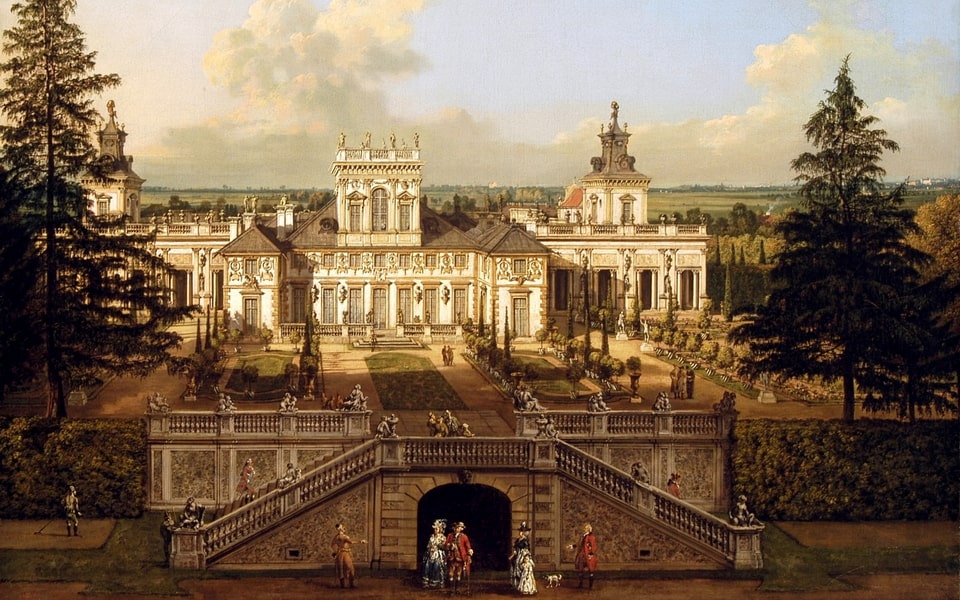
The history of nourishing wild animals in Warsaw stretches back in history to the XVII century and the reign of the Polish King John III Sobieski (1629-1696). Like in many kingdoms and empires in Europe of that time, the first cordoned area with wild animals was set up as part of the court on the territory of the famous Casimir Palace (Pałac Kazimierzowski) and later on next to a newly built Wilanów Palace (Pałac w Wilanowie). King John III Sobieski was well-known for his admiration for animals, but his court’s menagerie was a privilege of the nobility and not accessible to the population. It took Warsaw two more centuries to obtain a public zoo when, in 1884, a Polish lawyer and writer Jan Maurycy Kaminski (1844-1907) opened a privately owned one on Bagatela Street in the Southern part of Warsaw. The site was well-liked but worked for only six years before the closure. The idea of opening a new zoo emerged only after the Great War, and finally, in July 1926, the first zoological garden in the XX century Warsaw was opened with private investments on Koszykowa Street, to be later moved to Maja Avenue. Unfortunately, the zoo operated for around a year until a devastating fire killed many of its exotic animals.
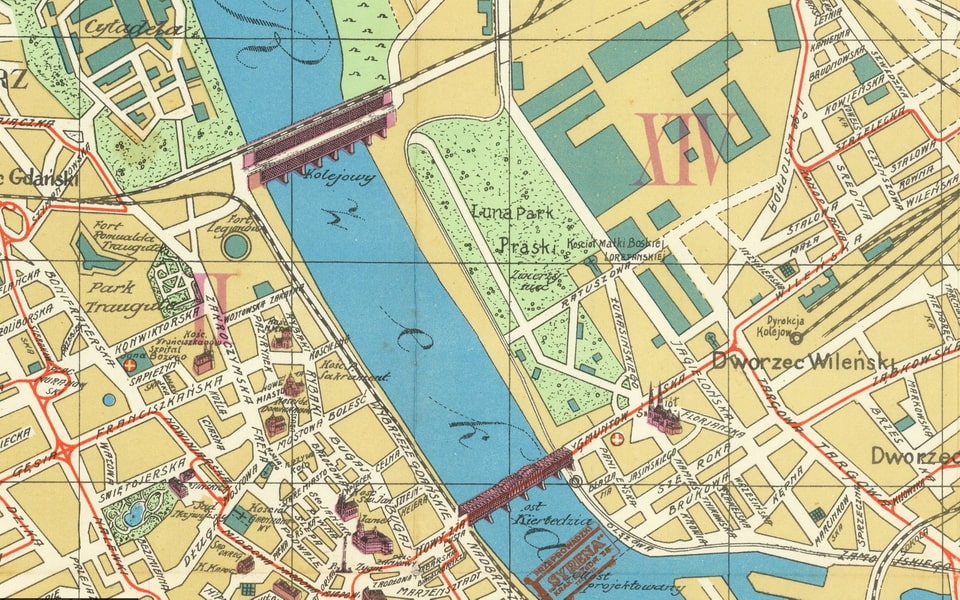
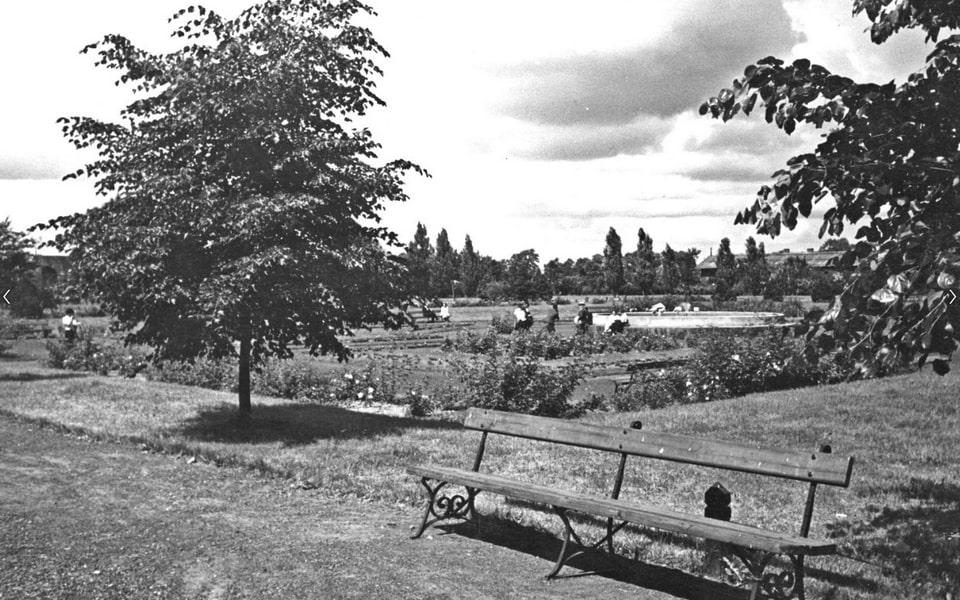
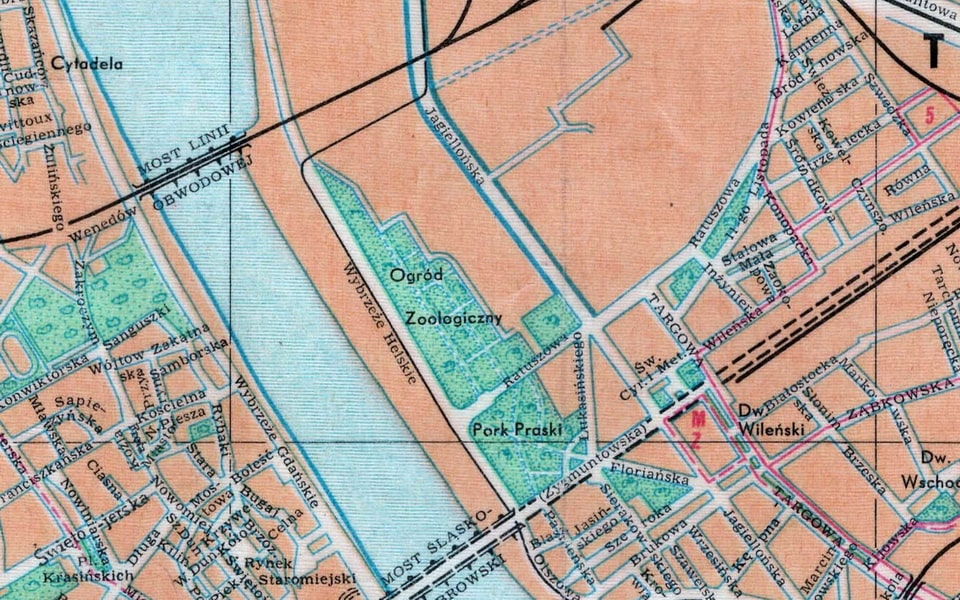
Finally, the city authorities of Warsaw reached an agreement on the creation of a Municipal Zoological Garden on the right bank of the Vistula River in the Prague District, and the opening ceremony took place on March 11, 1928. The initial area allotted for the zoo was twelve hectares, which allowed space for five hundred species of animals, of which three-fourths were birds in cages. It is interesting to note that Wenanty Burdzinski, the first director of the newly created zoo, was born in Ukraine (modern Cherkasy Oblast), was one of the founding fathers of the zoo in Kyiv, and left the country after its occupation by the Communist regime. Unfortunately, Burdzinski performed the duties of the director at the Municipal Zoological Garden in Warsaw for only nine months until his death on December 17, 1928. Burdzinski, who was sixty-four, devotedly worked in the zoo despite early winter frost that year and died from pneumonia, while doing his best to create better conditions for the animals.


As a result of the tragic death of Wenanty Burdzinski, a competition was set to choose a new director, and on June 1, 1929, the position was entrusted to Jan Zabinski, a young zoologist who was only thirty-two years old, exactly twice as young as his predecessor. Jan Zabinski was born on April 8, 1897, in Warsaw. His father, Josef Zabinski, was a civil law notary, and his mother, Helena Strzeszewska, came from a wealthy Polish family of landowners. It was his mother who promoted Jan’s love for animals, and he was an active teen, known for admirable results in track and field athletics, setting a record in the 100 m run in Warsaw. The family gave birth to three girls, Jan’s younger sisters: Maria (1899-1995), Hanna (1901-1944), and Jozefa (1904-1942). It’s important to note that Zabinski lived in the area of Warsaw with a high share of the Jewish population; particularly, four out of five children in Jan’s school had Jewish origin, with whom the boy had friendly relations deprived of any racial prejudices, a fact that would mean a lot during the Holocaust.
At the age of twenty-one in 1918, Jan Zabinski served in a Polish Gendarmerie in Warsaw and even participated in disarming German units in the city, promoted for his bravery to sergeant, which allowed him to join the protection guard of Józef Piłsudski, the Chief of State and later the Prime Minister of Poland. In 1919, Jan Zabinski was assigned as an active officer to the Polish-Soviet front, first as a platoon and later as a company commander. Jan retired from active duty in December 1920 and was awarded his first Cross of Valor: the second one he would earn in 1944. During his wartime years, Zabinski developed trusting relations with many soldiers and officers of Jewish origin. After the war ended, Jan restored his desire (before the Great War he dreamed of studying zoology at Brussels) to gain an education, and he studied at the Warsaw University, where he obtained a diploma in natural science, agronomy, and zoology, and in 1924 also earned a Doctor’s degree in Philosophy. In 1926 Jan Zabinski became a frequent guest at Polish radio, where he spoke about animals and zoology. In 1929, when he participated in the competition for the post of the director of the newly created Municipal Zoological Garden, Jan Zabinski was an assistant professor at Warsaw University and a prospective naturalist. At that time, lecturing at Warsaw University of Life Sciences, Jan met his future wife, Antonina Erdman.


Antonina was born on July 18, 1908, in a Polish family who lived in Romanov’s St. Petersburg. Her mother Maria tragically died from tuberculosis when Antonina was a child, and in 1917 at the age of nine, the girl lost her father Antoni Erdman when he and his new wife, Antonina’s stepmother, were murdered by the Bolsheviks during the Revolution. Her father was a rail engineer, which did not save him from the bloody communist regime. Her aunt on her mother’s side, Jadwiga Biedunkiewicz, took Antonina to Tashkent, Uzbekistan, where the girl lived until 1923, when she was allowed to come back to Poland, where she lived and studied in Warsaw. After graduation, she was hired as an assistant secretary to the ‘Szkoła Główna Gospodarstwa Wiejskiego’ (University of Life Science), where she met Jan Żabiński. In 1931, Antonina and Jan, who at that time was already the director of the zoo in the Prague district, got married. In 1932, Antonina gave birth to their son Ryszard Zabinski (1932-2019). From his early years, the boy was accustomed to living among the animals in the zoological garden and used to accompany his mother and father in their work. Like her husband, Antonina found the resolve to write about zoology and animals, and in 1934 she published a short story for children called ‘Diary of the Giraffe’, which was followed by other publications before the outbreak of WWII.


Under the directorship of Jan Zabinski and with the backing of his wife and the whole staff, the Municipal Zoological Garden in Warsaw witnessed years of growth and prosperity in the 1930s. During the first years of operation, new premises and facilities were built, including a monkey section, a pavilion for elephants, houses for giraffes, water facilities for seals and polar bears, and enclosures for the famous Przewalski horses. In 1937, the famous elephant Tuzinka was born, which became a remarkable event: the first elephant that was born in a Polish zoo and the twelfth in the world. The foreign experts who visited Warsaw Zoo in the 1930s, including those from Germany, put a high esteem on the Zabinski family’s efforts and regarded the site as one of the best zoological gardens in Europe. It was not just the cages and pools: Jan and Antonina created a whole culture of taking care of animals at a time before modern knowledge in zoology and pharmacy. Antonina adopted methods of psychology to treat newborn animals who were rejected or lost their mothers. The caretakers found their way to the pages of Antonina’s stories for children, and some were treated like family members and lived in the villa, Zabinski’s home in the zoo. All that work and care bore results and the popularity of the Warsaw Zoo up to 1939 when it became the largest in Europe with a total area of thirty-two hectares.


SEPTEMBER 1939: THE BOMBING OF THE ZOO, THE KILLING OF THE ANIMALS, AND LUTZ HECK
1939 was the year when the annual conference of the International Association of Zoo Directors was to be held in Warsaw in the Fall, but the feeling of the coming storm of war was another reality. As early as March, Jan Zabinski was obliged to prepare a list of the animals, predators mainly, who were meant to be killed in the event of the war and the war in Warsaw preventing them from a possible breakout and attack on the civilians. At the same time, that year marked an enormous amount of work in the zoo expansion and infrastructure development. The long-planned pavilion for hippopotamus with a large pool was finally finished and welcomed its first two residents: Bob and Molly. Zabinski also arranged the arrival of two giraffes and a bison, while the building of a new large pavilion for the lions was in progress. With the news of the possible war in the air in the summer of 1939, the zoo’s staff made the biggest-ever preparations for the coming winter by filling the warehouses with food for animals and a supply of coal and firewood.


When the war broke out on September 1, 1939, a battalion of Polish soldiers with balloon barriers (an anachronism from the First World War) was stationed on the territory of the Warsaw Zoo. The Germans launched a fierce campaign of air bombardment of Warsaw, and the first bombs fell in Zabinski’s zoological garden as early as September 3 and killed a male elephant called Johnny inside his enclosure and destroyed the pavilion for apes, from which only one chimpanzee survived for some time, while others burned alive. The zoo was located next to two bridges over the Vistula River, and some bombs missed their target and hit the 32-hectare territory nearby. Later on, Germans tried to hit the Polish soldiers on the territory of the zoo, and the initial air bombardment was accompanied by artillery shelling against Warsaw. A half-ton bomb hit the rocks in the enclosure of the white bears, and four of them went out. A unit of Polish soldiers was called up to shoot the predators. On September 5 or 6, Jan Zabinski was left with no other alternative than fulfilling the pre-war instruction regarding the killing of dangerous animals, and the army unit was ordered to kill predators: eight bears, thirteen lions, two tigers, and also pumas, panthers, hyenas, and wolves.


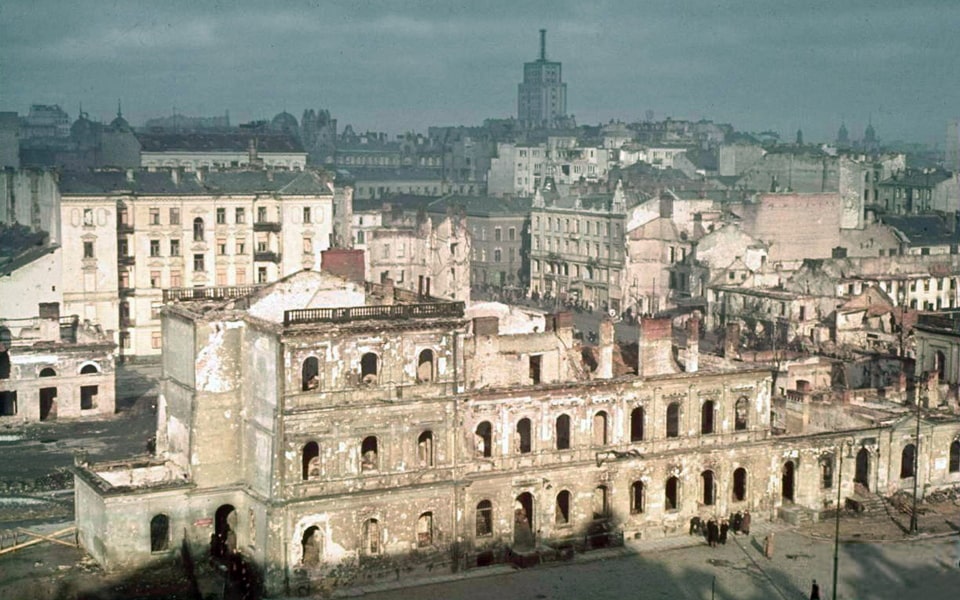
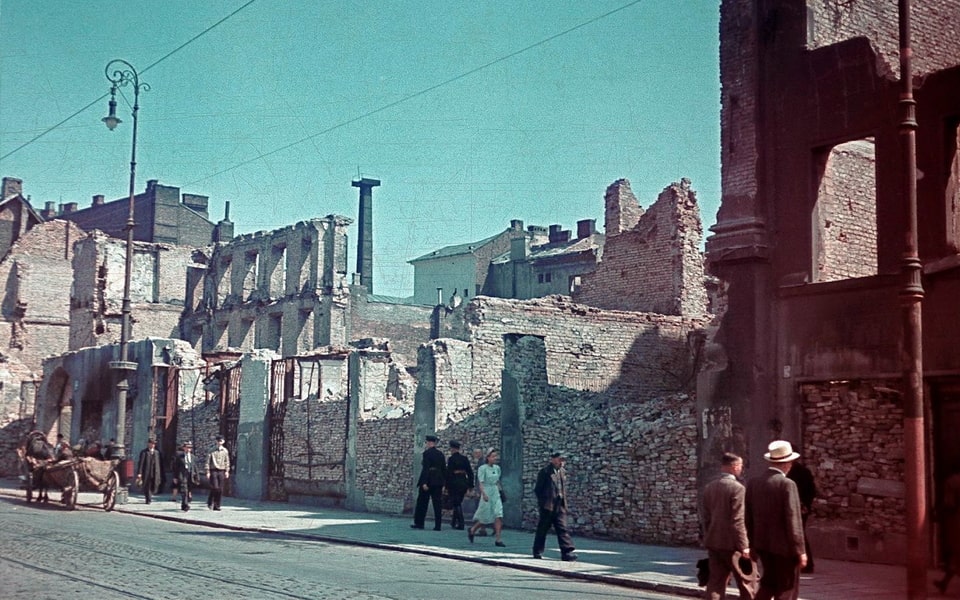
Jan Zabinski was a lieutenant in the reserve officer corps before the War (promoted March 19, 1939), and he was called to arms after the outbreak of the war, though he did not leave Warsaw until September 7, when the predators in the zoo were killed. Because of the chaos in the Polish army and Jan’s age of forty-two, he was discharged from service and later returned to his family in the capital. While he was absent, Warsaw was besieged by the German army and heavily shelled with fire, particularly hitting the Zoological Garden in the Prague district. The most damaging attack happened on September 25, a few days before the capitulation of the city, when some seals and sea lions even managed to escape into the Vistula River, and many other animals were killed. As the situation with food in the besieged city deteriorated, some animals, probably deer and antelopes, were killed for food in the zoo, apart from army horses eaten in this period. Some animals broke into the city and were killed. Some birds managed to escape their damaged cages, and later on, a pair of storks from the Warsaw zoo were supposedly shot by hunters near the Italian city of Genoa, 1200 km South-east of Warsaw. Among those who survived the September bombardments were one Przewalski horse, zebras, ostriches, camels, two elephants, two hippopotami, some birds and reptiles, and a female giraffe (she died soon after succumbing to exhaustion and stress). Polish army peelings were used to feed animals as the warehouses with supplies were destroyed.
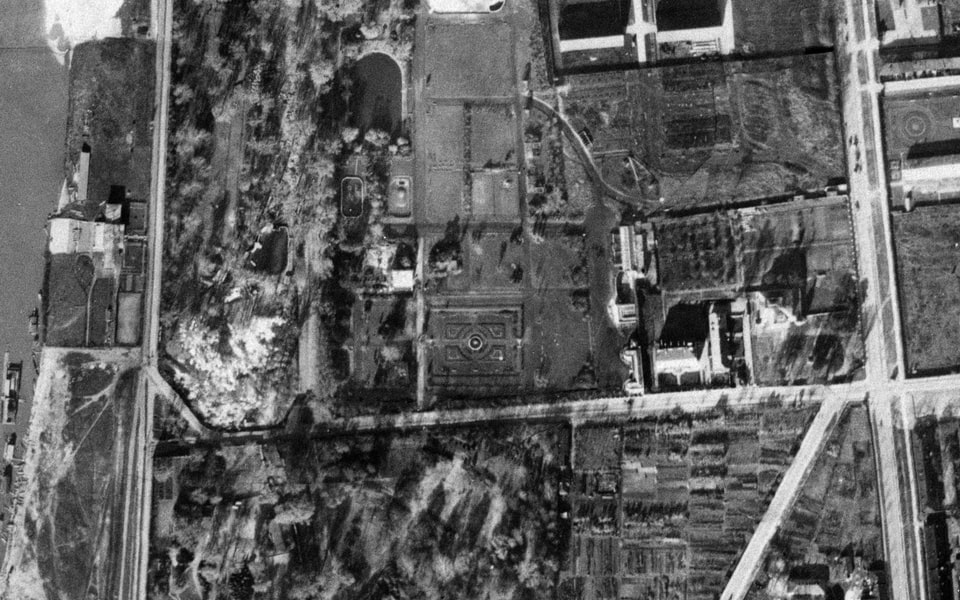


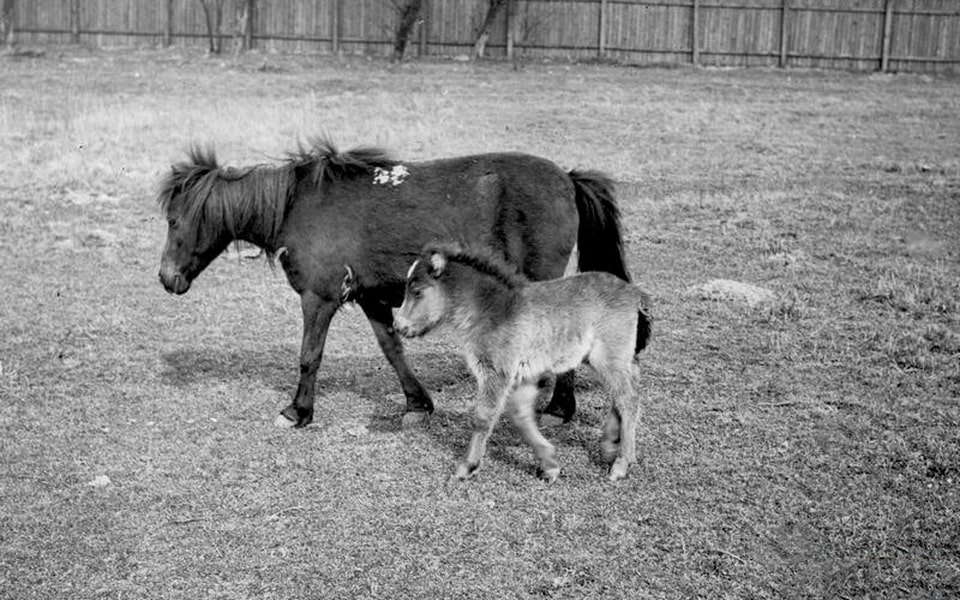
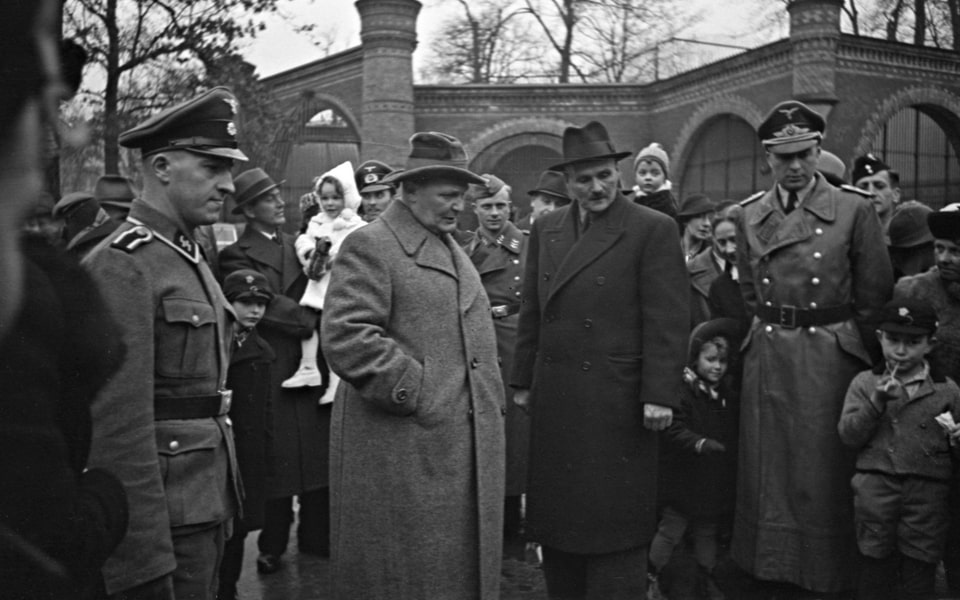
When the Germans occupied the city on September 28, the territory of the Municipal Zoological Garden looked like a moon surface with multiple bomb craters. Corpses of animals and people, men from the Polish battalion, lay on the ground. When the Polish garrison surrendered, the local now empty pool was temporarily filled with weapons. A few weeks after the start of the occupation, when the Zabinski family and their remaining staff did their best to help the remaining animals survive, the Warsaw zoo was visited by an unexpected German guest, whom both spouses knew from pre-war life: his name was Ludwig ‘Lutz’ Georg Heinrich Heck, the well-known director of the Berlin Zoo. Years later, Antonina Zabinski described him smiling and being polite and almost gentle in speaking with his Polish friends, but, of course, the visitor had little sympathy for the fate of Poland, now crushed by the Nazi hordes.

Ludwig Georg Heinrich Heck was five years older than Jan and sixteen years older than Antonina Zabinski and was born on April 23, 1892, in Berlin. Ever since he can remember, the boy has been fascinated with zoology, wildlife, and animals since his father, Professor Ludwig Heck (1860-1951), held the position of director of the Berlin Zoo since 1888. The famous professor had two sons, who followed in his steps: Ludwig Junior (Lutz) and Heinz (1894-1982), and both boys were raised in the zoo and fascinated with the craft of their respected father. The careers of both boys bloomed in the 1920s when Lutz was appointed a deputy director to his father in Berlin in 1923, while Heinz became the director of the Hellabrunn Zoo in Munich in 1927. In 1931, the old professor (who would outlive WWII and died at the age of ninety-one in 1951) finally resigned, and his older son Ludwig ‘Lutz’ Heck became the director of the Berlin Zoo starting from January 1, 1932. He was captivated by the ethnology and racial theories of the new regime and soon became a respected scientist in Nazi Germany. Despite Heck’s post-war efforts to diminish his bonds with the notorious Hermann Göring, the two became friends in 1934; Heck was a desired guest at Göring’s Carinhall mansion, and the two hunted together. In 1935, Lutz Heck even devoted his new book ‘Der Deutsche Edelhirsch’ (The German Noble Deer) to the Reichsmarshal.


The post of the director of the Berlin Zoo and his hunting experience with Goring was only a starting point for Heck. He was assigned and received financing to try to recreate some extinct species of animals, particularly the aurochs, which were regarded as ancestors of the modern cattle animals in Europe. These animals were mentioned in the famous Nibelungenlied (The Song of the Nibelungs), which was highly praised by Hitler and the Nazi governing elite. Before WWII, Heck and his younger brother Heinz conducted several expeditions and successfully crossed different European cattle and brought to life a new animal similar to the vanished aurochs. In 1936, Lutz was the creator of a special exhibition devoted to Germany’s country wildlife and set up for the upcoming Olympic Games. In 1938, Lutz Heck joined the NSDAP party, and the same year he was appointed by Goring as the chief of the so-called ‘Oberste Naturschutzbehörde’ (Supreme Nature Preservation Authority). Despite some controversies, Lutz Heck was never an SS member despite his membership in the party and close relations with the Nazi elite.


In the summer of 1939, when the smell of war was palpable even to zoologists, the director of the Berlin zoo was concerned about the fate of animals in his zoological garden in the case of a full-scale war and possible raids against the capital. It was unimaginable to protect all four thousand animals during the air bombardment, but the staff took some precautionary measures. In the first weeks of WWII and the German assault against Poland, Lutz Heck was still present in Berlin and walked the territory of the Zoo in the company of his dog, a Fox Terrier called ‘Lutting’. He cared not too much about the animals in Poland, who died in thousands during the Wehrmacht advance, nor about the Warsaw Zoo and his pre-war colleagues Jan and Antonina Zabinski. The second most important consideration for him after the fate of the Berlin Zoo was his pre-war idea of populating the Białowieża Forest in Eastern Poland with his recreated aurochs.

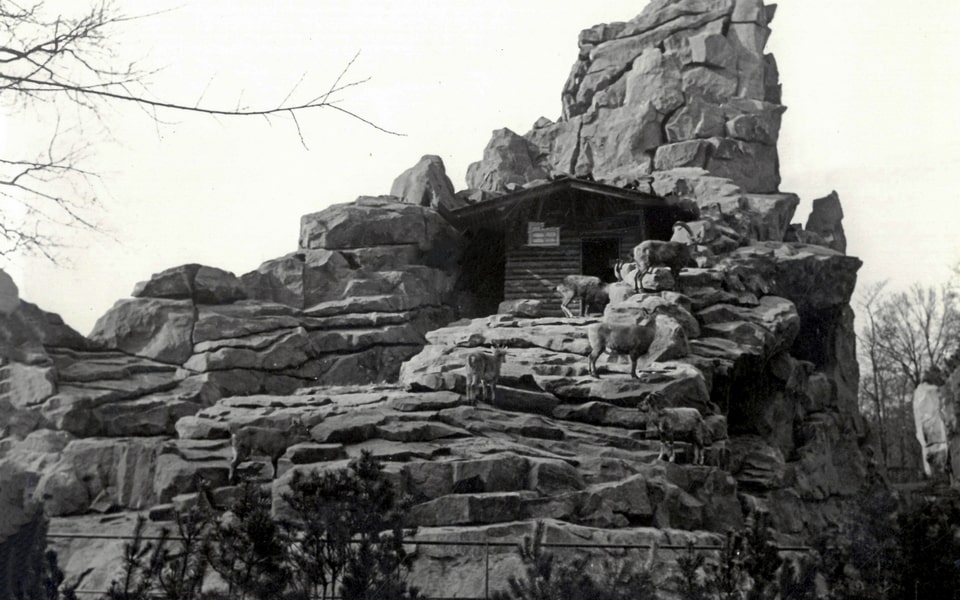
When Heck finally arrived in Warsaw in October, his visit to the Warsaw Zoo did not come from care but from opportunities to take animals from the largest European pre-war zoo and to enrich German zoological gardens. Lutz Heck politely informed Zabinski that the most precious animals would be taken to ‘safety’ and returned to Warsaw once the war was over. Of course, both the pretext and the promise were false. The famous elephant Tuzinka, less than three years old, was taken to the Königsberg Zoo, while her mother, a twenty-year-old ‘Kasia ’, unfortunately died of wounds she had gotten during the German siege of the city and the bombing of the zoo shells. Heck ordered the transportation of the bison and tarpants to the Munich Zoo, one surviving Przewalski horse to Vienna, camels and llamas to Hannover, two last hippopotami were taken to Nuremberg; zebras and lynxes were delivered to the Schorfheide forest area to the North of Berlin. The expropriation of the precious animals was conducted in late November 1939, and the species of no interest to Heck were ordered to be killed. He did not intend to let the Polish people visit the Zoo, thus following the Nazi policy of depriving Poles of education or culture.
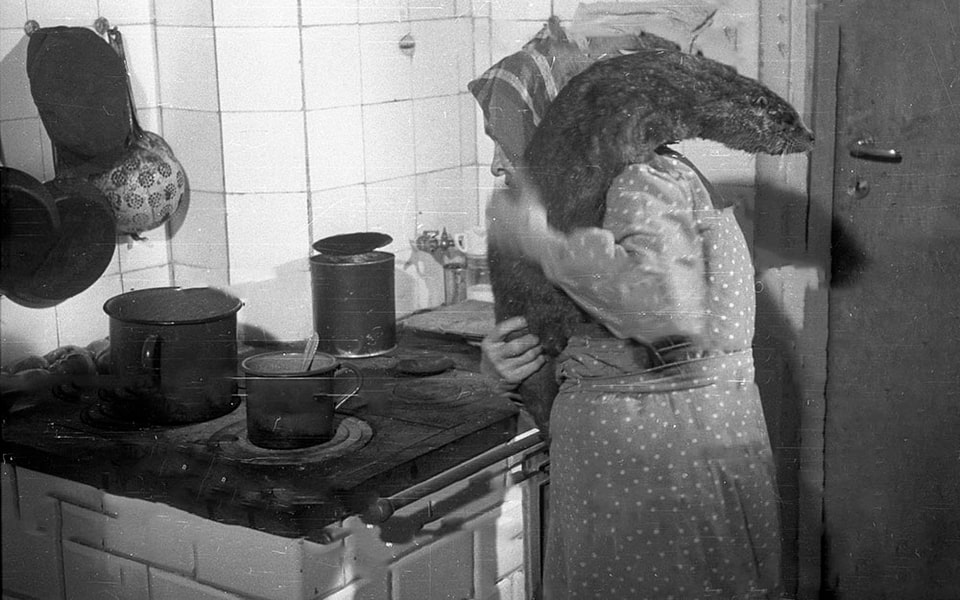
After both the expropriation and the killing of animals, only a small number of species were still left in the Zoo and taken care of by the Zabinski family. On New Year’s Eve of the coming 1940, the German officers and soldiers came to the Zoo and enjoyed hunting by killing dozens of animals, including a giant eagle, which stayed in the garden despite escaping its cage. One camel called ‘Jasio’ was saved by one of the animal nurses and later worked in the streets of Warsaw by carrying advertisement banners. After stealing and killing the animals, Lutz Heck returned to Germany, where he mostly stayed in Berlin as its director until the surrender of Germany in May 1945. He and his wife managed to survive the Battle of Berlin and fled to the US zone of occupation. Heck spent his next four decades in Wiesbaden writing books about zoology, patronizing the creation of a park, taking expeditions to Africa, and participating in making documentaries. He peacefully passed away on April 6, 1983, at the age of ninety without ever being tried for his crimes. The old Professor Ludwig Heck, who had been awarded the Goethe Medal for Art and Science by Hitler personally in 1940, lived through the War and died also at the age of ninety on July 17, 1951. The younger Heck, Heinz, tried to distance himself from the Nazi regime and rejected the professorship during the Third Reich, and he never joined the party like his brother Lutz. Heinz Heck lived a long life like his brother and father, worked as a director in the Hellabrunn zoo until 1964, and died at the age of ninety-nine on March 5, 1982.
HOW THE ŻABIŃSKIS HID 300 JEWS IN THE WARSAW ZOO, 1940–1944
While in December 1939 it seemed that the fate of the Warsaw Zoo was sealed, with either deportation or killing animals, 1940 brought new challenges and opportunities to the Zabinski family, who were allowed to stay on the territory taking care of a few surviving beasts. In March 1940, Jan Zabinski was ordered to set up a pig farm in the former zoological garden to ease the situation with food supplies in Warsaw. On the one hand, the large area of more than thirty hectares provided segregated space for such activity. The other reason was more trivial: the former zoo workers and the most well-known zoologist in the country, Zabinski, were obvious choices to run a pig farm. Jan and Antonina took the lion’s share of work, using the remaining enclosures, building simple pounds, and using one of the surviving pre-war premises as a fattening house, thus turning the former largest zoological garden in Europe into a wartime farm. Apart from this activity in the public view, Jan Zabinski secretly joined the Polish resistance and was known in the Warsaw underground under the code-name ‘Francis’ as a reference to Francis of Assisi (1181-1226), the founder of the Franciscan Order and a man known for his reverential attitude towards the environment and animals. Zabinski hid explosives on the zoo territory, which were later used by the resistance in acts of sabotage against Germans, particularly against the train logistics.


In the summer of 1940, Jan was contacted by the underground and asked to give a temporary shelter to several Jews. The family hid these people in their villa, built in 1931, and after the escapees gained strength, they moved to another refuge and later out of Warsaw. As a result, the Zabinski’s home in the Warsaw Zoo became one of the many secret hideouts for both the Jews and non-Jews in Warsaw, which, with time, proved to be one of the most successful in the number of people saved during the Holocaust. After the Nazis created the infamous Warsaw Ghetto in November 1940, Jan Zabinski was provided with a pass and had unrestricted access inside the sealed area, mainly based on his running of a pig farm and gardens in the zoo. During his visits to the Warsaw Ghetto, Jan Zabinski was deflated by the horrible conditions in which several hundred thousand people were left to survive. He not only agreed to hide more refugees in their homes in the Warsaw Zoo but also used to smuggle people from the ghetto and help them with new identity papers until being transferred to safe places on the Aryan side of the city. Apart from this, Jan secretly provided starving ghetto residents with pork from the farm. Getting people out was the hardest part of the whole operation. From the summer of 1942, the ghetto was being emptied through the Umschlagplatz on Stawki Street at a rate of several thousand a day, and every person Żabiński brought across the river had to be taken out before that column reached the ramp.


While Jan did his best to help people leave the ghetto unharmed, his wife Antonina and their son Ryszard (who was born in 1932 and was still a little boy during the War) not only helped Jan with the farm but devoted themselves to caring for ‘the guests’ in the villa. People, whom Zabinski hid in their home, later regarded the Zoo villa as ‘Noah’s Ark’ or ‘The House under a Crazy Star’ (Willa pod Zwariowaną Gwiazdą) and Jan, Antonina, and Ryszard as gentle, selfless people who took care not only of their friends and acquaintances but of unknown people. At certain periods, up to several dozen people at once could take shelter on the territory of the Warsaw Zoo under Zabinski’s protection. For reasons of safety, the refugees spent most of their time in the villa’s basement or the premises for the animals. In her post-war memoirs, Antonina Zabinski told about the secret sign she used to give in the case of danger, mainly when Germans paid visits to the zoo. Antonina was an experienced piano player, and as a warning, she used a piano in the living room on the first floor to play a piece from the operetta called ‘La Belle Helene’ (Beautiful Helene) by a German-French composer Jacques Offenbach (1819-1880). It was a sign for people in the basement to use a secret tunnel that led to the gardens, and they took shelter in the animal cages. When the danger was gone, Antonina played Chopin. The zoo was not the only place in Warsaw where people were living in hiding on the ‘Aryan’ side. The pianist Władysław Szpilman spent the same two years moving between six apartments in the southern districts of the city, kept alive by a similar network of Polish helpers.


In the summer of 1942, the number of Jews who took temporary hiding at Zabinski’s Zoo increased since the liquidation of the Warsaw Ghetto and mass deportation of its residents to the Treblinka death camp. The other reason was the establishment of a new underground organization called ‘Zegota’ aimed at saving the Jews in Poland from Hitler’s genocide. After the war, it was estimated that every second Jew who survived the Holocaust in Poland, in one way or another, gained help from ‘Zegota’, and in Warsaw only the organization helped to rescue up to 20,000 people. Jan Zabinski knew some of the Zegota members from before the war, and his wife Antonina actively saved Jews in their villa. Among the most well-known underground activists who visited Zabinski was Irena Sendler (1910-2008), a Polish nurse who assisted in saving more than 2500 people in Warsaw. She sometimes came to visit her Jewish friends and people whom she helped, while they were hiding in the Warsaw Zoo. At one time her mother was among the ‘Zabinski’s Jews’.


The project of the pig farm on the territory of the Warsaw Zoo lasted for almost three years until, in the winter of 1942-1943, the Germans halted it in favor of a fox farm to make fur for the winter cloth for the Wehrmacht troops on the Eastern front, when the Battle for Stalingrad was the tipping point of the war. The man put in charge of the new enterprise was a Polish man, Witold Wroblewski. In the beginning, the Zabinski were suspicious about the man who was brought by the Germans to run a farm, but later on, they became friends, and Wroblewski, whom they used to call ‘the fox man ’, helped the family to continue their underground activity. He was allowed to live in one of the rooms in the house. The existence of the fox farm allowed the Zabinski family to stay in the villa and hide more people. When the Warsaw Ghetto Uprising broke out in April 1943, local underground Polish activists multiplied efforts to save as many Jews as they could from the ghetto set on fire by the Nazis. Jan and Antonina joined the venture of saving people and giving shelter to those who managed to leave the ghetto walls. During this period, Ryszard and another boy painted a towel with ‘Hitler kaput’ letters, but Jan revealed it just in time to prevent the boys from such an act, which could pose a mortal danger to all people in the Zoo.


Jan and Antonina continued their underground activity in 1944 even though the woman was pregnant with their second child, and in June Antonina gave birth to a girl, Teresa. When another Uprising broke out on August 1, 1944, this time led by the Polish resistance, Jan, still an active member of the underground, left Zoo to join the Polish forces on the other bank of the Vistula River at the Old Town, where most of the fighting against the Germans took place. Jan Zabinski fought bravely and commanded a platoon in the rank of lieutenant, but he was badly wounded on August 9 when a bullet went through his neck, and Jan’s comrades considered him a goner. Jan survived his wound and was taken POW by the Germans. Back in Warsaw Zoo, the Germans forced citizens next to the river to leave their homes, and the approaching Soviet Army started shelling the right bank of the Vistula. One bomb fell on the territory of the Zoo just fifty meters from Zabinski’s villa. On August 23, Antonina and her children, Jan’s seventy-year-old mother, and a few Zoo workers finally left Warsaw in the West direction. They stayed for several days in the town of Lowicz halfway to Lodz and then moved to the local village. Around New Year, they finally got a letter from Jan, who sent it from the POW camp. In January 1945 Warsaw the German troops finally left Warsaw, and the city was occupied by the Soviet forces, a start of another murderous regime for the next four decades.


Toward the time when the Zabinski family left the Warsaw Zoo on two different occasions in August 1944, Jan and Antonina saved or gave shelter to around three hundred Jews and some non-Jews. Among the people, who were hidden in the villa at different times were a famous female sculptor Magdalena Gross (1891-1948); the family of a lawyer Marceli-Lewi Lebkowski: his wife and two daughters Antochna and Lula; a famous Polish-Jewish writer Rachela Auerbach (1899-1976), Irena and Leonia Tenenbaum, Kazio and Ludwinia Kramsztyk, Joanna Prochaska (1926-2011), Maria Aszer (1892-1981), Eugenia Sylkes, Doctor Ludwig Hirszfeld, journalist Maria Aszerówna, advocate Maurycy Fraenkel, Wanda Englert, Irena Mayzel, Koenigswein family and many others. We know only about two tenants of the Zabinski’s villa who did not survive the War: Dr. Roza Anzelówna, a former worker of the National Hygiene Institute, and her mother, who both stayed in the Zoo but were later captured and killed by the Gestapo. For their courage and devotion in saving people, in 1965 Jan and Antonina Zabinski were awarded the titles of Righteous Among the Nations and invited to plant a tree at the Yad Vashem Memorial Center in Jerusalem. In 1980, a new street in Warsaw in the Ursynów district was named Ulica Żabińskiego. In 2008, both were posthumously awarded ‘Order Odrodzenia Polski’ (Order of Polonia Restituta).


THE WARSAW ZOO AFTER 1945: REBUILDING, THE FOUR DIRECTORS, AND THE ZOO TODAY
The Villa of the Zabinski family was miraculously the only brick building that survived WWII in the Warsaw Zoo. When Antonina got back to Warsaw in 1945, the previous home was looted but still stood as a reminder of both all they lived through during the war and the need to rebuild the zoological garden. Jan finally came back home from captivity in late 1945 or early 1946, and the spouses not only once again accommodated their house in the zoo but initiated the process of rebuilding the whole area. Warsaw lost 80% of its pre-war urban area, and the shortage of resources in post-war Poland was unimaginable, but the newly reestablished city’s magistrate allowed the Zabinski family to restore the zoo. They were backed by some of the former staff members, including Jan Landowski (1913-1972), the later director of the Zoo after Zabinski. Jan and Antonina went through bureaucratic hell to get financing from the Communist technocrats, but the public interest in restoring the favorite zoological garden prevailed. In 1946 Jan visited Rotterdam, and the members of the first post-war conference of the Directors of the Zoological Gardens promised to assist in the works conducted by Zabinski in Warsaw. Many animals were donated from abroad, some by the citizens of Warsaw, and the Zoo was finally reopened on May 15, 1948, with Jan Zabinski as a director and a renewed fauna: unfortunately, hippopotamus Molly died before being returned from Poznań.



In 1950, Jan Zabinski was appointed General Inspector of State Supervision of all Polish zoos, but the next year he resigned from the post of the director of the Warsaw Zoo. It’s unclear to what extent the decision was dictated by his quarrels with the communist officials and by the fact that the post-war regime in Poland not only failed to recognize the contribution of the Polish Home Army during the war but stigmatized and arrested many patriots who fought in the underground. The family of Zabinski was allowed to stay in the villa for another two years until they moved to a new home at Kazimierzowska Street in the Mokotow district of Warsaw. After his resignation, Jan remained a recognized zoologist: he wrote books about animals (sixty until his death) and spoke on the Polish radio (in total he gave more than 1500 talks since 1926). Antonina published her memoir of the occupation, Ludzie i zwierzęta (People and Animals), in 1968, and a second book about life inside the zoo, Nasz dom w zoo (Our House in the Zoo), in 1970. She died in Warsaw on 19 March 1971, aged sixty-two. Jan outlived her by three years and died in Warsaw on 26 July 1974, aged seventy-seven. Both are buried in the Powązki Cemetery in Warsaw. Neither Yad Vashem, the Polish Righteous archive, nor the family’s own foundation records a cause of death for either of them, and no reliable public source gives one — what is documented is that both died at home in Warsaw, Antonina at sixty-two and Jan at seventy-seven, a year before what would have been their forty-fourth wedding anniversary. Ryszard Żabiński, who helped his parents so much with the Zoo and the saving of people during the War, passed away on April 9, 2019, at the age of seventy-seven. Teresa Zawadzki nee Zabinski, who was born in 1944 in the Zoo, passed away on January 30, 2021.


When Jan Zabinski resigned from the post of the Warsaw Zoo director, it was his long-time assistant, Doctor Jan Landowski, who took the position. He continued the work on the restoration of the zoo buildings and enclosures, including the re-establishment of the pavilion for a polar bear. In 1959, the Zoological Garden got its second entrance gate from the north side close to Gdanski Bridge. It took the new director almost twenty years, and in total almost thirty years passed after the War before the giraffes came to the Zoo in 1970, and that pair of animals called Iskra (spark) and Plomyk (flame) became the first giraffes accommodated in the zoo in post-war Poland. When Jan Landowski passed away on October 2, 1972, another former breeding assistant took the post: Zbigniew Wolinski, who was just thirteen years old when the War broke out in 1939. He was a strong advocate of the educational purposes of the zoological gardens, especially for children. Unfortunately, the 1970s were a difficult period for the Warsaw Zoo because of the lack of funding, which later improved when the city authorities paid appropriate attention to the deteriorating situation. In 1979, Zbigniew Wolinski invited more than forty zoo directors and chaired the meeting of the International Union of the Directors of Zoological Gardens, which was planned for 1939. In 1981, the director retired.


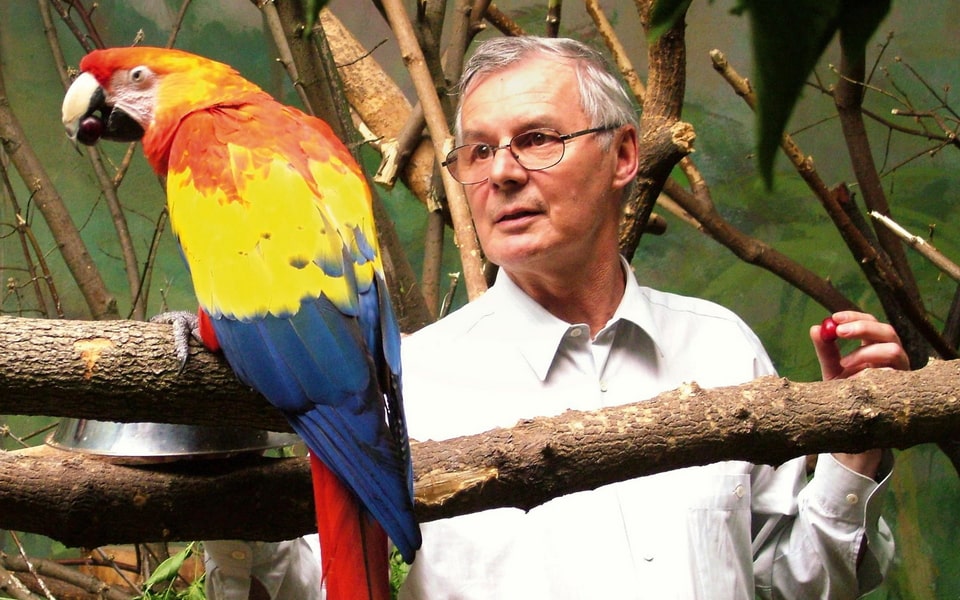
The next director of the Warsaw Zoo, Jan Maciej Rembiszewski (the third Jan among four post-war directors), held the position for the next twenty-seven years between 1981 and 2008. During his years in the position, the city Authorities of Warsaw finally acknowledged the necessity of appropriate funding, which turned a new page in the history of the Warsaw Zoo. Toward the 1990s, the whole territory was modernized, and the facilities expanded, finally making the Warsaw Zoo once again one of the best in Europe with an annual attendance of half a million visitors. Jan Maciej Rembiszewski advocated the creation of several educational institutions and even a Center for Rehabilitation. 2003 saw the opening of a new large pavilion for elephants at a space of 6000 m2. In 2008 Doctor Jan Maciej Rembiszewski resigned and was replaced by a well-known zoologist, Andrzej Kruszewicz (born 1959). In 2022, the Warsaw Zoo and the Zabinski Foundation sent humanitarian aid to the zoological gardens in Ukraine after the unprovoked invasion of putin’s russia. In October 2022, the name of the Zoo was finally changed to ‘Municipal Zoo. Antonina and Jan Żabiński in Warsaw’. At present, it serves as a home for more than 500 species.


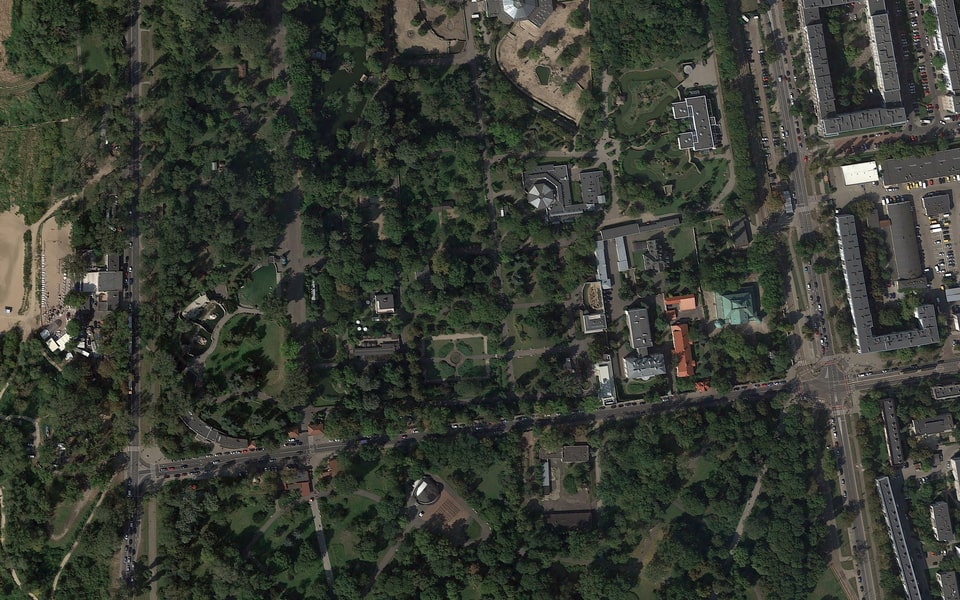
Visiting the villa. The house stands inside the Warsaw Zoo at ul. Ratuszowa 1/3, a few dozen metres from the main entrance. In Polish it is the Willa Żabińskich, better known as the Willa pod Zwariowaną Gwiazdą — «the Villa under the Crazy Star», the name the family and the people they hid used during the war.
— The interior can be seen only with a guide. Sunday tours run in Polish and in English, in groups of up to twenty-five; there is no advance booking, so arrive at the villa at least ten minutes early.
— On weekdays the villa can be visited between 09:00 and 15:00 by prior telephone arrangement.
— Check the current schedule and phone number on the zoo’s own page for the villa before you go — times change with the season, and the villa also opens for special events such as the Night of Museums in May.
— The garden around the house is laid out in the French style, and one of the trees in it is a ginkgo planted by Doctor Żabiński himself.
— The villa is one of the stops on Warsaw’s Szlak Pianisty (the Pianist Trail), the city route following Władysław Szpilman — a connection that is not a coincidence: Antonina’s piano in the living room was the warning signal for the people hidden in the cellar.
A note on what survived and what did not: the villa was the only brick building in the zoo left standing at the end of the war, and very little has been altered in it since. The piano in the living room today is a replica; the cellar, the tunnel to the garden and the layout of the rooms are original.
THE ŻABIŃSKI VILLA MUSEUM (WILLA POD ZWARIOWANĄ GWIAZDĄ): WHAT TO SEE AND HOW TO VISIT
The villa where the Zabinski family lived between 1931 and 1953 got its second life in 2012 when it was decided not only to renovate the building but to open a historical exhibition devoted to Jan and Antonina Zabinski and the life of the Warsaw Zoo during the Second World War. This ambitious work took several years and included the restoration of the original interiors based on the preserved photos and memories of Ryszard and Teresa Zabinski. The new museum was finally opened to the public in 2015. Even though it became an unusual site in the zoological garden, it attracted people in many ways because of Diane Ackerman’s book The Zookeeper’s Wife: A War Story (published in 2007), and since 2017 most of the visitors to the villa come here thanks to the book’s movie adaptation with Jessica Chastain and Johan Heldenbergh.


The museum welcomes its guests with authentic photographs of the Zabinski family and many books from Jan’s private collection, which were donated by his children. The former dining room on the first floor now exhibits a part of the enormous entomological collection of Doctor Szymon Tenenbaum (1892-1941). A Polish Jew from Warsaw, Tenenbaum collected insects since early childhood, and by WWII it amounted to half a million pieces. During the German occupation, the doctor and his family were forcibly placed into the walls of the Warsaw ghetto, and in 1941 Szymon Tenenbaum died of malnutrition and exhaustion. Jan and Antonina Zabinski offered him a helping hand in escaping the ghetto, but the doctor refused and gave them his precious collection. In 1944, a few weeks before the outbreak of the Warsaw Uprising and Jan’s departure for the fight, he managed to pass the collection to the Zoological Museum, where it survived the war. Daughter Irena and wife Leonia Tenenbaum were saved by the Zabinski family. Among other pieces, you can see several photos of Doctor Tenenbaum, including a famous photo with his daughter taken in 1932.


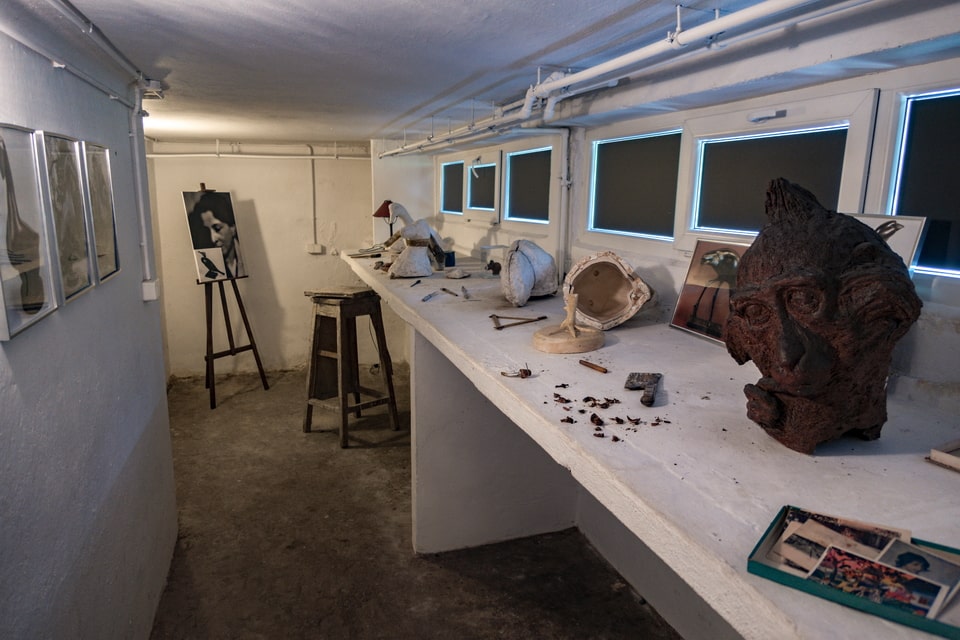
Also on the first floor, there is a cabinet of Doctor Jan Zabinski with authentic belongings donated by his family. In the living room, we see the replica of the piano on which Antonina Zabinski played to warn the refugees in her basement in case of danger. The next important part of the exhibition was recreated downstairs in the cellar, where several hundred people used to hide during the Holocaust. A separate room is now dedicated to the life and work of sculptor Magdalena Gross, who made clay figures while she was hiding in this cellar. After the war, she created several sculptures for the reopened Warsaw Zoo. The interactive part of the exhibition also includes several multimedia screens, which show footage of pre-war Warsaw and a documentary movie about the Zabinski family. Another important part of the villa is the underground tunnel, which once led to the gardens of the zoo and which the people in hiding used to leave the building and hide in the animal cages.



THE ZOOKEEPER’S WIFE: DIANE ACKERMAN’S BOOK AND THE 2017 FILM WITH JESSICA CHASTAIN
Similar to Oskar Schindler’s story until the book ‘Schindler’s Ark’ by Thomas Keneally was published in 1982 and the ‘Schindler’s List’ movie in 1993, and books and movies about Irena Sendler in the 2000s, the story of Jan and Antonina Zabinski made its way to a wider audience only six decades after WWII. Of course, in the post-war years, Jan Zabinski was a recognized figure in Poland with his books and radio programs, but only a few people outside Poland knew his name. Antonina told her story in detail in 1968 with her book ‘People and Animals’ (Ludzie i zwierzęta), but it was published only in Polish and later in Hebrew. When the spouses were awarded Righteous Among the Nations in 1965, at that time the state of Israel was only at the beginning of the enormous task of telling the world about courageous people who helped Jews during the Holocaust. Like in many other cases regarding the Holocaust stories, a book written by a Western author decades later put the bravery of Jan and Antonina Zabinski into the light of broader awareness and recognition.
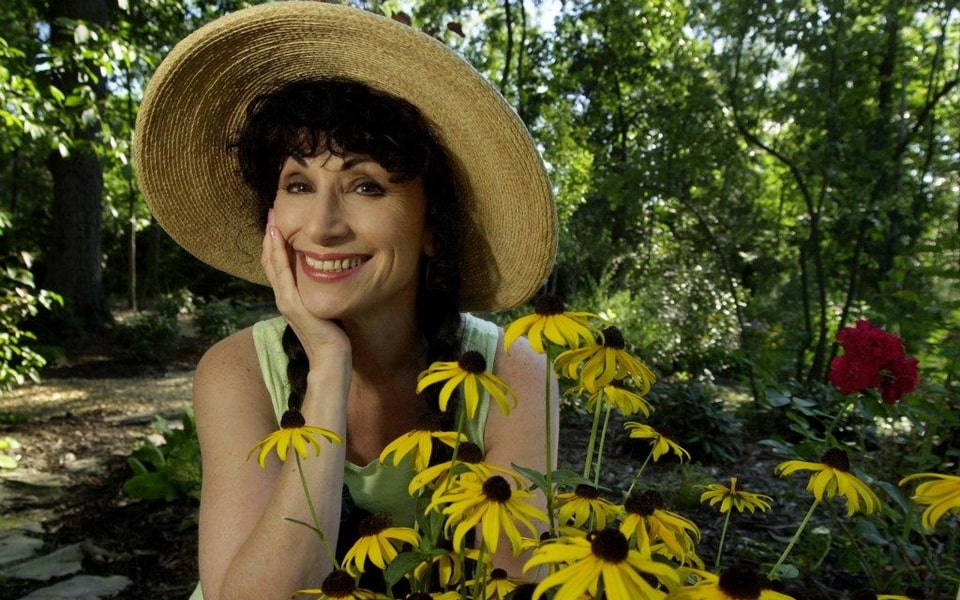
It was not a coincidence that the story of the Warsaw Zoo was told by Diane Ackerman (born 1948), a poetess and writer, who wrote so much about nature, our perception of the environment, and animals. Probably her best-known book before ‘The Zookeeper’s Wife’ was ‘A Natural History of the Senses’ (1990), in which she explored the topics of human sensuality and our perception of the world. It is not a secret that Ackerman was fascinated by Antonina Zabinski’s book once she read it for the first time, and ‘Ludzie i zwierzęta’ became her main inspiration and the road map for writing a story about the Warsaw Zoo during the War. The author did an excellent job in researching the factual material, which turned her story into a well-researched non-fiction book about Warsaw in WWII and the Holocaust in the city. Ackerman used books by Jan and Antonina, as well as their articles, interviews, and radio appearances, as well as the writings of Lutz Heck, the story’s antagonist, and the assistance of Ryszard and Teresa Zabinski. The book was well backed by the books on the history of wartime Warsaw and the archives of Yad Vashem and USHMM. Finally, the book The Zookeeper’s Wife: A War Story was published in 2007 by W. W. Norton & Company, Inc.
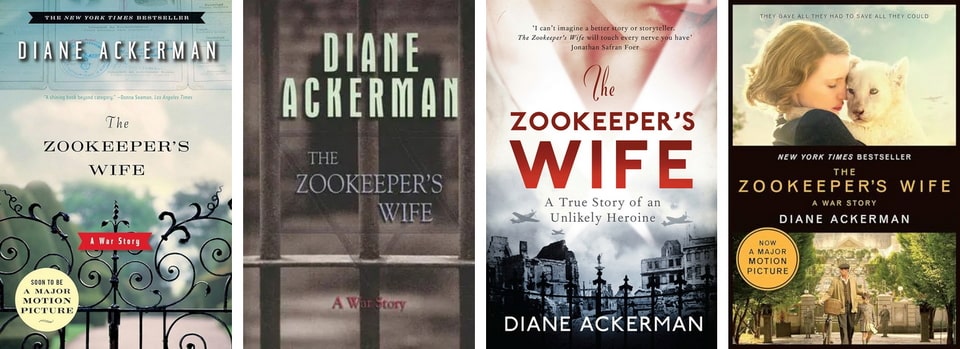

The journey of adapting Diana Ackerman’s book took almost a decade, starting in 2009. The original novel was adapted for screen by another woman, Angela Workman, who had previously worked on the adaptation of another WWII story called ‘The War Bride’ (2001). While the script was ready and the title star Jessica Chastain agreed to depict Antonina Zabinski as early as 2013, the principal filming started only in the Fall of 2015. It was decided to film the movie not in Warsaw but in Prague, one of the cinematic cities in Europe, and Zabinski’s villa was recreated in the Czech Republic. A forty-eight-year-old Belgian actor, Johan Heldenbergh, played Jan Zabinski. The movie ‘The Zookeeper’s Wife’ premiered in March 2017, and one of the screenings took place at the United States Holocaust Memorial Museum in Washington. The movie was warmly accepted by both professional critics and the audience but failed to become a box-office success, grossing only 26 million dollars worldwide. On the other hand, it gave the story of the Zabinski family a new life and multiplied the number of visitors to the Zabinski Villa at the Warsaw Zoo. It also inspired the creation of several documentaries, particularly ‘Of Animals and Men’ (2019).
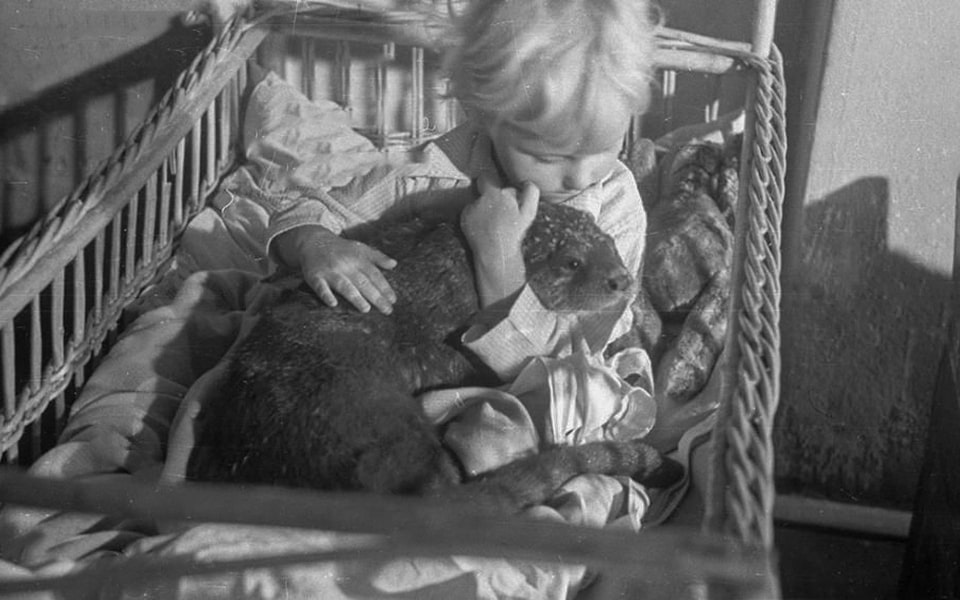


THE ZOOKEEPER’S WIFE: WHAT THE FILM CHANGED AND WHAT REALLY HAPPENED
The film is faithful to the outline and free with the detail. If you have just watched it, here is what actually happened.
The zoo in the film is not the Warsaw Zoo. Almost nothing was shot in Warsaw. Principal photography took place in and around Prague from autumn 2015, and the Żabiński villa was rebuilt as a set in the Czech Republic. The real villa still stands at the Warsaw Zoo and can be visited — see the section above.
Antonina and Lutz Heck. The film builds a sustained personal tension between them. In the documented record, Heck was a pre-war professional acquaintance of both Żabińskis who came to the occupied zoo in October 1939, took the surviving valuable animals to German zoos on a promise to return them, and had the rest shot. What Antonina wrote about him in her memoir is that he was smiling, polite and almost gentle — and that none of it made any difference to what he did.
The numbers are real. Around three hundred people passed through the zoo and the villa; only two are known not to have survived — Dr Roza Anzelówna and her mother, caught by the Gestapo. The Żabińskis were never caught. Jan was recognised by Yad Vashem together with Antonina as Righteous Among the Nations on 21 September 1965, and a tree was planted in their honour in Jerusalem on 30 October 1968.
What the film leaves out. Jan’s role in the Polish underground under the codename «Francis», his fighting and wounding in the Warsaw Uprising in August 1944 and his year as a prisoner of war; the couple’s second child, Teresa, born in the zoo in June 1944; the pig farm and then the fox farm that gave them the legal cover to stay; and the fact that the zoo was rebuilt after the war by the same two people and reopened on 15 May 1948.
Where the film came from. Ackerman’s book is non-fiction, built mainly on Antonina’s own memoir Ludzie i zwierzęta, on Jan’s writings and radio talks, on Lutz Heck’s books, and with the help of Ryszard and Teresa Żabiński. The film is an adaptation of that book, not of the archive.


FREQUENTLY ASKED QUESTIONS
How did Antonina Żabińska die? She died in Warsaw on 19 March 1971, aged sixty-two, and is buried in the Powązki Cemetery. Her husband Jan died on 26 July 1974, aged seventy-seven, and is buried beside her. No cause of death is recorded for either of them in Yad Vashem’s files, in the Polish Righteous archive, or by the family’s foundation — the published record gives the dates and nothing more.
Is The Zookeeper’s Wife a true story? Yes, in outline. Jan and Antonina Żabiński really ran the Warsaw Zoo, really hid around three hundred Jews in their villa and in the empty enclosures, and were recognised by Yad Vashem as Righteous Among the Nations in 1965. The film compresses events, invents dialogue and heightens the personal conflict with Lutz Heck — and it was shot in Prague, not Warsaw. The section above sets out the differences.
Can you visit the Żabiński villa today? Yes. It stands inside the Warsaw Zoo at ul. Ratuszowa 1/3 and is now a museum, visited with a guide — Sunday tours in Polish and English, weekdays by telephone arrangement. The zoo’s own website carries the current schedule.
Did the Żabińskis have children? Two. Their son Ryszard was born in 1932 and was seven when the war began; he helped his parents with the hidden «guests» throughout the occupation and died on 9 April 2019. Their daughter Teresa was born in the zoo in June 1944, three months before the family had to leave Warsaw, and died on 30 January 2021. Teresa attended the premiere of The Zookeeper’s Wife and met Jessica Chastain, who played her mother.
Were Jan and Antonina ever caught? No. The zoo was searched more than once, and German officers came onto the grounds regularly, which is why Antonina kept a warning signal — a passage from Offenbach’s La Belle Hélène played on the piano, and Chopin when the danger had passed. Of the roughly three hundred people they sheltered, only two are known not to have survived: Dr Roza Anzelówna and her mother, who were caught by the Gestapo. Jan was wounded and taken prisoner in the 1944 Warsaw Uprising, but that was as a soldier, not as a rescuer.
What happened to Lutz Heck? Nothing. The Berlin zoo director who emptied the Warsaw Zoo survived the Battle of Berlin, reached the American occupation zone, and spent four more decades in Wiesbaden writing zoology books, leading expeditions to Africa and working on documentaries. He died on 6 April 1983, aged ninety, having never been tried.
Is the Warsaw Zoo still open, and is it named after them? Yes to both. The zoo has operated continuously since it reopened on 15 May 1948, and in October 2022 it was formally renamed the Miejski Ogród Zoologiczny im. Antoniny i Jana Żabińskich w Warszawie — the Antonina and Jan Żabiński Municipal Zoological Garden. It is home to more than five hundred species.

I am very grateful to war archives, museums, libraries, private collections, and writers for the historical photos in this article. To the extent that some author or a copyright owner may not want some of the above black-and-white photos to be used for educational purposes here, please contact me for adding credits or deleting the pictures from the article.