

Velodrome d’Hiver in Paris: July 16–17, 1942
On July 16 and 17, 1942, Paris witnessed one of the darkest chapters in its modern history. In a massive coordinated raid known as the Vel’ d’Hiv roundup (Rafle du Vél’ d’Hiv), French police arrested more than 13,000 Jewish men, women, and children. The vast majority of these victims were held in horrific conditions inside the Vélodrome d’Hiver — a massive indoor cycling stadium located just steps away from the Eiffel Tower — before being deported to concentration and extermination camps, primarily Auschwitz.
Today, the original Vélodrome d’Hiver is long gone, having been demolished in 1959 and replaced by modern office and residential buildings. Yet, the memory of the Holocaust in France is fiercely preserved at the site. This article traces the complete history of the Vélodrome d’Hiver: from its origins as a legendary Parisian sporting temple to its tragic role as a brutal transit camp, and serves as a comprehensive guide to finding the quiet, often-overlooked memorials that stand on its grounds today.
THE VÉLODROME D’HIVER BEFORE WW2: From a Cycling Track to a Sporting Temple
At the turn of the XX century, sports competitions and the construction of large sports complexes for the mass audience became a new trend in major European cities, particularly in France. Among the athletic disciplines whose audience coverage arose at that time was cycling. It is worth noting that the world’s first cycling track was opened in the Parc de Saint-Cloud near Paris as early as 1868. In this respect, it should come as no surprise that the world’s most famous competition, the Tour de France, was born in France a few decades later. While early cycling tracks were open-air and suitable only for training and competitions during the warm months, closed tracks soon became a necessity. What was later known as Vélodrome d’Hiver means ‘winter track’ in English. Its history was not smooth across the decades preceding World War II.
The original Vélodrome d’Hiver was not built as a separate sports arena from the outset, but it occupied space inside the giant exhibition hall in Paris for seven years. ‘Salles des Machines’ or ‘Machine Hall’ was built for the same 1889 World’s Fair held in Paris, which produced the Eiffel Tower. The giant exhibition hall measured an enormous 422.49 meters in length and 114.38 meters in width, offering a staggering 47,325 square meters of usable floor space. When another World Fair in Paris (Exposition Universelle) ended a decade later, the giant hall stood unoccupied for two years. In 1902, the building south of Champ de Mars came into view for Henri Desgrange (1865-1940), a well-known sports journalist and editor at ‘L’Auto’ magazine, as well as an established French cycling champion who held several world records. Henri Desgrange and his colleagues were planning a new cycling sports competition, which would become the Tour de France, and they were ready to invest money in building a new covered track. A young architect, Gaston Lambert, promised that he could turn a part of the Salles des Machines space into a cycling arena.
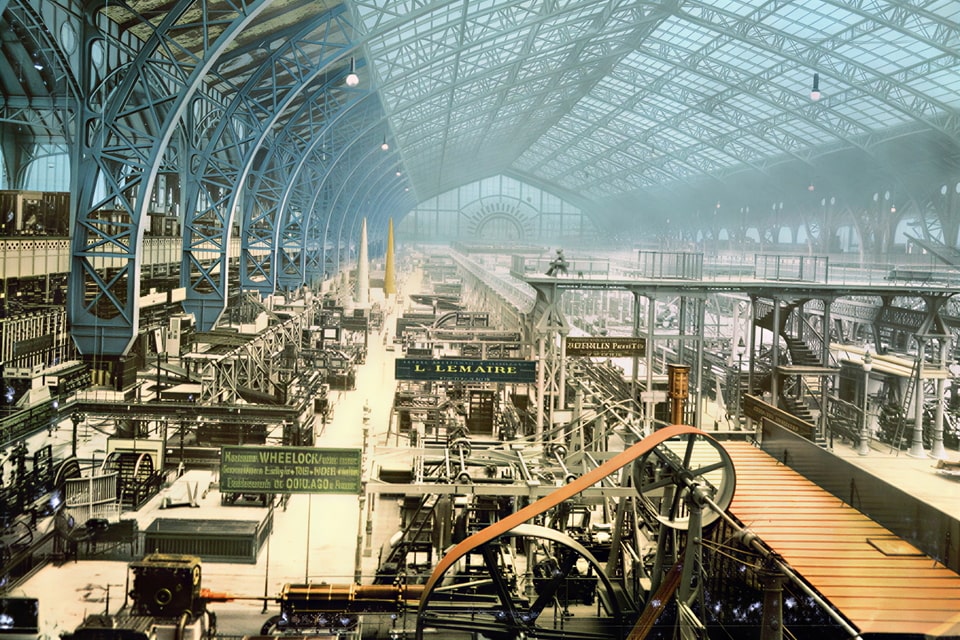
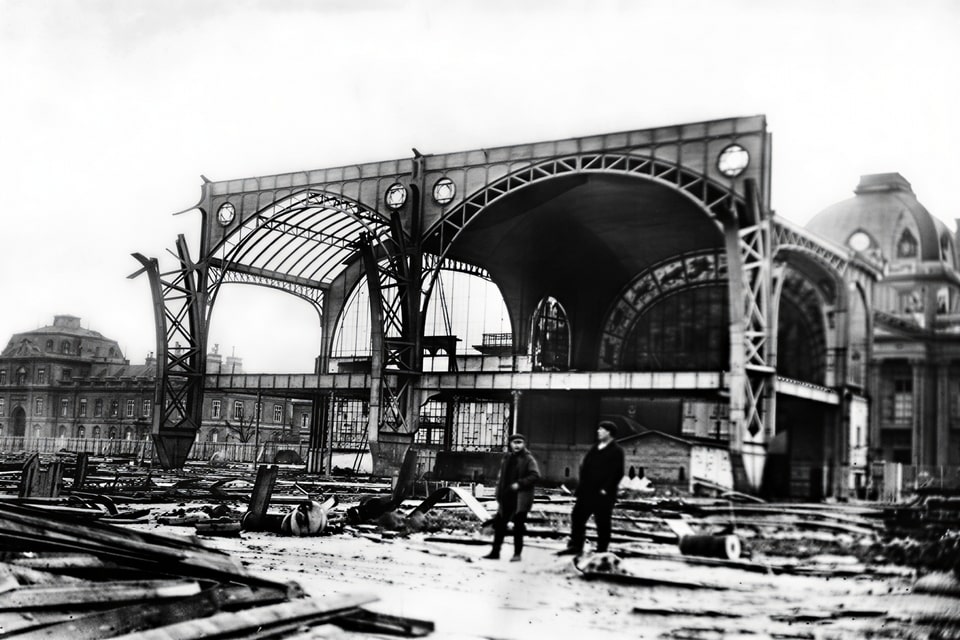
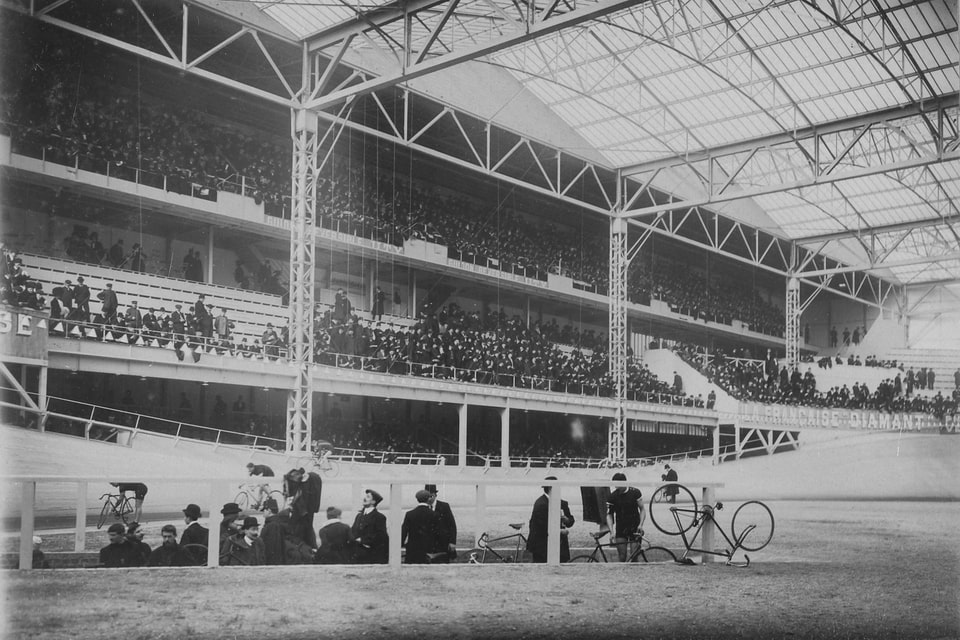
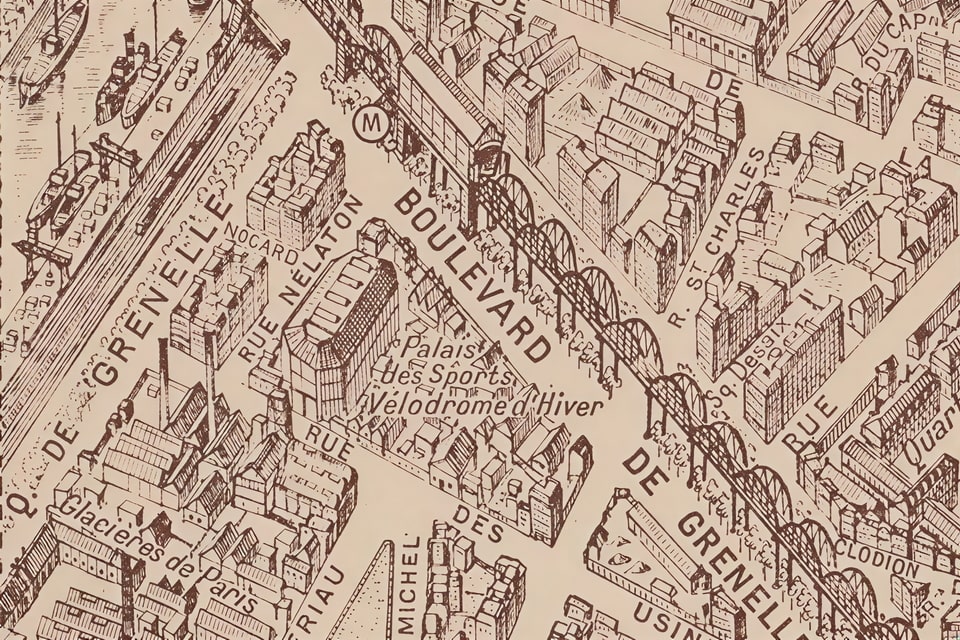
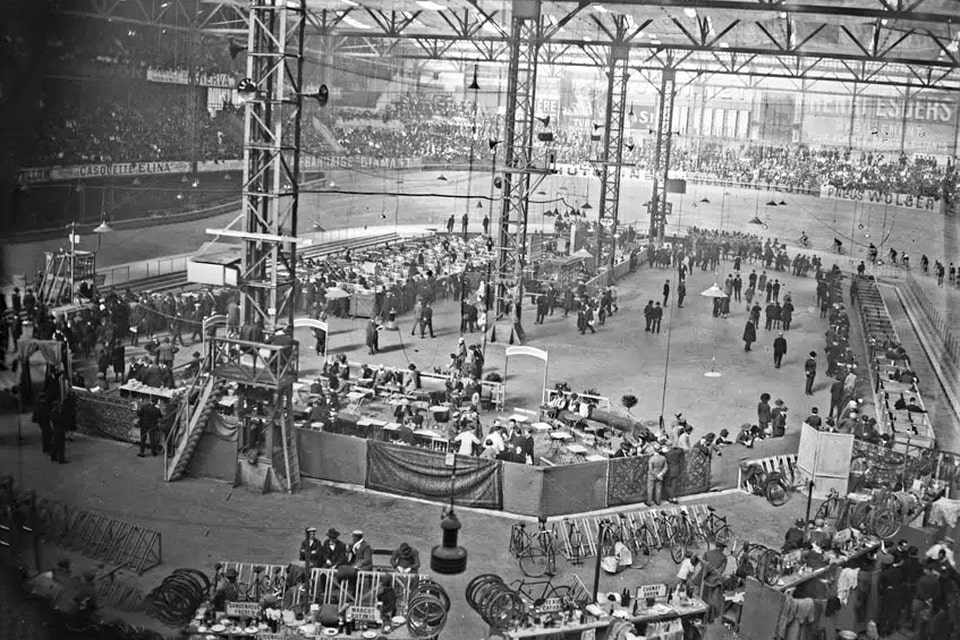
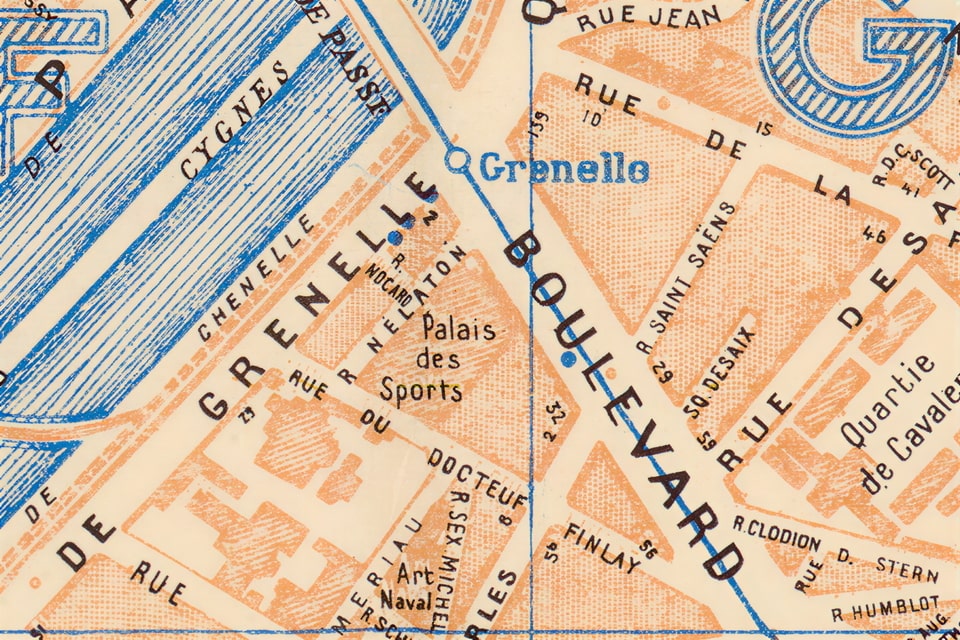
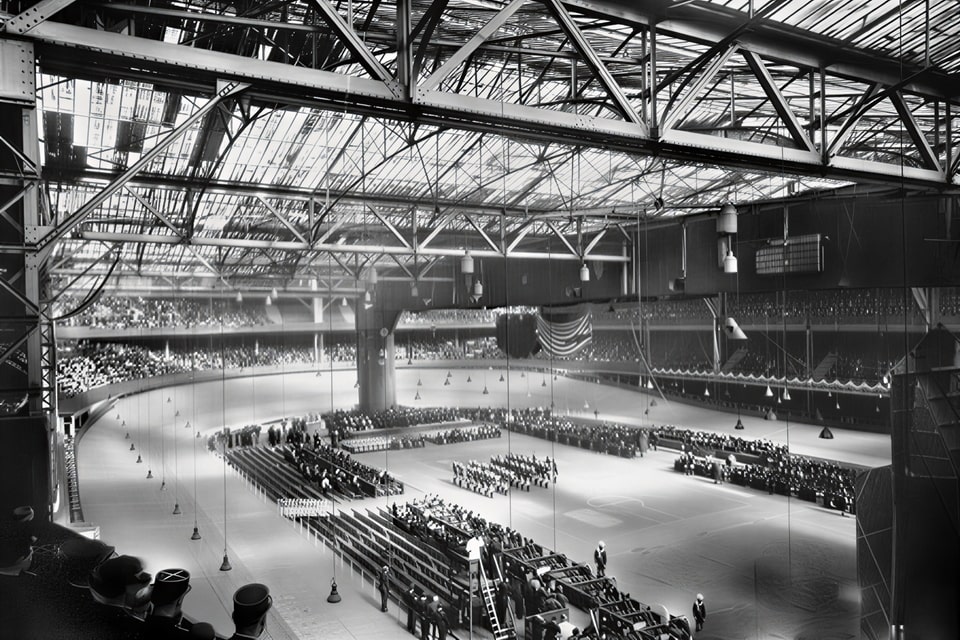
The works lasted only three weeks, and as a result, the first version of Vélodrome d’Hiver was built inside the giant exhibition hall. Despite being 333 meters long, the track occupied only around one-third of the total floor space of Salles des Machines. The first sports competition in the newly built arena was held in December 1903, several months after the very first Tour de France. While the track was called ‘winter track’, in reality, it lacked heating, and the visitors experienced low temperatures inside and inconvenient seats; nonetheless, it was capable of welcoming up to 20,000 people. In the initial competition, just one cyclist was able to complete the designated 16-kilometer distance because of the unusually steep track banking. Five years later, the city council of Paris decided to dismantle the whole Salles des Machines exhibition hall as part of a redesign of Camp de Marc. While the Eiffel Tower remained, the giant hall was destroyed in 1909-1910. The same year, the cycling track was moved to another building at the corner of the boulevard de Grenelle and the rue Nélaton nearby. Gaston Lambert once again acted as the architect of a new cycling arena, which now featured a 250-meter-long track, was illuminated by 1,253 lamps, and had space to accommodate 17,000 visitors.
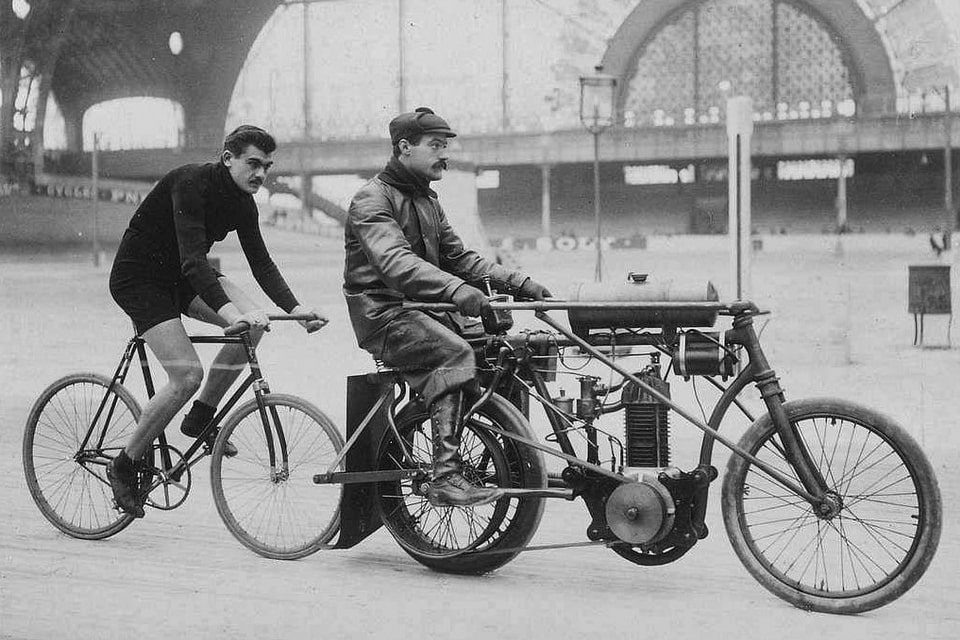
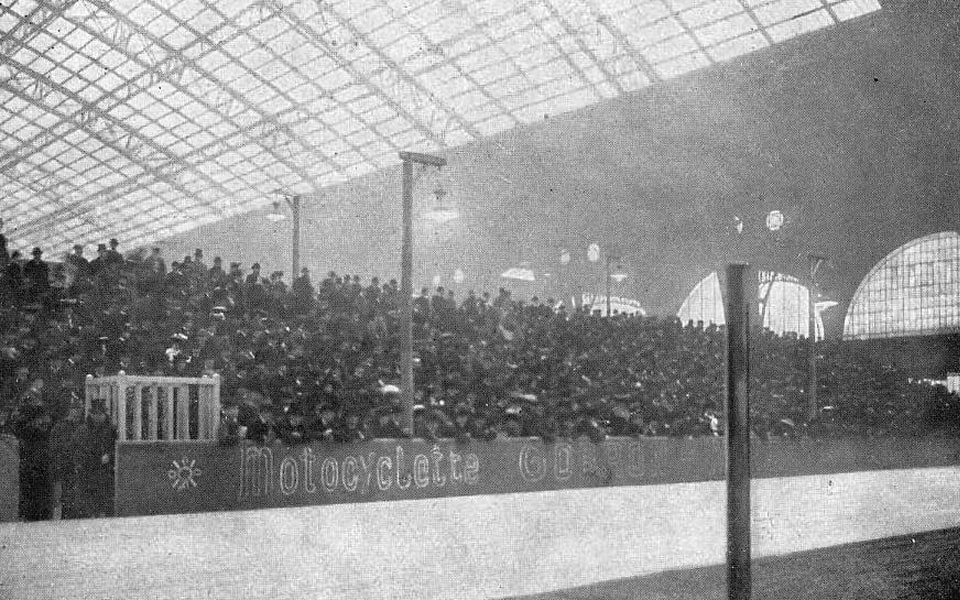
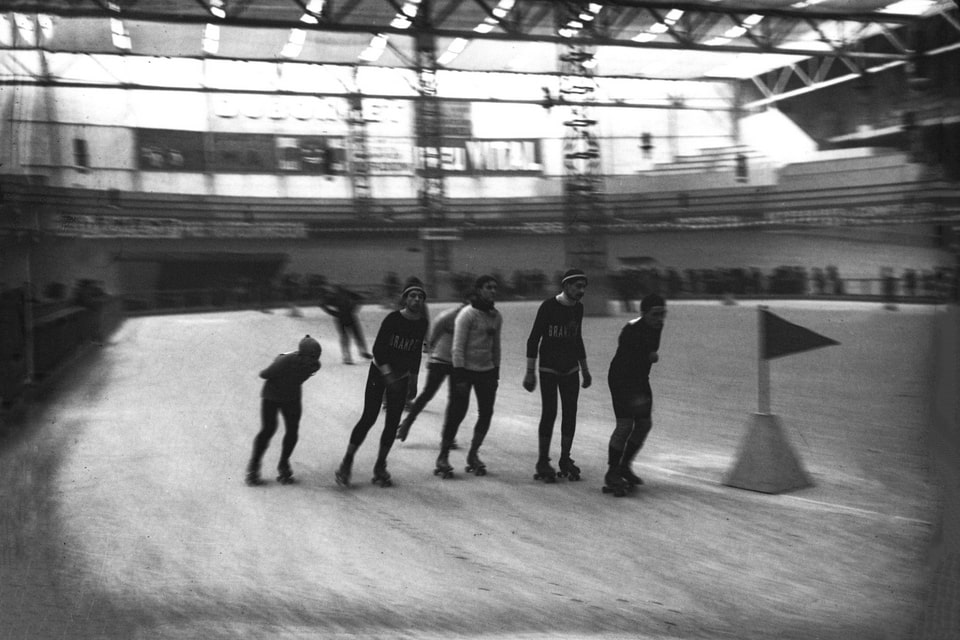
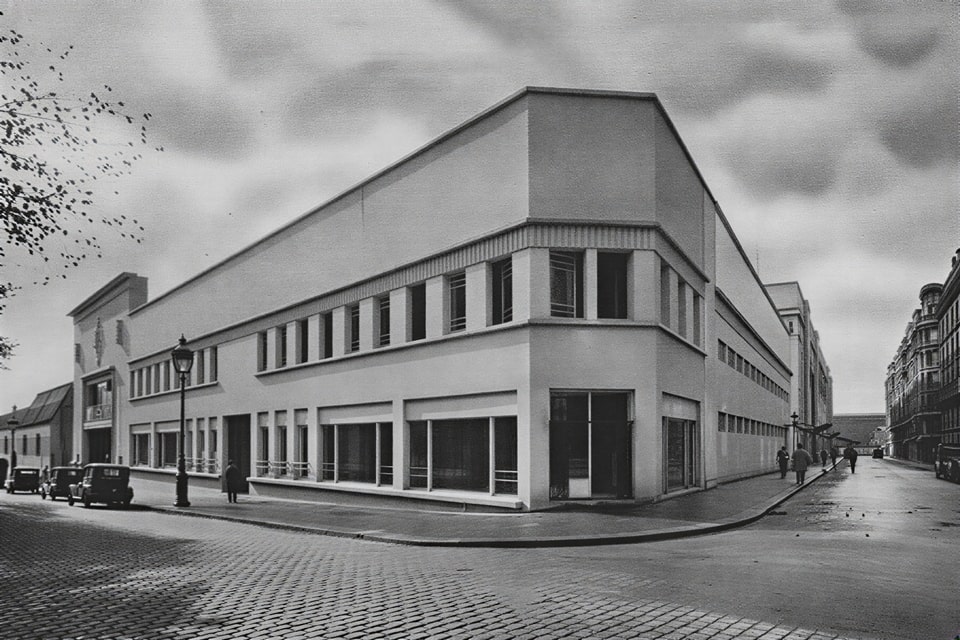
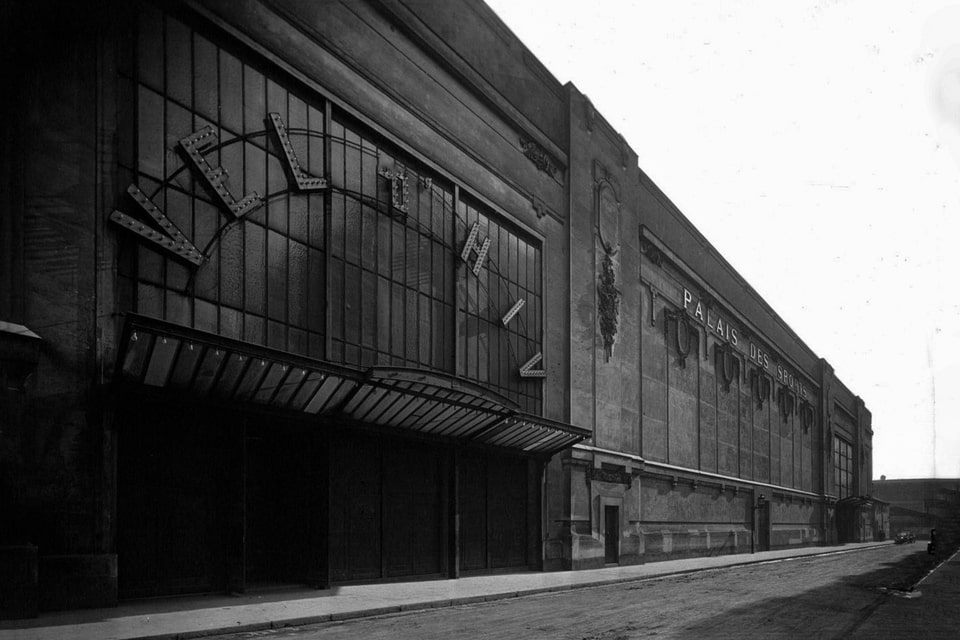
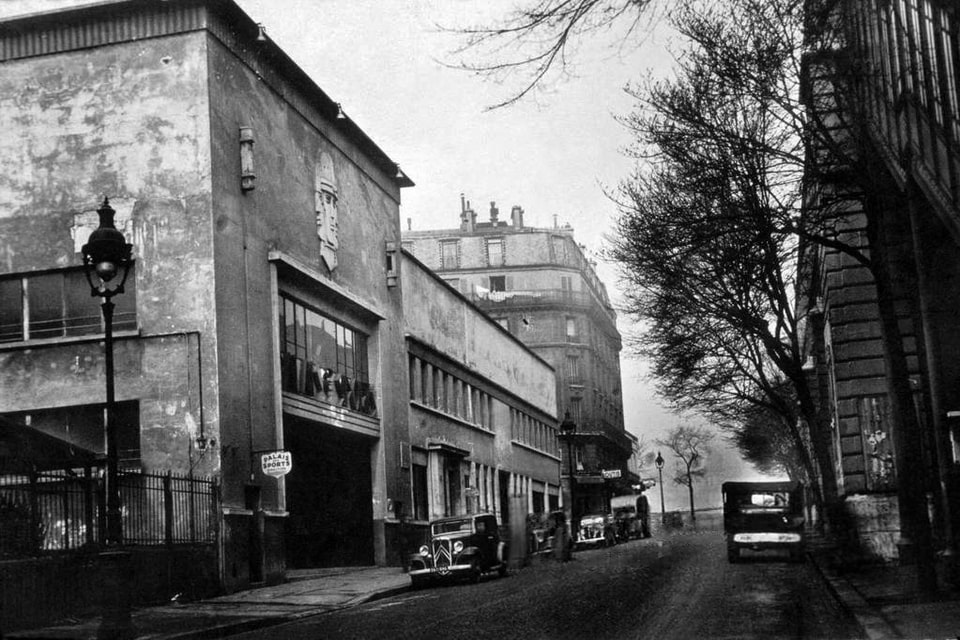
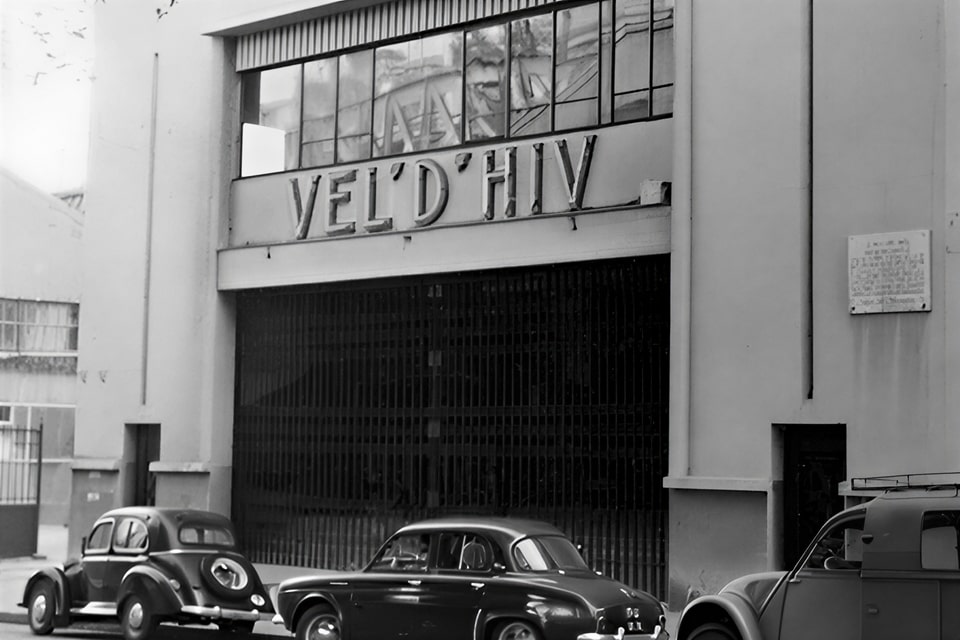
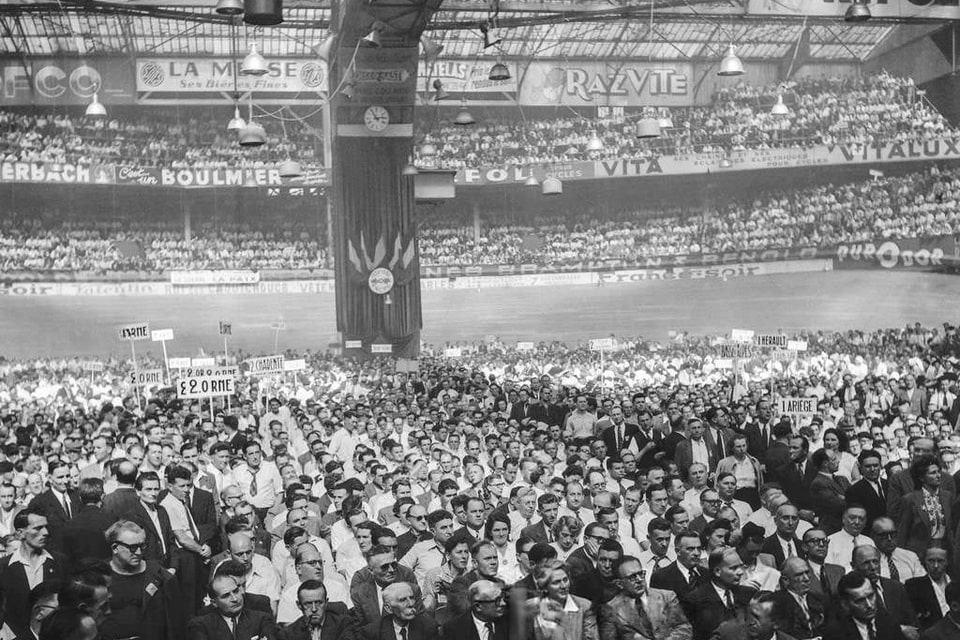
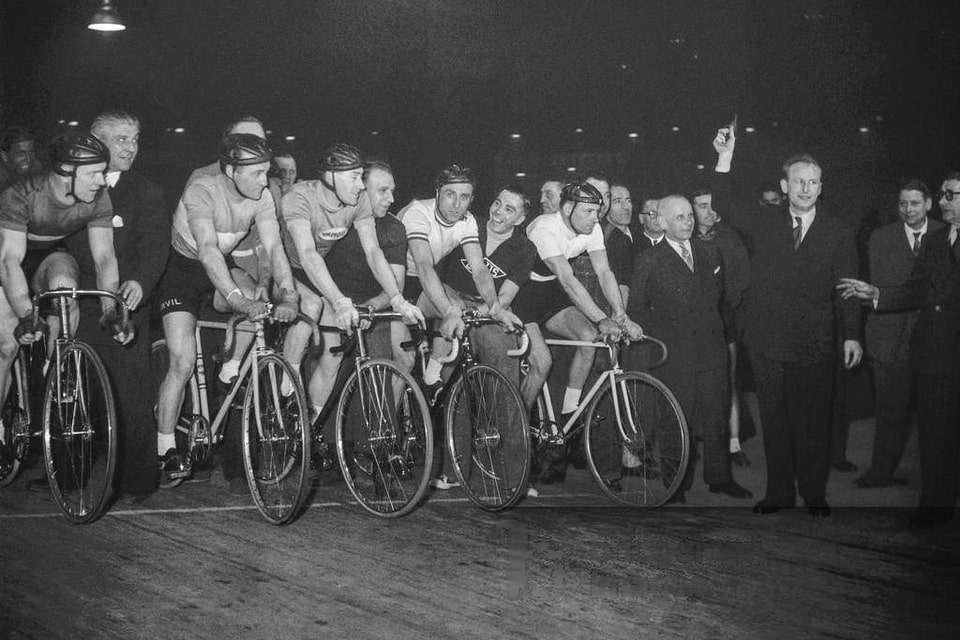
The newly built cycling track came into the spotlight of the sports world in 1913, when it hosted the famous ‘Six-day racing’ event, previously been held a year before in Brussels. The event was a huge success, receiving around 20,000 visitors. The ‘Six-day racing’ was held in 1914, but due to the First World War and its consequences, it came back as late as 1921 to Brussels. Apart from cycling events, Vélodrome d’Hiver in Paris was used for other sports activities and events, such as being one of the arenas for the 1924 Summer Olympics, which was held in Paris. That year, the track accommodated events devoted to fencing, boxing, wrestling, and weightlifting. In the later years, Vélodrome d’Hiver was a favourite destination point of people beyond pure interest in cycling, including Ernest Hemingway, who often visited it during his lifetime in Paris. The 1931 renovation of the building made it more suitable for diversified use, including the addition of an ice rink. The old name was still in use, while in the 1930s it was called “Palais des Sports de Grenelle” (The Grenelle Palace of Sports). Its premises were available for renting.
JEWS IN FRANCE AFTER JUNE 1940: OSTRACISM AND EXCLUSION
When World War Two broke out in September 1939, the Jews in France, especially immigrants from Germany, Spain, and other European countries, had already experienced harsh times of restrictions and anti-immigrant attitudes. Between 1933 and 1939, around 50,000 German Jews found shelter in the French territory, of which only two-thirds were legal immigrants. In the period, the attitude toward the newcomers deteriorated from generally favorable in 1933, when Hitler came to power in Germany, to sometimes xenophobic and hostile in the anticipation of a new war in the summer of 1939. The French population had no specific anti-semitic sentiments, but the influx of the refugees from surrounding countries, and a strong pacifist mood in the society, shaped the hostile anti-emigrant atmosphere at the end of the 1930s. With the end of the Spanish Civil War in the spring of 1939, around half a million refugees crossed the border with France, thus increasing the total number of immigrants in the country to more than 2 million, of which only 50,000-60,000 were Jews from Germany.
Hitler’s aggressive annexations in Europe, especially the swallowing of Austria and a part of Czechoslovakia in 1938, only intensified the anti-immigrant mood and, what was more important, the actions taken by the French government under Edouard Daladier (1884-1970). The devaluation of the French franc and stagnation of the economy, among other measures, pushed the government to undertake harsh measures against the immigrants, thus hoping to improve the employment of French citizens. In November 1938, France adopted the law, which officially allowed the internment of “any individual, French or foreign, considered dangerous for national defense or public security”, a notion that had a broad understanding and fulfillment. Jews, mostly non-French citizens, made up a great share of these targets for internment, which retrospectively looks even more grim, because Daladier’s government refused to condemn the ‘Kristallnacht’ pogrom in Germany, not to spoil ‘good relations with Germany’. While pogroms, looting, humiliation, killing, and imprisonment of Jews in concentration camps raged across the Third Reich, France put thousands of Jews into internment camps. At the same time, in 1938, there were anti-Jewish pogroms in France, particularly incidents in Lille, Rouen, Dijon, and Nancy.
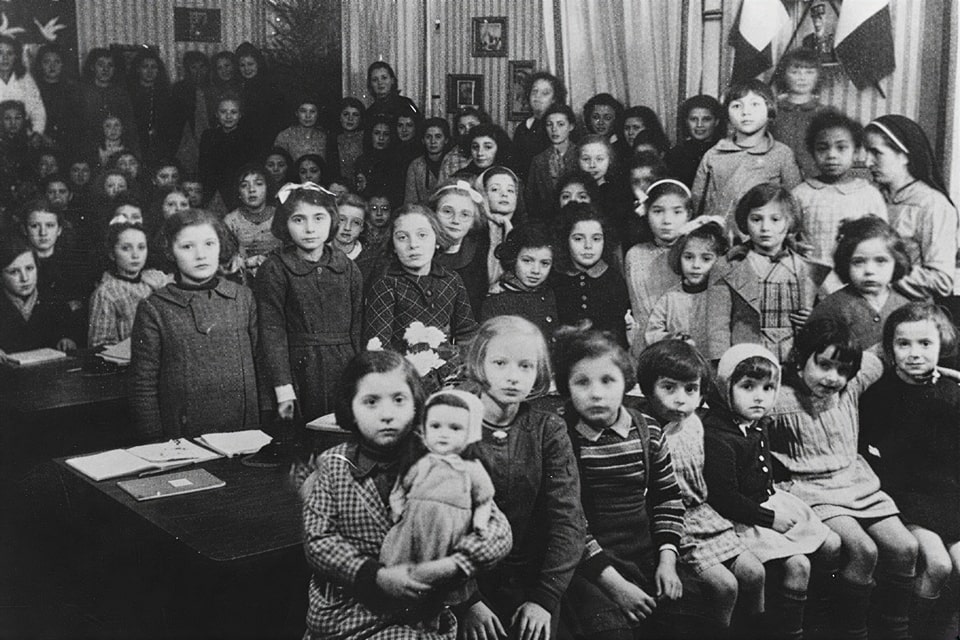
The situation with silencing the response to the pogroms in Germany looked even more grim when French Foreign Minister Georges Bonnet (1889-1973), a leader of the ‘Parti radical’ (Radical Party), accused communists and Jews of undermining the government. Bonnet was an advocate of harsher restrictions on Jewish immigration into France and even regarded the anti-Jewish measures in Germany as potentially suitable for implementation in France. Maybe one of the concerns of Daladier’s government was the 400,000 foreigners who settled in the Paris area. In 1939, when the influx of 500,000 refugees from Spain into France deteriorated the situation further, the government even considered sending thousands of foreigners to their far colonies, such as Madagascar and New Caledonia. Pretty much the same destination would arise once again in 1940, this time among Nazi officials in the Third Reich.
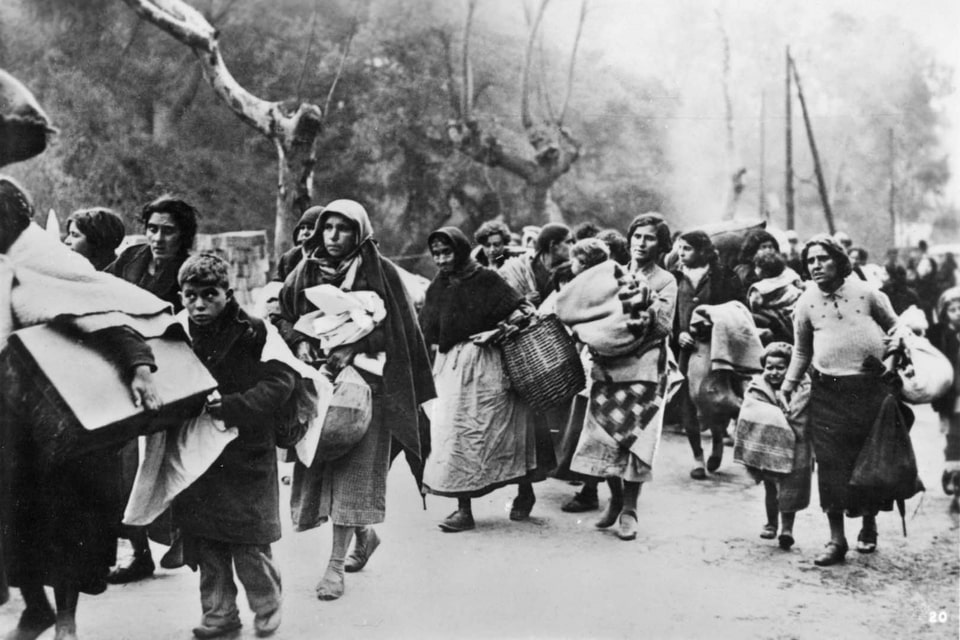
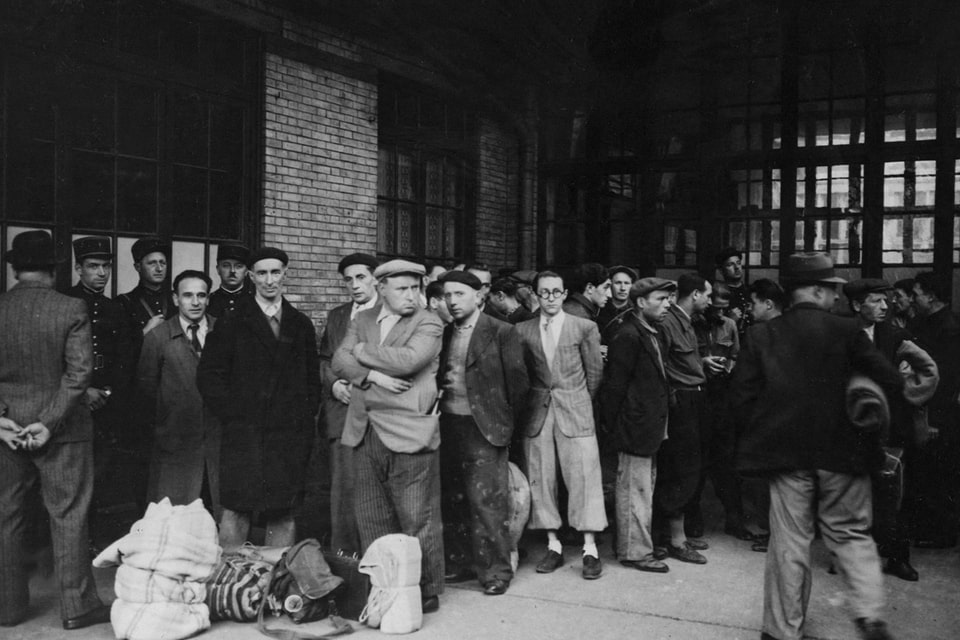
With the outbreak of the war in September 1939, the French government transformed the former internment camps for refugees and undesirable elements into camps and prisons for aliens, mostly Germans, who had previously managed to escape from the Nazi regime since 1933. Erich Maria Remarque’s “The Night in Lisbon” (1962) devoted a great part of its story to this period and circumstances. In months, around 20,000 people were crammed into eight overcrowded camps. The French government struggled to sort ‘friends’ and ‘enemies’ among these interned people, and around 9,000 men later joined the French Foreign Legion to fight against Nazi Germany. Of the remaining in the camps, thousands were released as a result of intensive criticism inside the country and from abroad, and by February 1940, only 6,428 remained in the camps with improved sanitary conditions. With the onset of the German offensive in May 1940, around 8,000 Germans inside the country were arrested and interned, of whom 5,000 were Jewish refugees.
The signing of the armistice between Germany and France on June 22, 1940, broke the country into at least two parts. While on paper, the French government possessed sovereign control over both zones, in reality, the Germans now controlled around two-thirds of France in the North, with Paris and the whole Atlantic coast included. Along with that, the Germans possessed a special view over Alsace-Lorraine, which they did not officially annex in 1940, but later issued decrees and laws extending their control over the territory. Speaking French was strictly prohibited, and starting from October 1942, the Alsace-Lorraine men were drafted into the Wehrmacht. On June 23, the British government declared that it did not regard France as a sovereign state anymore, which was completely true. Two days later, the elderly French Marshal Philip Pétain addressed his countrymen on the radio. He tried to diminish the consequences of losing the war and capitulation by calling people not to fix on the past but to look to the future. The old defeatist man called the French people to start a new life based on ‘Travail, Famille, Patrie’ (Work, Family, and Fatherland), which was meant to be achievable through the close collaboration with the Germans. Petain’s call to ‘National Revolution’ meant not a struggle against the invaders or a pursuit for dignity, but shrinking into oneself with a careful eye on the past.
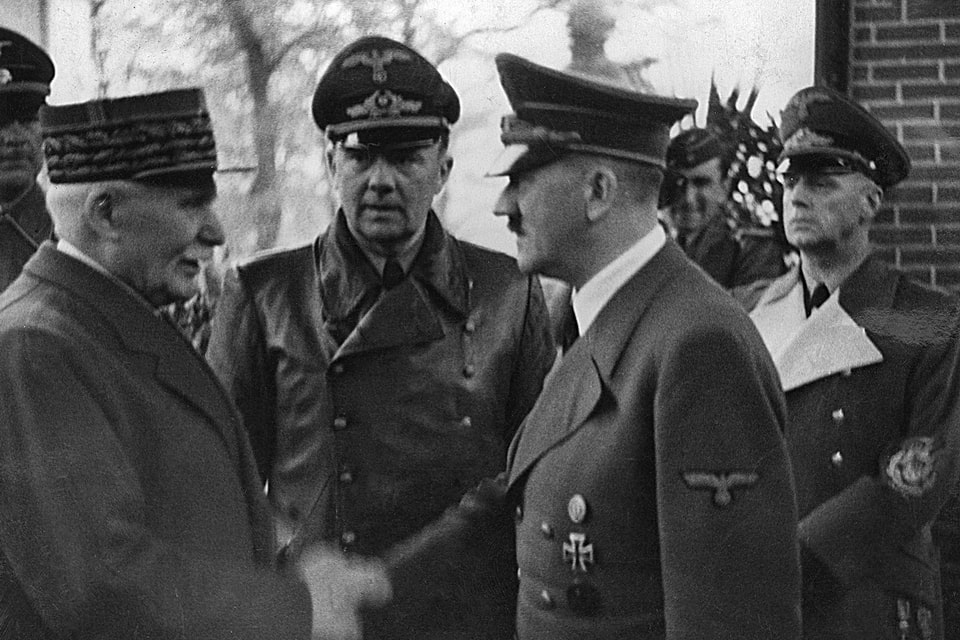
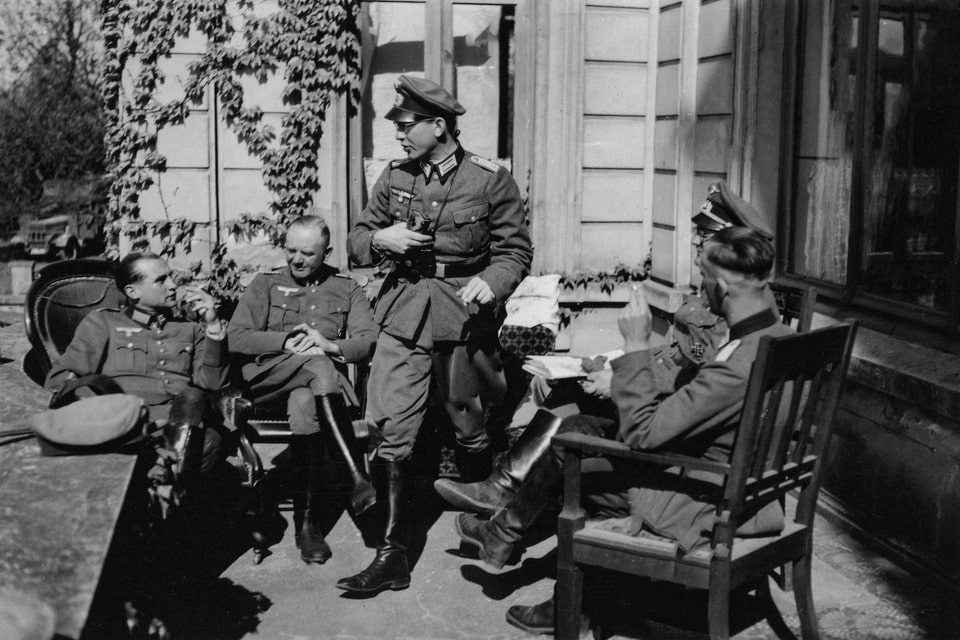
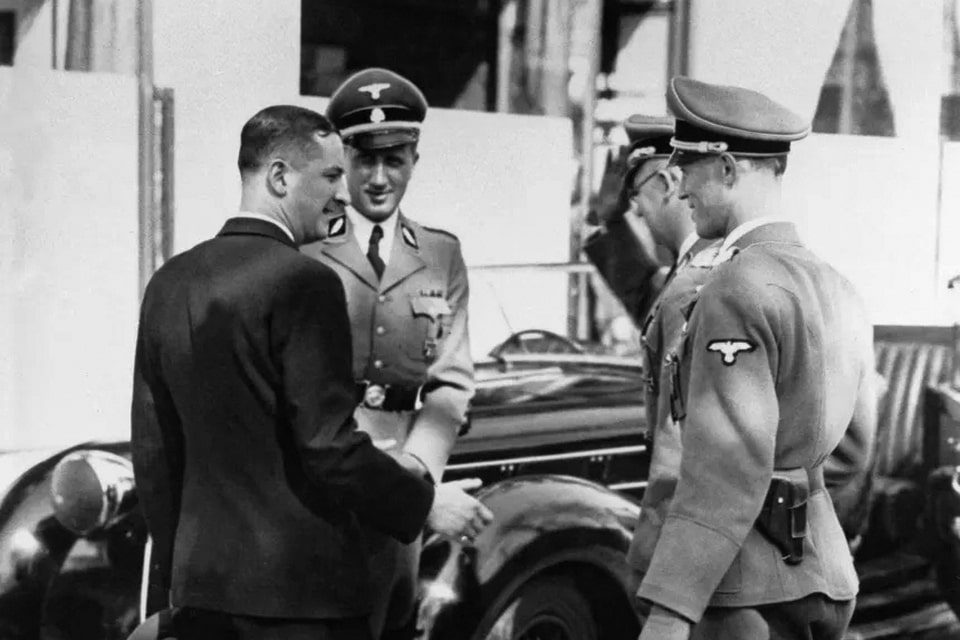
Getting back to the words of Marshal Petain about family and fatherland, in Orwell’s manner, not everyone was an equal member of the French community in the eyes of the newly established puppet Vichy government under Petain. Like other totalitarian states, Vichy became obsessed with groups of people whom they considered their enemies, or at least not desirable elements. Starting from July 1940, it institutionalized and legalized a state policy of exclusion, stripping people of their rights, jobs, and property, and this process had not as large an influence on the Germans as is usually assumed. With time, the exclusion of communists, Jews, Gypsies, and Masons shaped the nature of the shameful Vichy regime. The first important discriminatory law was passed on July 22, 1940. Known as ‘Loi portant révision des naturalisations obtenues depuis 1927’ (Law revising naturalisations obtained since 1927) or simply the ‘July 22, 1940 Law’. Between 1940 and 1943, it was used to revoke the citizenship rights of 15,000 people, among them 6,000 Jews out of 539,000 French citizens who were naturalized since 1927. At the same time, the Vicy government stripped all state officials of previously held immunity and could now fire anyone from public services. Among the arguments for this exclusion was the lack of a French father, which greatly affected recently naturalized citizens and Jews.
The July 22 law was only a starting point for the state policy of social ostracism. On September 27, Vichy adopted a new restrictive law aimed at refugees without citizenship, allowing the government to put males between eighteen and fifty-five into work camps in excess of the national economy. This precedent law later allowed the government to use the camps more broadly, targeting undesirable groups of people. While these first juridical justifications of exclusion and persecution in France did not officially target Jews, October 1940 witnessed the adoption of a few laws aimed particularly at the Jewish people. ‘Le Statut des Juifs’ (Jewish status law) defined broadly who was a Jew and expelled this group of people from a wide array of public and even private jobs, including the army, press, and radio, educational sectors, and others. The same month, Jews in Algeria were stripped of French citizenship, which they had gained in 1870. Another law allowed the immediate interment of foreign Jews in the camps. All those laws were signed by Marshal Petain, though he was reserved in speaking openly anti-semitic, probably because of a fear of losing public support. On the other hand, in more private matters, the elderly Marshal was clear in his views, for example, saying to Grand Rabbi Schwartz in March 1941 that the Jews were not French citizens because of their supposed minor role in the country’s rural life.
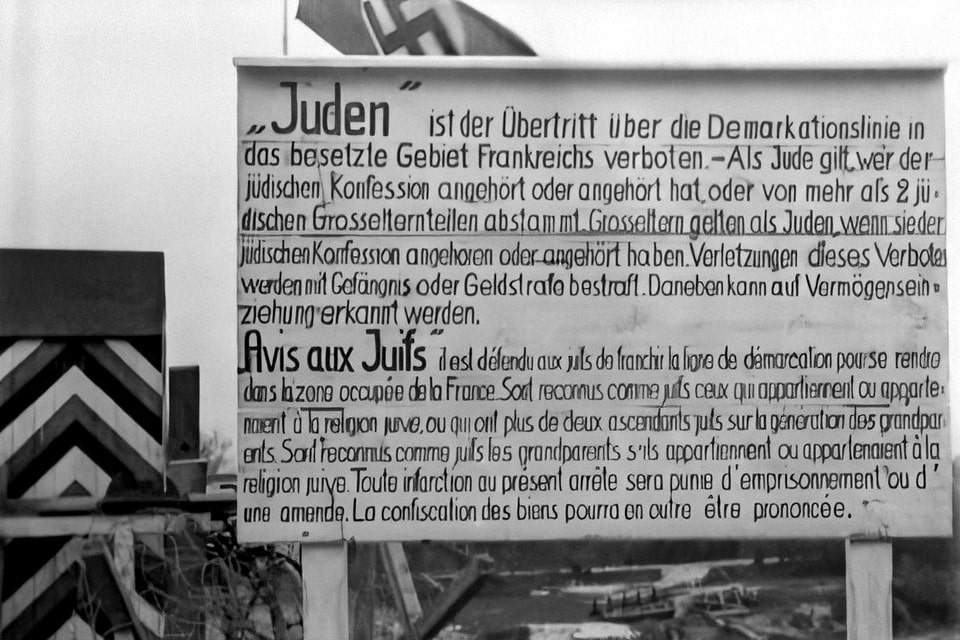
Despite introducing criteria of how to define who was a Jew in France, the Vichy government was not as effective in this issue as was the German side, and on June 2, 1941, they had to adopt a new law. The so-called ‘The Second French Statute on the Status of Jews’ replaced the one adopted on October 3, 1940, and allowed for a broader definition of Jewness, thus extending the spheres of life and jobs from which Jews were excluded. The new legislation covered both the South zone and the occupied zone in the North, as well as Algeria, in total targeting around 150,000 people. While previously, the heroes of the First World War, particularly those who received the Legion of Honor, had protection from firing, the new law limited the exceptions by introducing the foggy ‘exceptional services’ clause. The new anti-Jewish legislation followed on June 21, 1941, with limitations for the Jewish students, who were now limited to only three percent of all recipients of higher education. On July 16, the government passed a law limiting Jewish lawyers to only two percent.
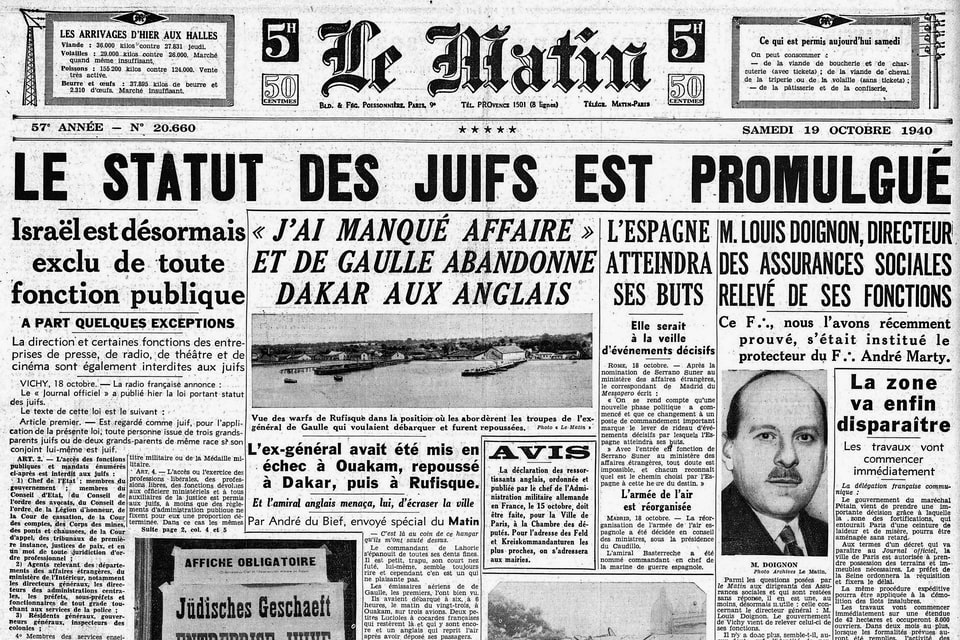
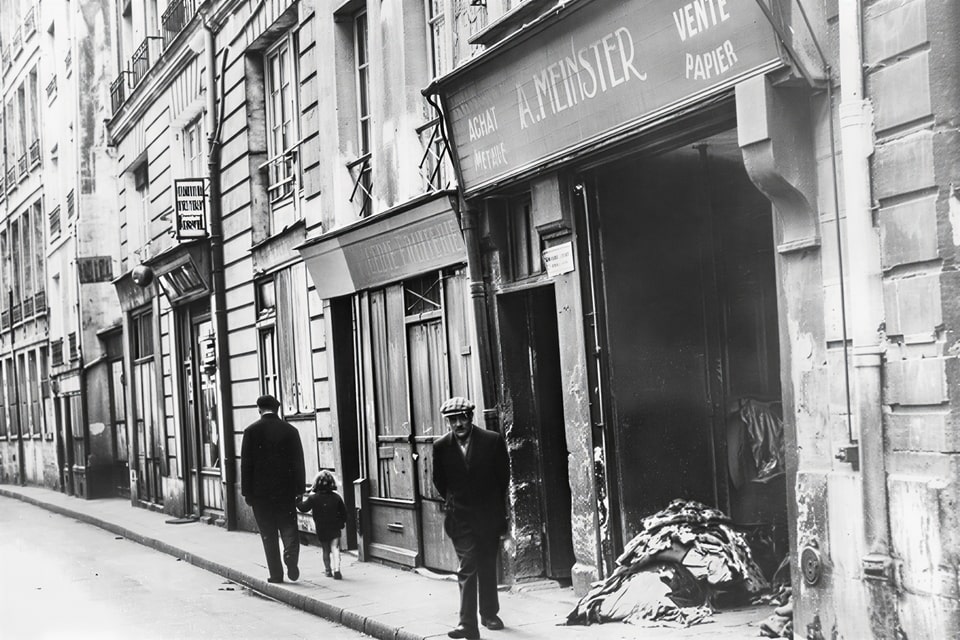
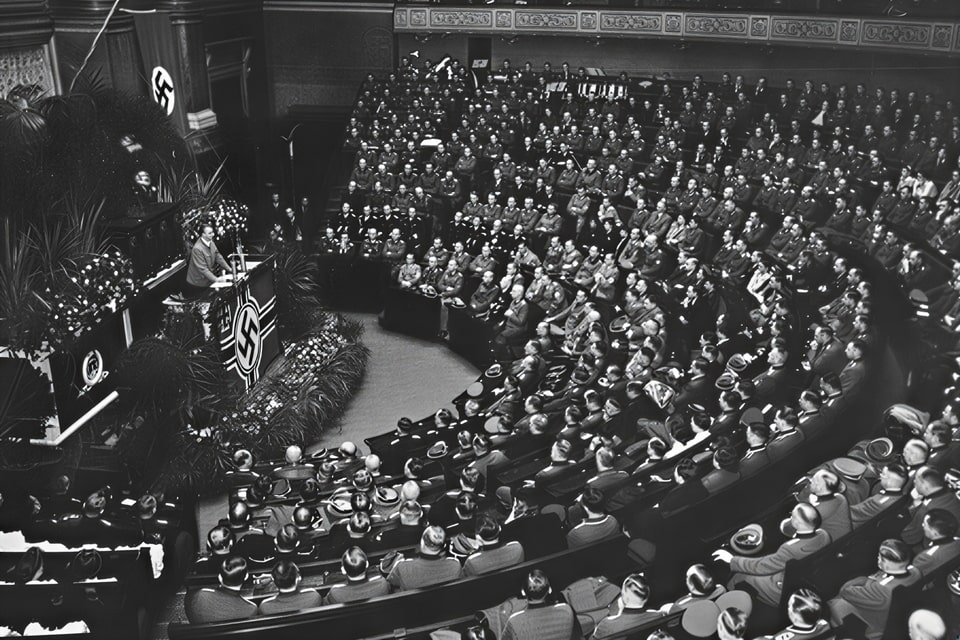
What came next was a brutal process of expropriation, hidden under another false euphemism: the elimination of all Jewish influence in the national economy, a law adopted on July 22, 1941. The Jews were ordered to register all their property, and it was put under the control of ‘administrators’. This process was a reflection of the German measures adopted in the Occupied Zone. The Vichy officials forbade Jews from acquiring new property, commercial or private, and restricted their rights to change names, thus preventing getting around the law. Stripping the Jewish population of their property and money allowed the Vichy bureaucrats to steal 2.6 million Francs in 1941 and, in total, 8 million by September 1942, by expropriation of the property of nearly 4000 Jewish businesses. This ‘aryzanization’ became an example of cooperation between the puppet government and the Germans in the North. According to modern estimates, between 1941 and 1944, around 17,000 businesses were taken from Jews out of an estimated 45,000 in France. The process of Aryanization in France did not produce great concern among non-Jews.
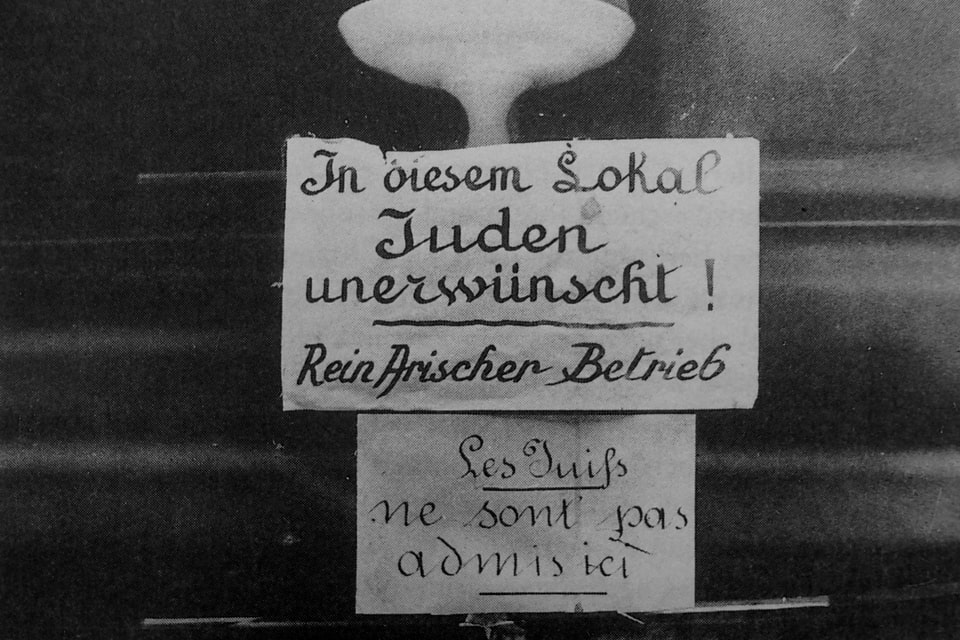
THE CITY UNDER THE NAZIS: THE JEWS OF PARIS
To understand clearly what happened in July 1942 at Velodrome d’Hiver in Paris, it is important to point out several figures. The Jewish community in France numbered around 300,000 in June 1940, or less than 1 percent of the country’s population of 43 million citizens. Only about half of those people were immigrants and refugees. Of the remaining 150,000 Jews with French passports, 90,000 were naturalized men and women, whose families had lived in the country for several generations. The remaining 60,000 got citizenship since the 1920s, thanks to the relaxation of the laws. When the Germans unleashed their offensive in May 1940, around 175,000 Jews lived in the Paris area, and after tens of thousands immigrated to the South Unoccupied Zone, around 150,000 remained, including an estimated 64,000 without citizenship.
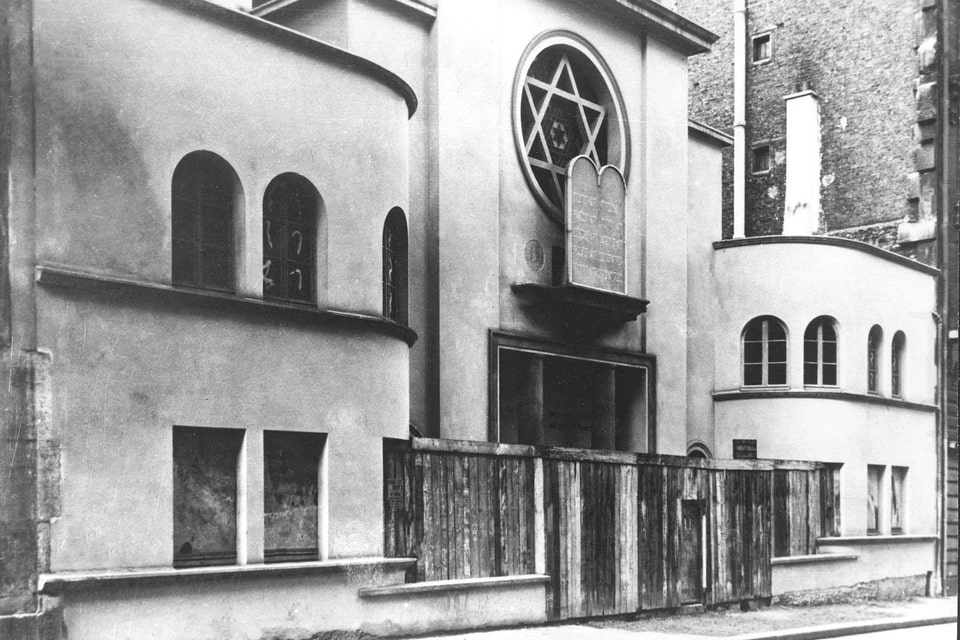
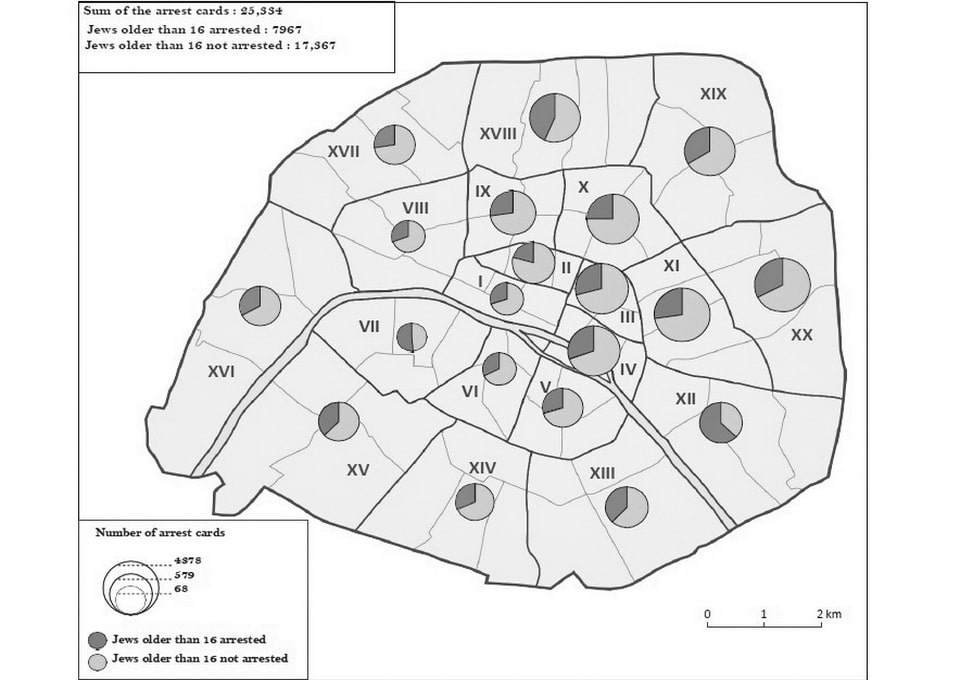
Taking into consideration the distribution between highly assimilated Jews with citizenship and recent immigrants, the Jewish community of Paris was not homogeneous. Families who lived in the capital for several generations mainly lived in the respectable Western part of the city in the 8th, 16th, and 17th arrondissements between the Seine and the Bois de Boulogne Forrest. Many of them did not identify themselves as Jews anymore, and only a small percentage still practised Judaism, largely on holidays. For obvious reasons, immigrants from other European countries, especially from the East (Czech, Ukrainian, Polish, Armenian Jews), were accommodated in the buildings of poor conditions with lower rent, and often large families lived in small apartments in the 1st, 2nd, 3rd, 4th, 11th, 19th, and 20th arrondissements, scattered across Paris. Many of the emigrants were not necessarily communists, but often leftists and strongly anti-fascists and Zionists, some of them politically active before the war. Before the occupation, dozens of newspapers were available in languages that the Jewish population spoke, including Yiddish. A large percentage of the immigrants, around 60%, were craftsmen and artisans, while educational, cultural, language, and ethnic differences among them were evident.
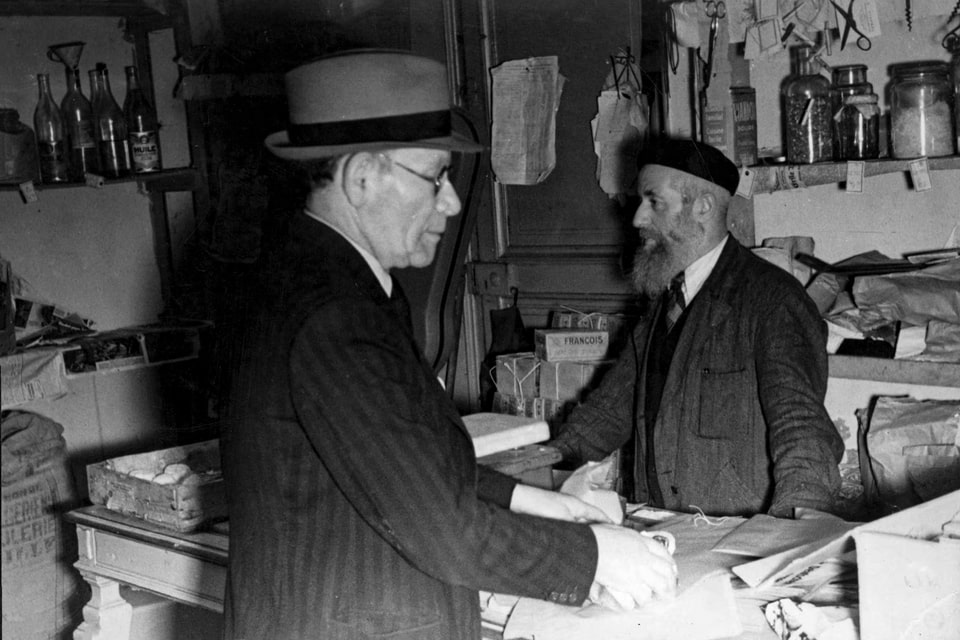
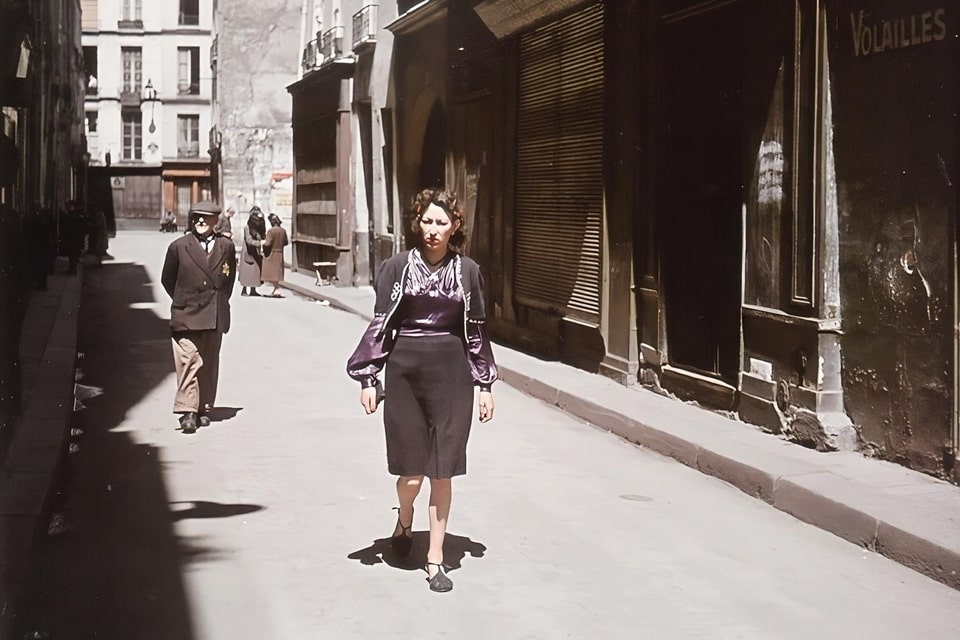
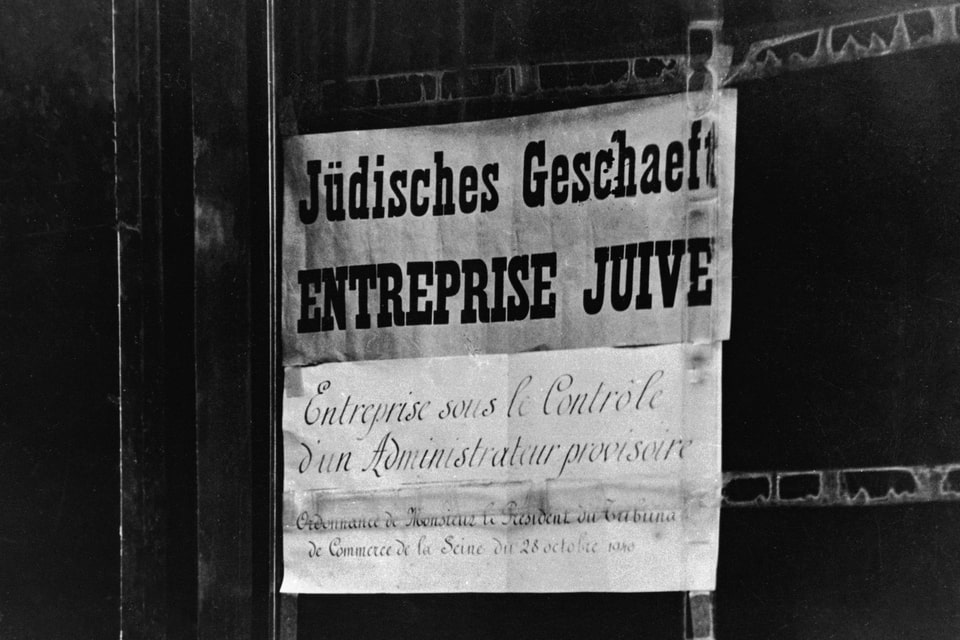
The large Jewish population in Paris became a point of interest for the right-wing press in the 1930s, though they never possessed such wealth and power in the city, as the anti-semites and conservatives tried to picture. When the war between France and Germany broke out in September 1939, thousands of former refugees from Germany and Austria were interned in the camps. Many of them would become an easy target for the Nazis when they came to France in June 1940, especially communists, Socialists, members of the labor unions, and Jews. While the Vichy Government issued its first primarily anti-Jewish law in October 1940, the Germans were faster, issuing an ordinance defining the Jews in the Occupied Zone as early as September 27. According to it, all Jews were obliged to register themselves at the local police station not later than October 20, 1940. It may come as a surprise, because we retrospectively know the following events, that around 150,000 people registered themselves as Jews in those months in Paris. The Jewish business owners were also obliged to put two languages on their stores, meaning ‘Jewish Business’ (‘Entreprise Juive’ and ‘Judisches Geschaft’).
The Germans initiated their process of ‘Aryanization’ of Jewish property in the Occupied Zone much earlier than the Vichy. Starting as early as October 1941, the property and business of those Jews who left or were arrested were taken by the occupational authorities. In May 1941, the Jews were forbidden from using their bank accounts, and in August, they were obliged to give up their radio receivers to the local police stations and were strictly forbidden from owning another. Since the Jewish population was stripped of many professions, by the summer of 1941, half of them were left without means of living. In December 1941, the renewed telephone book of Paris contained around half as many ‘Jewish’ names as in the pre-war 1939, due to migration to Southern France, moving to the rural areas, arrests, and deprivation of property. The Jewish population of Paris, especially assimilated families with citizenship, was disguised not only by the new legislation and limitations, but also by German campaigning of anti-semitism aimed at the non-Jewish population.
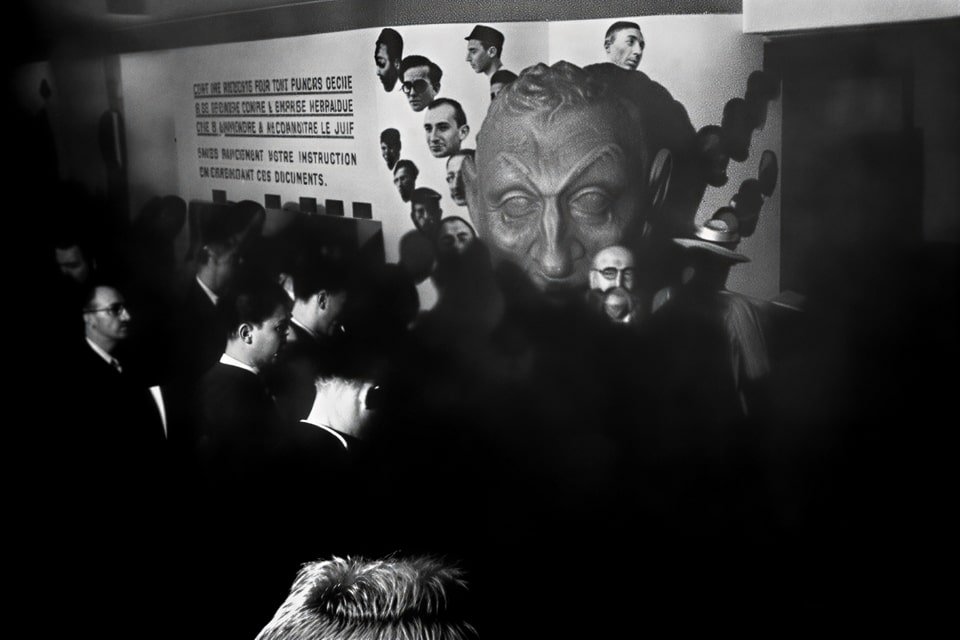
The shameless exhibition called ‘Le Juif et la France’ (The Jew and France) was organized in the well-known Palais Berlitz in the 2nd arrondissement in September 1941. While the event was sponsored and masterminded by the Germans, at its core was a notorious book called ‘Comment reconnaître le Juif? (How to recognize a Jew?) written by a French scholar, George Montandon (1879-1944), a racist and an advocate of eugenics, in November 1940. The idea of the exhibition was to show the inferiority of the Jewish race and to ‘teach’ the French how to identify the Jews, even those who changed their names. On the German side, the exhibition was supervised by Theodor Dannecker (1913-1945), one of the bureaucrats of the ‘Final Solution’ under Adolf Eichmann, and Carltheo Zeitschel (1893-1945), an adviser on ‘Jewish affairs’ in France and one of the organizers of deportations. Each of these three men got what they deserved. Montandon was killed by the French resistance fighters for his collaboration, Dannecker committed suicide, and Zeitschel was killed by Allied bombs in Berlin. ‘Le Juif et la France’ worked between September 5, 1941, and January 15, 1942, and attracted more than two hundred thousand visitors. including some Jews. A documentary film version was released in French cinemas in October 1941. Another shameful film in the cinema of Paris that year was the German ‘Jud Suss’. Despite being watched by more than a million French until 1944, the release of the movie awoke public protests, especially among the young generation. In parallel, in October 1941, the Germans organized attacks on six synagogues in Paris.
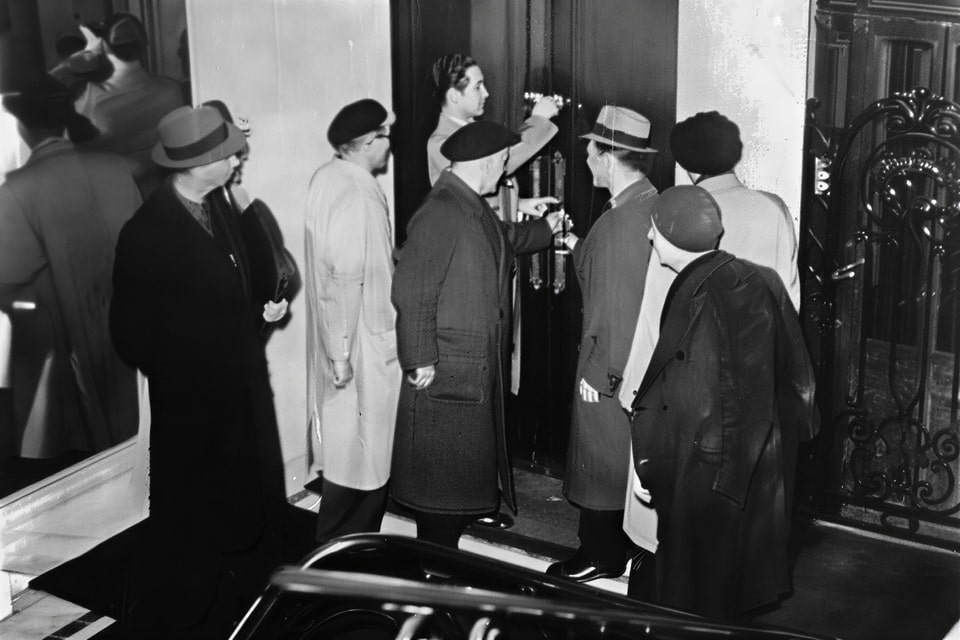
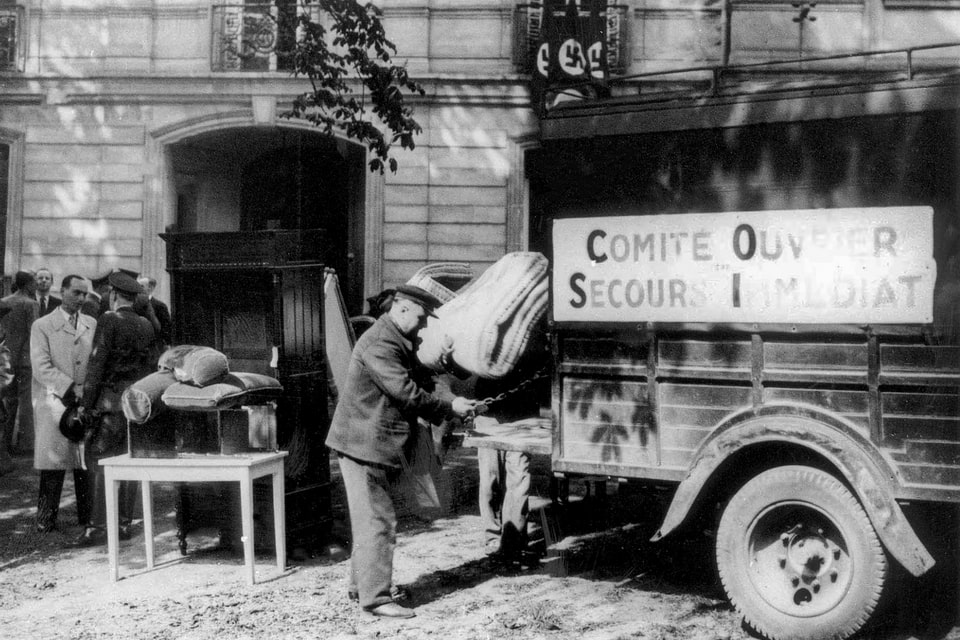
As was said before, the Jewish population of Paris was slowly shrinking for several reasons. Those who left the Occupied Zone were forbidden from returning, though a few of them wanted to come back. A small percentage of Jews, who still possessed money and property, managed to flee France to neutral countries: Switzerland, Spain, and Portugal. Forbidding Jews from changing their names or using pseudonyms, and more strict measures on the demarcation line between Northern and South France, soon made fleeing to the Vichy zone problematic. Despite anti-semitic exhibition and leaflets on the walls of Paris, there were other graffiti on the walls, and they were anti-German, but to no effect. Apart from anti-Jewish laws, which were released every month, Jews were also deprived of their property in different ways, often even without arrests. Popular targets were the wealthy Jews, who owned well-furnished apartments and even art galleries. Large mansions and apartments were confiscated en masse, and when the owners were evicted, they were not permitted to take out valuables or even personal things like family portraits, photographs, or children’s toys.
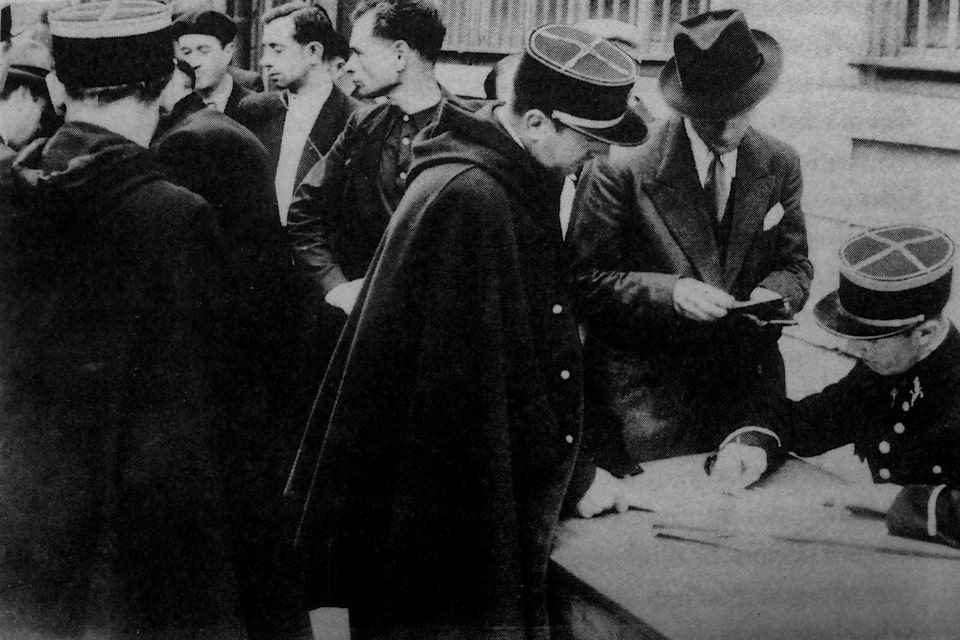
While the mass roundups of Jews in Paris in July 1942 are largely known, the earlier ‘Judenaktion’ in 1941, though it did not end in the death camps like Auschwitz, set a precedent for such actions, inspired or ordered by the Germans and performed mainly by French policemen. The first such action in Paris came into history infamously as ‘billet vert’ in German, ‘rafle du billet vert’ in French, or ‘Green ticket’ in English. The plan was sophisticatedly deceptive. In early May 1941, 6694 Jewish men in Paris, most of them unnaturalized Polish and Czech immigrants between eighteen and sixty, received an instruction printed on green paper, ordering them to present themselves on May 14 under threat of severe actions in case of nonexecution. Considering this as a mere bureaucratic procedure, around 3,700 men arrived at one of the five locations printed and were immediately arrested upon arrival. They were taken to the local train depot and sent to two internment camps: Pithiviers and Beaune-la-Rolande. While several hundred managed to escape the internment or were released on health reasons in the following months, the remaining men were sent to Auschwitz in the summer of 1942, where most of them perished.
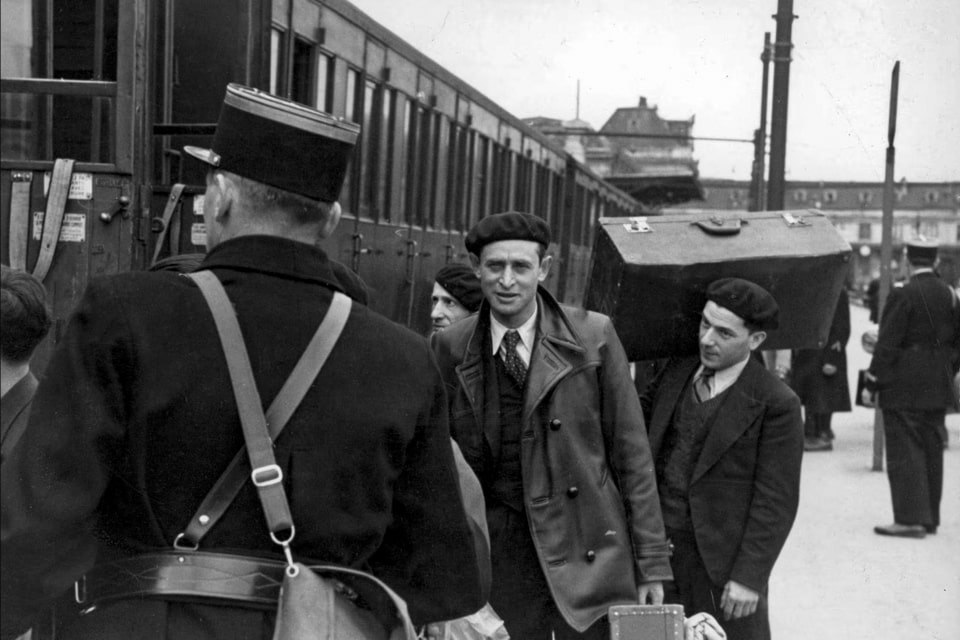
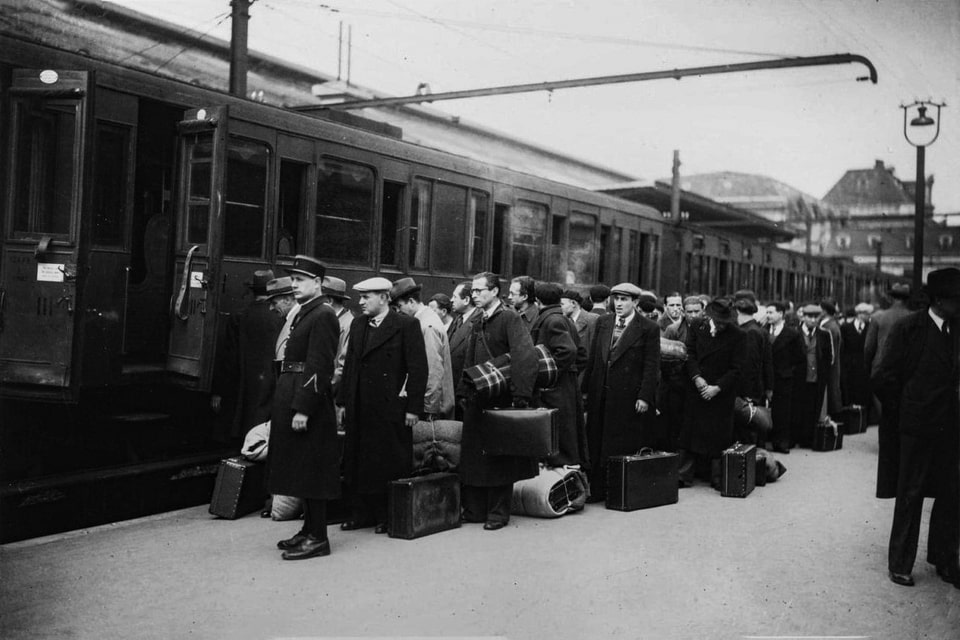
Pithiviers camp was set at the beginning of World War II, first as a temporary accommodation for the French families who came as refugees from Paris; then it was used to detain German prisoners of war, and after the armistice, French POWs were held here. The camp was located in the Northern part of the Unoccupied zone controlled by the Vichy government. Beaune-la-Rolande camp had initially the same origin and purpose, built for the detention of the German POWs before the defeat of France. Both camps were later used as transit facilities before sending Jews from France to the east, mostly to Auschwitz for extermination. Jews were also among the targets of lesser-known and organized actions in Paris; for example, when, in ten days in July 1941, French police arrested 750 men in the city, of whom at least 110 were identified as ‘foreign Jews’. Another mass anti-Jewish roundup in Paris erupted on August 20-21, 1941, with the arrest and deportation of 2,894 men, and another 3,477 men followed in the September action. The fourth large action was undertaken in December 1941, this time solely by the Germans. In the same months, forty-three Jews from Drancy were executed at Mont Valerian. Thus, the four large anti-Jewish actions in Paris conducted throughout 1941 resulted in the arrest and deportation of more than 10,000 Jews, most of them immigrants without French citizenship, thus laying a path to the infamous July 1942 Velodrome d’Hiver roundup. A great share of the deported Jews were Polish immigrants, while Hungarian Jews, for example, were spared until 1944, during the German occupation of Hungary.
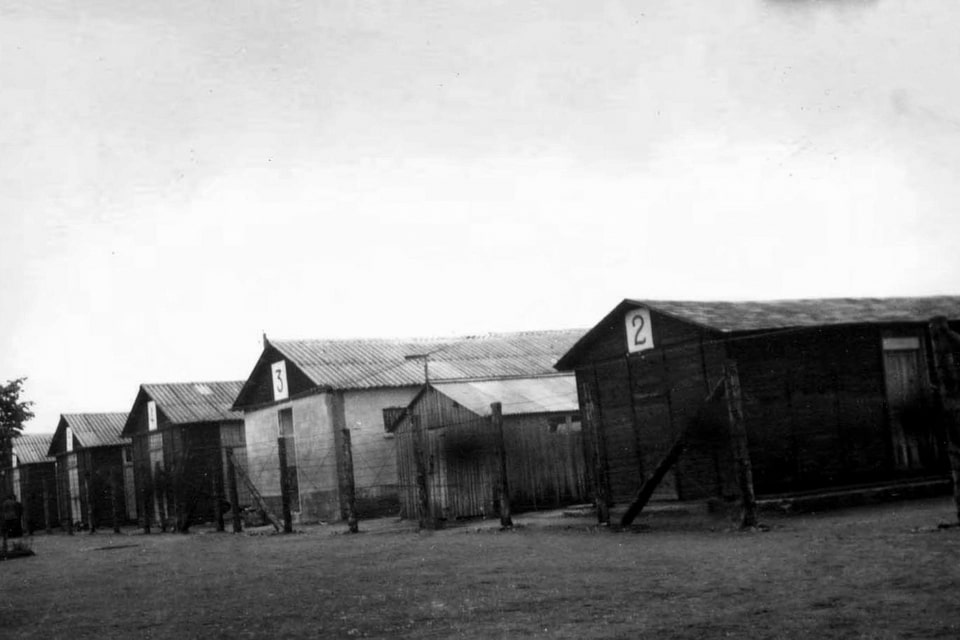
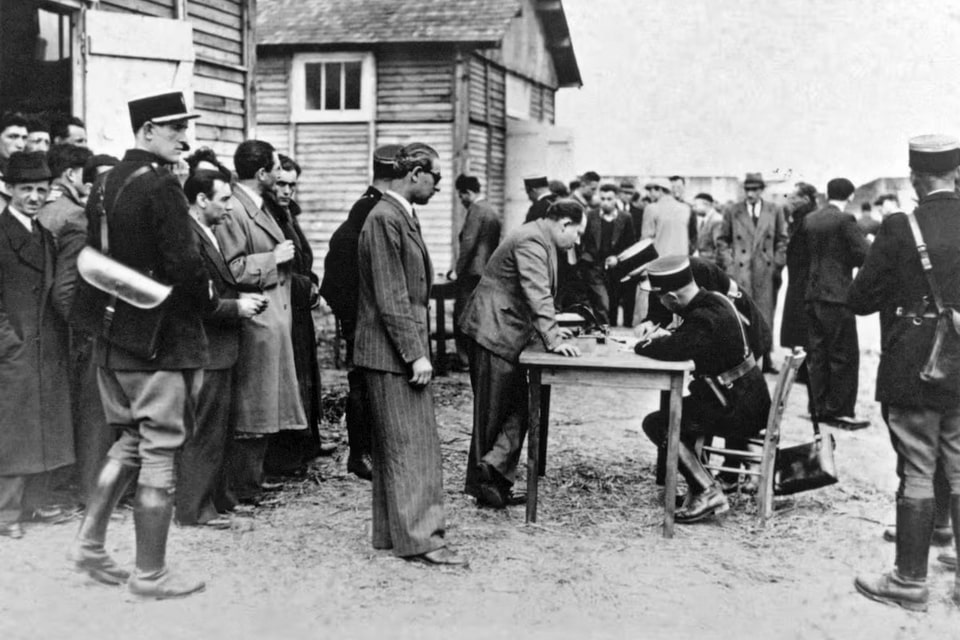
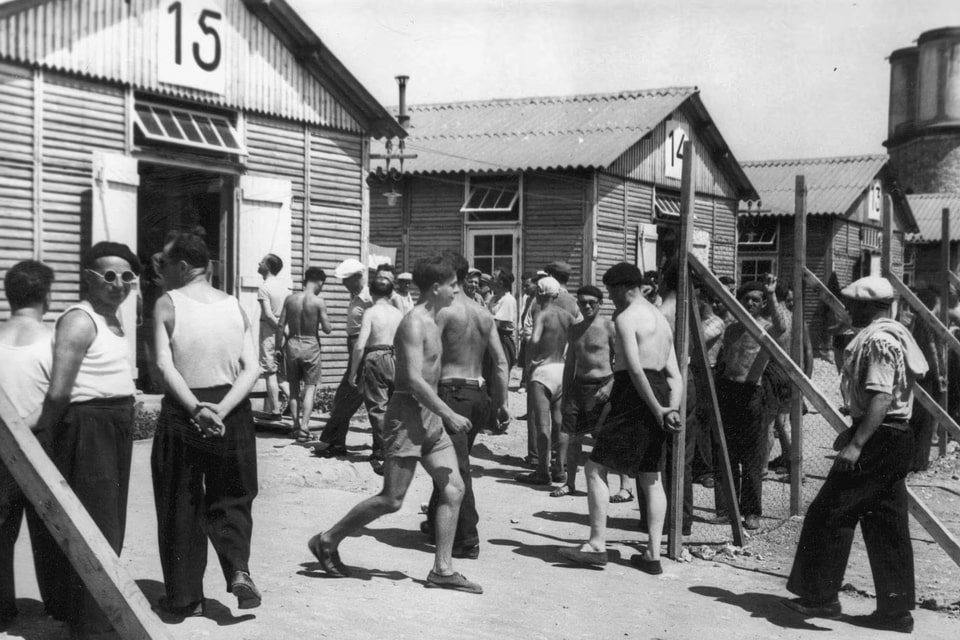
JULY 1942: The Vel’ d’Hiv Roundup (Rafle du Vél’ d’Hiv) Archive photos
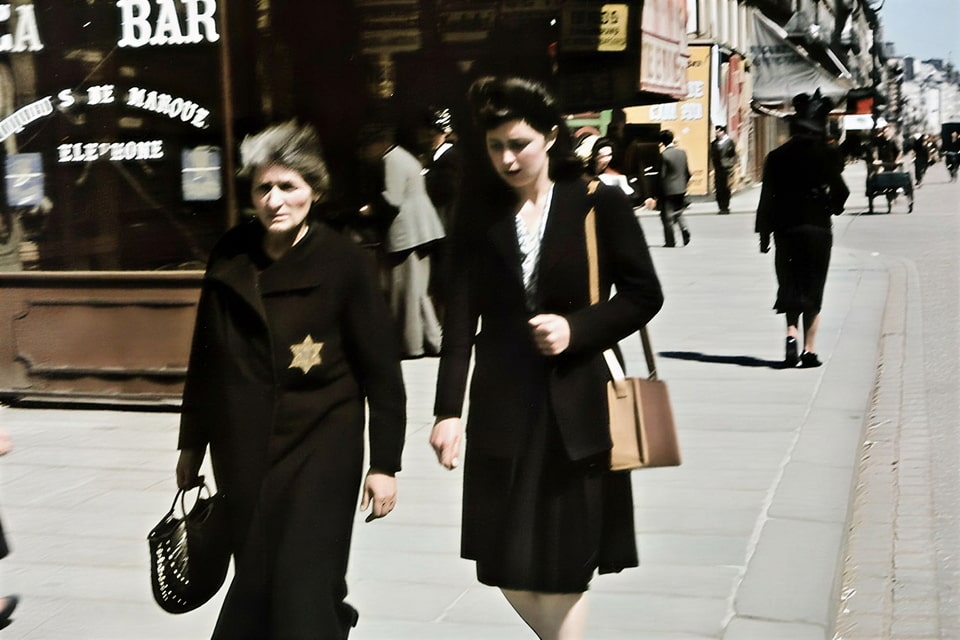
As the war as German policy of the extermination of Jews progressed with the turn of 1942 and after the infamous Wannsee Conference, the Nazis turned from persecution and detention of Jews in Western Europe to direct extermination through sending them to killing centers in occupied Poland. Thousands were also sent to the concentration camps in Germany and Austria: Buchenwald, Bergen-Belsen, Dachau, Mauthausen, and Ravensbrück. The very first train with Jews from France delivered to Auschwitz was sent from the infamous Drancy transit camp near Paris and included 1,148 Jewish men, previously arrested in the capital and interned in Drancy and a transit camp in Compiegne. Known as ‘Sonderzug 767’ (Special train 767), it arrived at the camp three days later, at 5 a.m. on March 30, 1941, carrying Polish, Czech, and French Jews. This train served as a precedent for sending Jews from France to Auschwitz, while the systematic deportations began in June 1942. Of that first train, only two dozen people survived the war. The same month, the occupational authorities ordered all Jews in the Occupied Zone to wear a yellow star sign on their clothes, a measure which aroused dissatisfaction against the non-Jewish population to the extent some French even wore the David star in protest and compassion for their fellow people, who became marked targets now. This opposition was particularly strong in Paris.
While sending more than one thousand Paris Jews to Auschwitz in late March 1942 was still more an experiment, the changing of German policy toward French Jews was in a dynamic that spring. One of the architects of deportations was the mentioned above Theodor Dannecker. His anti-Jewish activity was not limited to organizing an exhibition in Paris. Dannecker was the head of the so-called ‘Judenreferat’ (Jewish question and evacuation) department of the SD (Sicherheitsdienst) office in Paris. Since 1937, he worked under Adolf Eichmann and was a zealous student in organizing the Holocaust. The Germans experienced logistical problems, particularly the lack of freight cars to start a mass deportation of French Jews, and in May 1942, Theodor Dannecker had a meeting with Generalleutnant Otto Kohl (1886-1972), who was the head of the Wehrmacht’s Transport Department in Paris. The latter was a fervent Nazi and proved to be an advocate of mass deportation of Jews from France, promising Dannecker’s infrastructure to deport at least 20,000 in the near future. Dannecker then appealed to his command in Berlin to make preparations for receiving transport from France en masse.
While Dannecker and Kohl took the initiative into their hands in Paris, Adolf Eichmann came to the city in early July, where he had a meeting with his subordinate and was delighted to hear the ambitious plans. Eichmann suggested increasing the quotas up to 30,000 people deported in June-July. Another person who was involved in the decision-making was a German diplomat, Otto Abetz (1903-1958). He worked as a senior official at the German embassy in Paris and was responsible for maintaining close connections with the Vichy government. In his telegram on July 2, 1942, Abetz proposed a quota of 40,000 Jews that were to be sent to Auschwitz in close cooperation with Vichy. The only specification here was an appeal to start with ‘foreign’ Jews, immigrants with no French citizenship. This position was coordinated with the Vichy officials, especially with René Bousquet (1909-1993), the head of the Police in the unoccupied Zone. He maintained a kind of autonomy from the Germans at the expense of open collaboration in deporting Jews, with one condition of focusing on the non-French Jewish population. Both Adolf Eichmann and Theodor Dannecker were delighted with the decision-making and did not oppose this ‘foreigners’ first policy as long as they were in charge of the process of deportations.
In total, the German bureaucrats envisioned the deportation of 100,000 Jews from France from both zones until the end of 1942. Not to open their real intentions of the mass murder of these people deported, the Nazis made it seem like they were deporting people for work and discussed with the Vichy officials able-bodied men and women without children. Deportation of children was not a German priority at the moment, but the initiative ‘not to separate families’ came from the French side, particularly from notorious Pierre Laval (1883-1945). Naval was a hardened politician and occupied the post of Prime Minister of France twice before the war: 1931-1932 and 1935-1936. He openly sympathized with the Germans and became a fervent collaborator during the occupation, and was tried as a collaborator and executed in 1945. In July 1942, Laval also insisted on starting deportations of non-French citizens, but it was his suggestion to include children under sixteen. The role of Marshal Petain in the decision-making regarding deportations remains a matter of argument.
In Paris, the atmosphere of separation and ostracism of Jews electrified on June 7 with the order for all Jews above six years old to wear a yellow Star of David. The French police were now busy identifying the offenders of the prescriptions, and dozens of Jews, who appeared on the streets without a star, were arrested each week. After the first round of sending Jews from France to Auschwitz on March 27, 1942, the more industrialized process started in June with four transports carrying Jews from Compiegne (June 5), Drancy (June 22), Pithiviers (June 25), and Breaune-la-Rolande (June 28). Each train included around one thousand men and women, and at that period, most of them were selected for work in the camp, though only about 5% of these people survived the Holocaust.
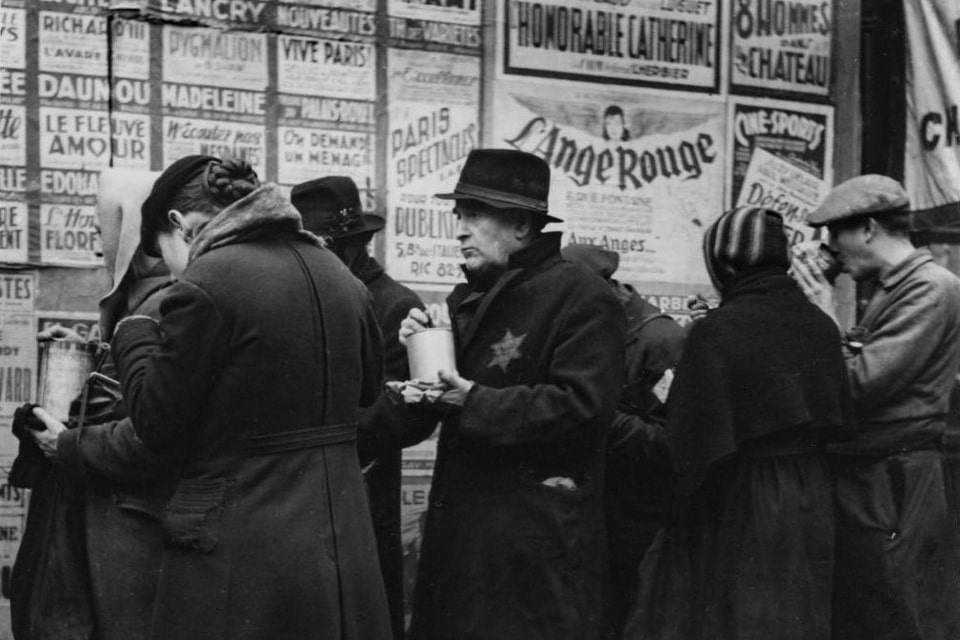
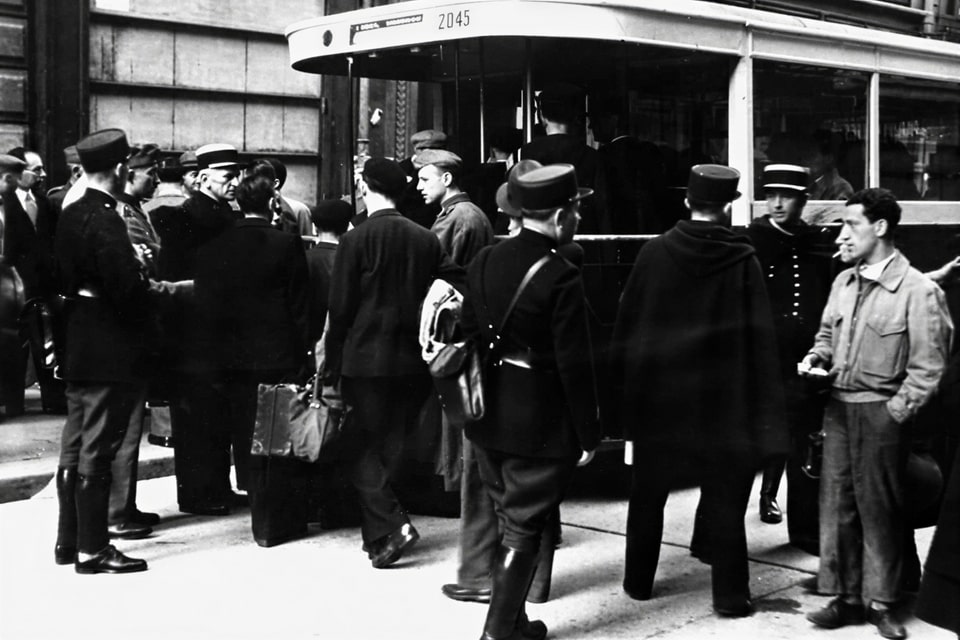
In July 1942, the rumors spread in Paris that a large anti-Jewish round-up and deportations were in preparation, and the close cooperation of the French police with the Germans was an essential ingredient of the upcoming events. The German side simply did not possess enough resources to meticulously collect information: names, addresses, family connections, and ages of tens of thousands of Jews in Paris. On the other side, the French police had better situational awareness and simply knew the city geography better to become efficient in mass arrests of ‘foreign Jews’. In total, it was estimated that around 4,500 French policemen took part in the infamous July 1942 roundups, known in history as ‘la rafle du Vel’ d’Hiv’ or ‘The Vel’ d’Hiv’ Roundup’. Of which 1,700 were street patrolemen, 1,500 cadets and inspectors, around 800 were assigned to guard collecting points (Drancy and Velodrome d’Hiv), and several hundred senior officers and transport police escorts for buses.
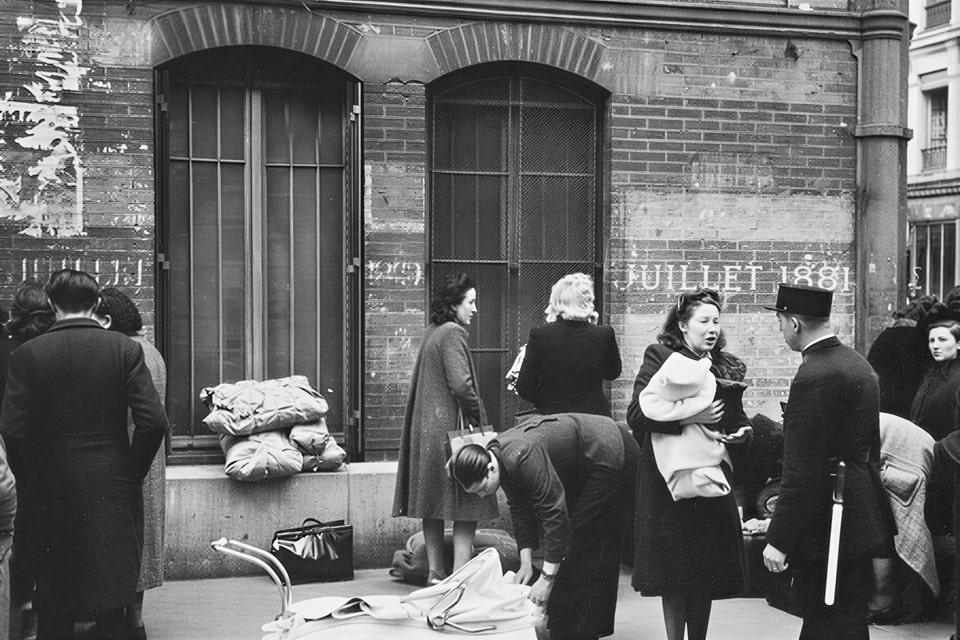
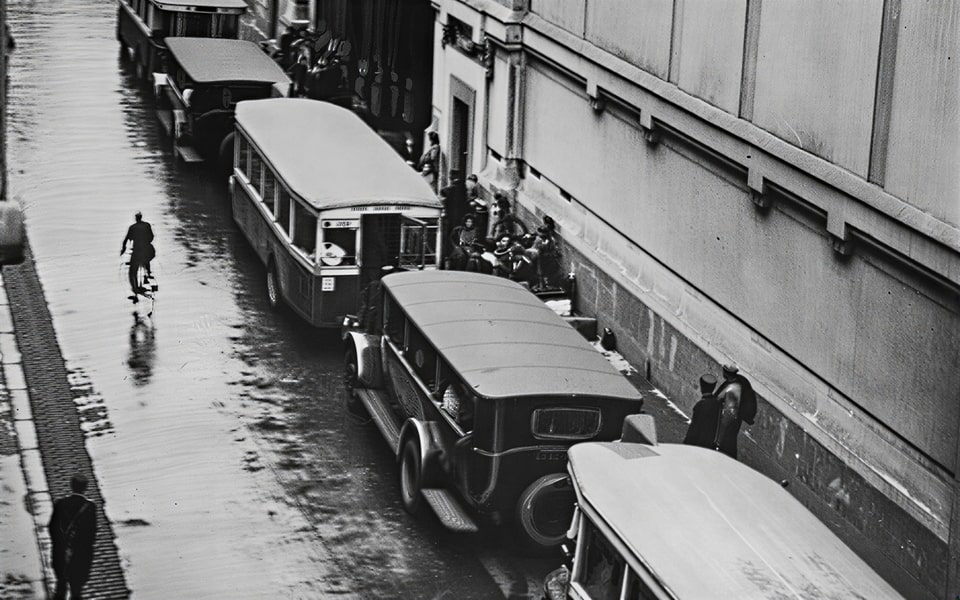
On the morning of July 16, at least 1600 arrest teams were provided with lists of names and addresses, so no one would be missed, but as the events showed, the operation went far from efficient. The targeted age group included men from sixteen to sixty and women from sixteen to fifty-five. The lists for arrests included 27,391 names (out of 115,00 Jews in the Paris region in June 1942), and this was the agenda of the July 16 roundup, but in reality, the Jewish population took measures. Being mostly prepared for the upcoming arrests, thousands of men had left their accommodations a day before, and women with infant children or a few children were often left untouched by the police. Thousands of people simply ignored the doorbell and did not open the doors, even in the face of threats. While the roundups were more efficient in the early hours, the operation began at 3 a.m., the pace of the arrests significantly slowed down toward the afternoon, even though women and children now composed up to 70% of the people arrested. The French police beforehandly prepared fifty public buses from the streets of Paris for transporting Jews to the collection points. Unfortunately, many people were calmed down when they saw not the Germans, but the French policemen and familiar city buses, and they agreed to the eviction from their homes.
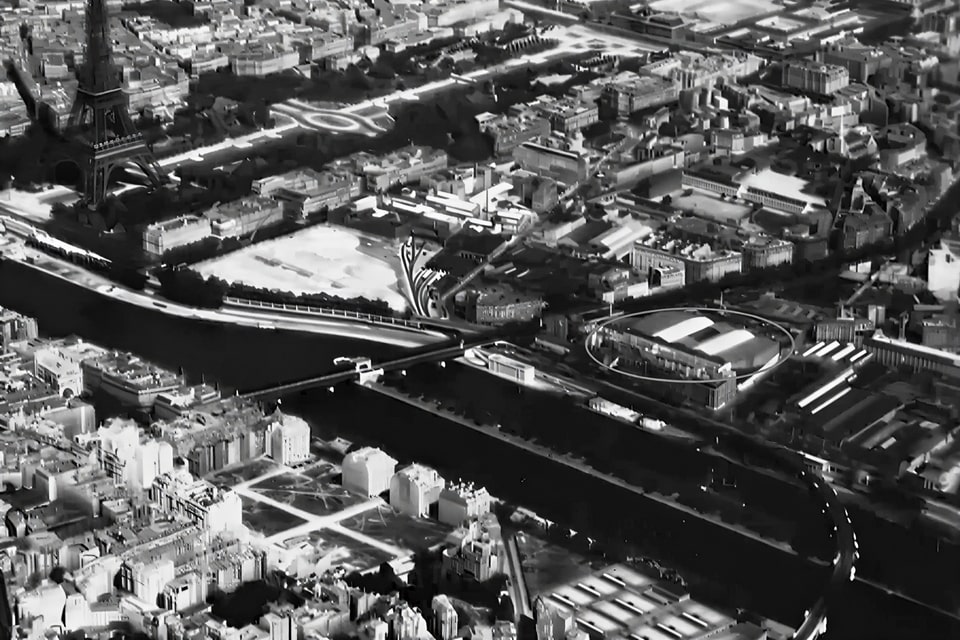
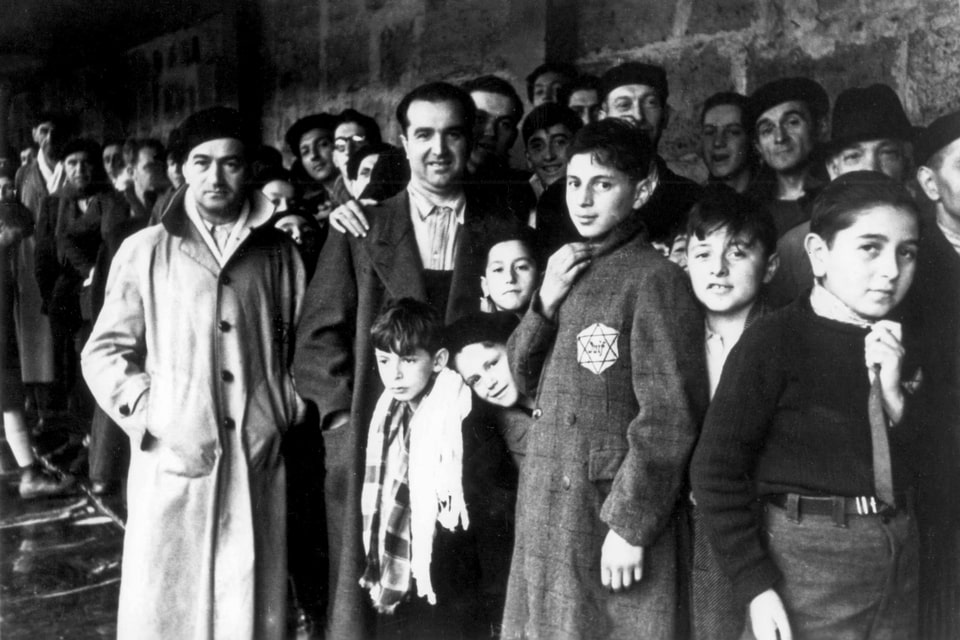
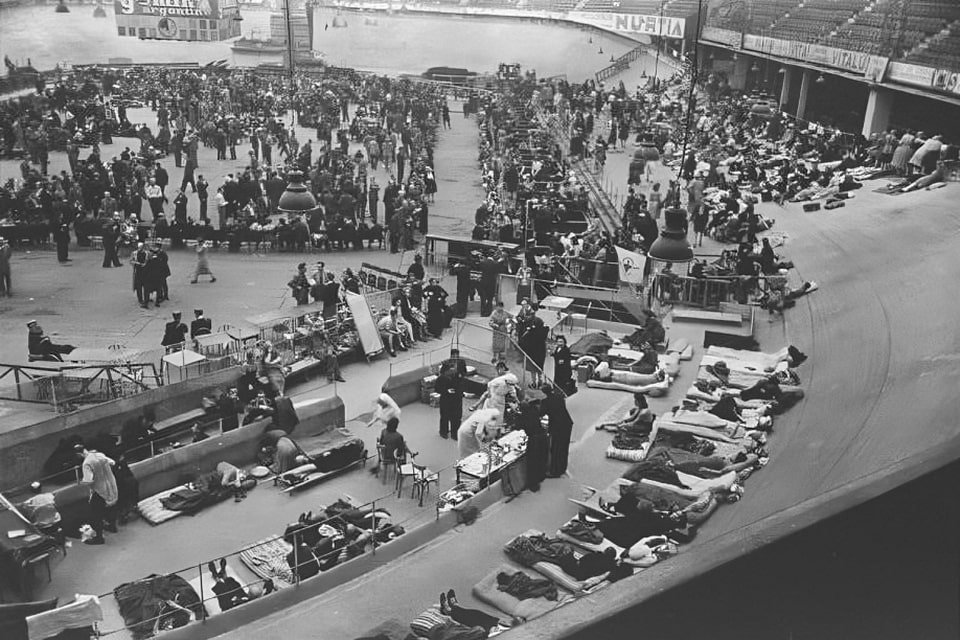
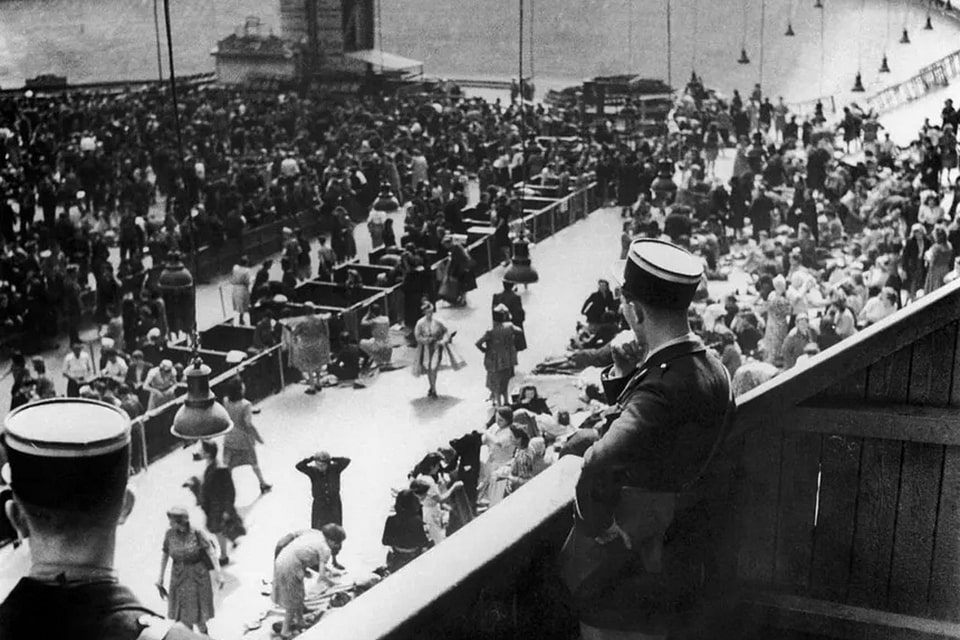
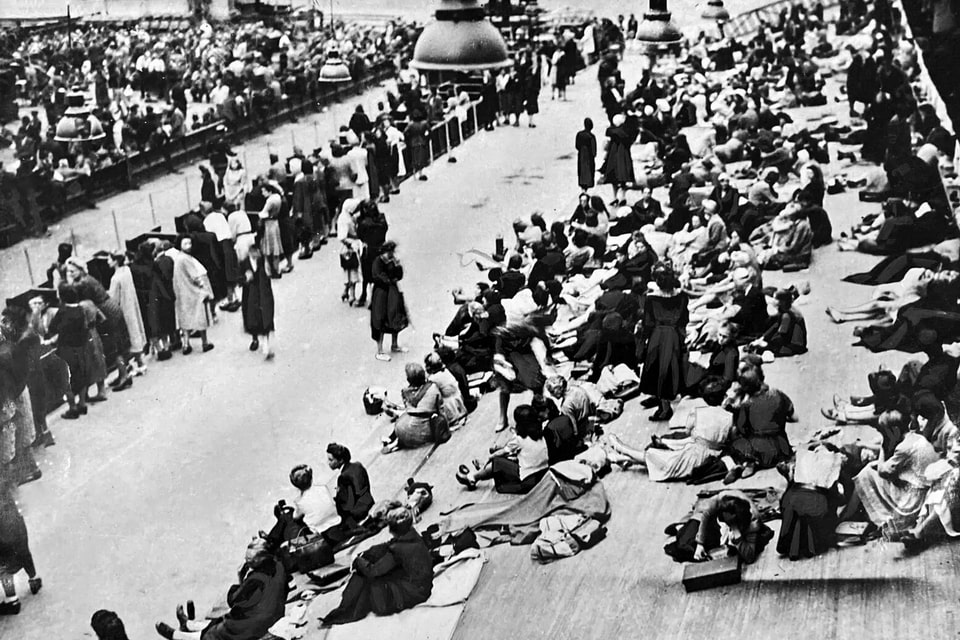
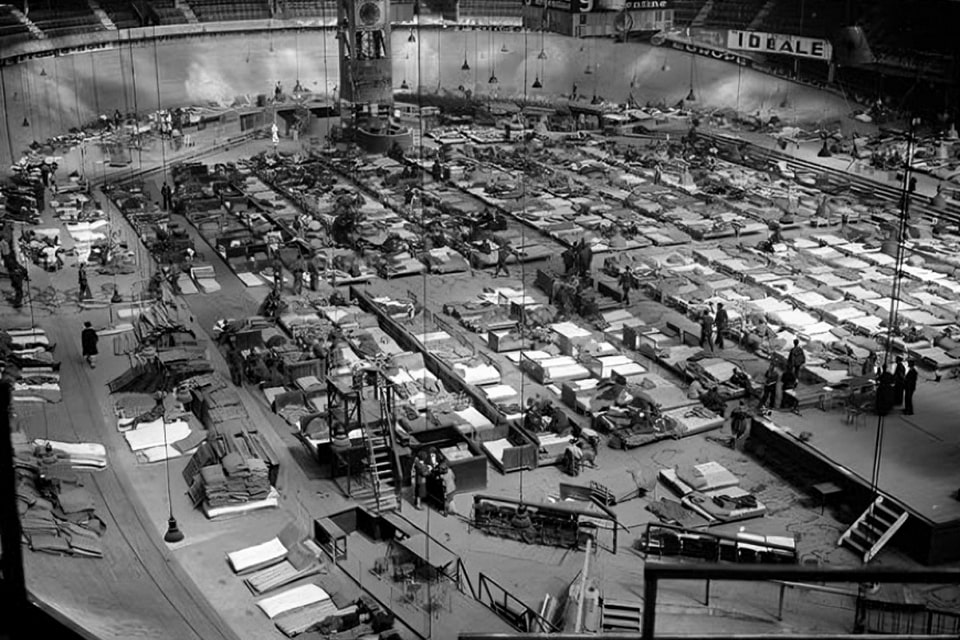
On that tragic morning of July 16, 1942, the round-ups had two primary destinations. One was the Drancy camp in the suburb of Paris, and the other one was a former sports area known as Vélodrome d’Hiver (Winter Bicycle Track) in the 15th arrondissement near the Seine. It was chosen primarily for its size with a pre-war capacity to accommodate up to 17,000 visitors and for the central location logistically close to the arrodisements with a high percentage of Jewish population. The Germans took the keys from the arena from its owner at that time, French sports journalist and Tour de France director, Jacques Goddet (1905-2000), whose father, Victor, was one of the founders of the arena. The first Jews caught during the roundup were brought to Vélodrome d’Hiver in ten buses around 7.30 a.m. The arriving people were cramped into the sports area without adequate food or adequate water supply, and even constant access to the toilets, since five out of ten lavatories were closed because they may have served as a way to escape through windows. Since other windows were shut for security reasons and the glass roof was painted dark during the war (to drive off planes), the temperature inside the arena was high on those July days. The weather in the French capital was very hot in the summer of 1942, reaching 32 °C during the day. The French case occupies a chapter of its own in Raul Hilberg’s The Destruction of the European Jews — precisely because so much of the work here was done by a national police force rather than by Germans.
While the French policemen were far behind their agenda of 27,500 people, on the first day of the Vélodrome d’Hiver roundup, they managed to catch nearly 11,300 people, increasing the number to a total of 12,884 on the second day. Of this number, men consisted of only about a quarter, or 3,031, with the dominance of women (5,802) and children (4,051). Another figure that is generally accepted is 13,152, which includes a slight rise in detainees in the following few days. It should be once again noted that not all of these people were taken to the Vélodrome d’Hiver arena, but around 8,000, while the remaining were arrested and brought to the Drancy camp. While it may seem that 8,000 is only half of the planned number of 17,000 visitors, the Jews brought here in July 1942 spent five days in the antisanitary conditions, with poor nutrition and access to water, under enormous stress and bullying. Only a few doctors and nurses were allowed to enter the arena and take care of the people inside. While the Red Cross and the representatives of the ‘Society of Friends’ (Quakers) delivered food and water, the ‘Union générale des israélites de France’ or ‘UGIF’ (The General Union of French Israelites) failed to bring adequate relief. It was the only Jewish organization in France allowed, and its leadership had known about the planned roundup beforehand, but did not inform the population. UGIF’s director in the northern zone, Andre Baur, who was booed by the people when he reached the arena in the afternoon of July 16, was later himself sent to Auschwitz from Drancy and killed by the Nazis in 1944.
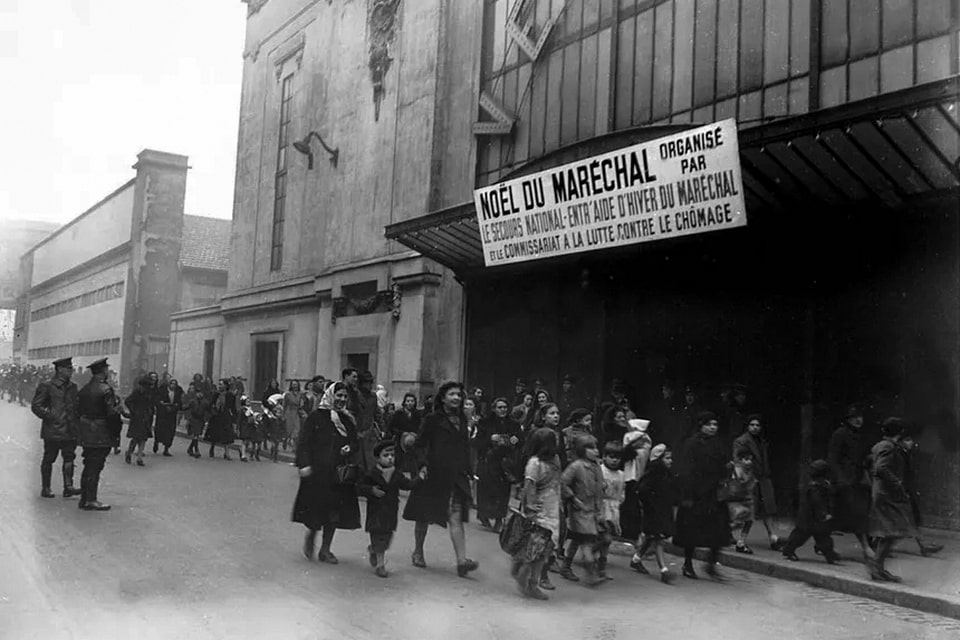
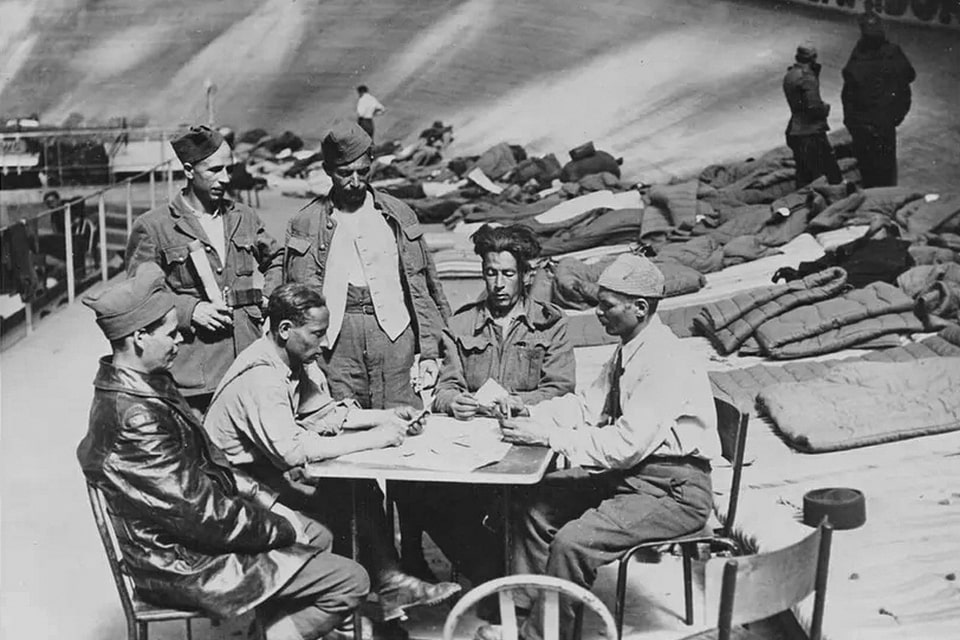
Since around 8,000 people were incarcerated inside Vélodrome d’Hiver, many of them tried to sneak out letters and messages to the outside world, asking friends and relatives for help, hoping to receive food parcels. Most of the people thought they would be either released in several days or sent to the internment camps inside France for work. These preserved letters in the French archives and the testimonies of those who survived the war confirmed once again that the Germans did not directly participate in the July 1942 roundups, and people inside the arena were guarded solely by French policemen. The situation inside Vélodrome d’Hiver deteriorated rapidly due to the hot temperature, the lack of proper ventilation, food and water deficiency, lack of proper medical supplies, and stress. Some people committed suicide, probably understanding the purpose of the roundup and their further fate. No accommodations for sleeping were prepared to accommodate eight thousand people, who had no alternative but to sit on the ground or sleep on the visitors’ seats. A dozen volunteer doctors and nurses could not cope with such a large number of exhausted people and thousands of children, among whom were infants.
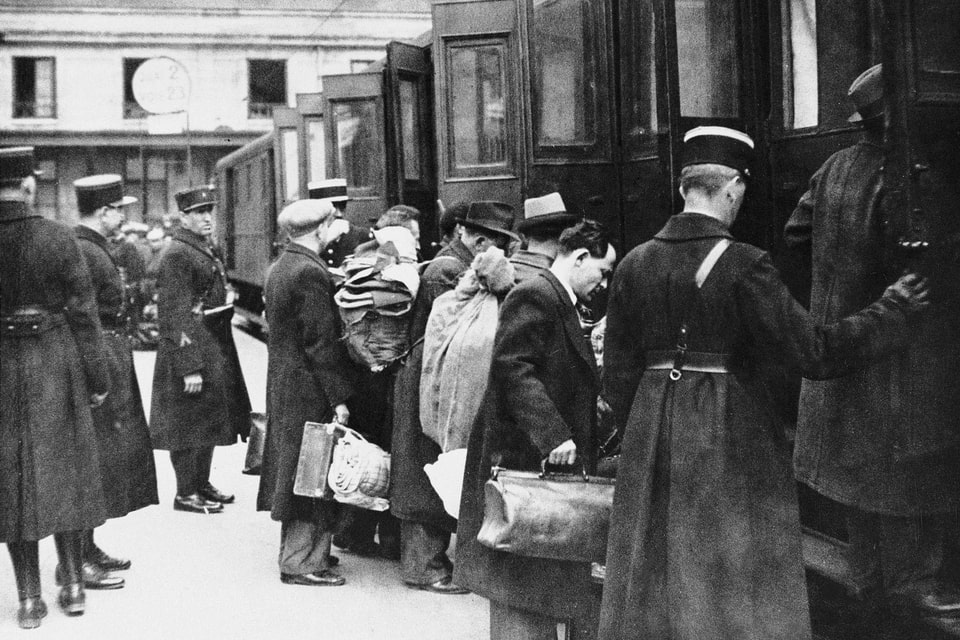
While the chaos inside the arena made it possible for some detainees to escape and hide, and since the Parisians witnessed the anti-Jewish manhunting, the Vélodrome d’Hiver roundup produced a moderate reaction from the French resistance, even after the pamphlet was produced by two communist activists, who managed to sneak inside the arena. Only after three days of detention in the huge arena, people were further transported. Between July 19 and 22, eight thousand Jews from the Vélodrome d’Hiver were marched on foot and brought by buses to the Gare d’Austerlitz station in the 13th arrondissement, around 6 kilometers to the east, and from there on trains deported to the above-mentioned transit camps at Beaune-la-Rolande and Pithiviers. Thus, the last Jews were taken from the sports arena six days after the round-up. The Germans made a pause only to prepare further transports to Auschwitz and to confirm the deportation of children, which was agreed upon personally by Adolf Eichmann.
Most of the Jews from the two camps were then sent to Auschwitz between 31 July and 7 August. While the majority of the first transports were registered in the camp, for example, the deportees on August 5 were mostly killed upon arrival. The remaining children, separated from their parents, were first sent to the Drancy camp, and then, between August 17 and 31, to Auschwitz. The victims of the July 16-17 roundup were not the only Jews sent to Auschwitz from Drancy in that period, since around 16,000 people were sent in sixteen trains between July 19 and August 31 with the same destination in Oswiecim. The above-mentioned UGIF representatives and the members of ‘Comité Rue Amelot’ (“Amelot” rescue organization) managed to take around 1,000 French-born Jews out of the deportation lists, but thousands more were less lucky, including thousands of children sent to their deaths at Auschwitz. In total, between June 1942 and August 1944, at least 67,000 people were sent to death camps in the east from Drancy, most of the Jews from France who were killed during the Holocaust. One estimate gives us the figure of only around 400 people who survived the Vélodrome d’Hiver roundup in Paris and the following three years of war and the Holocaust.
While around 15,000 Jews, mostly Jewish men, escaped or evaded the July 16-17 roundups in Paris, the ‘aktion’ was not the end of the persecution and deportation from France to the Nazi camps. In August 1942, deportations swept the Southern Unoccupied Zone, where the Vichy government agreed to detain and send ‘foreign Jews’. The roundup appeared to be not as effective as was expected, a pattern similar to the Vélodrome d’Hiver roundup in Paris. The French policemen managed to arrest 7,100 Jews that month out of the planned 20,000. The Vichy government used the Gurs internment camp as both a temporary detention and a starting point for trains to Drancy. It was established back in April 1939 as a detention center for Spanish immigrants and then used primarily as a camp for Jews in Southern France. In total, by the end of 1942, the Germans deported 41,951 Jews from whole France to extermination camps in the East, primarily Auschwitz, of which 36,802, including 6,053 children, were deported since July. The major share of these people were non-French citizens, stigmatized as ‘foreigners’. Around 45% of ‘foreign Jews’ died between 1940 and 1944, compared to only 9% among naturalized Jews with French citizenship.
Of the 300,000-330,000 Jewish population in France before the war, around 76,000 perished in the Nazi-made Holocaust, most of them in Auschwitz. This figure included at least 11,400 children, or around thirteen percent of all Jewish children under sixteen. One estimate says that 6,184 children were from Paris. Even though French policemen were deeply involved in the process of rounding and deportations, France honorably bears the fourth place in the list of countries with the highest number of ‘Righteous Among the Nations’ (4,150), with an estimated 30,000 people of Jewish origin who were rescued during the war. Only Poland and the Netherlands have the highest numbers. Getting back to the public reaction of non-French on the July 1942 roundups, preceding and further deportations, it was universally negative, particularly in Paris. Very few people knew the nature of the Nazi killing machine and the end destination of deported Jews, or ever heard about Auschwitz or Oswiecim. Especially frenzied critics touched on the deportation of children. Despite the anti-Jewish propaganda and legislation since 1940, in the second half of 1942, public sympathy for Jews skyrocketed. Out of thirty-one prefectures in the Occupied Zone, only two police superiors reported the supposed public approval, while five expressed mixed reactions, and twenty-four reported universally negative sentiments of the people.
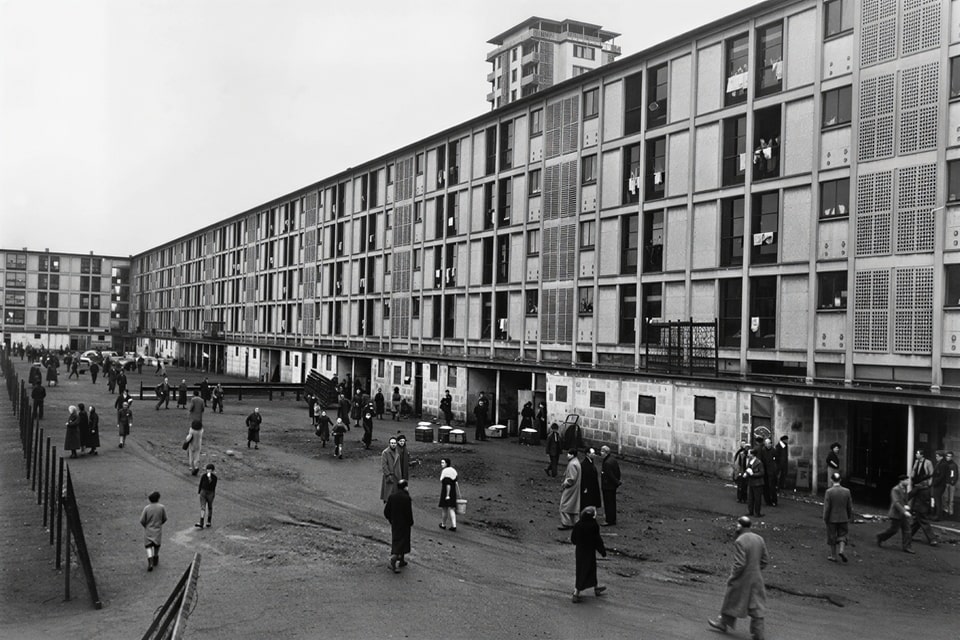
VELODROME AFTER THE WAR AND COMMEMORATION
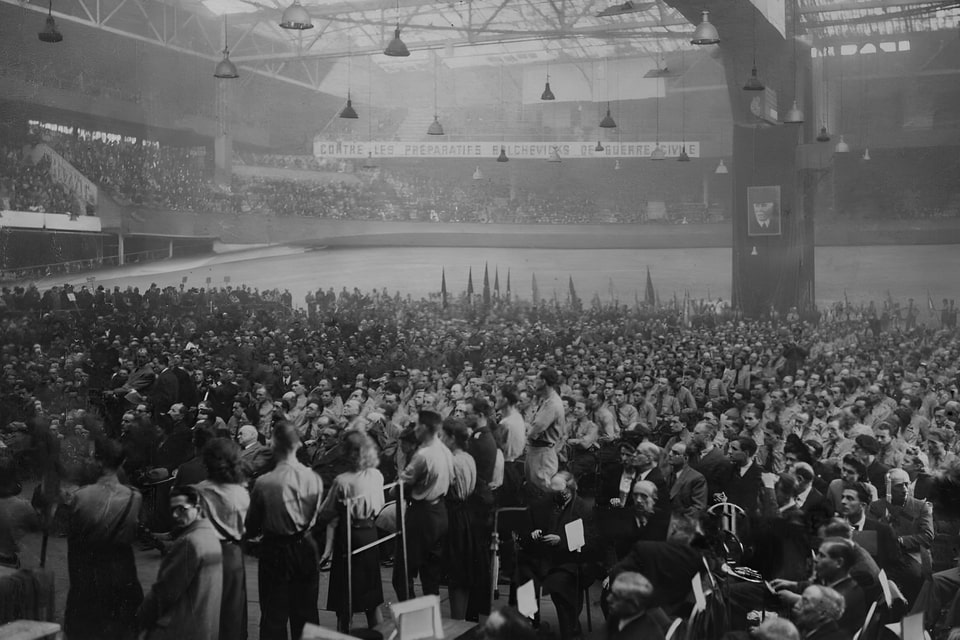
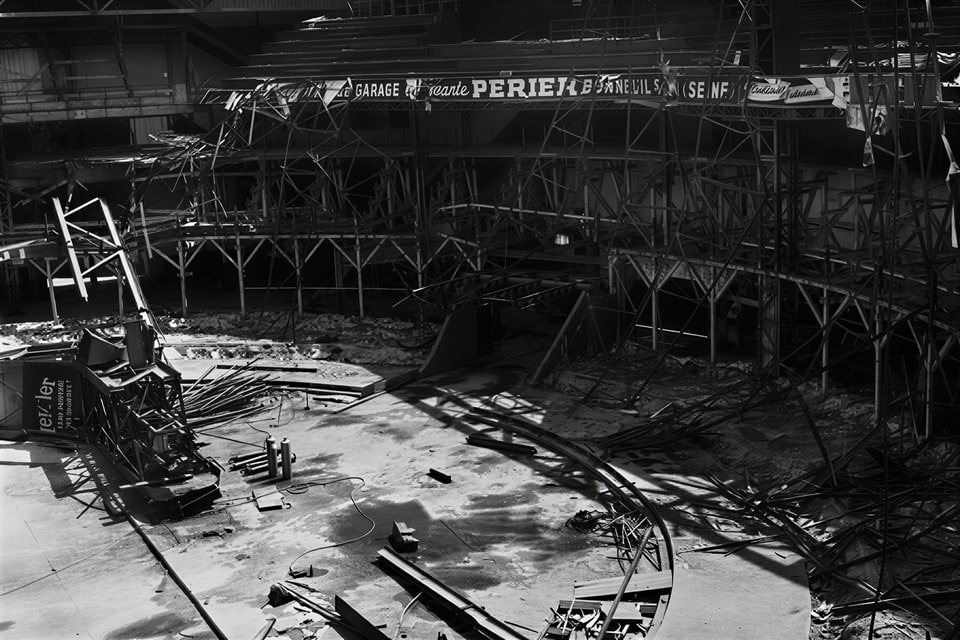
After the July 1942 round-up, Velodrome d’Hiver was not used as a detention center for further deportations but infamously became an event place for the pro-Vichy, pro-Axis, and anti-communist rallies. In December 1943, it witnessed the rally headed by notorious Joseph Darnand (1897-1945), a French collaborator and the head of the far-right ‘Milice Francaise’ movement. The participants proclaimed anti-communist and anti-Jewish slogans. After the liberation of France in 1944, the large sports arena did not become a place of commemoration of the memory of thousands of Jews who were kept here and later died in the Holocaust. Velodrome d’Hiver resumed its well-established pre-war status as a sports arena in the heart of Paris. Among the most important competitions was the ‘Six Days of Paris’, which was run here for the last time in November 1958. Apart from cycling, in May 1951, the area hosted seventy-three matches of the European Basketball Championship. The last public event inside Velodrome d’Hiver was Salvador Dali’s exhibition of works, which took place here on May 12, 1959. In the same year, a fire erupted and destroyed a part of the famous arena, and later on, the rest of the huge construction was demolished to make space for modern buildings. One of the buildings of the Ministry of the Interior was built here in the 1970s.
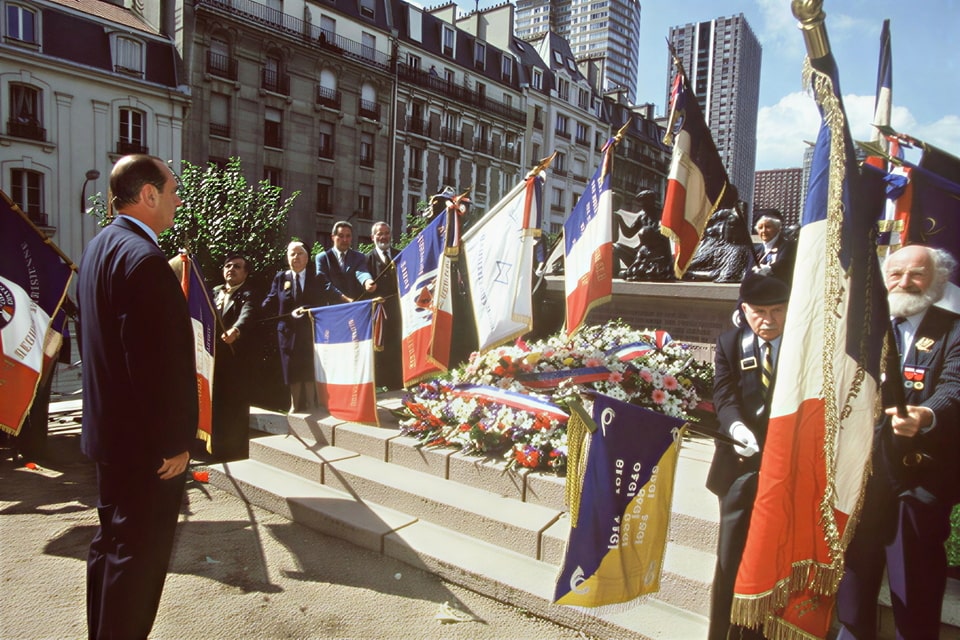
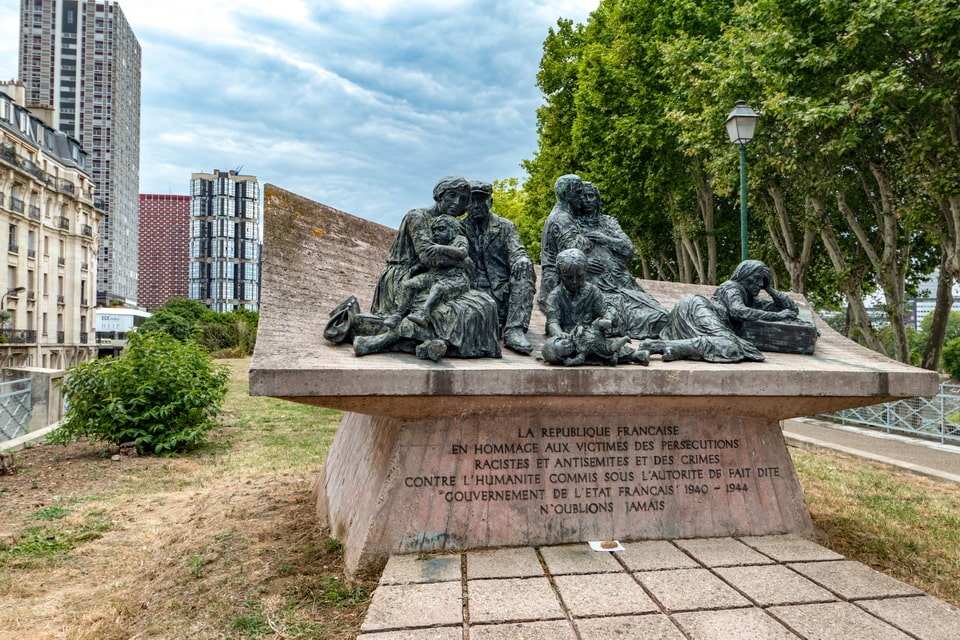
Despite the continuous policy of rejecting the role of the French in the roundup of Jews during the Holocaust, the very first plaque was put on the building soon after the war, in 1946, and before the demolition of Velodrome d’Hiver, it was moved to Boulevard de Grenelle 8 nearby. It took France half a century to properly commemorate the memory of the victims of the July 1942 roundups. In 1993, President Francois Mitterand (1916-1996) agreed on the creation of a monument, which was inaugurated a year later on July 17, 1994, on Quai de Grenelle. This portion of the promenade was named Square de la Place des Martyrs-Juifs-du-Velodrome d’Hiver (Square of the martyrs of Velodrome d’Hiver roundup’). The base of the stone sculpture is made in the form of a curve as a reference to the cycling track, with sculptures of women, men, and children. The monument was created by a sculptor, Walter Spitzer (1927-2021), himself a survivor of Auschwitz and Buchenwald. In 1993, he created one of the sculptures for the Buchenwald memorial. The monument on the Quai de Grenelle has since become a place of the annual commemoration on July 16.
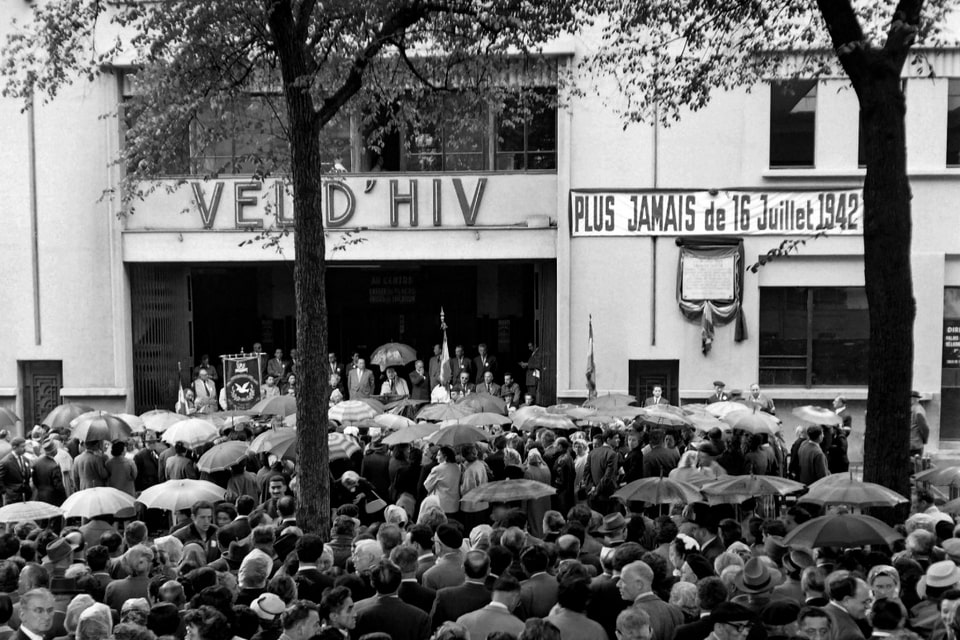
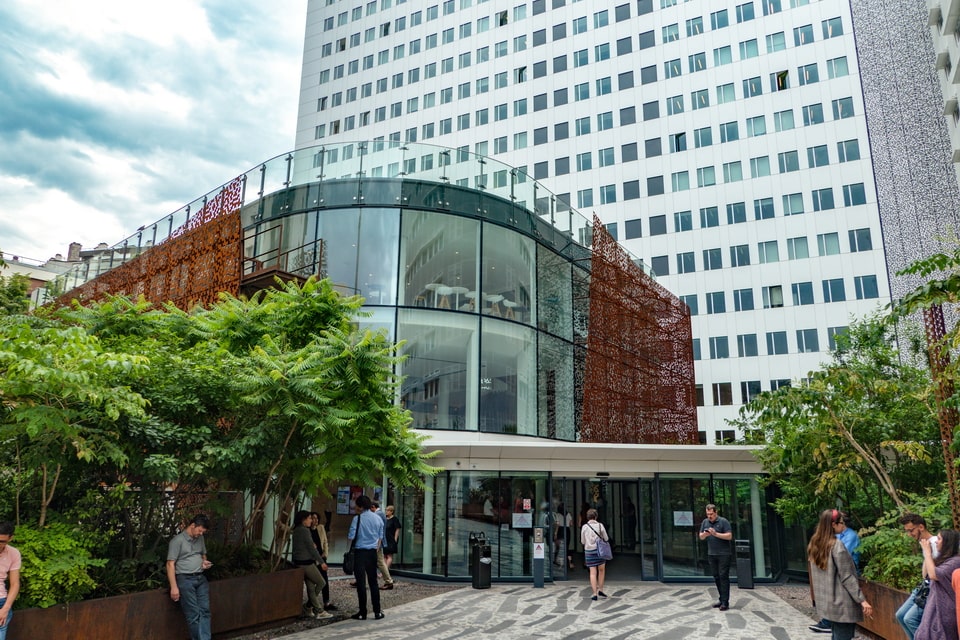
A year later, a newly elected president, Jacques Chirac (1932-2019), made another step in admitting the role of the French state in the deportation of the Jews during the Second World War. At the same time, he spoke about 450 policemen and gendarmes, while the actual number was at least ten times higher, only in Paris. In 2012, another French president, Francois Hollande, said that the crimes committed by the perpetrators on the French side were made against the values and ideals of the country. Along with that, he emphasized that France would fiercely oppose anti-semitism. Five years later, Emmanuel Macron once again admitted the guilt of the French policemen in the roundups, and even denounced shifting responsibility to the Germans or Vichy officials. In the same year, 2017, another memorial was opened not far from the 1994 one: a memorial garden with sculptures, marble stones, and the names of the victims of the Velodrome d’Hiver roundup in Paris.
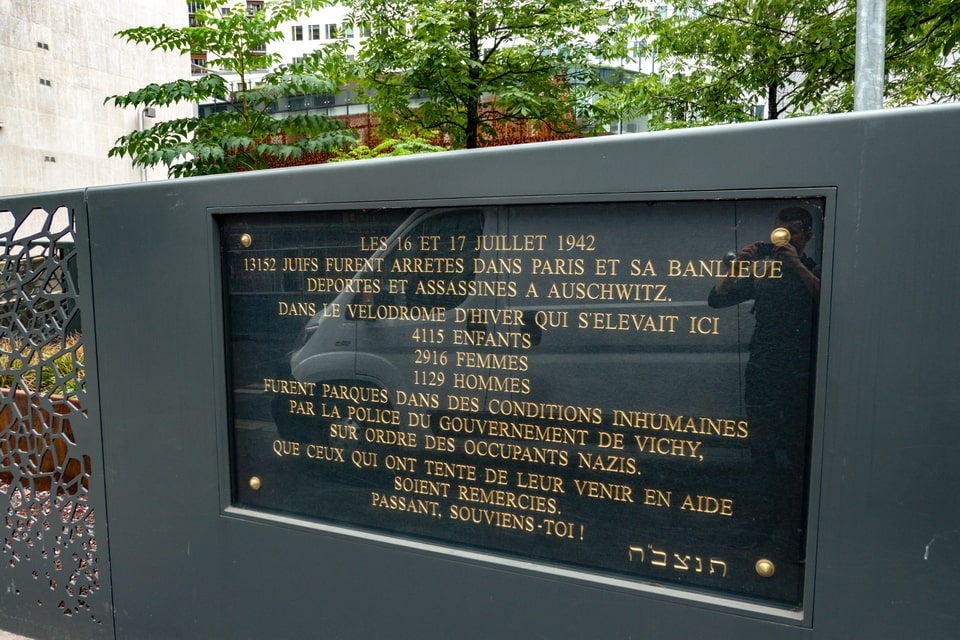
On the opposite side of the large office building, there is a commemorative plaque that commemorates the memory of 13,152 victims of the July 1942 roundups.
France was not alone in taking half a century to say this out loud. In Germany, the same shift produced the Börneplatz memorial in Frankfurt, unveiled in 1996 with the names of 11,908 deported Jews cast into its wall.
VISITING THE VEL’ D’HIV MEMORIALS TODAY: Locations, Hours & Guide
Location & Current Status (2026): The original Vélodrome d’Hiver stadium was completely demolished in 1959. Today, the site is occupied by the Ministry of the Interior structures and residential blocks. However, there are two primary memorial sites located in the 15th arrondissement of Paris, just a short walk from the Eiffel Tower.
What to see at the site today:
- Monument to the Victims of the Vél’ d’Hiv’ Roundup (Place des Martyrs-Juifs-du-Vélodrome-d’Hiver): A moving bronze sculpture by Walter Spitzer inaugurated in 1994. It is located on the Promenade du quai de Grenelle, just south of the Bir-Hakeim bridge, facing the Seine.
- Memorial Garden of the Children of the Vél’ d’Hiv’ (Jardin mémorial des enfants du Vél’ d’Hiv’): Located at 7 Rue Nélaton (the exact former location of the stadium’s entrance). Opened in 2017, this quiet memorial garden features a large commemorative wall listing the names of more than 4,000 children arrested during the roundup.
- Historical Plaque: Attached to the modern building at the corner of Boulevard de Grenelle and Rue Nélaton.
Access & Admission: Both the riverside monument and the memorial garden are open to the public and completely free of charge. The garden at Rue Nélaton operates under standard Paris municipal park hours (typically 8:00–17:30 in winter, and up to 20:30 in summer).
Getting there by Paris Metro:
Take Line 6 to Bir-Hakeim station. Walk south along Boulevard de Grenelle for about 3 minutes to reach Rue Nélaton, or walk towards the riverbank to see the riverside monument.
Getting there by RER (Commuter Train):
Take RER C to Champ de Mars – Tour d’Eiffel station. The memorials are a 5-minute walk from the station exit.
I am very grateful to war archives, museums, libraries, private collections, and writers for the historical photos in this article. To the extent that some author or a copyright owner may not want some of the above black-and-white photos to be used for educational purposes here, please contact me for adding credits or deleting the pictures from the article.