

Frankfurt Holocaust Memorial at Börneplatz
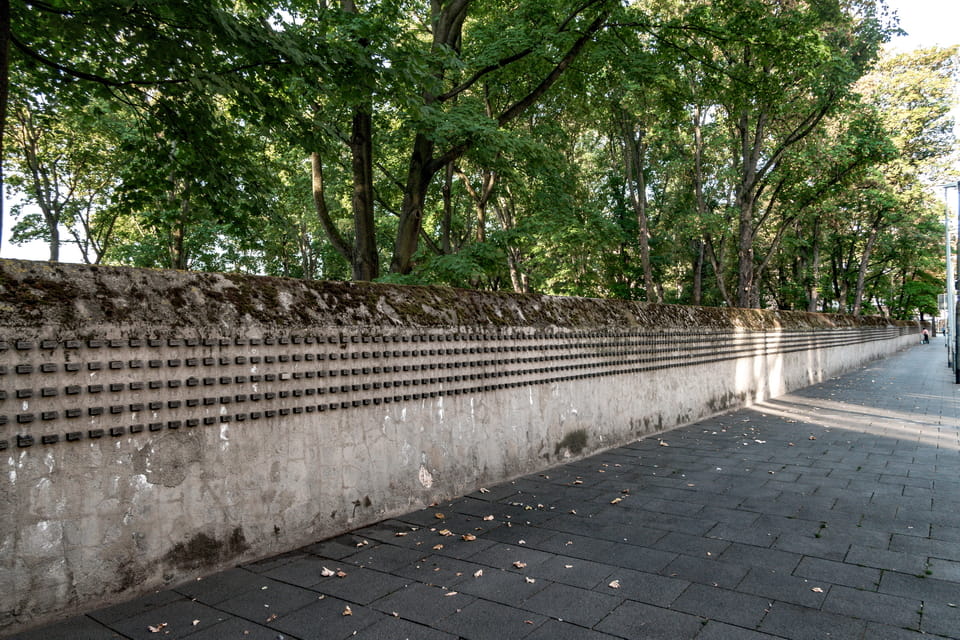
The Börneplatz Holocaust Memorial (Gedenkstätte Börneplatz) in Frankfurt am Main preserves 11,908 individual name blocks on the outer wall of the Old Jewish Cemetery — one for each Frankfurt Jew murdered by the Nazi regime between 1933 and 1945. Inaugurated on 16 June 1996, the memorial stands on the site of the former Börneplatz Synagogue, burned on the night of Kristallnacht, 9–10 November 1938. Among the names on the wall are those of Anne Frank (born in Frankfurt on 12 June 1929), her sister Margot, and their mother Edith. This article traces the full arc of Jewish life in Frankfurt — from the city’s first Jewish settlers in the 12th century, through the Judengasse ghetto (established 1462), the Rothschild dynasty, and the 26,158 Jews who lived here when Hitler came to power, to the deportations from Grossmarkthalle and the memorials that mark the site today. Based on a personal visit to Frankfurt in 2018. The Börneplatz Memorial is open 24 hours, free of charge.
NINE CENTURIES OF JEWISH LIFE IN FRANKFURT: FROM THE XII CENTURY TO 1933
In the year when Adolf Hitler and the Nazis came to undisputed power in Germany in 1933, the Jewish population in Frankfurt was the second largest in the state after Berlin in absolute numbers (26,158) and the largest among major German cities when it came to the share (around 5% compared to 4% in Berlin). When the US army liberated Frankfurt am Main on March 27, 1945, twelve years after Hitler came to power, less than 600 Jews were still alive in the city among those who had not left it before. The Nazi genocidal approach to annihilating the Jews in Frankfurt was barely unique to other German cities: stigmatization and exclusion, persecution and humiliation, ghettoization and starvation, and finally deportations to death camps and manhunt, accompanied by robbery and expropriation, the eradication of Jewish history, and the destruction of synagogues, houses, monuments, burning books, and melting human golden dental crowns into bars of gold. Nine centuries of Jewish life in Frankfurt were eradicated in twelve years of Nazi rule, and particularly six years of war.
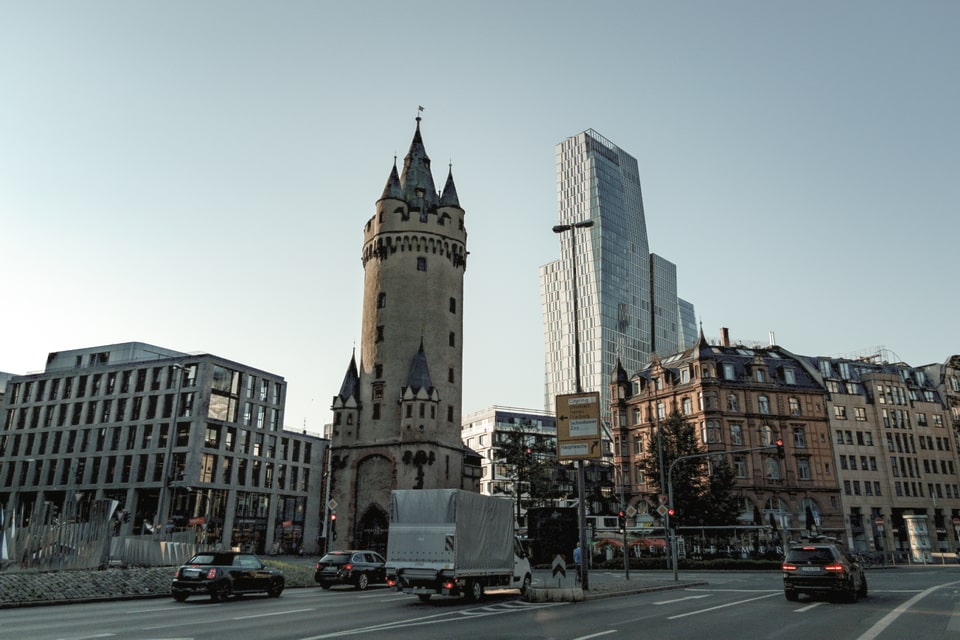
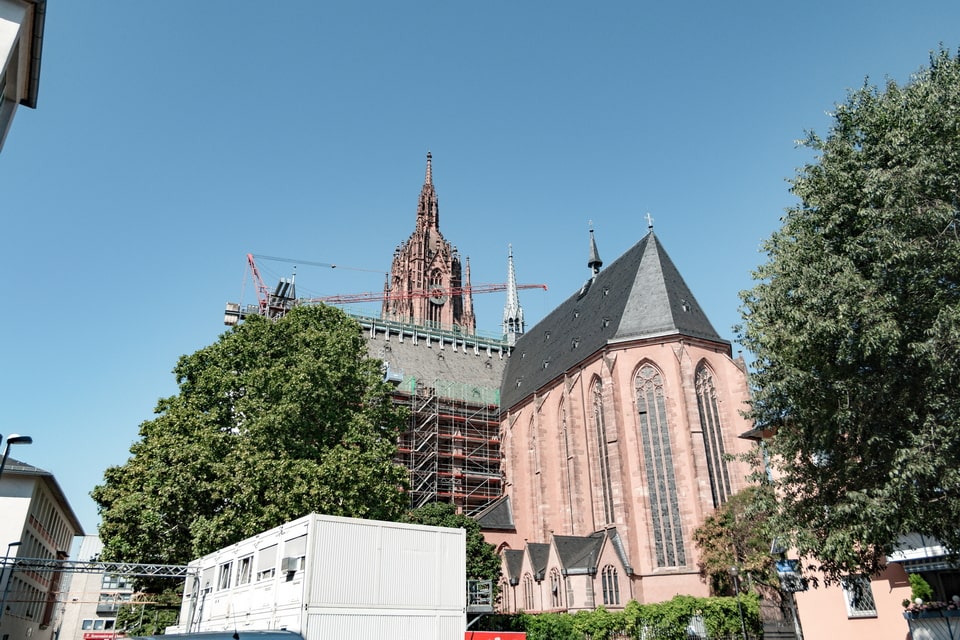
Modern Frankfurt am Main sits close to ‘viae Romanae’, an ancient system of roads from the time of the Roman Empire. Toward the VIII century and the first written mention of ‘Franconofurt’, the settlement was an important market town and a transport point in the region, and later one of the major towns in the Holy Roman Empire. The first Jewish merchants visited the city back in the X century. However, the first documented settlers of Jewish origin, merchants from Worms (one of the oldest cities in Europe), came in the XII century. The first representatives of the Jewish community in Frankfurt were accommodated in the historic area, approximately where the famous Frankfurt Cathedral now stands. After Frederick I, better known as Frederick Barbarossa, was crowned in Frankfurt in 1152, the city became one of the major centers of the Empire and witnessed its golden age in the following centuries.

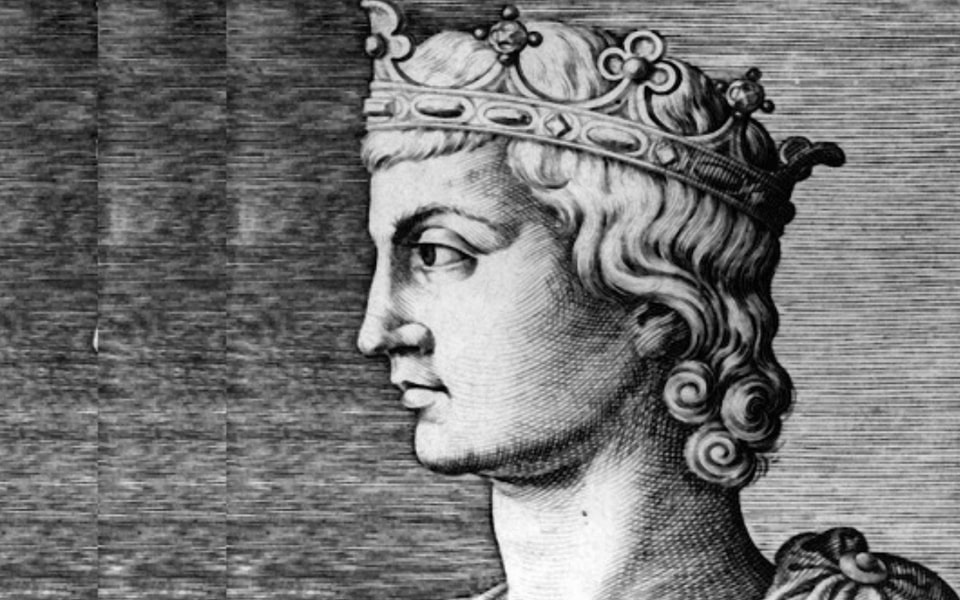
Unfortunately, centuries before Hitler and the Holocaust, Frankfurt, similar to other European cities, became a place of dramatic anti-Jewish pogroms. The first documented event of this kind happened in May 1241 and resulted in the murder of one hundred and eighty Jews, and the fleeing of the remaining few dozen descendants of the first settlers, who had once run from the persecution in Worms. The slaughter started when one of the local Jews refused to be converted to Christianity. Emperor Frederick II condemned the crime mainly because of the loss of taxes from the prosperous Jewish community in Frankfurt, not because of his empathy toward the victims. Anyway, the citizens of the city fell from grace for several years, and the royal decree followed, prescribing harsh penalties against anyone who insulted Jews. It took the Jewish community three decades to come back to Frankfurt, and toward the end of the century, it once again grew rapidly, though subjected to higher taxes for protection. In wider terms, Jews were now made to pay money for not being slaughtered.
For nearly eighty years, the Jewish community of Frankfurt had prospered until the outbreak of the bubonic plague pandemic in 1349. The ‘Black Death’ swept Europe, killing every second of its inhabitants, and the Jews were among the scapegoats throughout Europe. Frankfurt was not an exception, despite former regulations against attacks on them and the ‘protection status’. The religious radicals, called the Flagellants, backed by some of the residents, massacred almost every jew in Frankfurt in the summer of 1349, which put an end to the local Jewish community for decades until in 1360 they were once again invited to the city and promised protection. The memory of the victims who had preferred to burn themselves in their houses was too vivid, and the community returned gradually. The next century went relatively peacefully, but the tension between Jews and Christians who lived in the same part of the city grew until in 1462 the Jewish community was forced to relocate outside the old city border.
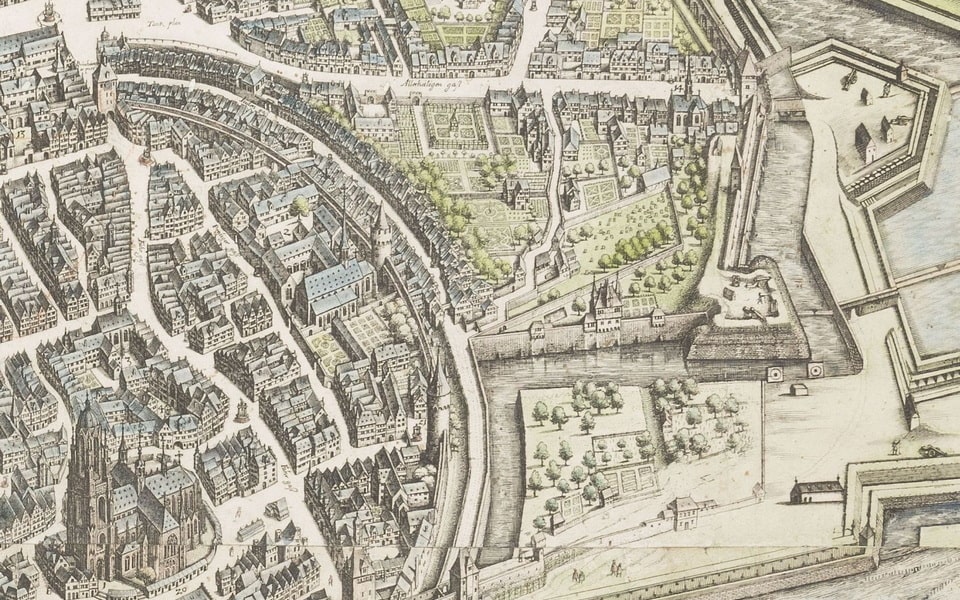
The ghetto area between the ‘Altstadt’ (Old Town) and ‘Neustadt’ (New Town), where the Jews of Frankfurt were placed after 1462, became known as ‘Juddengasse’ or ‘Jewish Street’. The name ‘street’ was neither a coincidence nor a euphemism, as a newly created Jewish area was indeed only 30 meters wide and stretched for around 300 meters to the North of the old Jewish cemetery, known since the 13th century. While at the beginning the city authorities helped with the construction of dwellings for around one hundred people, with time Jews had to build their accommodations, and Judengasse gradually faced overcrowding, being squeezed between neighboring Christian areas. The influx of Jews from other cities in the XV century, particularly Nuremberg, raised the Jewish population in the Frankfurt ghetto to 3000 people by 1610, cramped into around two hundred houses. Without expansion, the Judengasse was raised in floors, and the old houses were subdivided to accommodate more spaces for young families, resulting in the worsening of the sanitary conditions. At night, people at Judengasse used to put beds in every premise, which were used for other purposes during the daytime, for example, kitchens, which served multiple functions.
The first quarter of the XVII was a time of new pogroms against the largest Jewish community in the country. The massive attack on Jews happened in 1614 when a mob broke into the ghetto, killing Jewish men, looting the property, destroying synagogues, and making the remaining Jews flee Frankfurt. While the Emperor condemned the pogrom and the offenders under Vincent Fettmilch were executed, the Jewish community never got compensation. Apart from the destruction, among the attackers were people who owed money to Jews, and those loans were never paid back. The Jews got back to their neighborhood in 1616 under the guard of the Imperial soldiers and with a new status and new limitations on their activities and work, which were improved in 1660. In 1689, the Jewish merchants of Frankfurt were ordered to make business records in German. Unfortunately, the prejudices of the local lawmen resulted in more frequent accusations against the Jews for crimes than against Christians.
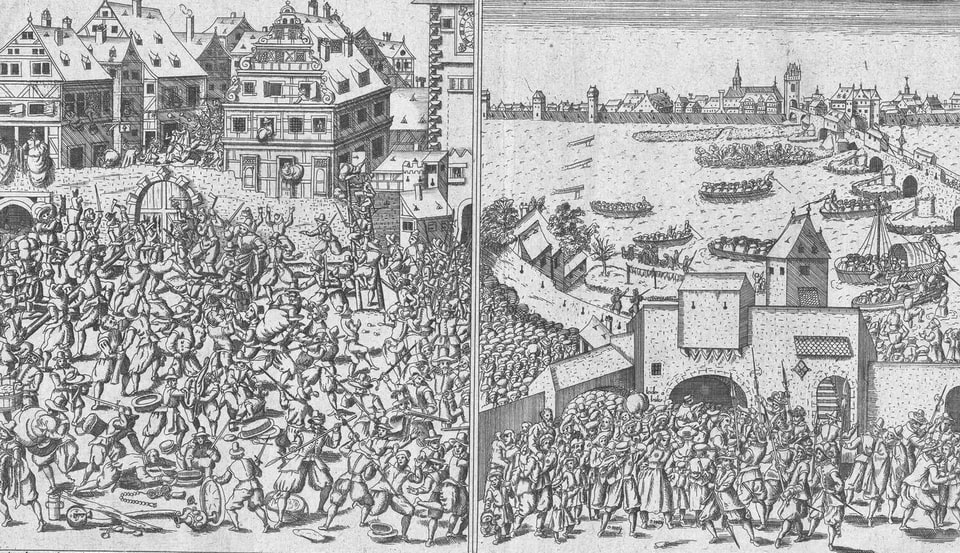
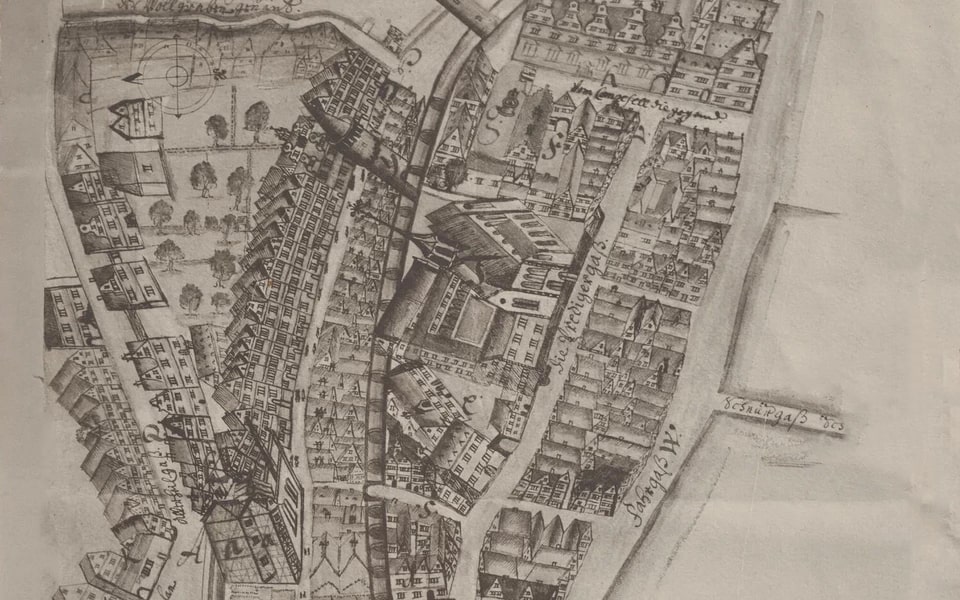
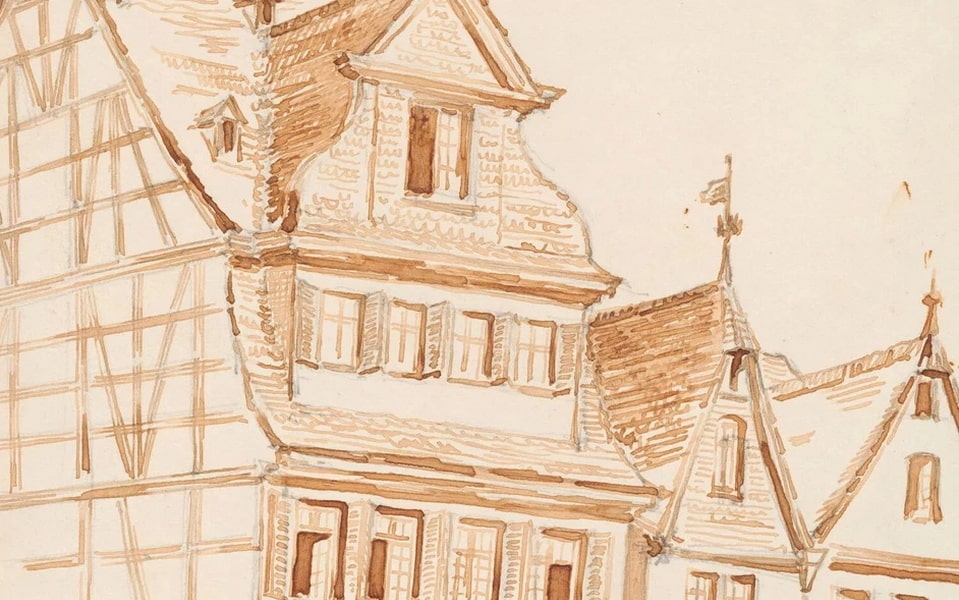
In January 1711, a devastating fire burned the whole Judengasse area to the ground, leaving thousands of people homeless and seeking lodging in the Christian districts and other Jewish communities elsewhere until the area was rebuilt in a few years. Another fire happened in 1721 and another in 1796. During the Napoleonic wars, the abolition of the ghetto restrictions came, and in 1824, Jews finally received equal rights. In the mid-19th century, Frankfurt became the center of the so-called ‘Reform Judaism’ aimed at reconsiderations of religious practices. Despite the abolition of restrictions on living beyond Judengasse until the 1870s, the majority of Jews still resided in the former ghetto area or close to it. The process of putting down the old cramped area took several decades, and toward the end of the 19th century, the old Judengasse ceased to exist, and the city Jews spread to Frankfurt districts. Despite the equal rights on paper, many Jews still faced prejudices and antisemitism; for example, is not allowed at some hotels, restaurants, and resorts.
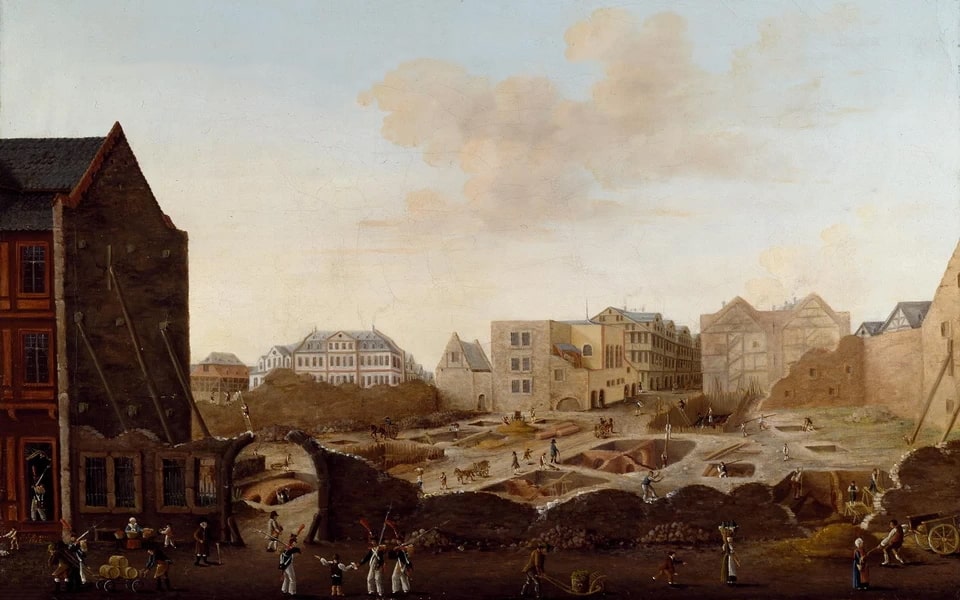
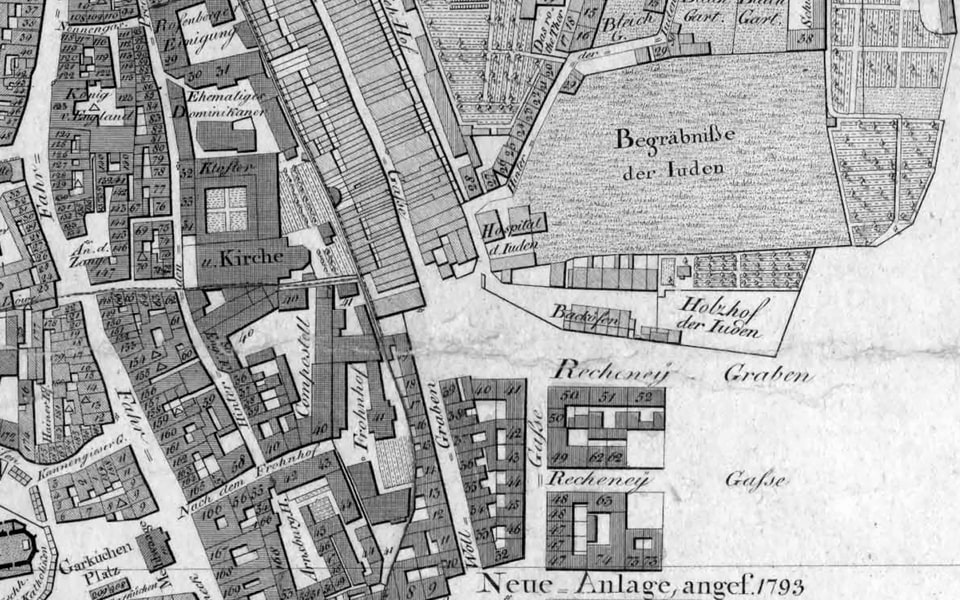
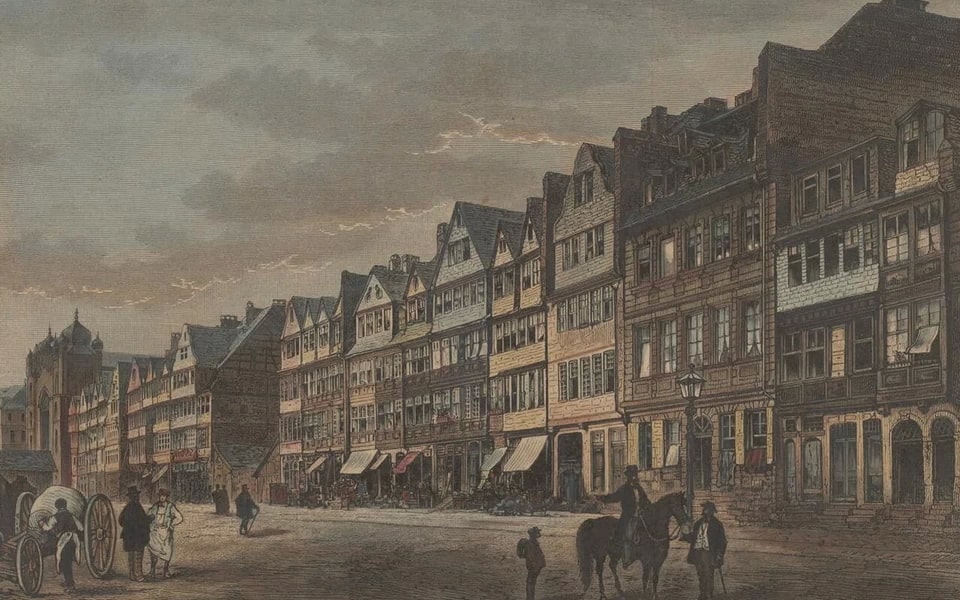
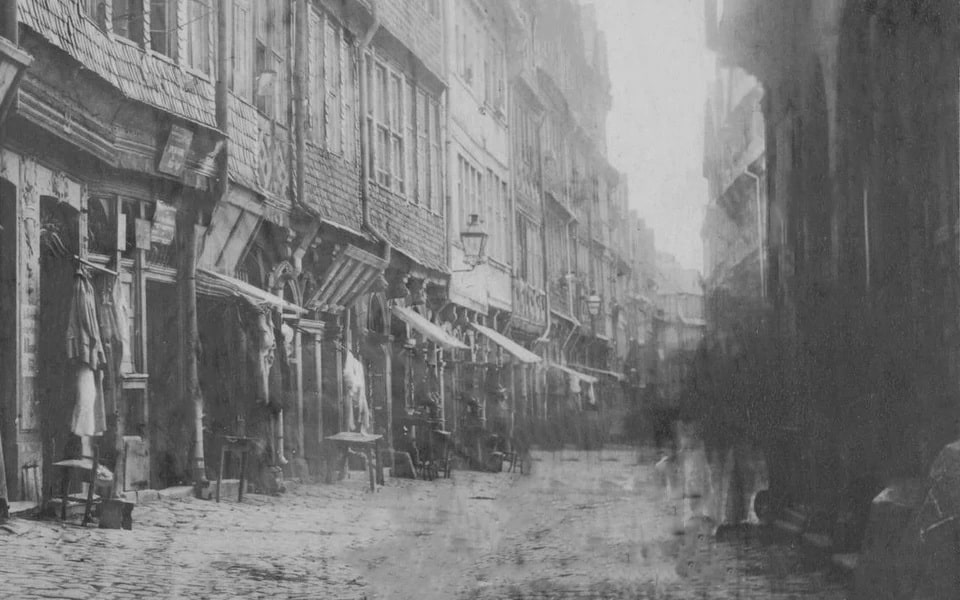
Toward the start of the XX century, despite all odds, the Jewish community in Frankfurt became mainly prosperous and influential in many spheres. Apart from the famous Rothschild family, which originated from Frankfurt and rose to prominence in the 19th century, Jews from the city were active in politics and business, and in 1924, a liberal German-Jewish Ludwig Landmann (1868-1945) became the mayor of Frankfurt. Despite later Nazi propaganda, a high percentage of the city’s Jewish community fought on the battlefields of the Great War. The early XX century witnessed the building of two new synagogues, apart from the Borneplatz Synagogue (1882), inaugurated in 1907 (in the Friedberger Anlage area) and 1910 (Westend Synagogues) respectively. The short period of existence of the Weimar Republic between 1918 and 1933 resulted in the opening of public offices and positions for many Jews, though the NSDAP used to call Frankfurt ‘The city of the Rothschilds’. 26,158 Jews who lived in Frankfurt when Hitler came to power in 1933 were to face dramatic times.
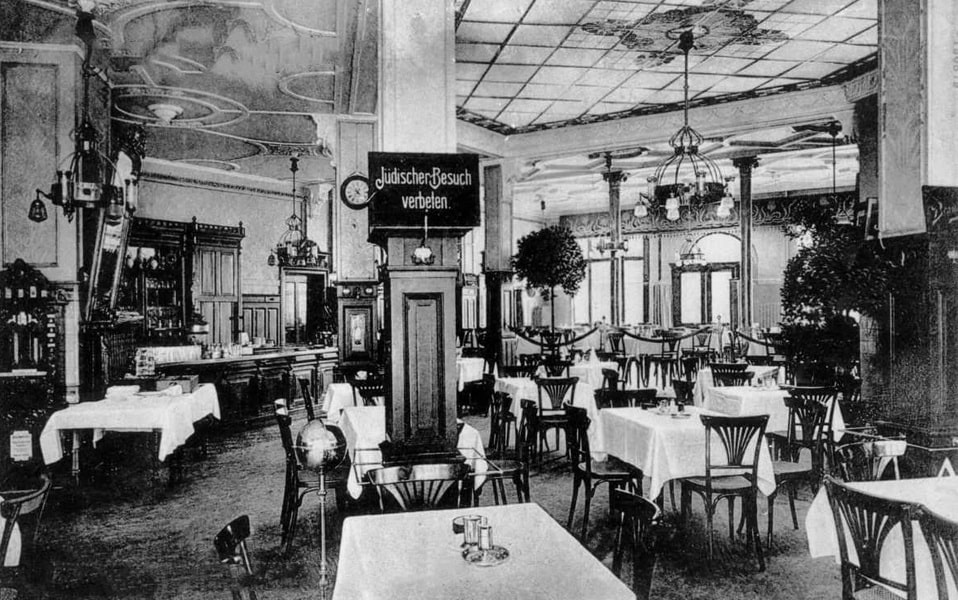

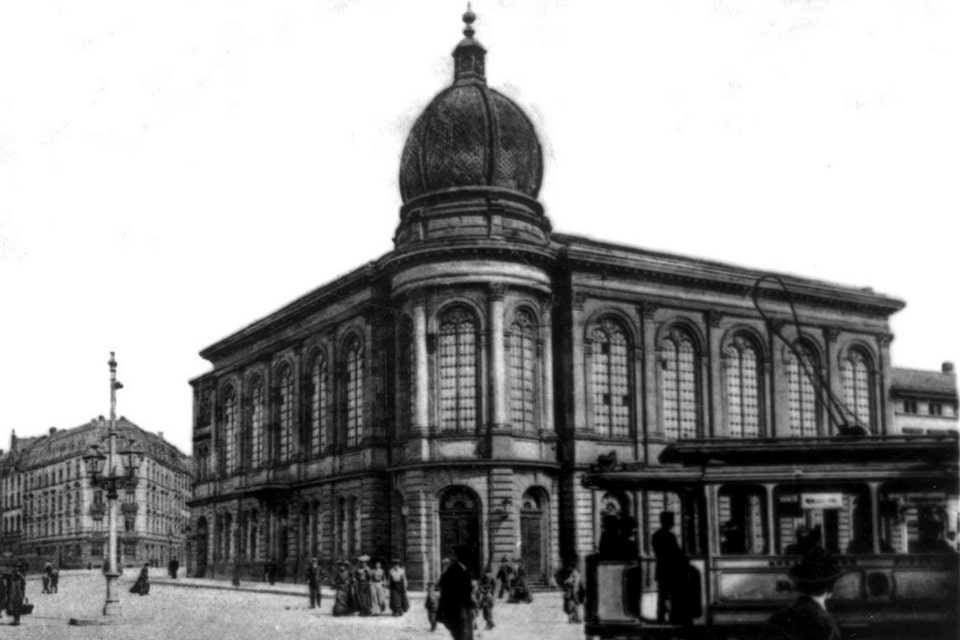
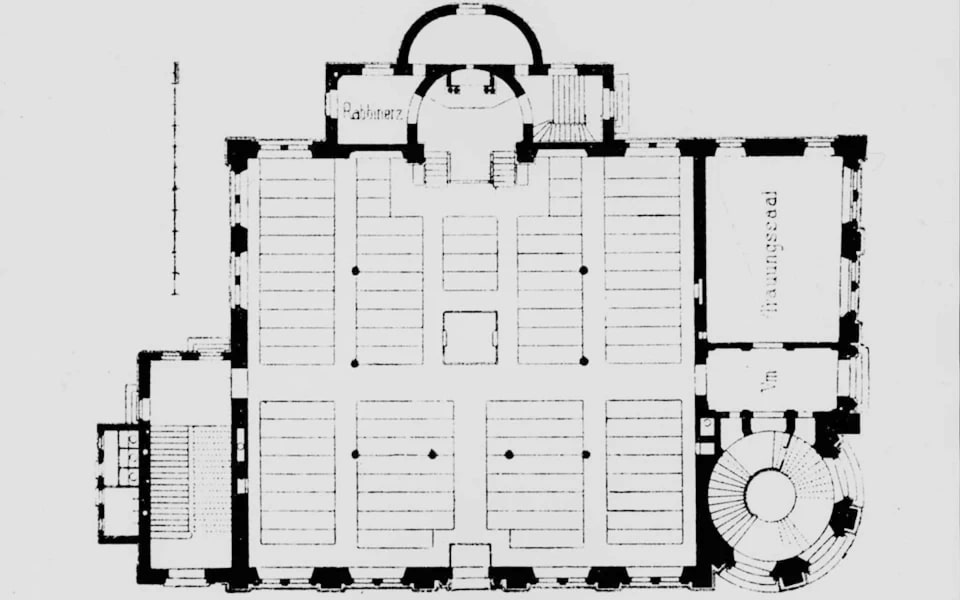
WHEN NAZIS CAME TO FRANKFURT: KRISTALLNACHT AND THE DESTRUCTION OF THE BÖRNEPLATZ SYNAGOGUE (1933–1938)
When Hitler gained the Chancellorship on January 30, 1933, and especially after the Reichstag Fire and the adoption of the infamous ‘Law for the Protection of People and State’ on February 28, those groups of people whom the Nazis had regarded as their opponents and enemies, particularly left-wing and liberal parties and Jews, fell under discrimination and persecution. Ludwig Landmann, the mayor of Frankfurt and a Jew, though being an atheist, left his post as early as March 12, 1933. While speaking in public about the voluntary resignation, Landmann had been previously threatened by the regime and had no other option than to flee. He was not only a liberal and a follower of the German Democratic Party, but a Jew, thus being twice an object for the Nazis. Landmann stayed in Germany until 1939, when he went to Holland and, since the occupation of the latter in 1940, spent the rest of his life in hiding until death from malnutrition in 1945, two months before the end of WWII. The man who took power in Frankfurt in March 1933 was Friedrich Krebs (1894-1961), a former lawyer and Nazi regional representative in Frankfurt since 1924. Krebs hated the former mayor, Landmann, for years and did not hesitate to take his post, firing all Jews from the government service in the city. Despite Kreb’s fervent service to the Nazis and anti-Jewish measures in Frankfurt, after WWII, he spent only three years of internment and was not exposed to harsh measures under denazification, and was even reelected to the local city council and later received a pension.
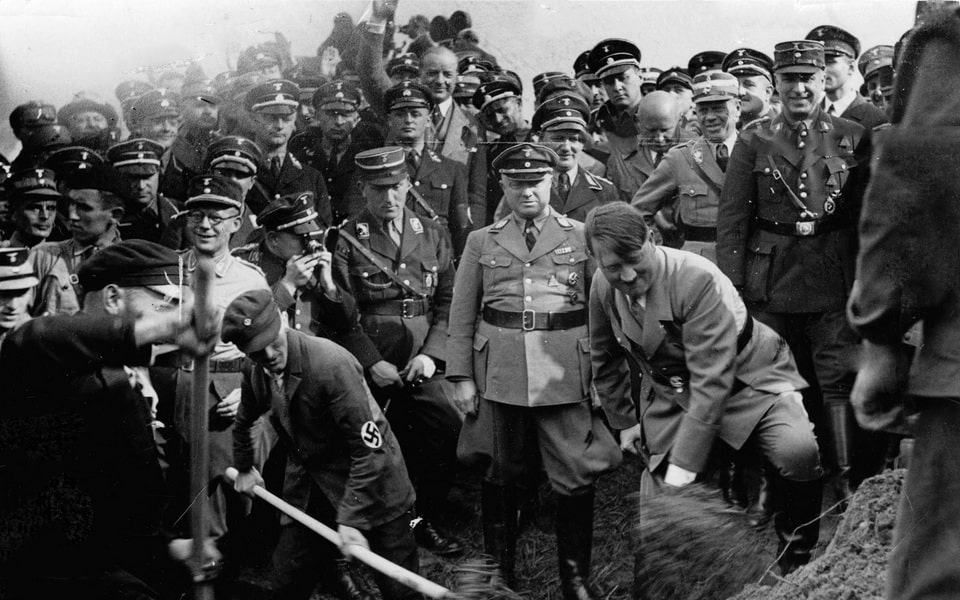
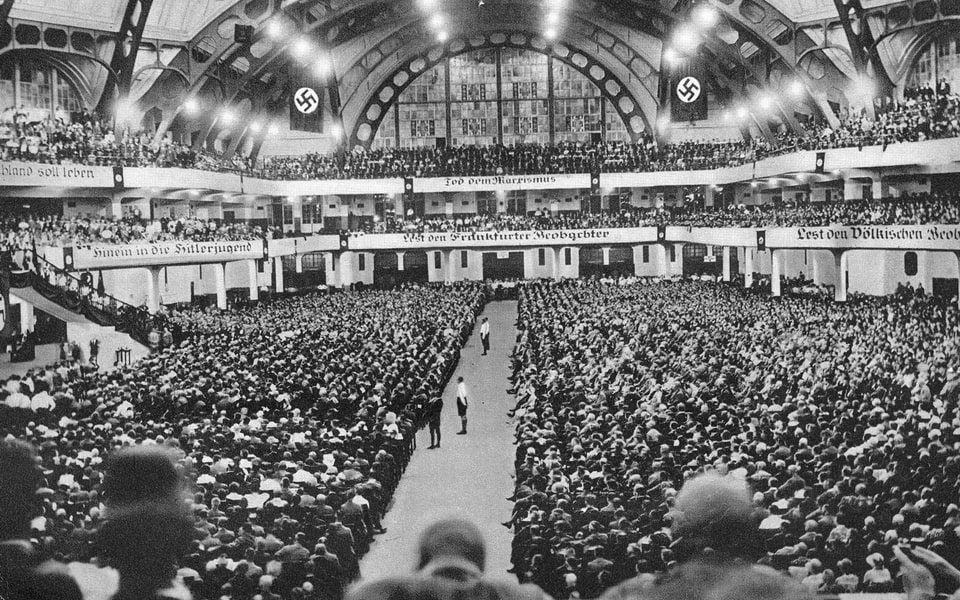
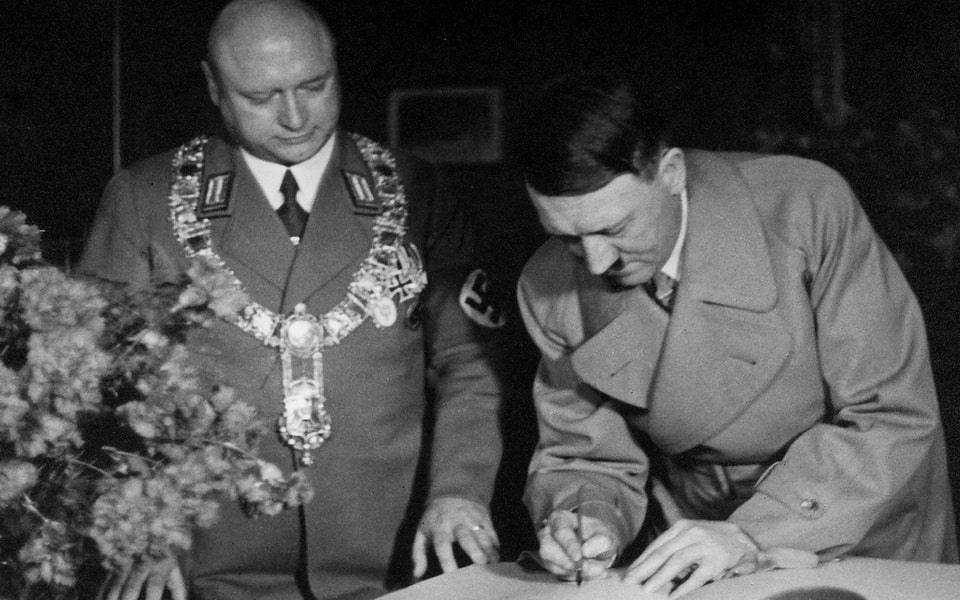
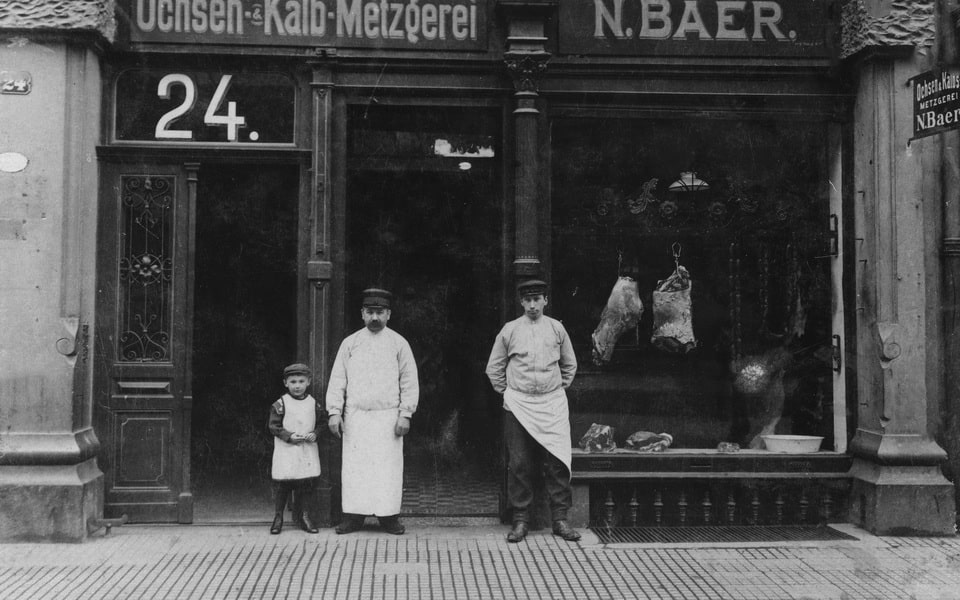
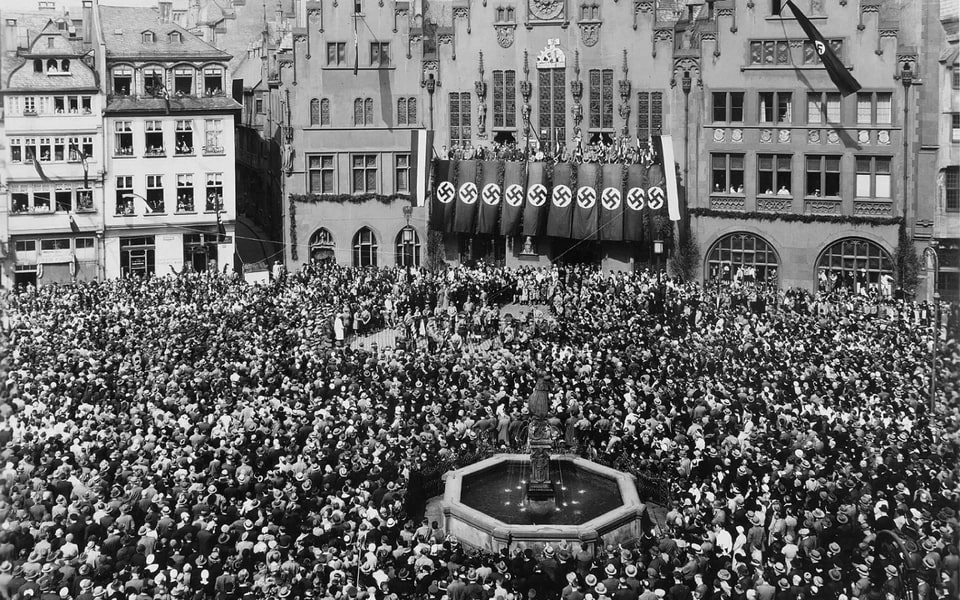
On the day when Ludwig Landmann left his post, the NSDAP won the local elections in the State of Hesse, to which Frankfurt was a part, and the swastika banner was raised atop Frankfurt’s City Hall on March 13, 1933, a grim sign to all Jews. March also brought the first phase of the boycott of the Jewish businesses in the city. While the all-state one-day boycott took place in Germany as late as April 1, in the regions, such actions by the Nazis were taken earlier in March, starting in the Rhine-Ruhr area on March 7, and spreading further, including Frankfurt and Hamburg on March 11. The stormtroopers or Nazi supporters used to block the entrance to the shops owned by Jews, and even in some cases, confronted potential customers, both Jews and non-Jews. Casting a wary eye on the sporadic actions, the government soon abolished those non-systematic actions in favor of a more systemized approach, including the one-day boycott. In Frankfurt, like in many other cities throughout Germany, the boycott of Jewish businesses lasted beyond April 1, 1933. On one occasion, the SS men arrested up to 100 local Jewish retailers after a raid on their meeting devoted to the boycott. Taking into consideration the acts of vandalism and breaking into Jewish homes, these early anti-semitic actions were a precursor of Kristallnacht in 1938 and further persecution. The leader of the Jewish community in Frankfurt appealed to his people with a constrained message in a local newspaper that ‘no one can rob Jews in the city of the thousand-year connection with the German homeland’. An established welfare system was only a temporary solution.

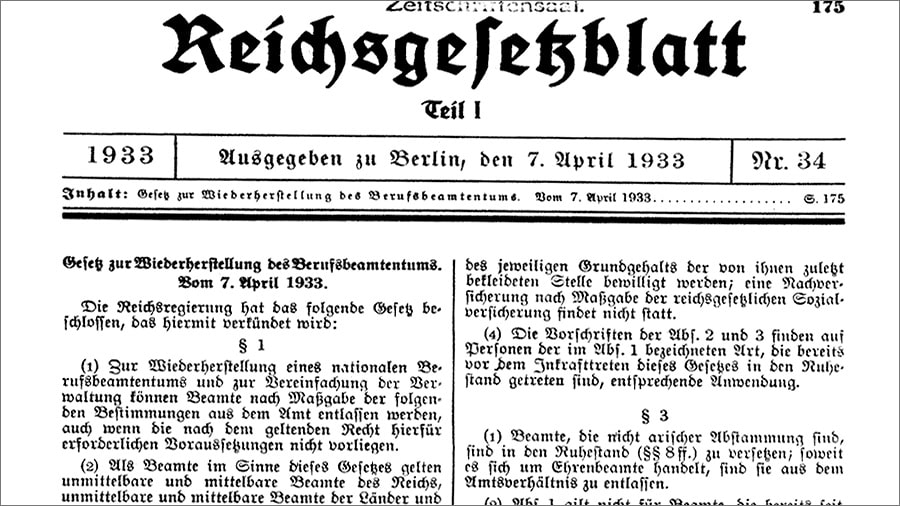
On April 7, 1933, the boycott and interference of the Jewish business on the streets was followed by the so-called ‘Gesetz zur Wiederherstellung des Berufsbeamtentums, shortened to Berufsbeamtengesetz’ (Law for the Restoration of the Professional Civil Service). Another Nazi euphemism gave Hitler’s government legal means to dismiss Jews (non-Aryans) and political opponents (primarily former members of the Communist Party) from their civil servant positions. On the day of the adoption of this law, the authorities in Frankfurt forbade Jews from teaching jobs in the universities, and actors and musicians from performing on the city’s stages. The law finalized the process of dismissing Jews from their jobs, which had been practiced by the Germans in the previous weeks. On one occasion, a Jewish musician was hired on March 30 by the female German owner of the Cafe Corso in Frankfurt despite the formerly signed contract valid for another month. The Jewish band leader appealed to the Frankfurt Labor Court for compensation. The latter referred to the April 7 law and rejected demands and charged the Jewish musician with the costs of the legal procedure.
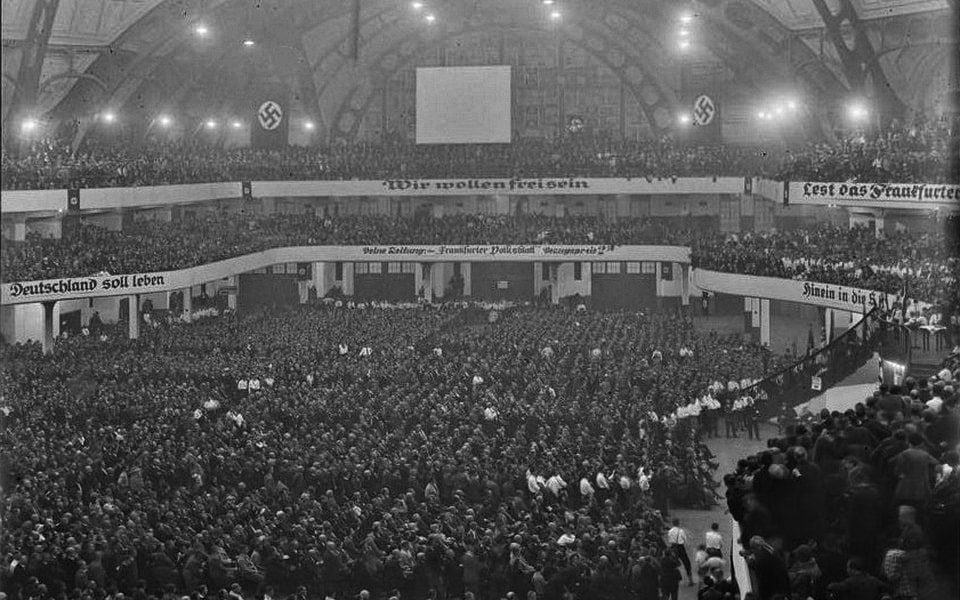
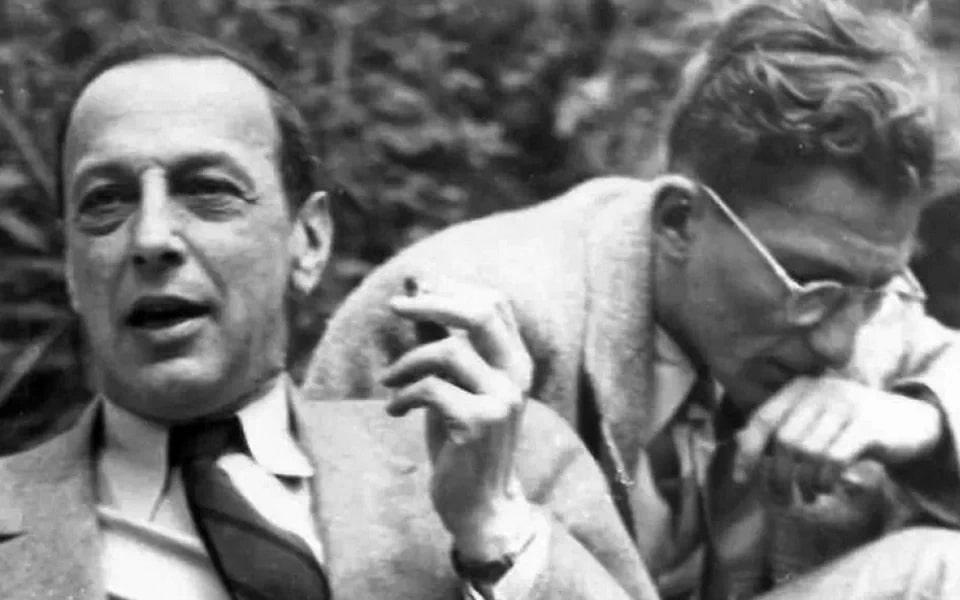
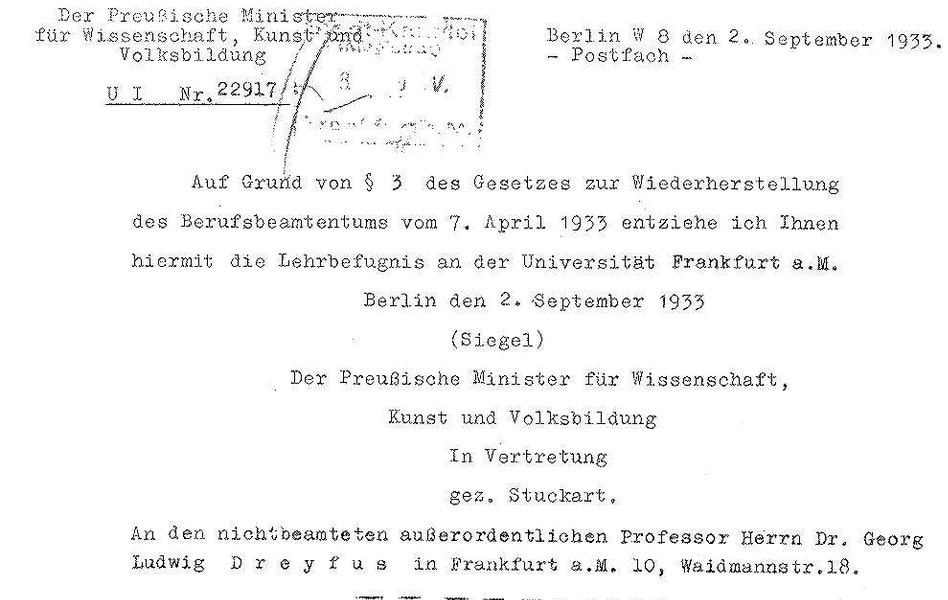
When it came to the lecturers in the educational institutions, every university in Germany was state-funded, and every teacher in a school or university was a civil servant, thus simplifying the Nazis’ process of expelling Jews from their posts under the April 7 law. Toward the beginning of the 1933 academic year in September, 1145 out of 7800 German university teachers, or 15%, were dismissed for their ‘non-Aryan’ background or political views, reaching 1600 in the next year. The percentage in Frankfurt and Berlin was nearly thirty percent of those expelled from the pre-1933 staff, and 313 professors were expelled in the city in the first year of Hitler’s rule. Some of the professors even appealed to the authorities, like the famous medievalist Ernst Kantorowicz (1895-1963). In his letter to the Ministry of Education in the Hesse region, he stated about his Great War service and later opposition to communism. Without waiting to be fired for being Jewish, Kantorowicz left Frankfurt University in the next semester with the hope that the policy of the German government would change, which, of course, never happened until 1945. After retiring from the University in November 1934, he moved to Berlin until fleeing Germany in 1938, first to England and then to the United States. Kantorowicz’s elderly mother was deported to Theresienstadt and murdered there in 1943. In the case of many Jewish professors, their positions were often bluntly taken by the ambitious Germans.
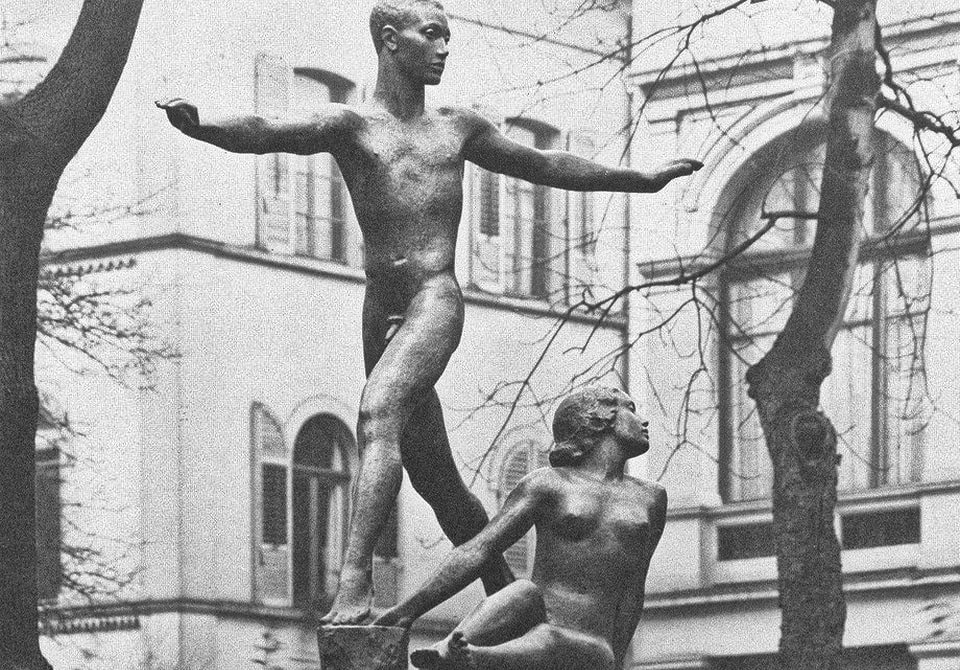
The Nazi witch hunt against their opponents and Jews soon gained grotesque forms and was extended to the fight against the remnants of people the new regime hated. As early as April 10, the state government of Hesse demanded a fervent nazi mayor of Frankfurt, Friedrich Krebs, remove the monument of Heinrich Heine. A monument with two ballet dancers and Heine’s portrait was created by architect Georg Kolbe (1877-1947) and installed in the Friedberg Complex on December 13, 1913, for Heine’s 116th birthday. The sculpture was turned down by the crowbars on the night of April 27, 1933, and put in the cellar of a local ethnological museum, where it survived the war and was restored in 1947. Heinrich Heine was hated in the Third Reich due to his Jewish origin, even though he converted to Christianity at the age of twenty-seven. While Heine was a historical figure from the previous century, the new government tore down the statue of Friedrich Ebert (1871-1925), the first president of Germany and a famous Social Democrat.
The attack on the free press and suppression of the media was another battlefront for the Nazis, starting in 1933. The overall number of newspapers in Germany declined in the years of the Third Reich from 4700 before Hitler’s Chancellorship to less than one thousand in 1944, half of them closed in the first years of the regime. The most famous newspaper in Frankfurt was ‘Frankfurter Zeitung’, founded as far back as 1865 by two influential bankers of Jewish origin: Leopold Sonnermann (1831-1909) and Heinrich Berhard Rosenthal (1829-1876). For decades, the newspaper had been known as a respected media with objective reporting and high intellectual standards. The Nazis waited not long before their first raid on the office on March 11, 1933, when they threatened the staff with banishment. Under the pressure, all Jews except for two half-Jews were fired by the end of 1936, and the name of the founder, Leopold Sonnemann, was removed in 1938. Even though in the later years the newspaper tried to preserve subjectivity, it was impossible in Hitler’s Germany. In 1943, Adolf Hitler personally lifted a ban on ‘Frankfurter Zeitung’. After World War Two the former editorial staff failed to re-establish the newspaper and instead joined Frankfurter Allgemeine Zeitung in 1949.
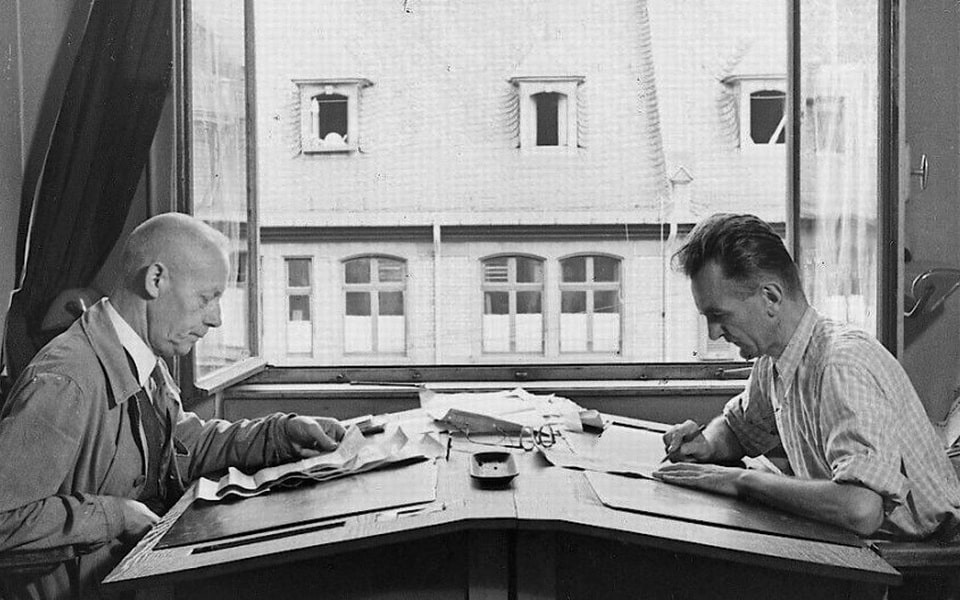
The world of Law was another object of attack since Hitler’s rise to power. In many other areas, the Jews felt secure and prospered in legal practices during the Weimar Republic before 1933. While the overall share of the Jewish population in Germany was around 0.7%, they constituted a quarter of all lawyers in the country. Around 70% of Jewish lawyers were registered in Prussia, and when it comes to Frankfurt, in 1933, 46% of lawyers in the city had Jewish origin, or 278 out of 573. On March 31, 1933, the newly appointed pro-Nazi government in Prussia adopted a decree according to which the ‘non-Aryan’ lawmakers: lawyers, judges, and prosecutors were not allowed to enter Prussian courts. The complete ban on Jewish lawmakers to conduct any professional activity came in November 1938.
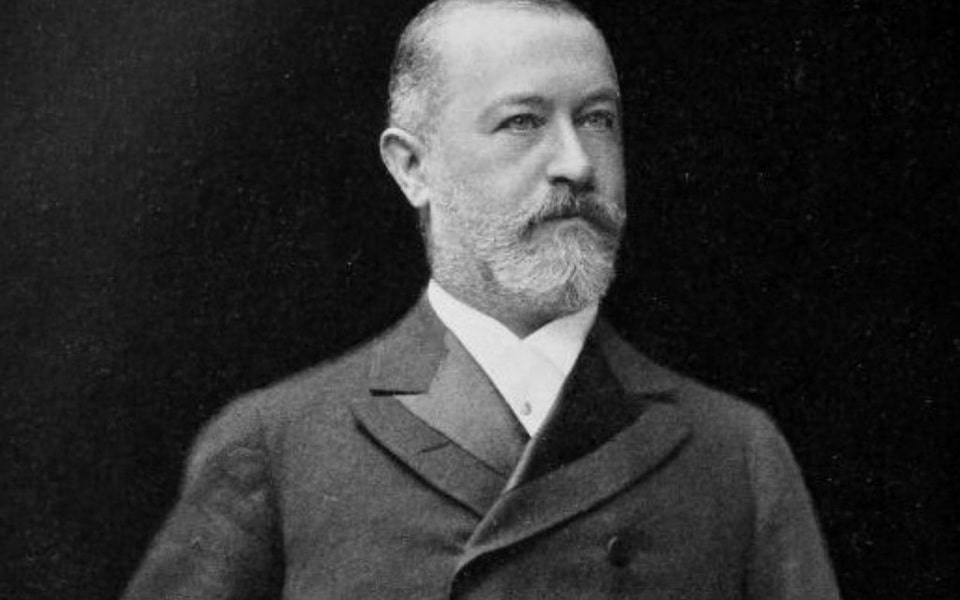
The renaming of the streets and toponyms became another homework for the Nazi regime, and Frankfurt was a vivid example of this practice. The process in the city originated from the appeal of a local female Nazi party member who asked the authorities to rename the street she was living on. The appeal was headed to the city commission of street names, which rejected the demand to remove the name of a Jewish-American banker, Jacob Schiff (1847-1920). Schiff was born in Frankfurt, and his later philanthropic and charitable activities invested a lot in the municipal projects in Frankfurt, and even in the 1930s, the city still received money from Schiff Bank in the United States. At least in the early stages, practical means sometimes dominated the racial prejudice, but the case itself became a precedent for the renaming of other ‘Jewish’ toponyms in Frankfurt. In February 1935, the city renamed fourteen streets and squares, and later the list expanded to nearly fifty, including removing Heinrich Heine and Leopold Sonnermann from the city’s map. When it came to Jakob-Schiff-Strasse, when the Nazi propaganda hyped the accident, the street was renamed Mumm-Strasse after Daniel Heinrich Mumm von Schwarzenstein, a mayor of Frankfurt between 1868 and 1880. Several dozen ‘Jewish toponyms’ in Frankfurt were never renamed because their naming could be explained in other ways, for example, female names like Luisen-Strasse or Sophien-Strasse, which had been named after the women from a Jewish Rothschild family.
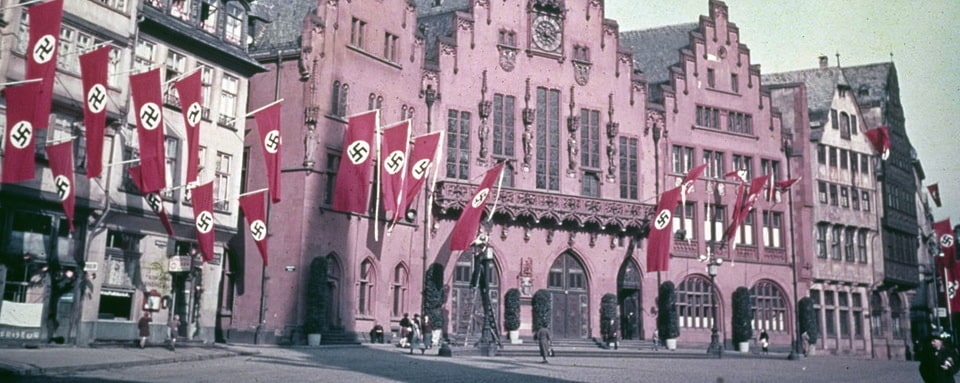
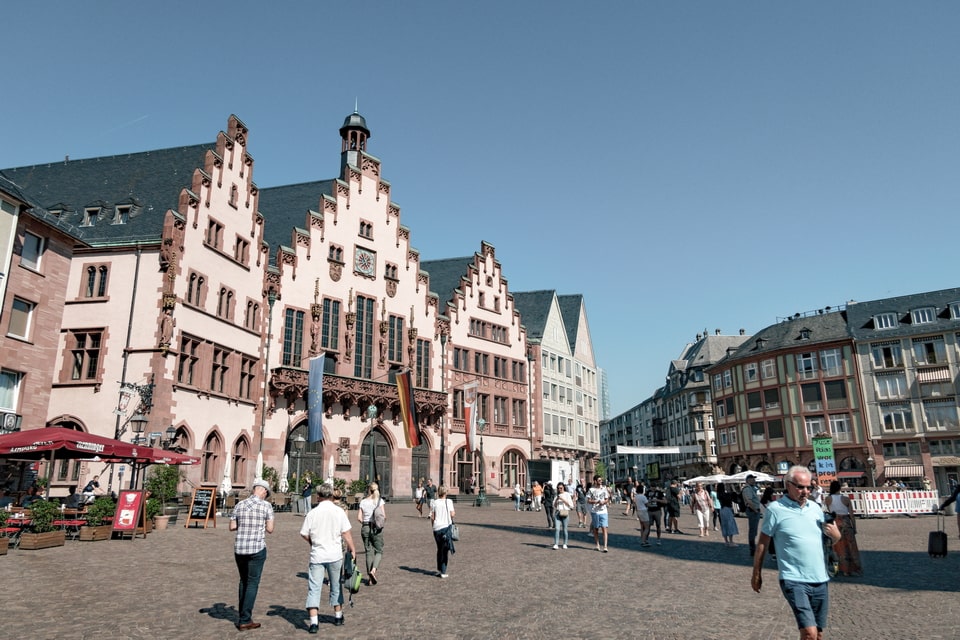

The stigmatization of Jews in Frankfurt continued in 1934 and further. It is worth noting that only 41 Gestapo officers were stationed in the city in 1934, and the regime relied a lot on its citizens. At this early stage of the Third Reich, there still could be clashes between the NSDAP members and the state institutions of other kinds, even when the issue in one way or another concerned the Jews. On the eve of Christmas 1934, a mob of party members in civilian clothes blocked several Jewish shops in Frankfurt and smashed the windows. When the local police came to arrest the offenders, the latter threatened the officers, referring to their party status as members of the so-called ‘National Socialist Fighting League for the Commercial Middle Classes’. The police protested against such insults and regarded the boycott actions as obscure. In April 1935, the Nazi Trade organization launched a campaign of putting signs in the shops, which were ‘Aryan’ in Frankfurt, and the later report calculated a significant success.


On many other occasions, the bullying of the Jews only intensified compassion and sympathy toward the victims. Despite the dissatisfaction of some part of the population with the campaign against Jews, the persecution became evident even to foreigners. Probably the most well-known witness accounts from Frankfurt of this kind originated from Robert Smallbones (1884-1976), British consul in Frankfurt am Main since late 1932. In 1935, when every fifth Jew in the city was a recipient of the welfare network, Smallbones wrote to Samuel Hoare, Secretary of State for Foreign Affairs at that time, that Jews in Frankfurt were subjected to harsh, inhuman treatment, fired from work, and excluded from visiting public places, such as theaters, parks, and restaurants. In some places, there were special segregated benches for Jews. After the pogroms in November 1938 and before his evacuation from Frankfurt in September 1939, Smallbones provided visas for thousands of German Jews. What he could not see was how the Jewish community tried to make their lives a little better by organizing alternative cultural events and meetings, including theater performances, sports events, musical concerts, and the meetings of the Jewish War Veterans organization when it was practicable.
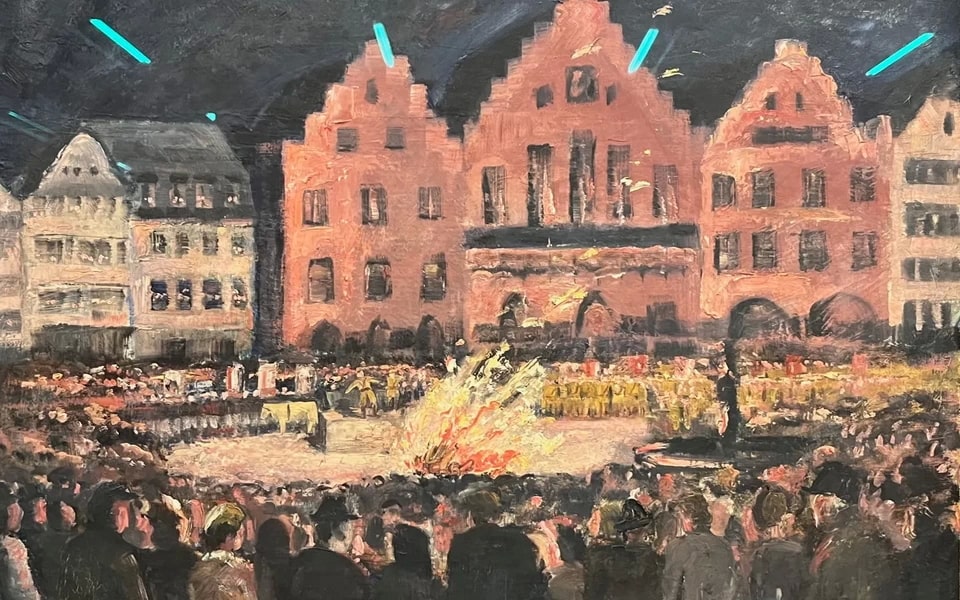
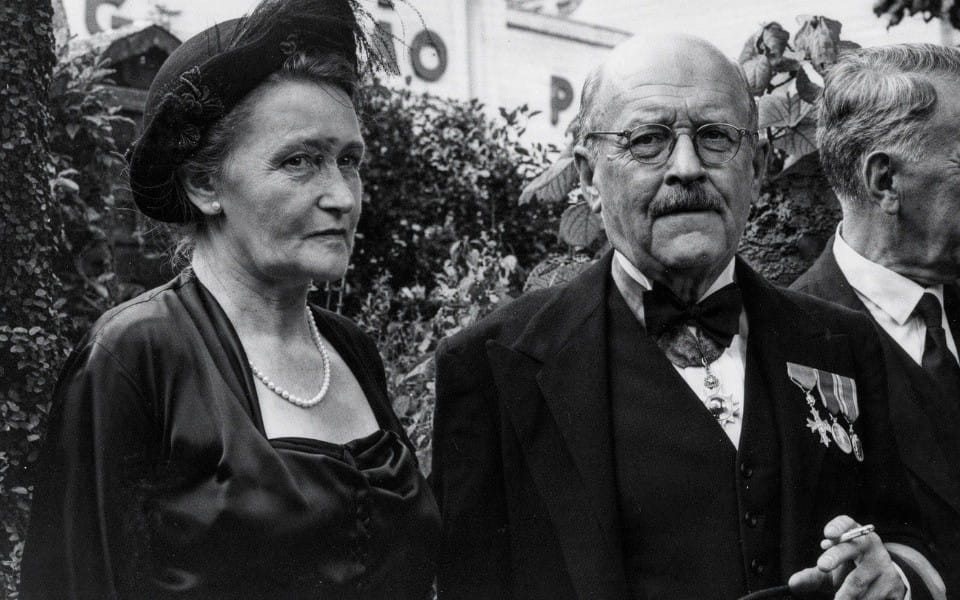
As I have shown above, the road to the infamous Kristallnacht was laid in early 1933. In April 1938, the Gestapo targeted beggars, tramps, and sometimes people without employment and put at least 2000 people from these categories in the Buchenwald concentration camp, and 10,000 across the country, though the Jews were not the primary victims. In June 1938, additional instructions came from the Gestapo’s head, Reinhard Heydrich, and people without permanent places of residence, like Hitler himself in his Vienna years, were now put into custody by the criminal police across Germany. The Frankfurt case is remarkable in this context as the city’s police arrested four hundred people against two hundred, which was demanded from each police district. At the same time in 1938, the Jews in the city were obliged to always have passports with them, and people who did not have identification papers upon the police’s request could be arrested or beaten or both. The Jewish business in Frankfurt also became targets for spontaneous raids and searches, and such centralized actions against Jews intensified in 1938.
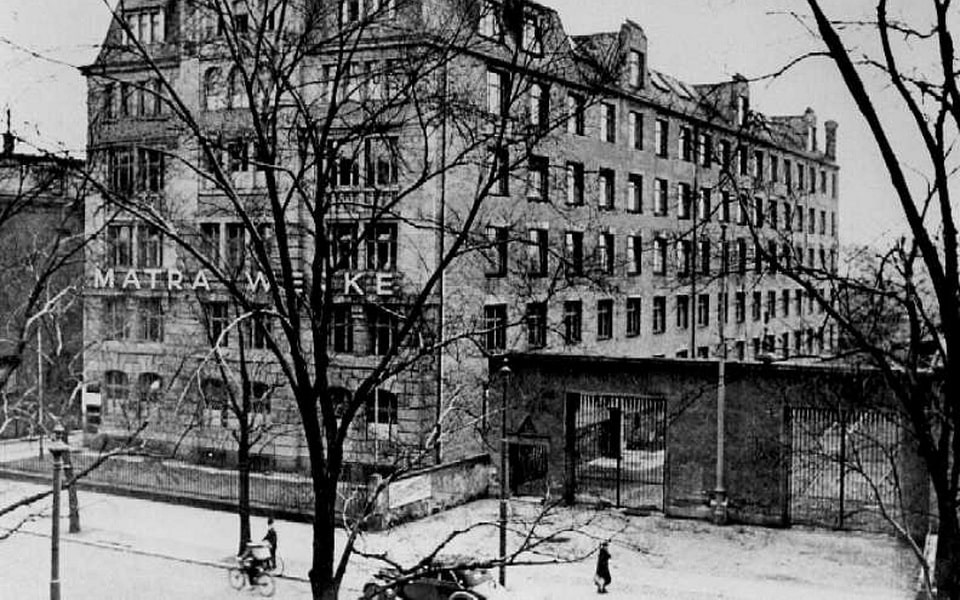
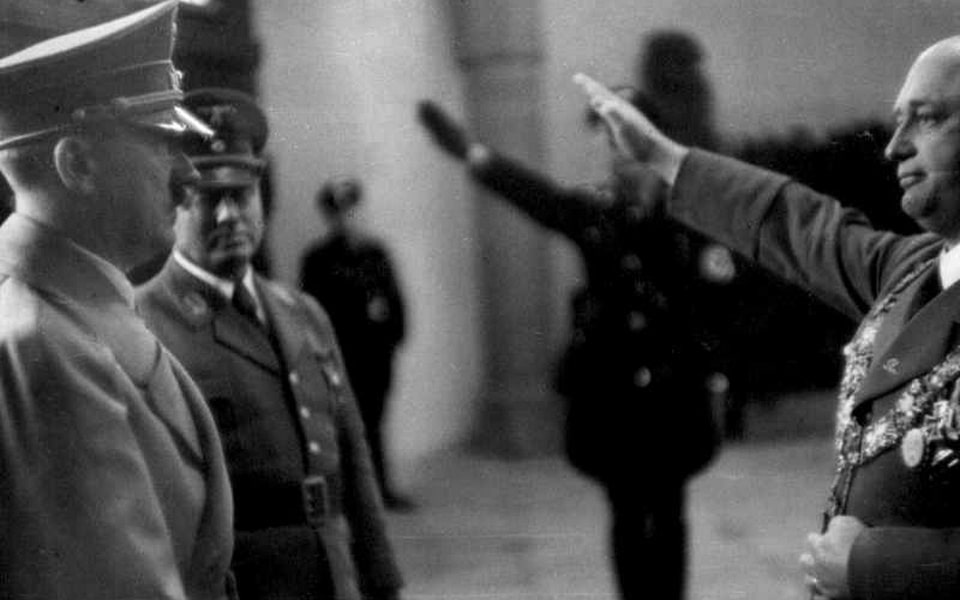
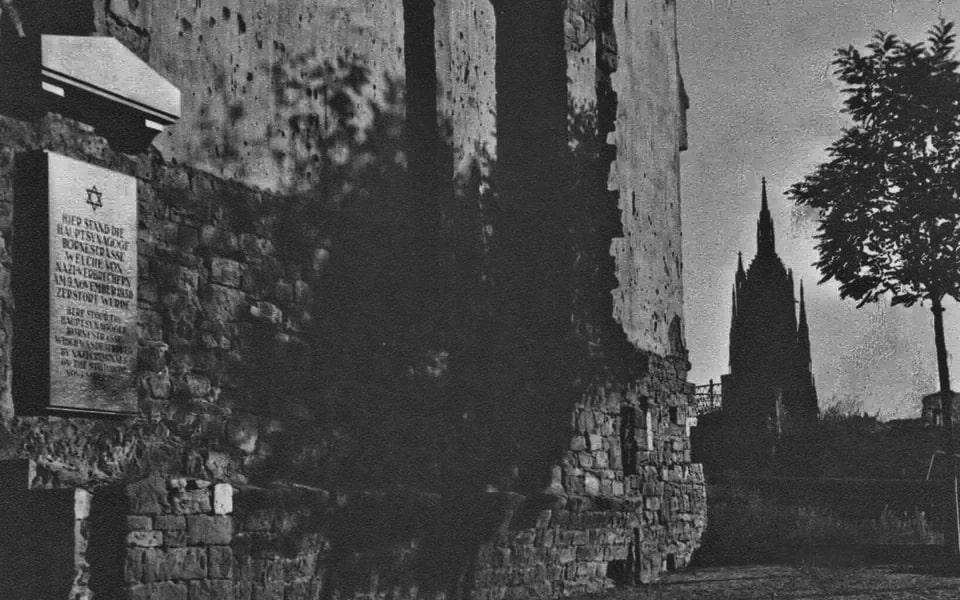
The infamous anti-Jewish pogroms in Germany on November 9-10, 1938, known as ‘Kristallnacht’ or ‘Night of the Broken Glass,’ were fervent and massive in Frankfurt. The mob of Nazi party members, SA, Hitler Youth, pangermanic formations, and antisemites plundered Jewish property across the city: shops, cafes, offices, and private homes. All three main synagogues in Frankfurt, including the one at Borneplatz near the old Jewish cemetery, were raided and set on fire. The Jewish educational institutions were raided, damaged, and closed. Those acts of plundering were accompanied by widespread looting. It is worth mentioning that the youngest Nazi supporters of the Hitler Youth were among the most fervent raiders. British Consul-General in Frankfurt Robert Smallbones included his eyewitness account of the November 1938 pogrom in a letter to George Ogilvie-Forbes (1891-1954), a Counselor to the Embassy in Berlin since April 1937.
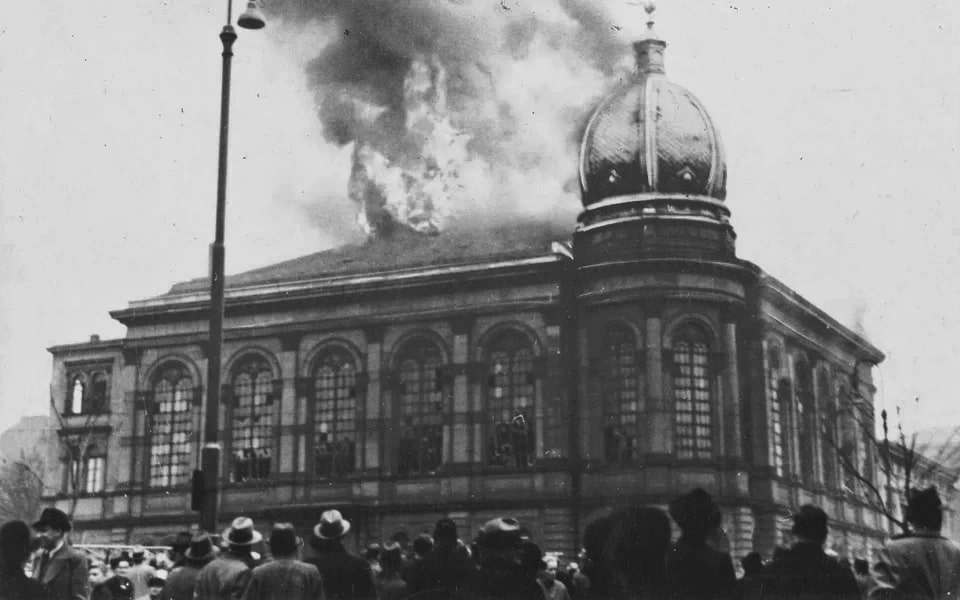
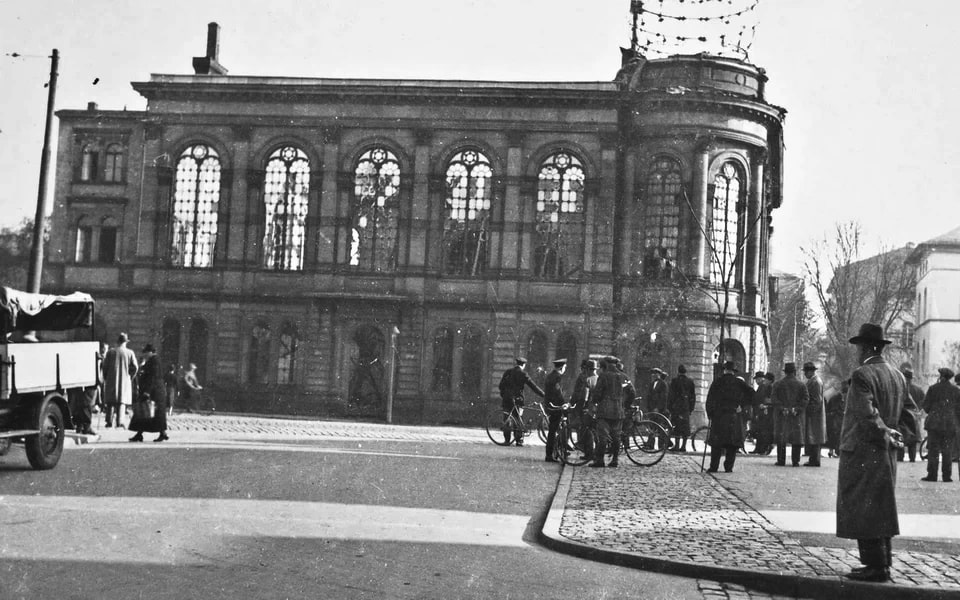
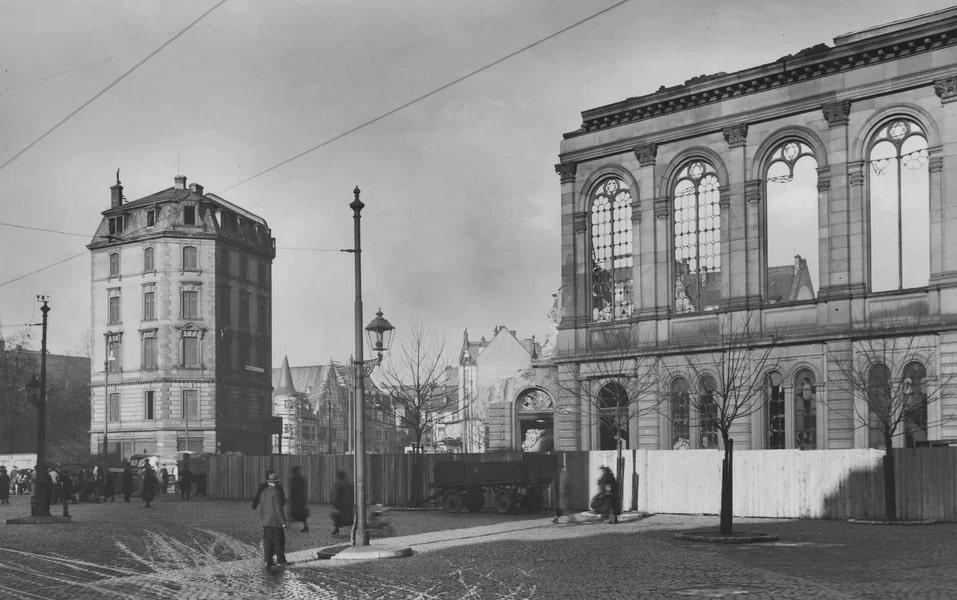
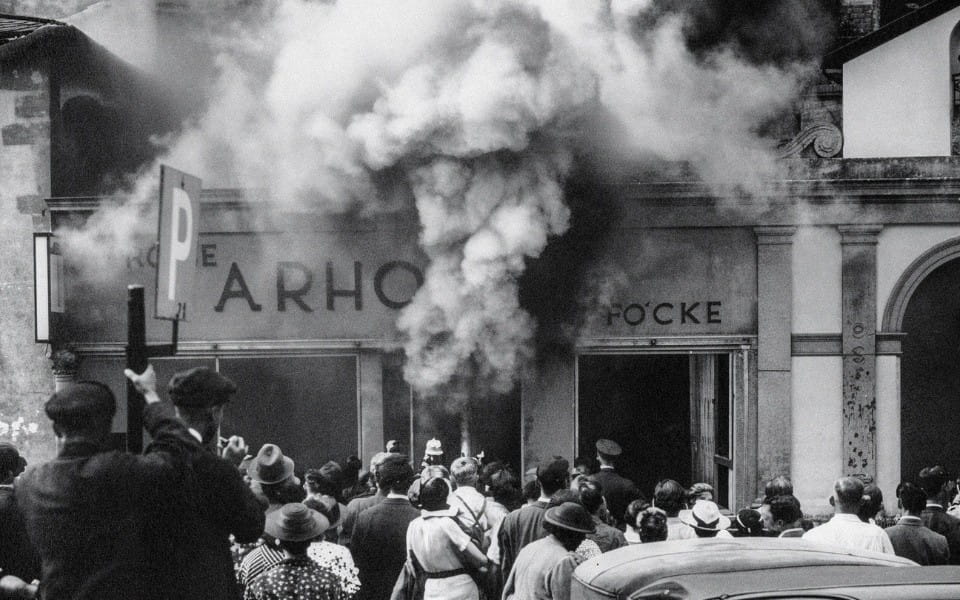
The ubiquitous acts of vandalism were backed by beatings, bullying, and arrests of male Jews, which lasted for several days starting from November 9. The men were not only caught on the streets but taken out of their homes and places of work. Like in many other cities in Germany, those arrested were not taken to concentration camps like Buchenwald immediately, but put into temporary prison-like assembly points. In Frankfurt, Festhalle, a multi-purpose area of 5600 square meters, was turned into an improvised detention center for Jews after Kristallnacht, where some of them died from beatings, malnutrition, and excruciating exercises ordered by the SS and police. Opened in 1909 as an exhibition hall, Festhalle became a prison for nearly 3000 Jewish males before being sent to concentration camps. A few hundred were released within hours, mainly WWI veterans. The main destinations for the others were Dachau, Sachsenhausen, and Buchenwald, with 2621 sent to the latter in eight trains in November 1938. Back in 1929, the city of Frankfurt had a practice of setting up a detention camp for gypsies at Friedberger Landstrasse Street, which in the Nazi era would become a model for other concentration camps for Roma and Sinti.
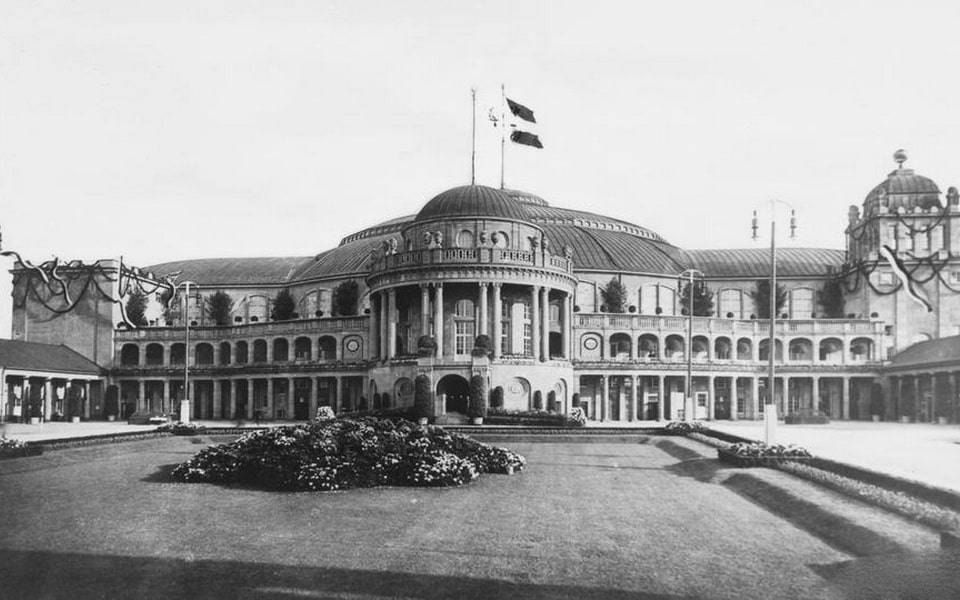
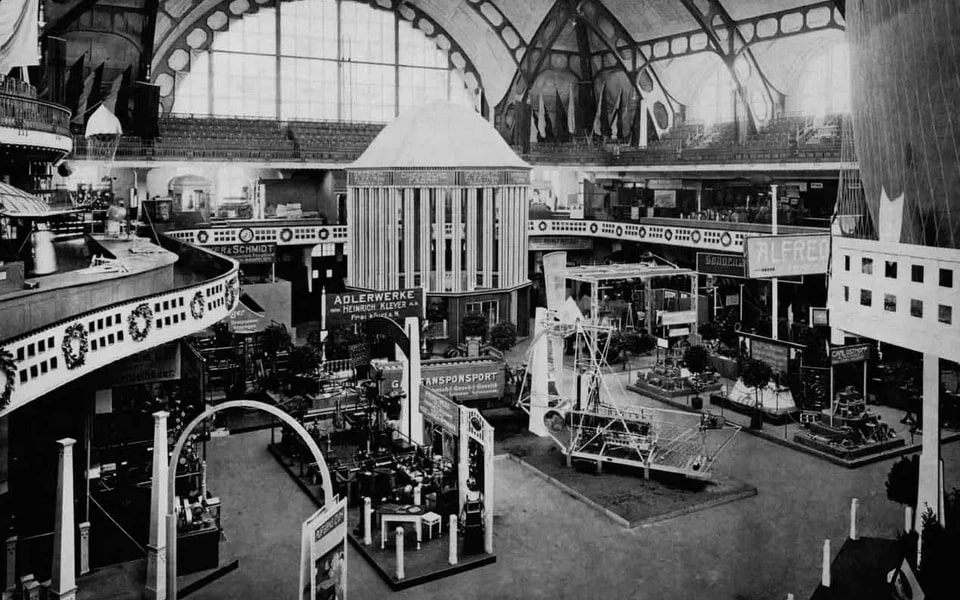
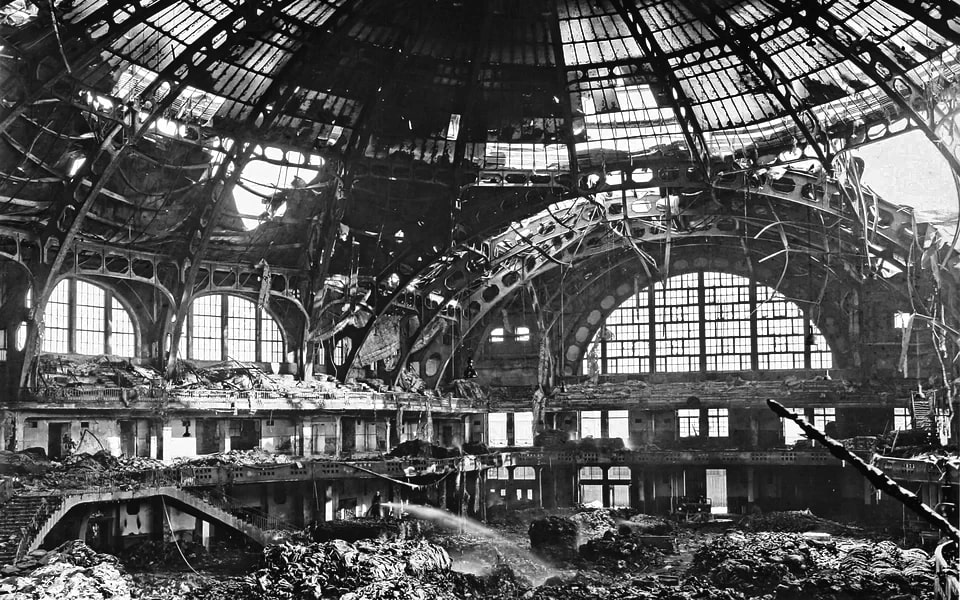
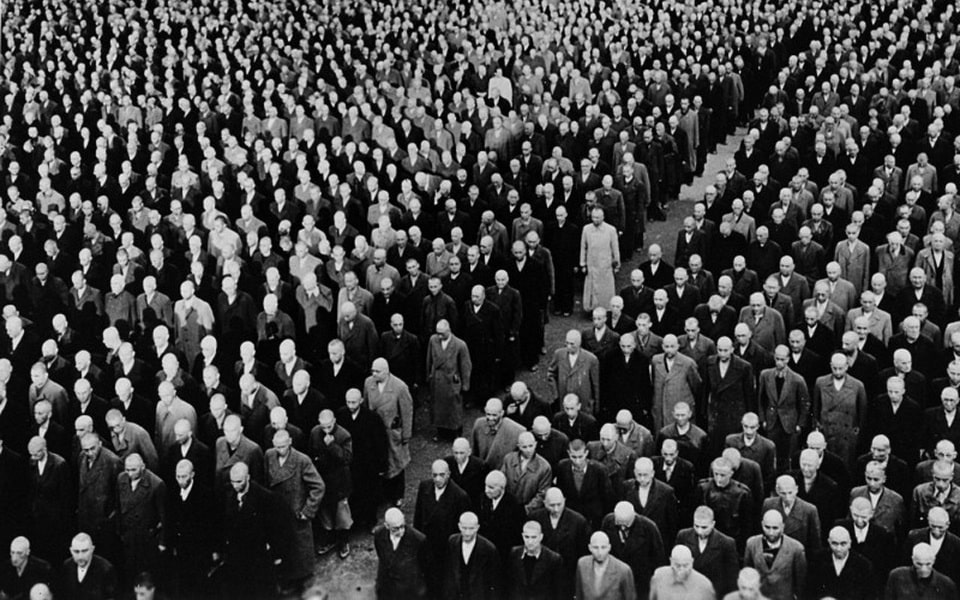
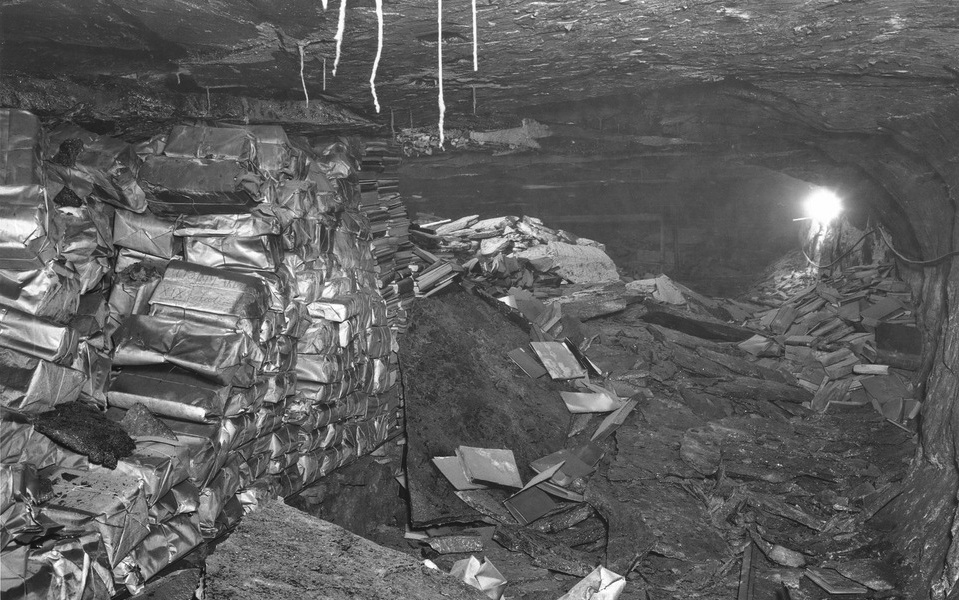
For those Jews who were sent to concentration camps in November 1938, and particularly for the Frankfurt Jews sent to Buchenwald, the hardships only began. They were brutally treated and poorly fed, and the barracks in the camp lacked appropriate conditions in the cold winter of 1938/1939, which resulted in the death of hundreds of those male, some only days after they arrived at Buchenwald. Some elderly men died from strokes, and others suffered nervous breakdowns in custody. While three thousand men were taken away from Frankfurt, the police took control of the Jewish communal archives in the city, and the surviving papers were examined by the Gestapo officers, including the list of all Jews in Frankfurt. A bulk of documents was later transferred to the infamous ‘Institute for Research of the Jewish Question’.
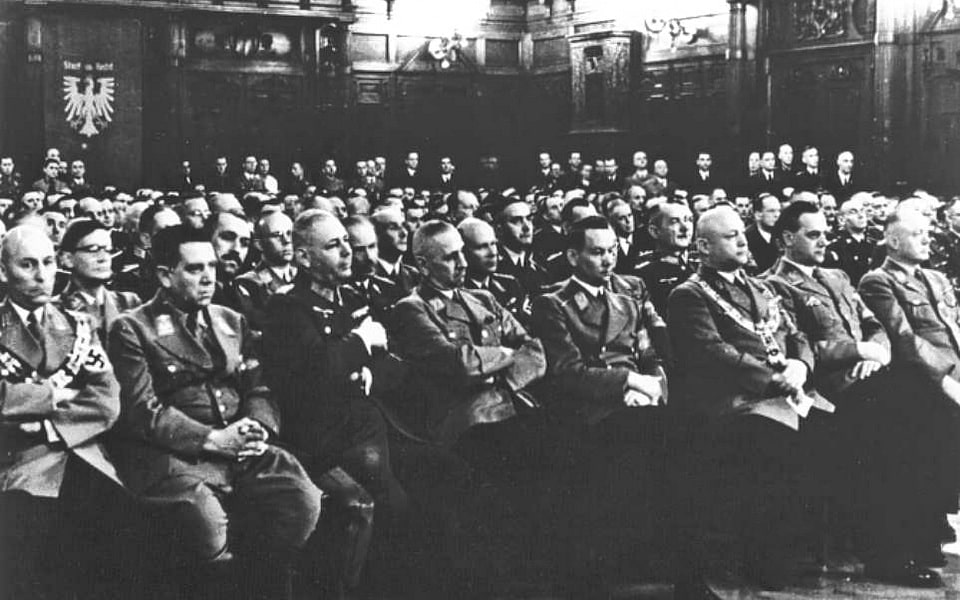
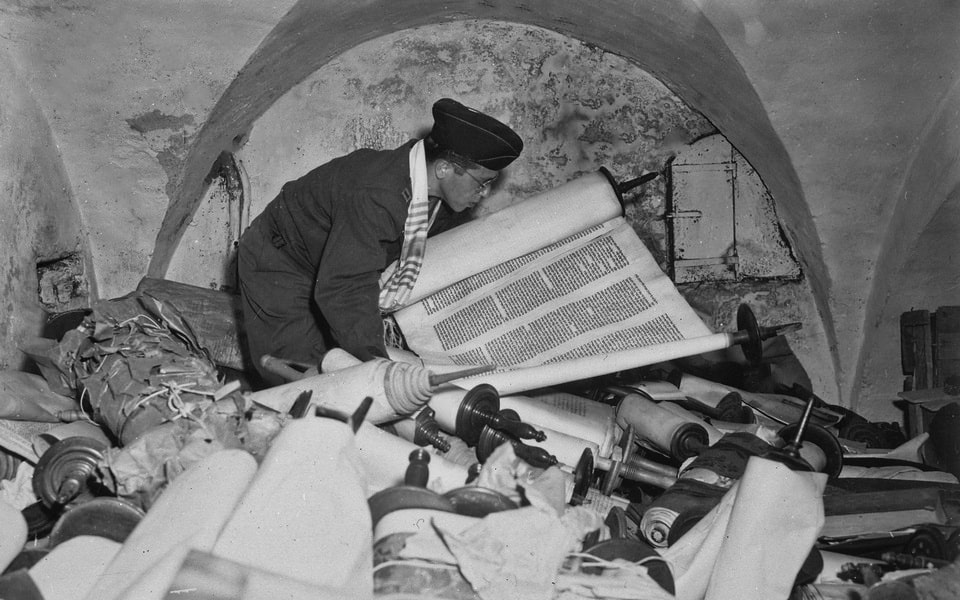
The idea of ‘Institut zur Erforschung der Judenfrage’ (should not be confused with a body of a similar name under Joseph Goebbels) was advocated by the city’s mayor, Friedrich Krebs, in late 1938, and the institute finally opened in Frankfurt in March 1941. It was a pet project of Alfred Rosenberg (1892-1946), one of the architects of the Nazi ideology. It is important to note that at that time it included the largest library related to Jewish life in Germany, where many documents and pieces were looted or expropriated, including documents from Frankfurt’s Jewish community. The man put in charge of this institution was Wilhelm Grau (1910-2000), a historian, an NSDAP member since 1937, and one of Rosenberg’s minions who supervised the robbing of Jewish libraries in France in 1940. After WWII, Grau evaded appropriate denazification and continued his academic career and worked as a publisher until retirement. He died peacefully at the age of ninety. Unfortunately, in March 1944, the Jewish library in Frankfurt on Bockenheimer Landstraße Street was badly damaged during one of the Allied air raids on the city.
FRANKFURT JEWS: FORCED LABOR, GROSSMARKTHALLE DEPORTATIONS AND EXTERMINATION (1939–1945)
An estimated 523,000 Jews lived in Germany when Adolf Hitler came to undisputed power in 1933, and six years later, the persecution and emigration decreased this number almost two times. The last pre-war census in the country showed 330,892, though the Nazis still debated on exactly who should be considered a Jew. Of this nationwide figure, including Austria, 14 461 Jews still lived in Frankfurt, thus comprising 4.4% of the country’s number, and around 7% if to take only the “Old Germany’ without Austria, as 91 480 Jews lived in Vienna only. Except for Vienna, Frankfurt comprised the second largest Jewish community in Germany after Berlin (82,788) and was followed by Breslau (11,172), Hamburg (10,131), Cologne (8,539), Munich (5,050), Leipzig (4,477), Mannheim (3,024), and Nuremberg (2,688). The decrease of the Jewish community in Frankfurt was equal to the nationwide proportion: 14 461 still living in the city in 1939 out of 26,158 in 1933 or 55%. In overall numbers, in 1939, Jews still comprised 2.61% of Frankfurt’s total population of 554 000. It is worth mentioning that Frankfurt am Main saw the influx of Jews from the countryside, where the conditions were even more inferior than in large cities, due to more abusive treatment by the local police and SS, and the lack of Jewish relief organizations. Mayor Krebs opposed such immigration but failed to stop it.

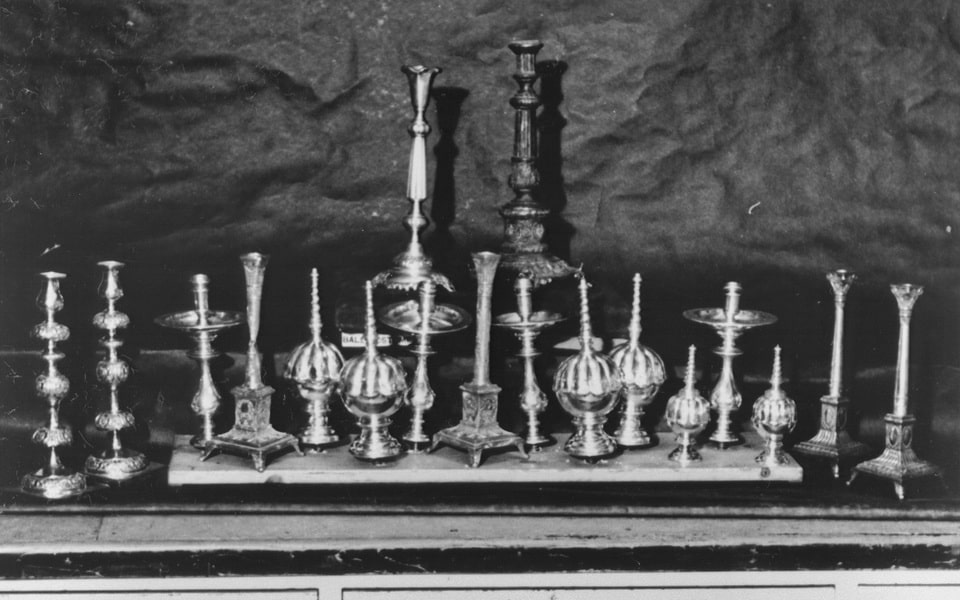
One of the aspects that deteriorated the challenging conditions of Frankfurt’s Jewish community even more in 1938-1939 was the practice of the so-called ‘Aryanization’ of Jewish property. In simple terms, Jews were forced either by force or by threats to sell their businesses and living spaces to Germany for minimal compensation. In many cases, apart from selling their business at little to no cost, the Jewish entrepreneurs were often obliged to settle the costs of the deal itself and for firing Jewish employees. As the Jews were not allowed to access their bank accounts, the compensation was often taken by the state. Mayor Krebs in Frankfurt even issued decrees that regulated the confiscation of Jewish property, which had to make the expropriation not spontaneous but institutionalized.

The Courts in Frankfurt were of no help to the Jews, and the examination of each case with appeals often lasted no more than thirty minutes, and in most cases without listening to both sides. The accusations against the stigmatized Jewish community sometimes took grotesque forms. In 1939, a Jewish man in Frankfurt was put into custody for looking at a fifteen-year-old non-Jewish girl on the street: one of the Nazi self-made myths which presented Jewish males as sexual beasts who seek to abuse ‘Aryan’ women. At the same time, the Jewish children were real objects of discrimination starting from April 25, 1933, when the Nazis approved the so-called ‘Law against Overcrowding in Schools and Institutions of Higher Education’. Another of the Third Reich’s euphemisms prescribed strict limitations (only 1.5% of the overall number of students) for Jewish children for admission to both public and private schools. In late 1938, a principal of the Fürstenberger Gymnasium for Girls in Frankfurt had to explain to authorities why two Jewish girls participated in the daily raising of the German flag. The case later resulted in expelling Jewish pupils from the educational institutions in the city. It should be noted that Frankfurt served as a local center of children’s Jewish emigration when parents decided to send their children abroad. More than 20,000 non-adults left Germany in this way until late 1940, with half of them finally reaching England with the help of Jewish social organizations.
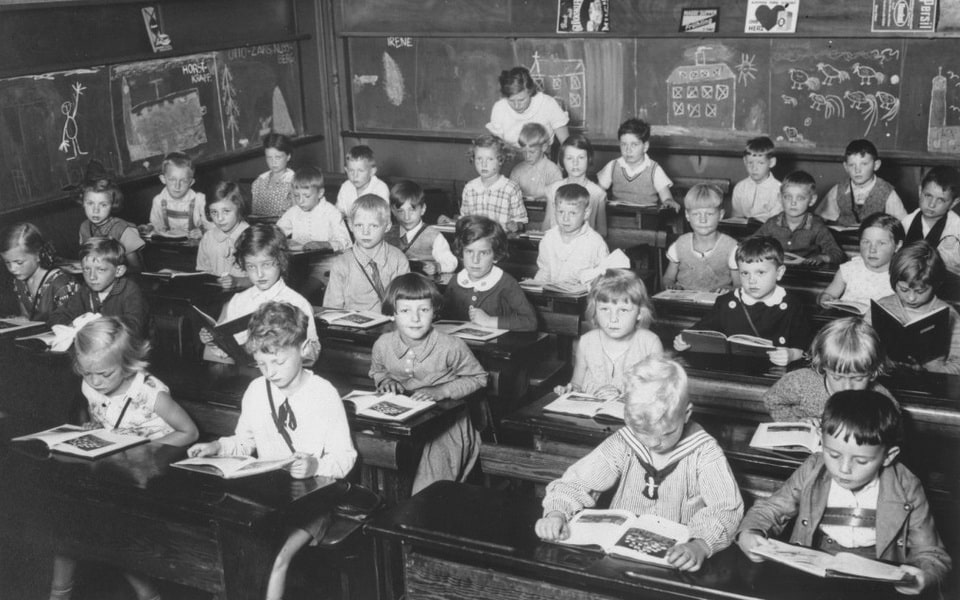
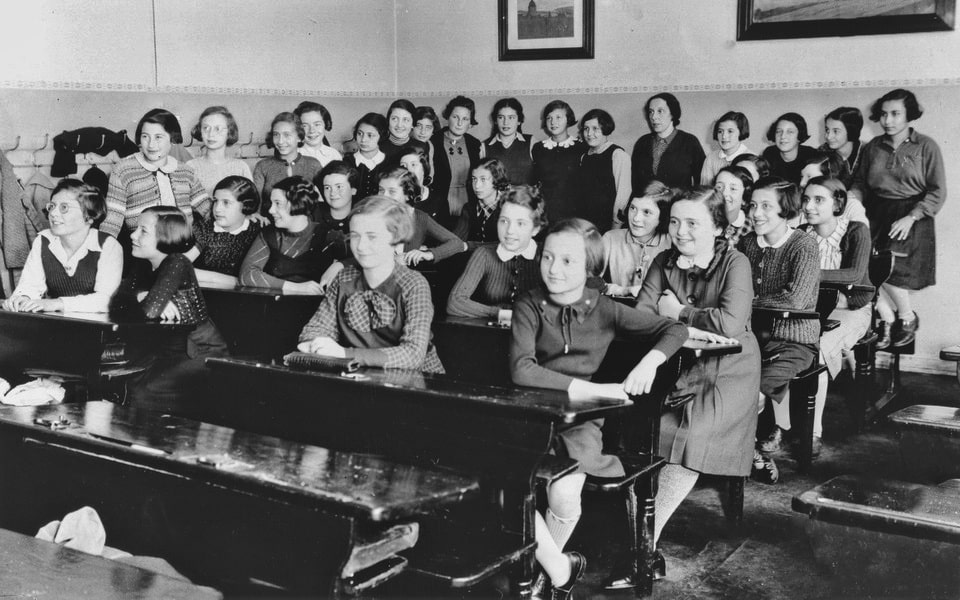
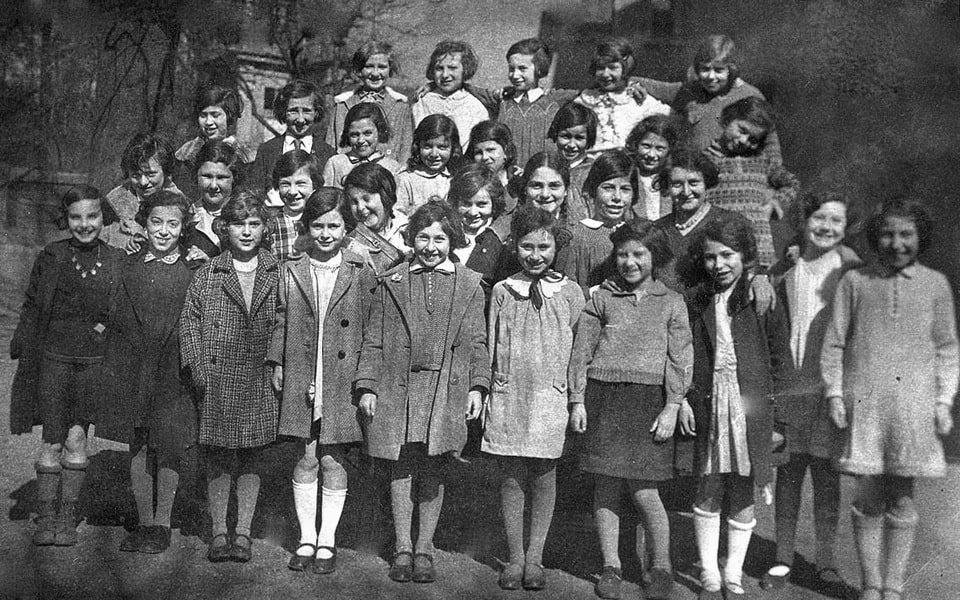

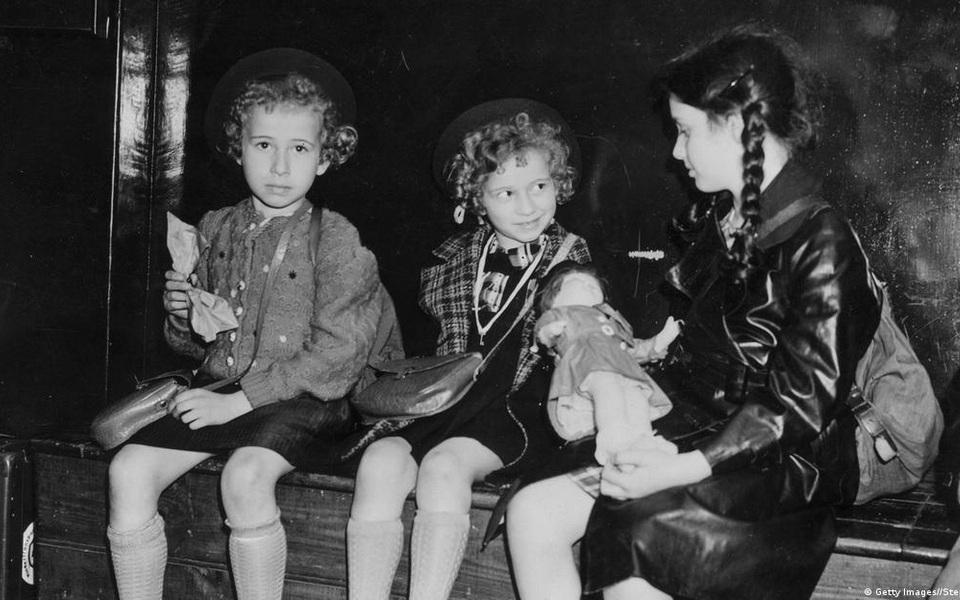
The Aryanization of the Jewish business was a preamble to the ghettoization of the Jewish community in Frankfurt. The process of expelling the Jews from social life, which started in the spring of 1933, intensified after the November 1938 pogroms, particularly in Frankfurt. As opposed to the chaotic movement of Jews from the countryside to the city, the Nazi approach of evicting people from their homes was much more centralized. The ghettoization in Germany during WWII rarely meant separate ghetto areas, walls, and barbed wire similar to the ghettos in the occupied East. At the same time, the regime exposed Jews to conditions that intensified the isolation. Apart from expulsion from jobs, schools, business, and public parks, the Jews were exposed to more fervent housing restrictions, their social contacts with non-Jews were tracked and punished, their movement regulated, and their status forcibly identified either through papers or special signs such as armbands with a Star of David. Further segregation led to the dissolution of social relations and made the Jewish community even more isolated. Starting from 1939, many Jews in Frankfurt were forced to leave their homes and seek shelter, which often meant joining other members of the Jewish community or living in one of around 300 overcrowded Jewish welfare institutions, mainly in the Ostend district, notoriously known as ‘ghetto houses’ because of overcrowding and poor sanitary conditions.
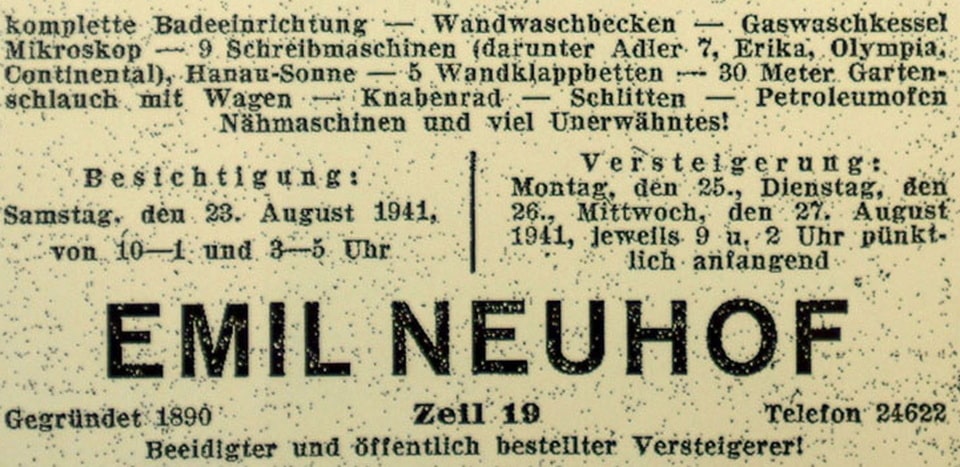
It was naive to expect that the expulsion of Jews from civil service and the banning of their business, taking their homes, and putting them into custody based on contrived pretexts, were enough for the Nazis. In the regime’s paradigm, the remaining Jews were to be exploited and give profit. On December 20, 1938, Friedrich Syrup, the President of the so-called Reich Agency for Employment and Unemployment Insurance, ordered the “employment of unemployed and welfare-supported Jews.” With explicit reference to Hermann Göring’s approval, unemployed Jews were to be forcibly employed by private companies, local governments, and public property developers in a concerted action by the employment offices, supported by local authorities and party offices. Mayors and district administrators across the country were informed about the new persecution measure and the obligation to report suitable construction projects to the public sector. The program created normality and public acceptance of forced deployment even before the war began. It contributed to isolating Jews from the rest of the population and all areas of life – an essential prerequisite for the later deportation.
In April 1939, Wilhelm Graf (1902-1944), a Burgemester of Kelkheim, a small town to the West of Frankfurt, requested Jews for the road construction from the labor Office in Frankfurt. The first Jews were brought on April 11, 1939, put into a barrack with a kapo, and later exposed to a sixty-hour-long working week for minimum wages. After the outbreak of War in September 1939, the working camp in Kelkheim was closed, and its workers were sent to concentration camps, where these forty men all lost their lives in Dachau, Auschwitz, Buchenwald, Theresienstadt, and none survived WWII. In July 1939, another seventy Jewish workers were sent to Kassel to complete the section of the Autobahn. With the outbreak of the war, the resources of the Jewish welfare organizations in Frankfurt were rapidly depleted, and the number of Jews eligible for recruitment rose to over 2,000 at the start of 1940, of the total of 11,500 Jews still living in Frankfurt at that time. Almost half of the Jewish men eligible for work in the city were over fifty years old, and many were regarded as capable of working only part-time. Only 142 Jewish women were put into statistics as suitable for labor, and a third of them were later assigned to planting trees. More than half of the workers were assigned to construction and excavation works, and coal loading, and around 40% worked in Jewish organizations in Frankfurt.

In September 1940, a local labor court in Frankfurt denied an appeal to pay vacation wages to Jews. Despite the efforts of the local Gestapo to arrange more Jews for work, the number of registered Jewish labor workers decreased from 2000 to 1628 in April 1941, mainly due to hard working conditions, and death from illness and malnutrition. The number grew to 1802 in May 1940, but now a third of this figure was women, and more young people starting from fourteen years old were now assigned for forced labor. Two-thirds of this new ‘reserve’ of fresh blood under eighteen were girls. The total number of Jewish inhabitants in Frankfurt in June 1941 was 10,803, of those registered, not including people in hiding. In July, the number of workers slightly increased to 1941, of which 722 were female or 37%. September 1941 saw the peak of the figures when the number of compulsory Jewish workers rose to 2,020, of whom 755 were women.
The September peak of the number of workers was the last of its kind before the deportations began in October 1941. Eight and a half years after the rise of the Nazis and two years and one month into WWII, the Jewish population in Frankfurt still amounted to 10,500, of which nearly 90% will be deported to concentration and death camps in the following twelve months. Exhaustingly detailed bureaucratization of the labor process among Frankfurt Jews and the work of the local Gestapo served as a basis for registering and controlling every Jewish man, woman, elderly person, or child in the city. When in October 1941 the Gestapo issued a list of 1200 Jews, they denied the possible deportations, which appeared to be a lie, of course, and it took them only two days until October 19, 1941, when the first mass round-up in Frankfurt took place.
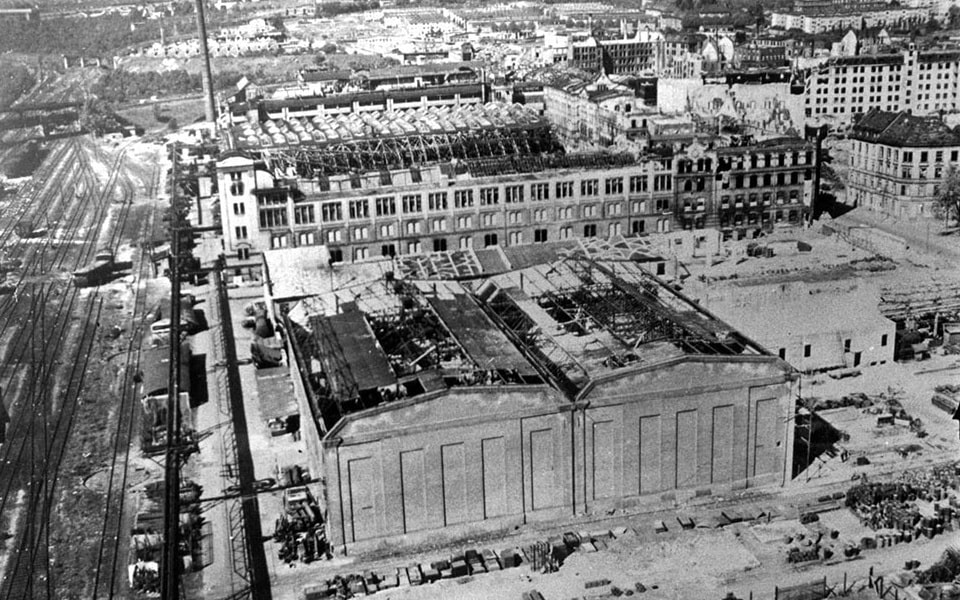
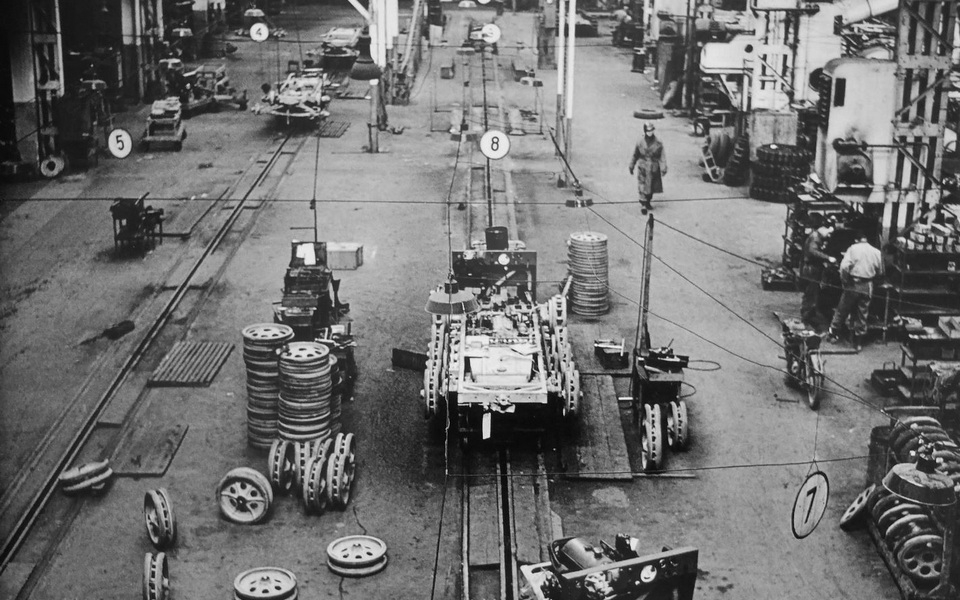
It was Sunday at 5.30 a.m. October 19, 1941, when around 250 SA men and a smaller number of Gestapo officers were gathered for a roll-call to hear the speech of notorious Otto Schwebel (1903-1976), an NSDAP district party leader. His fervent speech about the cleansing of the city was followed by more bureaucratic instructions given by Obersturmbahnführer Oswald Poche (1908-1962), a chief officer of 140 men of Frankfurt’s Gestapo headquarters at Lindenstrasse 27. Those executioners of the first mass deportation from Frankfurt were instructed to enter specific apartments owned by Jews from the October 17 list, mainly in the Westend district. The residents were informed about an immediate deportation and were required to take only a small amount of belongings, and the remaining property was to be cataloged into lengthy printed forms. As each apartment could not be sealed and the Jews were taken out until the coming of the Gestapo officer and his written approval, and the number of Gestapo staff was limited in Frankfurt (around 150), the process of evicting 1200 Jews took the whole day. They were exposed to body searches, ordered to give the keys from their homes, and even paid 50 Reichsmark for their transportation (deportation).
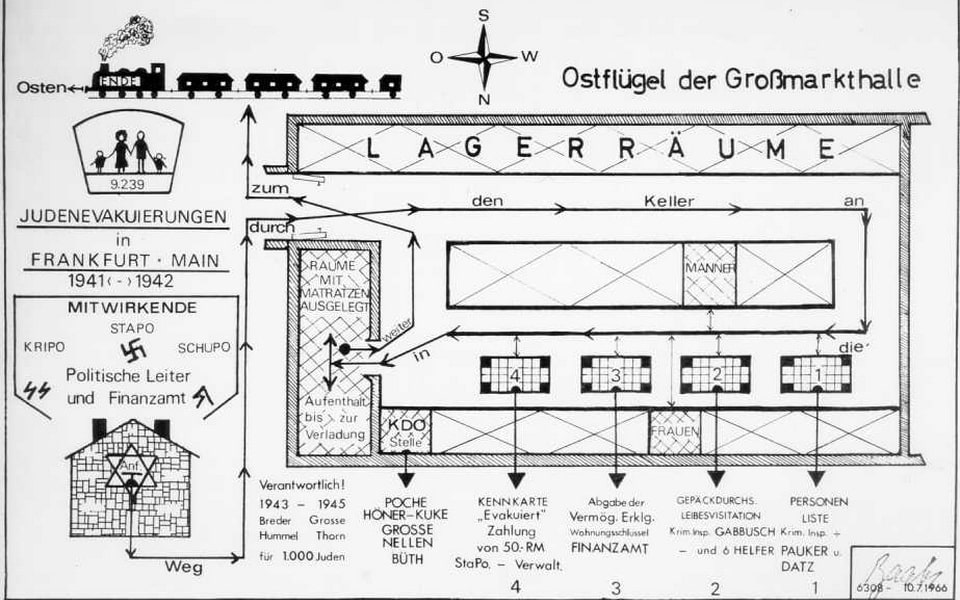
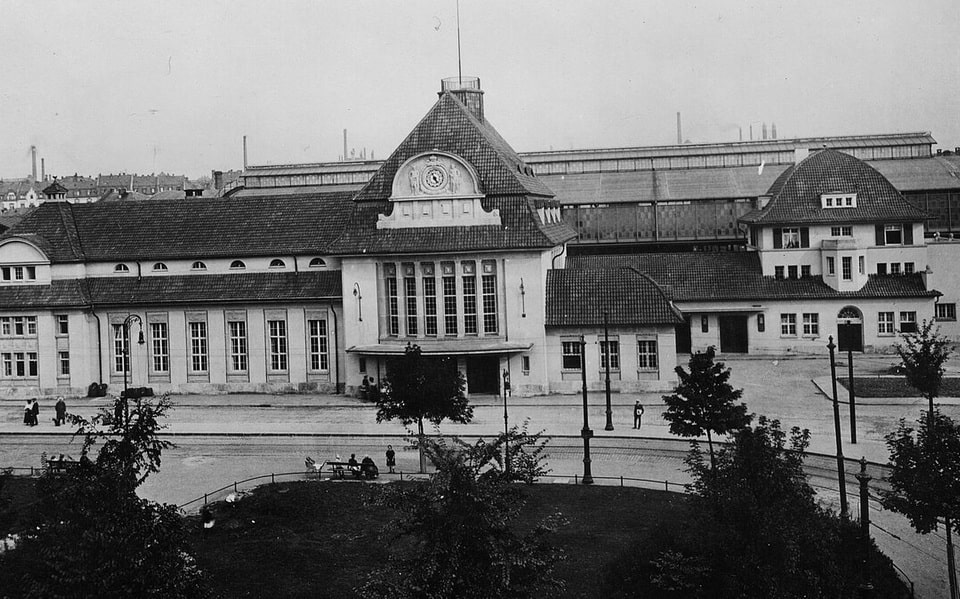
When they were brutally expelled from their homes in Westend, the whole Jewish family was driven on foot to a temporary collecting point at a large market known as Grossmarkthalle. The giant market hall, 220 meters long and 50 meters wide, was opened in 1928 to concentrate separate markets in Frankfurt and was the largest building complex in the city with 13 000 square meters of space. It has its railway depot, and the Gestapo took a part of the market’s cellar as a collecting point for deportations. Many of the deported Jews had to march to Grossmarkthalle across the city center of Frankfurt, and other citizens could witness the procession, which lasted until the late hours of October 19. More than a thousand men, women, and children were left in the east wing of the cellar without food or water until the next Monday morning, when the market’s staff arrived at work and were frustrated to find hundreds of people crammed into the cellar with few mattresses, which had been previously secretly rented by the Gestapo from the local authorities. More than 1100 people were finally put into trains prepared by the Deutsche Reichsbahn heading to the Polish city of Lodz and its ghetto in the early hours of October 20, 1941. In their reports, the SA men later complained just how tired they were without proper sleep for two nights, not to mention the hardships of their victims.
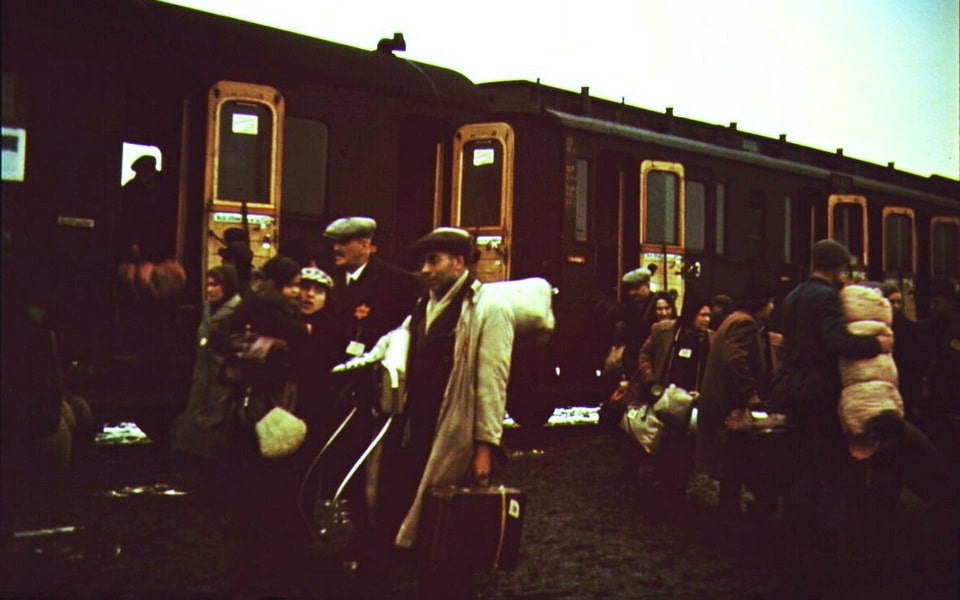
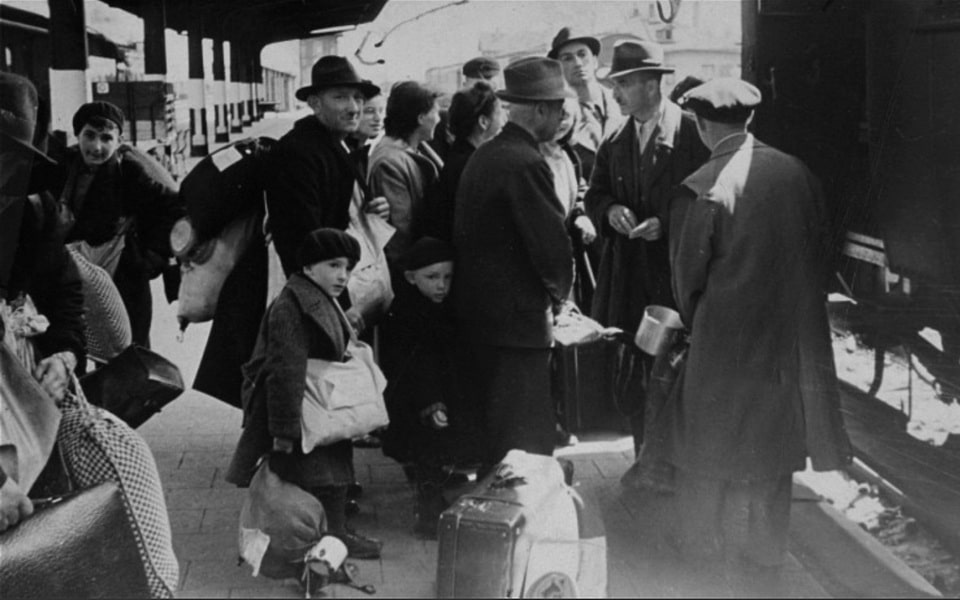
The October 19-20, 1941, deportation from Frankfurt was a pioneering experience for the Nazis in the city, and the later actions were carried out more centrally and with gained expertise. The people on the new lists for deportation would be notified in advance with a precise date and time of their expulsion. A more centralized approach to making those lists by the representatives of the Jewish community, at the demand of the Gestapo, limited cases when Jewish forced laborers were deported without notice from the German companies that had used them. For example, the first deportation contained workers of ‘Voltohm Seil- und Kabelwerke AG’ ( Voltohm rope and cable works), founded in 1898 and had been operating in Frankfurt since 1901. Around 40% of its workforce before October 1941 was comprised of Jewish workers.
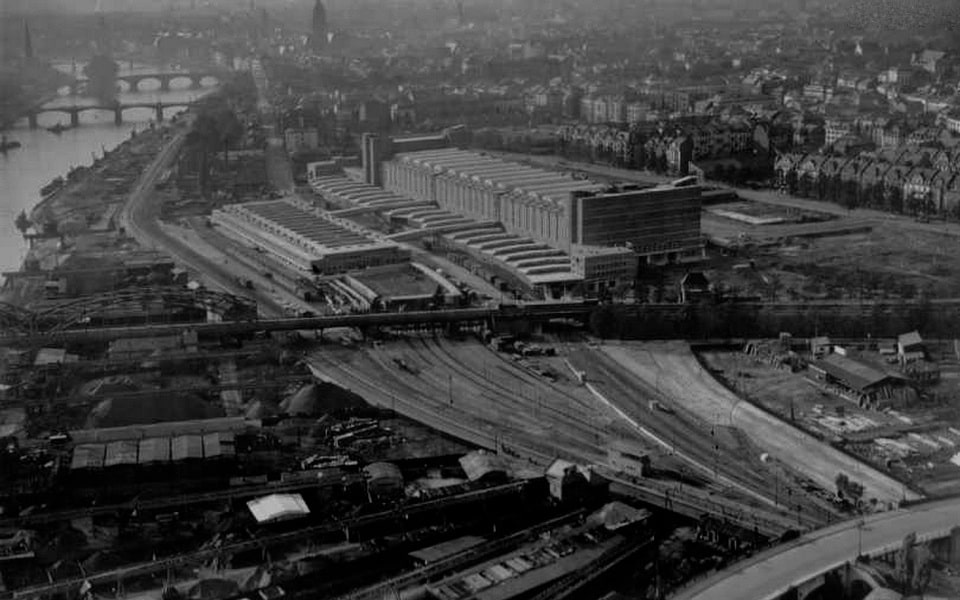
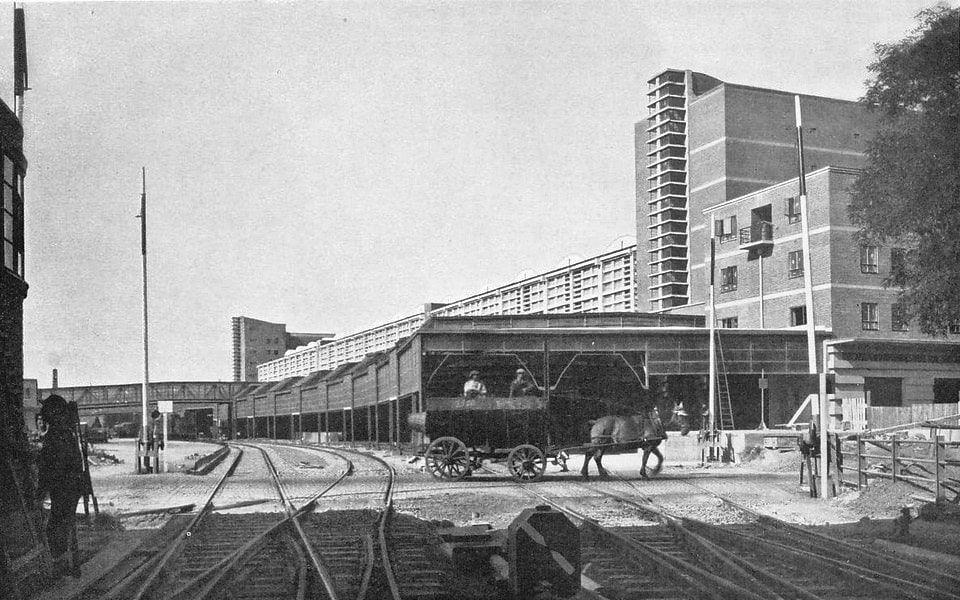
It took the Nazis three more weeks to prepare the second deportation on November 11, this time to the Minsk ghetto in Belarus. On November 22, the transports originally planned for Riga finally reached Kaunas in Lithuania. In January 1942, another 526 men and 162 women, regardless of their working status, were deported from Frankfurt, leaving around 7000 Jews in the city, of which only 1332 those able to work: 739 males and 593 women. In May 1942, two hundred companies in the city still used the labor of 1281 Jews, of which eighty companies produced military equipment. Between the first mass deportation in October 1941 and mid-September 1942, in just eleven months, around 10,000 out of the pre-deportation 10,500 Jews were deported from Frankfurt, making the city almost ‘Free of Jews’ following the Nazi policy.
The ‘banality of evil’ of the executioners, mainly German bureaucrats, the key architects of the deportations, should not be underestimated. On August 21, 1942, the local Gestapo office in Frankfurt issued a list of detailed instructions on the deportation process, which considered every little detail from how to deal with Jewish suicides to handling the pets left behind in the lodgings. The executioners were ordered to ignore Jewish pleas for sympathy or mercy. The German officers were instructed to come at the prescribed time, gather the Jewish family members in one room, and read the State Police decree loudly to them. The head of the family should be looked over in the first instance. Separate clauses of the Gestapo’s instructions prescribed avoiding adding more fuel to the stoves, controlling the appropriate rolling of the blankets, gathering valuables according to strict guidelines, and putting durable labels on bags. Once leaving, the perishable products were taken out, water, electricity, and gas shut off, the keys tied together with a label, the entrance sealed, property declaration signed. Later on, the apartments of the Jews of Frankfurt, like in many German cities, were examined by the Einsatzstab Rosenberg in search of possible cultural valuables.
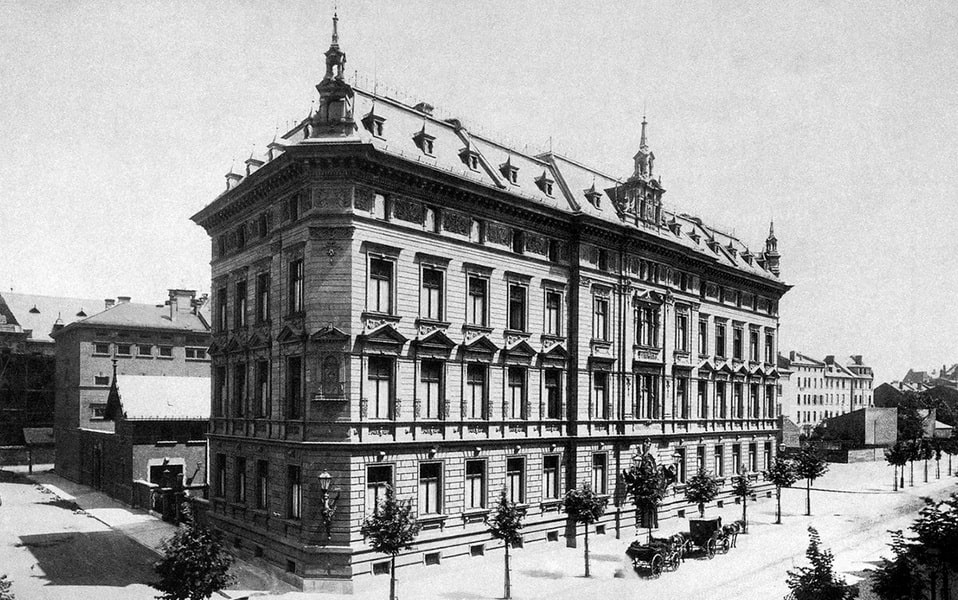
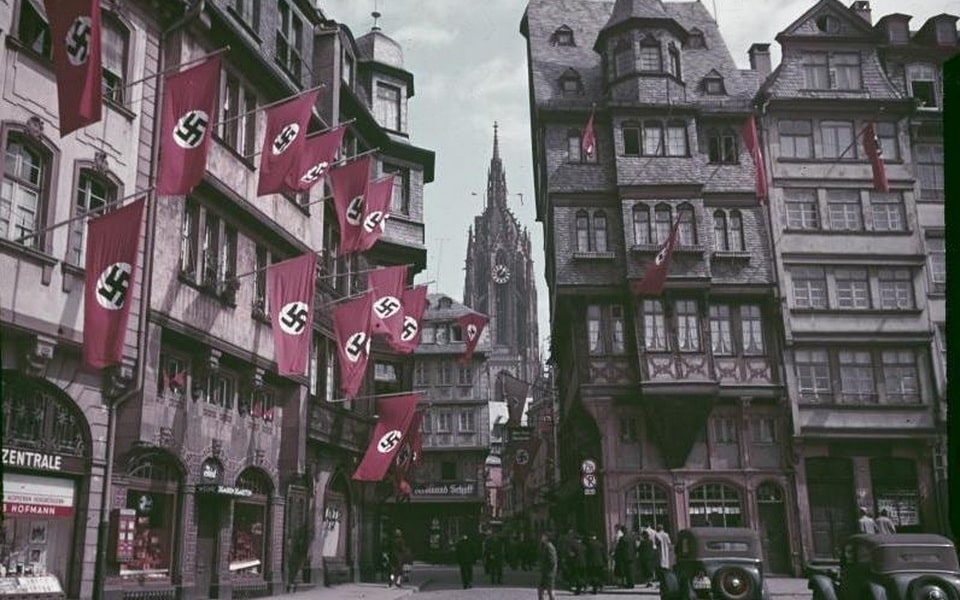
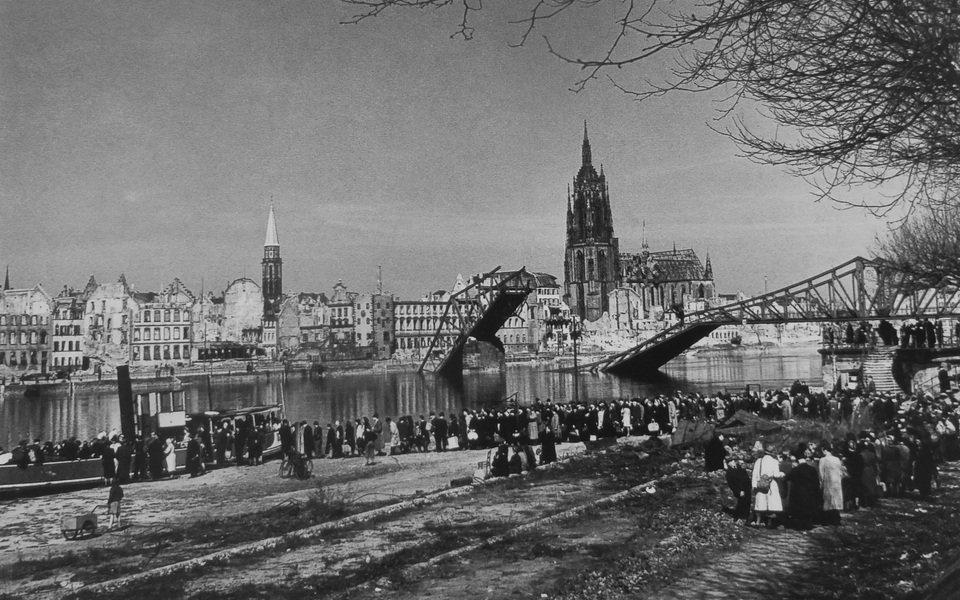
Even though the majority of Frankfurt’s Jews were sent to the death between October 1941 and September 1942, deportations of a lesser scale continued until the Spring of 1945. They did not come from nowhere and were the categories of people left behind by the Nazis at the beginning: Jews in mixed marriages and their children, Jews with non-German nationality, and those who converted to Christianity. When it came to mixed marriages, between the two World Wars, nearly every fourth marriage of the Jewish community in the city was mixed with one Jew and the other non-Jewish spouse. The last large deportation from Frankfurt took place on February 14, 1945, when 301 people were sent to the Terezin Ghetto, and the final one on March 15 with another five deportees. The Frankfurt Jews were among the victims of the notorious ‘death marches’ in the Spring of 1945, particularly Jewish workers from the Adlerwerke (established in 1880) who were killed during the forced march from Frankfurt in March. When the US soldiers entered Frankfurt am Main in late March, nearly five hundred Jews were still alive in hiding. Nowadays, the visitors of Frankfurt can find the ‘Stolpersteine’ (stumbling stones) in the pavement, which commemorate the memory of the city’s Jews, the victims of the Holocaust.

THE OLD JEWISH CEMETERY BATTONNSTRASSE: ROTHSCHILD AND 6,500 BURIALS SINCE 1272
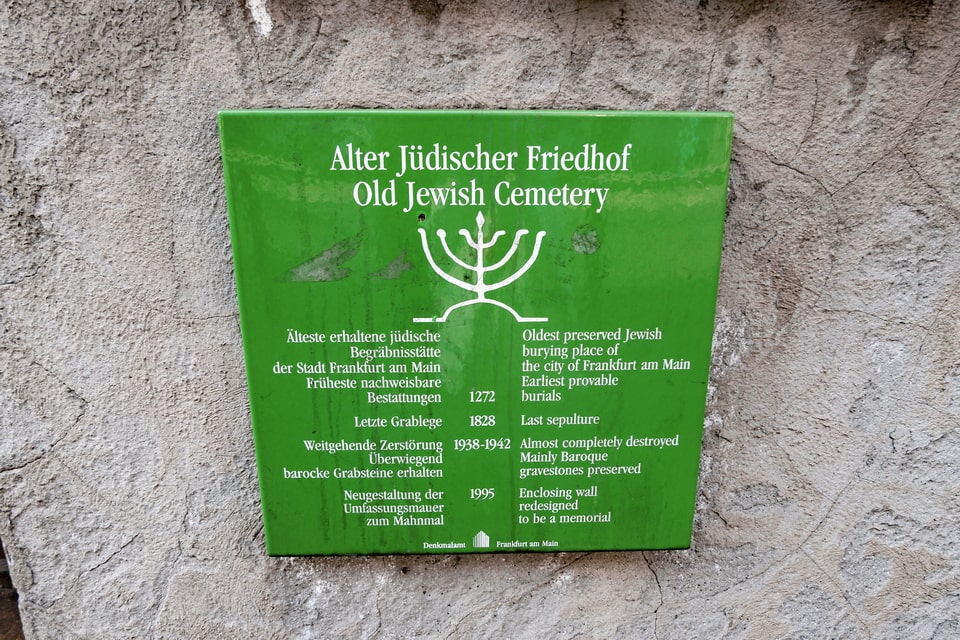
As was stated in the first chapter, the first documented settlers of Jewish origin occupied a small area in the area of modern Frankfurt back in the 12th century. Those newcomers from Worms, who settled around the area of the later Frankfurt’s Cathedral, established a cemetery further to the East beyond the city walls built in 1180 and later known as ‘Staufenmauer’ (Staufen Wall), named after the Staufen or later better known ‘Hohenstaufen’ dynasty. Up to three meters thick and seven meters high, this ancient wall protected the city from possible invaders. Even though the first burials at the old Jewish cemetery probably took place in the late 12th century, the oldest known tombstone dates back to 1272, which makes it the second oldest Jewish cemetery after ‘Heliger Sand’ (Holy sand) in Worms, from where the first Jewish settlers came. In 1333, Holy Roman Emperor Louis IV ‘The Bavarian’ permitted the expansion of Frankfurt, and the old Jewish cemetery was included in the new city limits.
When in 1462 the city Jews were forced to leave the initial area of their accommodation since the 12th century near the Cathedral, they established a new Jewish area further east, just at the walls of the community’s old cemetery. The area previously known as Wollgraben was destined to be turned into ‘Judengasse’, the heart of Jewish life in Frankfurt. It must be noted that the Jewish cemetery here served not only the local community but also as a burial place for Jewish communities in the surrounding area of the city until the 16th century. In 1614, Jews were hiding behind the walls of the cemetery during one of the anti-Jewish raids. It continued to serve as a primary resting place for Frankfurt’s Jews until 1828, when the community received a plot of land allotted to a newly established city cemetery at Rat-Beil-Strasse, which would later become a resting place for 40,000 people. The Jewish cemetery near Judengasse numbered nearly 6,500 burials by the early 19th century. Most of the tombstones at that time were crafted from a red sandstone common in the area. The most well-known person buried here was Mayer Amschel Rothschild (1744-1812), a banker and the founder of the famous German-Jewish dynasty from Frankfurt.
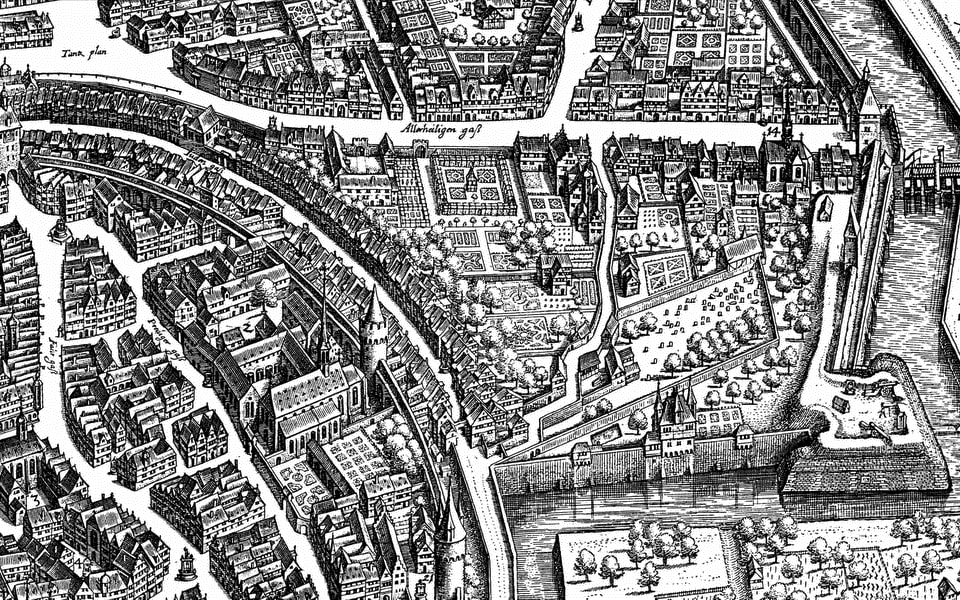
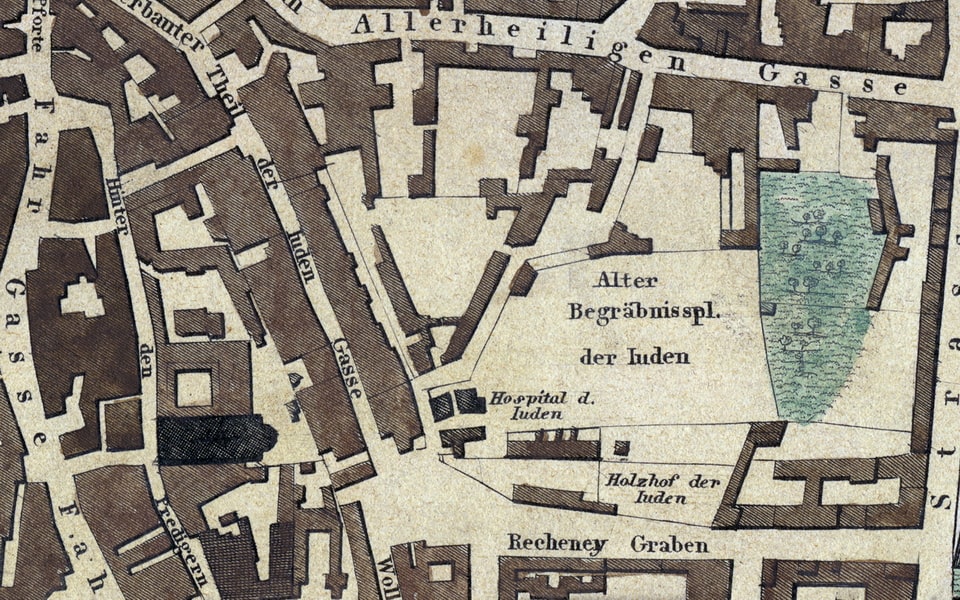
In 1829, the Rothschild family sponsored the building of a Jewish hospital at the southwest corner of the cemetery. The Israelitische Krankenkassen was devoted to Mayer Amschel Rothschild by his sons and, since its opening, included thirty beds for sick people of the Jewish community. In 1840, the area witnessed the erection of another building: a community elementary school next to the south wall of the old Jewish cemetery. Around 1900, Rabbi Markus Horovitz (1844-1910), the founder of two Jewish religious schools in Frankfurt, studied the burials at the cemetery and even made a catalog of the preserved tombstones in the area of 11,850 m2. When Horovitz died in 1910, he was buried at the Jewish Cemetery at Rat-Beil-Straße, the primary burial ground for Jews in Frankfurt at that time.
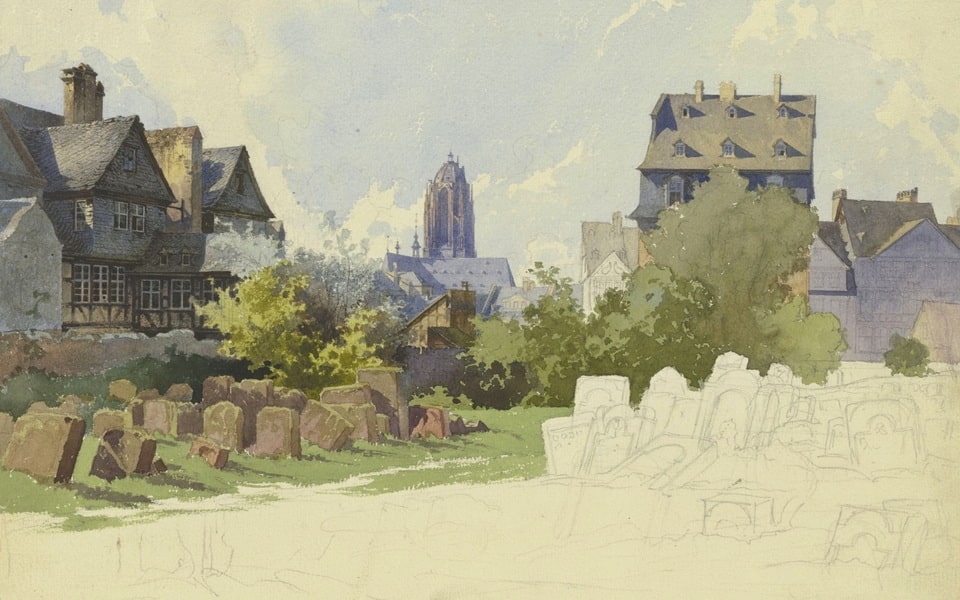
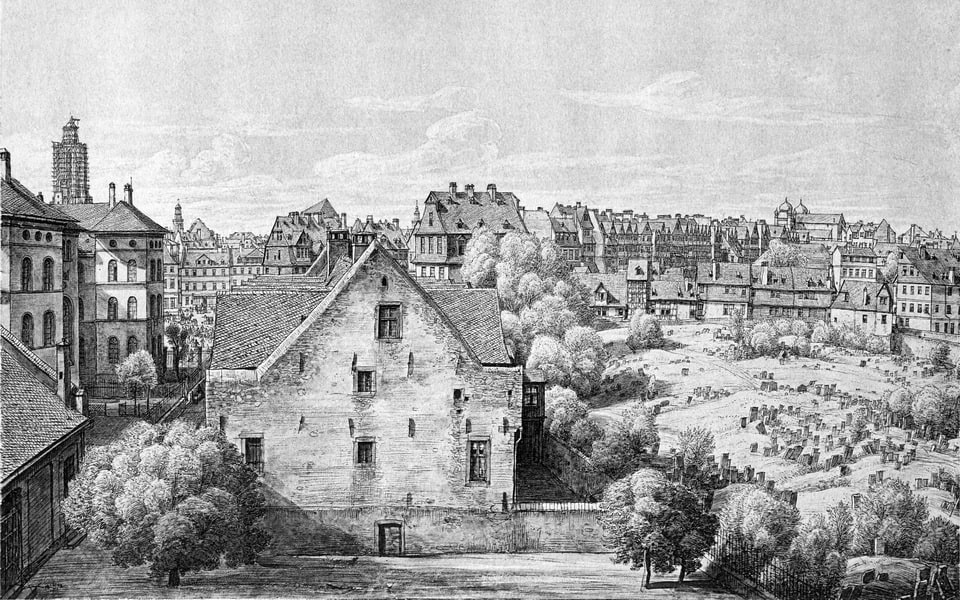
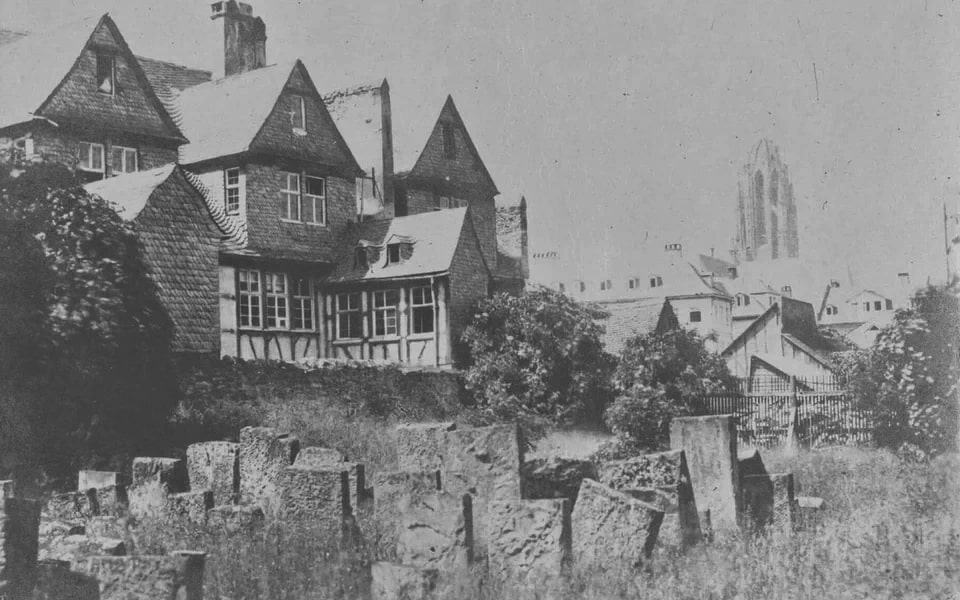
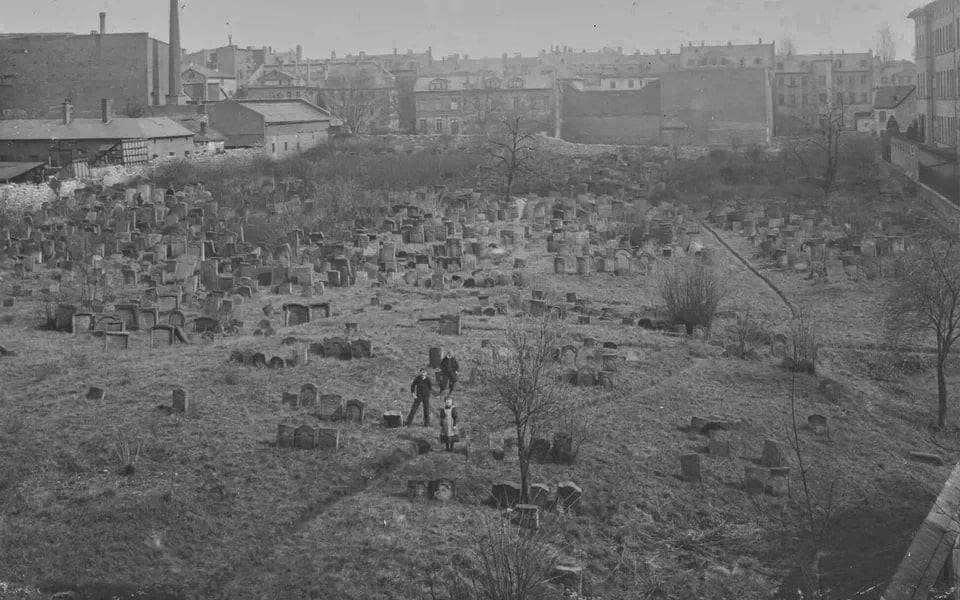
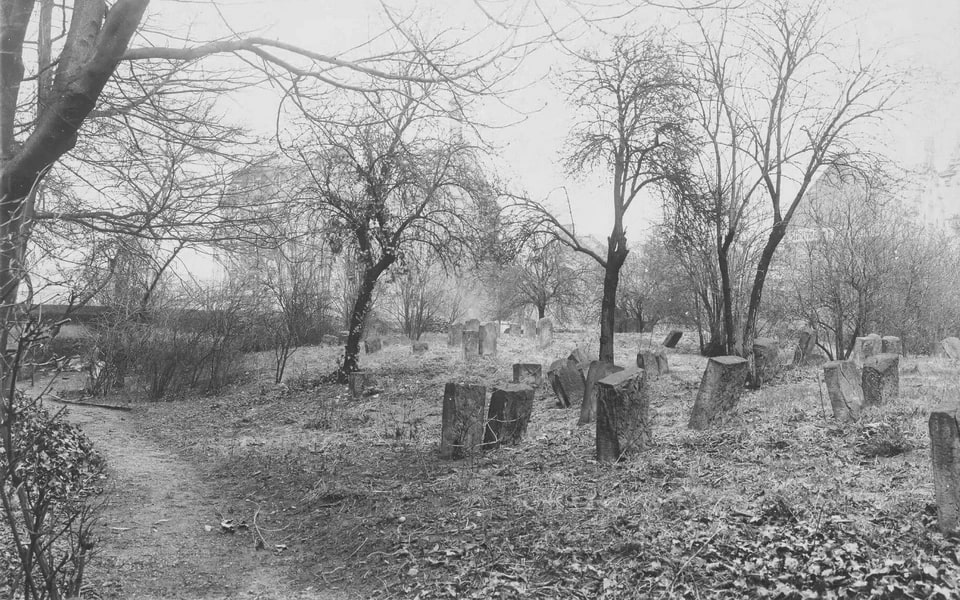
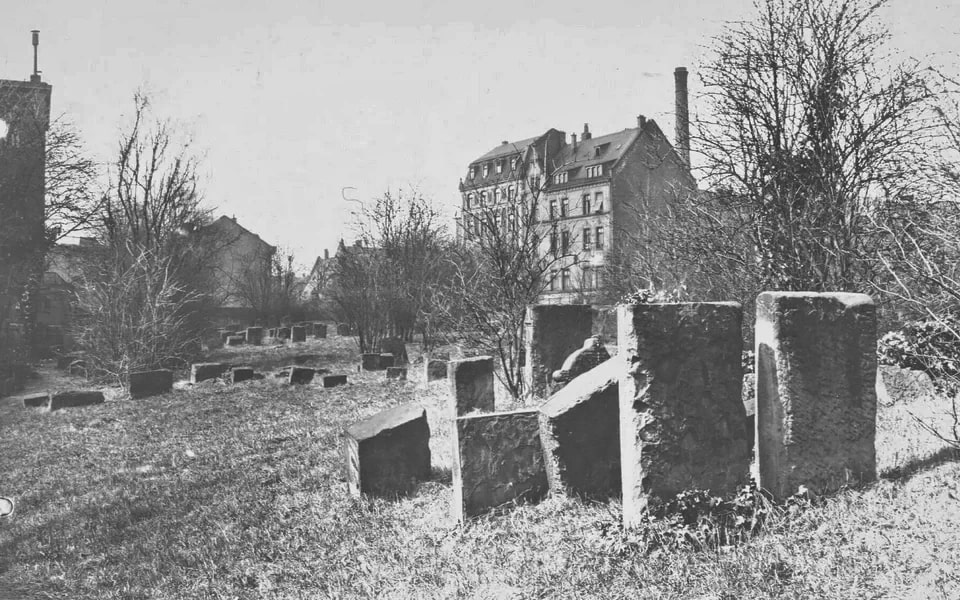
During the Third Reich era, the first plans to devastate the cemetery came in 1939, when the Jewish community of Frankfurt was left with no other option than to sell their property, including the cemetery grounds, to the city. The plan was to level the cemetery to the ground, but it took the Nazis another three years to come to the fulfillment. In his appeal to the city councilors on December 23, 1942, the Nazi mayor Friedrich Krebs estimated that it would cost 35,000 Reichsmarks to demolish the estimated 7000 tombstones (the actual number was around 6500). The area was planned for use as a dumping site for the debris of the buildings destroyed during the Allied air raids in Frankfurt. 175 tombstones that were regarded as valuable from historical or art value were taken to the cemetery on Rat-Beil-Strasse before the demolition works began at the beginning of 1943. The process of the devastation of the Jewish cemetery at Borneplatz was not smooth for the Nazis due to the unwelcome course of the war, and toward the end of WWII in 1945, around 2500 tombstones were still preserved, though some of them had been moved from their original places or covered with rubble dumped here.
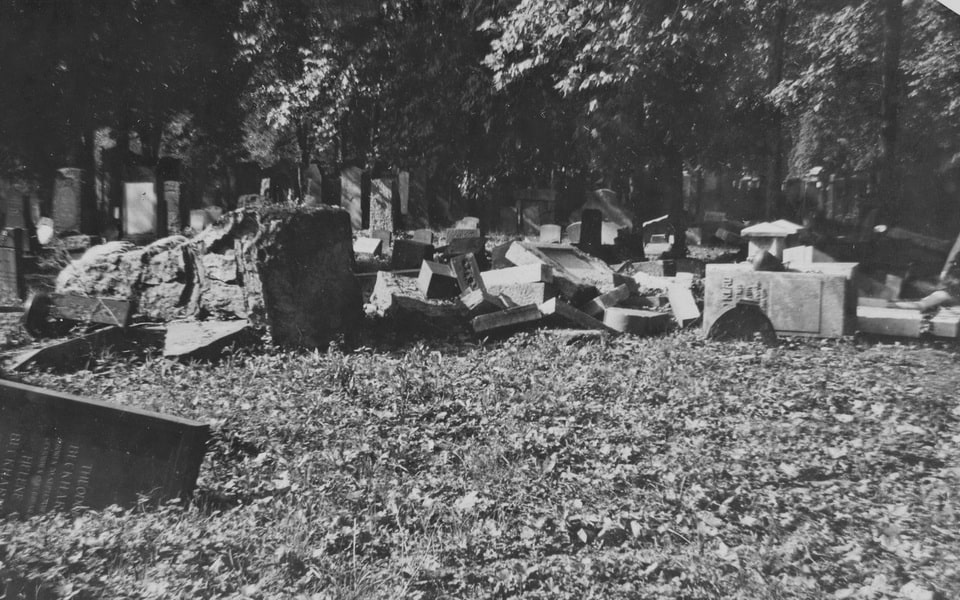
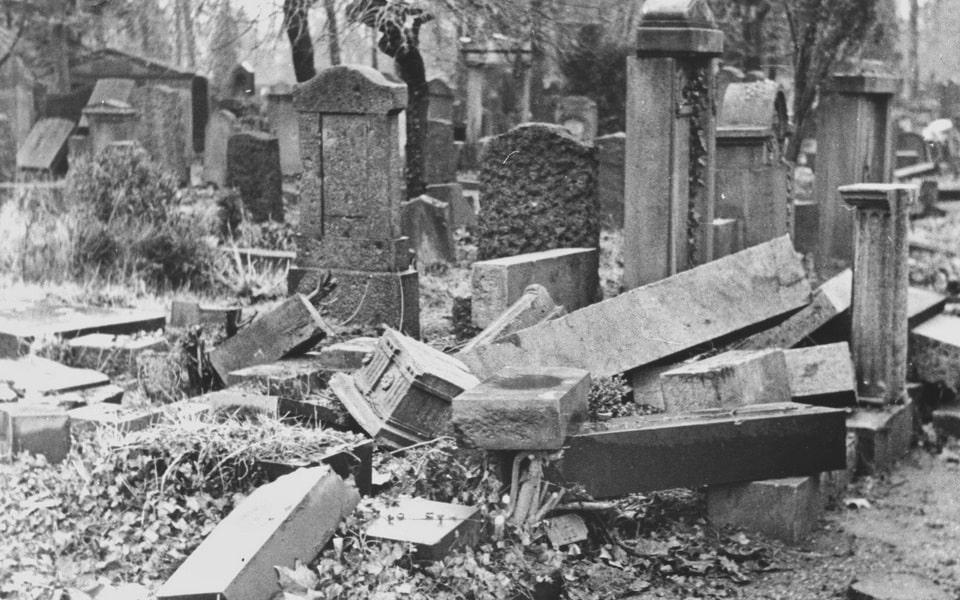

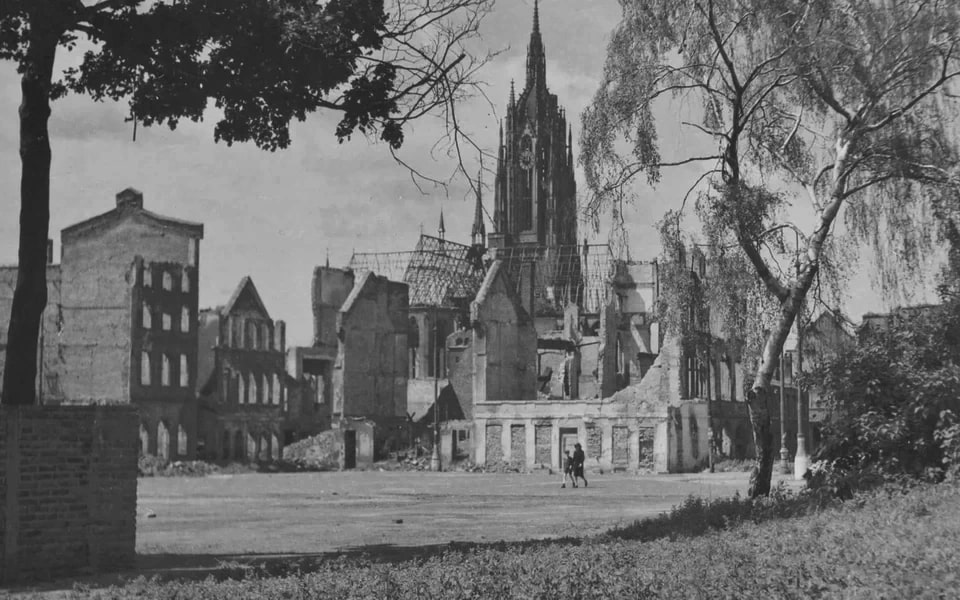
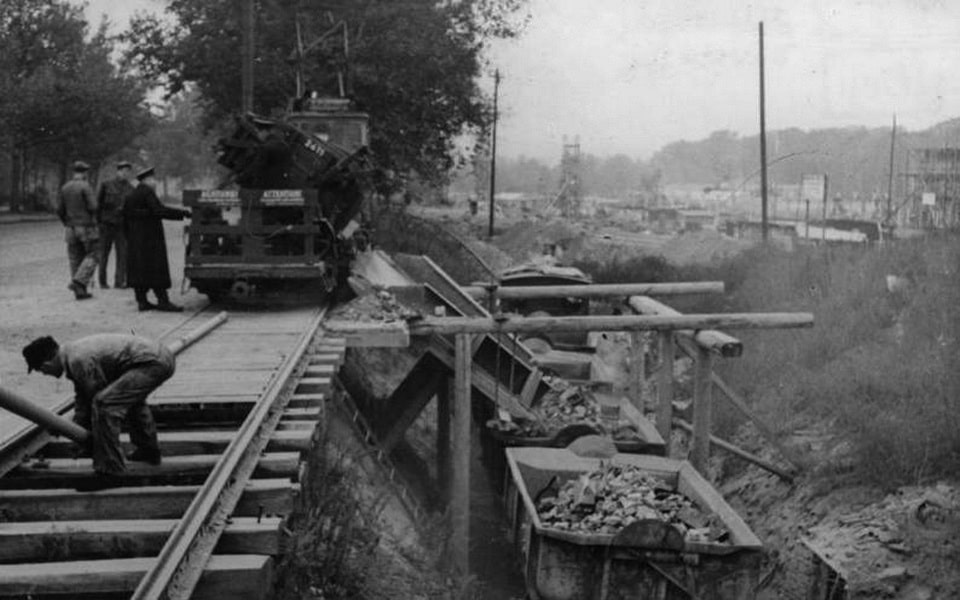
Even though the grounds of the oldest Jewish cemetery in the city were returned to the reestablished community soon after the War, it took years, actually until the end of the next decade, to clear the tonnes of rubble and clear the area once again. In contrast to other German cities, the post-war authorities in Frankfurt used science, particularly attracting chemical experts to clear the rubble. They experimented with heating the ruins and turning them into a sintered mass later used for cement. In the end, the cost of the work was significantly lower than in other cities. The cemetery had not been in use since the 19th century but bore historical, religious, and symbolic meaning for the devastated Jewish community in Frankfurt. The tombstones were returned from the cemetery on Rat-Beil-Strasse, including the one of Mayer Amschel Rothschild, though put in one section of the grounds rather than in their original places, which were not determined. Between 1991 and 1999, the researchers documented every preserved tombstone, 2300 untouched in total, and almost 4000 fragments. By 2006, another five hundred tombstones were restored from those fragments using modern technologies. In modern times, the cemetery has a new gate made of two gates with Hebrew letters on it.
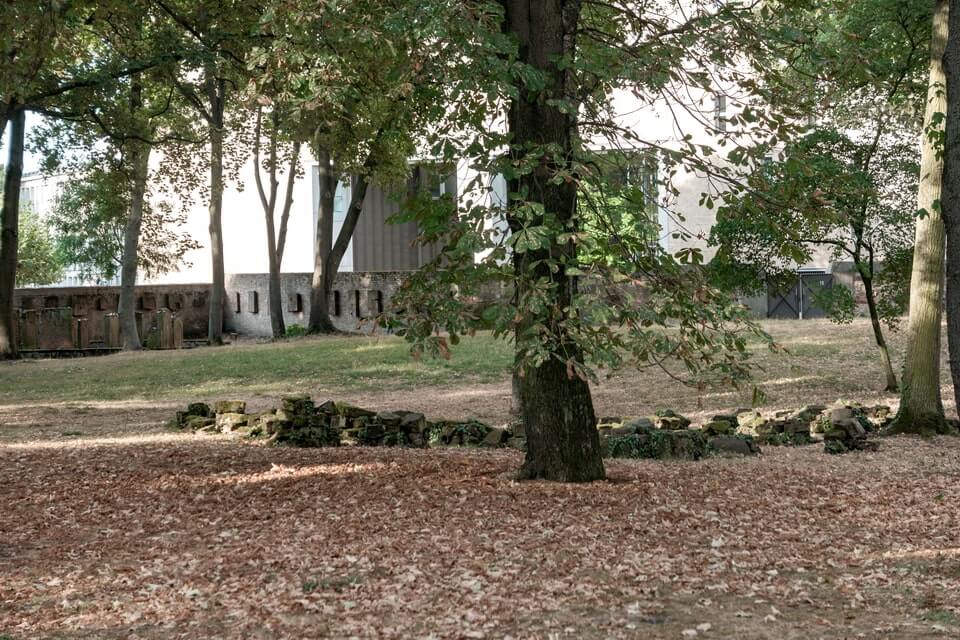
THE BÖRNEPLATZ HOLOCAUST MEMORIAL (1996): 11,908 NAMES
When the US army liberated Frankfurt am Main in late March 1945, only two dozen soldiers were assigned to take care of an enormous number of 45,000 foreign prisoners of war and forced labor workers who had been left in the city by the Nazis. For weeks after the liberation, the American men came across a large group of people, whose guards had fled and who did not know where to go or how to come back home. In one instance near the military plane factory in Frankfurt, nearly 3,000 former French forced workers tried to compensate for their lack of English skills through body language and their miserable appearance. Among those survivors of Hitler’s Germany were only a few hundred Jews out of 26,000 who had lived in Frankfurt before 1933. Thousands fled the country, and more than 10,000 were killed by hard labor, malnutrition, beatings, and gas chambers.
As late as July 1945, two months after the collapse of the Third Reich, the US side allowed Rabbi Dr Leopold Neuhaus (1879-1954) to reestablish a Jewish community in Frankfurt am Main. Neuhaus worked as a teacher in a local Jewish school until it was closed in 1942, and the Rabbi and his wife were deported to Theresienstadt on August 18. Now in 1945, with the help of Americans, Neuhaus organized a few hundred Frankfurt’s Jews and Polish Holocaust survivors in a new city’s Jewish community, which initially accommodated one of the so-called ‘displaced persons camps’ near Frankfurt. In mid-1946, the Rabbi left the city and settled in Michigan, USA, where he peacefully passed away eight years later. By 1949, the Jewish community of Frankfurt had its executive board, a statute, a new Rabbi, and only around 800 members. The community rose steadily, particularly absorbing the Jewish immigrants from Hungary in 1956 and former Czechoslovakia in 1968, after two Soviet repressions of national revolts, and welcoming people from Israel. Forty years after the Holocaust, there were only 35,000 Jews in Germany, of whom around 4,500 comprised a tight Frankfurt community. Today, approximately 6700 people of Jewish origin live in Frankfurt, or less than 1% out of the 770,000 population.

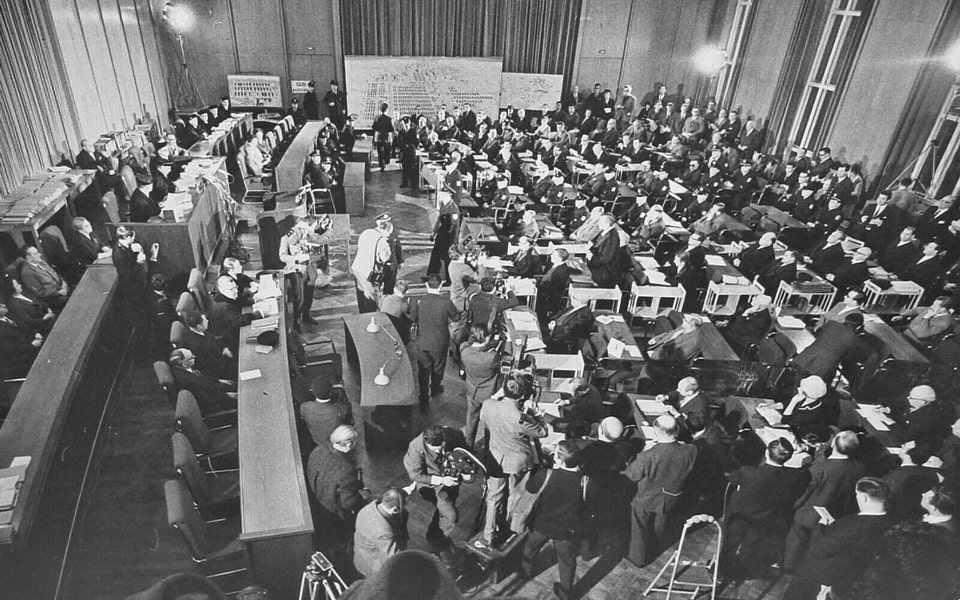
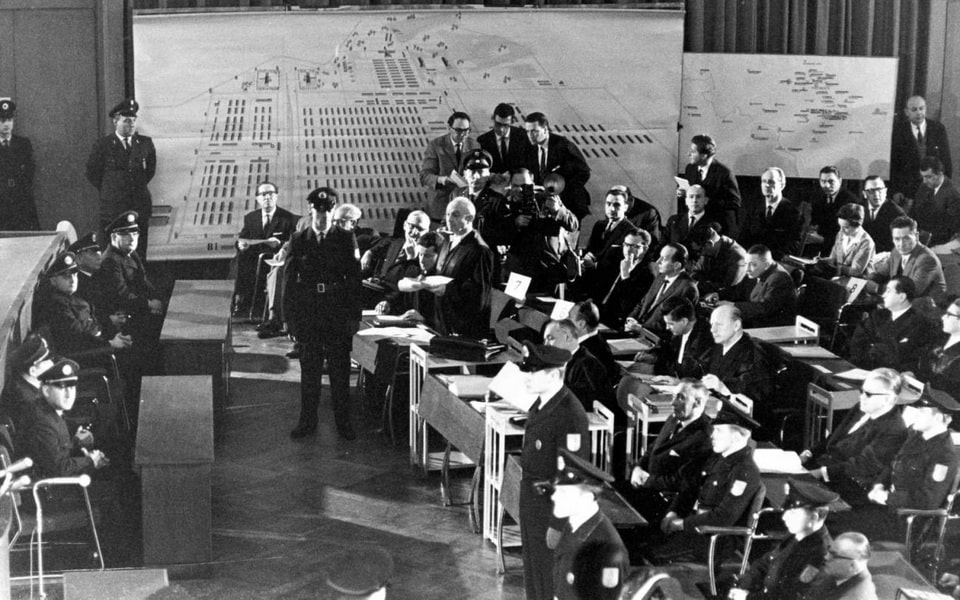
After WWII, the city of Frankfurt was often associated with the so-called ‘Frankfurt Auschwitz Trials’, or simply the ‘Auschwitz Trials’, a series of four trials against the former staff of Auschwitz, which were held in Frankfurt between 1963 and 1977. During the first trial, which lasted between December 29, 1963, and 19 August 1965, and listened to 350 witnesses among the former prisoners in 183 sessions, only six former SS men were sentenced to life imprisonment, and eleven were sentenced to up to 20 years out of a total of 22 defendants. Two former staff members from Auschwitz were released from the trial due to health issues, and the remaining three were acquitted. Only three men were sentenced in the second Frankfurt Trial between December 1965 and September 1966. The Third trial lasted for ten months between August 1967 and June 1968, resulting in sentences to only two SS men. The last fourth Frankfurt Auschwitz Trial lasted for two years between December 1973 and February 1976, and both defendants were released.
A few people know that the notorious ‘Deutsche Gesellschaft für Schädlingsbekämpfung’ chemical company, the patent owners and suppliers of ‘Zyklon B’, was from Frankfurt am Main. Another company connected with the holocaust called ‘DEGUSSA AG’, served the regime as a precious metals processor, which melted down the gold, including the dental crowns, taken from the Jews killed in Auschwitz and other places, and earned at least two million marks by 1945. Another unobvious connection between the city of Frankfurt and the Auschwitz death camp lies in the personality of the most notorious Nazi doctor: Doctor Josef Mengele (1911-1979). After gaining a PhD from the University of Munich in January 1937, Mengele joined the staff of the Frankfurt University Institute for Hereditary Biology and Racial Hygiene, where, under the mentorship of the notorious Professor Otmar von Verschuer, he gained a doctorate in 1938. During his work in Auschwitz, Mengele sent some of his anthropological examinations and blood tests, which he conducted on prisoners at the camp, to Frankfurt. During the Auschwitz trials in 1963-1965, Mengele was the most wanted suspect with a reward equivalent to three million dollars for his capture, but he was never caught and tried. He used a covert channel to send a letter to the prosecutors did not consider himself guilty of any crimes and ‘’personally never killed anyone’’.
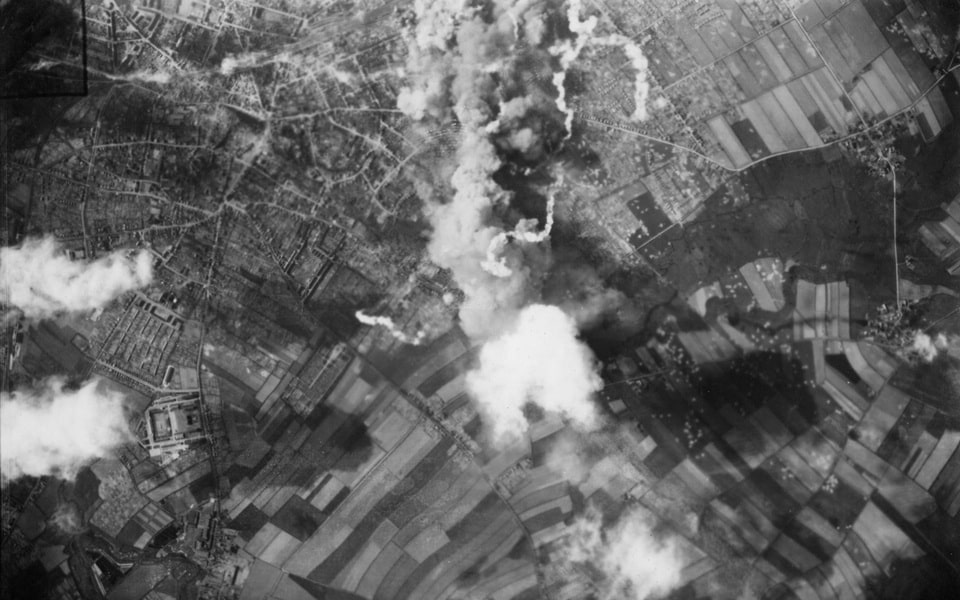
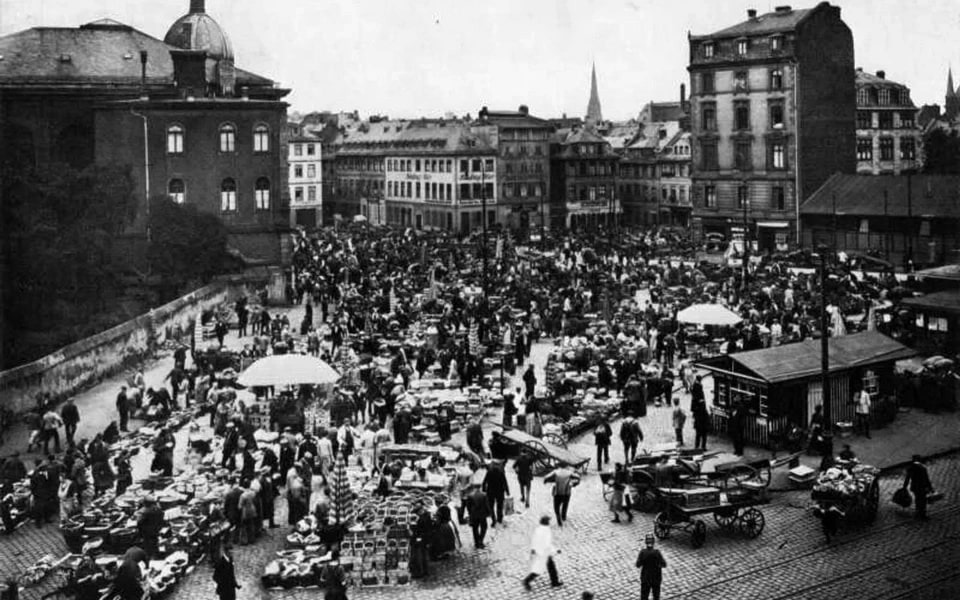
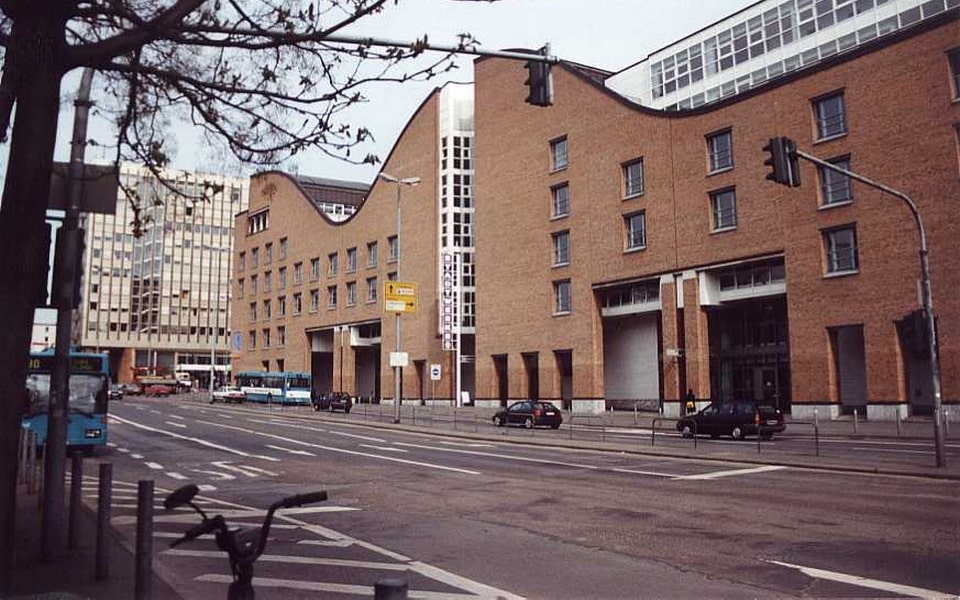
For decades, a small Jewish community in Frankfurt felt a need to create a memorial to commemorate the fate and names of thousands of city Jews who were killed during the Nazi era. There was, in fact, a small debate about the location as the Börneplatz had been a center of Jewish life in Frankfurt for centuries and included the Old Jewish cemetery and the location of the ancient Judengasse area, historically known as ‘Frankfurt’s ghetto’. Originally called the Judenmarkt, it was renamed Börneplatz in 1875 after the German-Jewish writer Ludwig Börne (1786-1837), then lost its name in 1935 during Hitler’s era, and was once again renamed Börneplatz in 1978. Most of the buildings surrounding the square, including the old Israelitische Krankenkasse hospital and the remains of the Synagogue burned in 1938, were badly damaged during the Allied air raids and demolished after the war, leaving the Old Jewish cemetery and the wasteland next to it. For several decades until the mid-1980s, citizens of Frankfurt took advantage of the empty area as a parking lot in the center of the city, until the city authorities finally presented a new concept of the square with newly built buildings and the Jewish memorial.
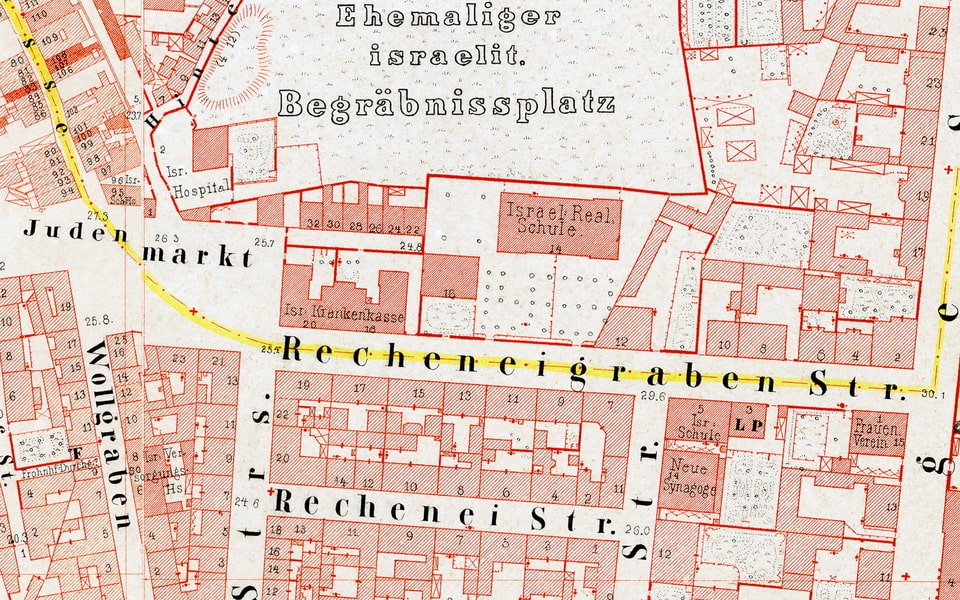

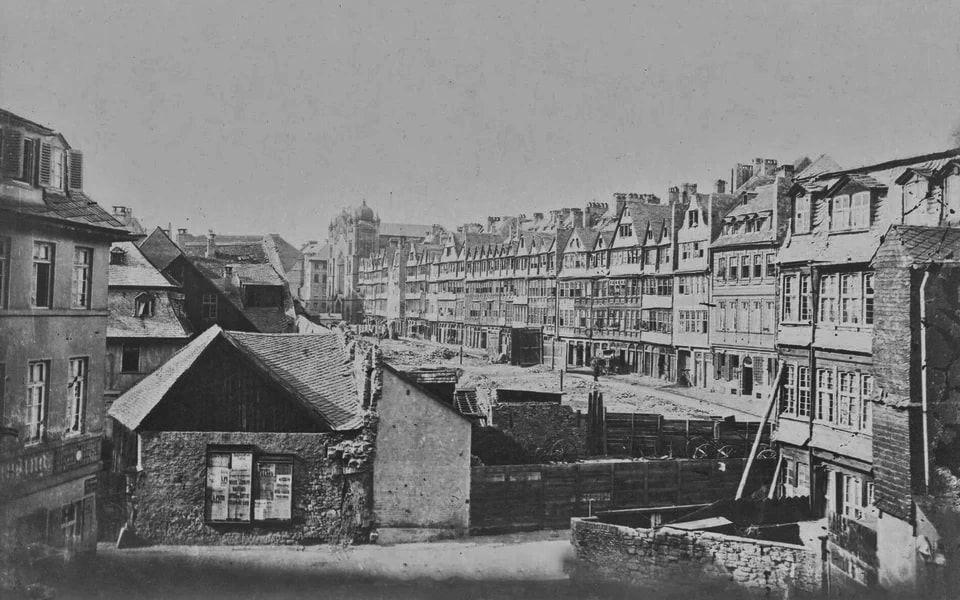
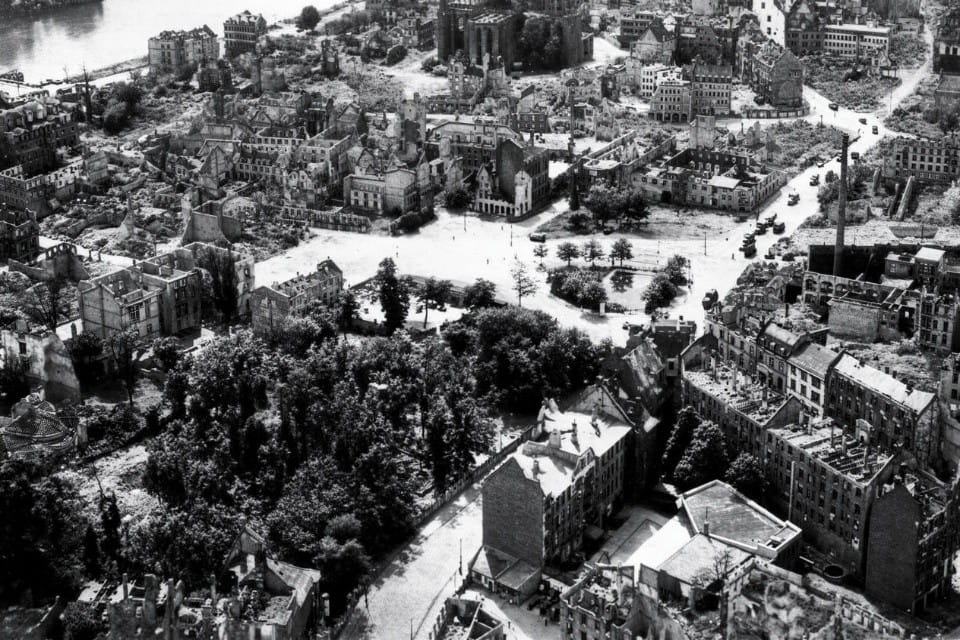
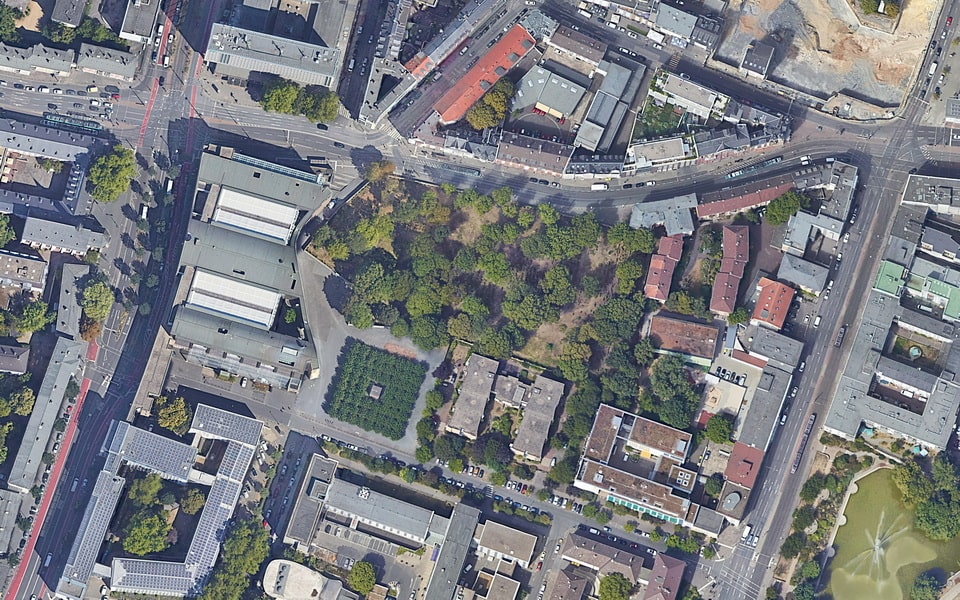
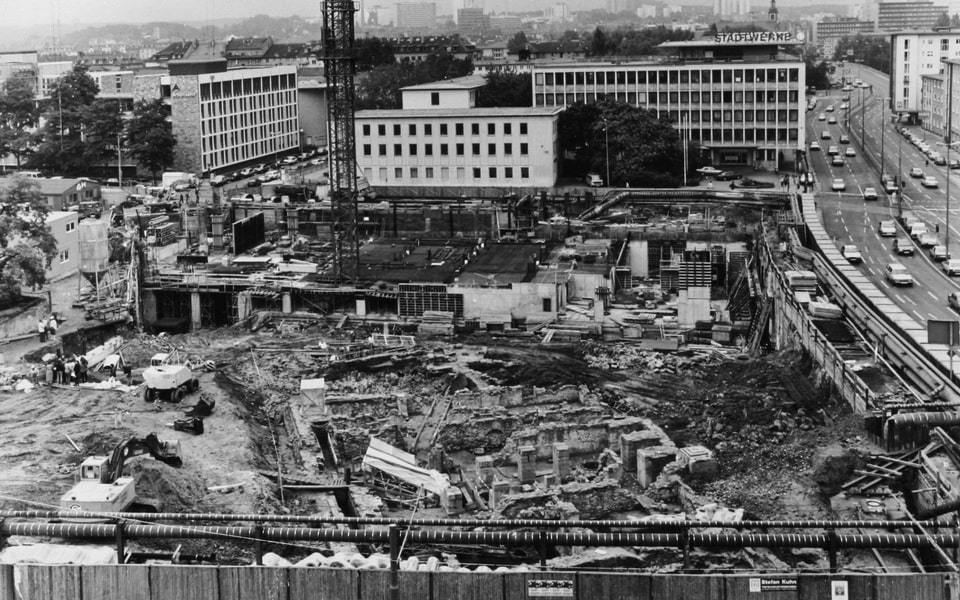
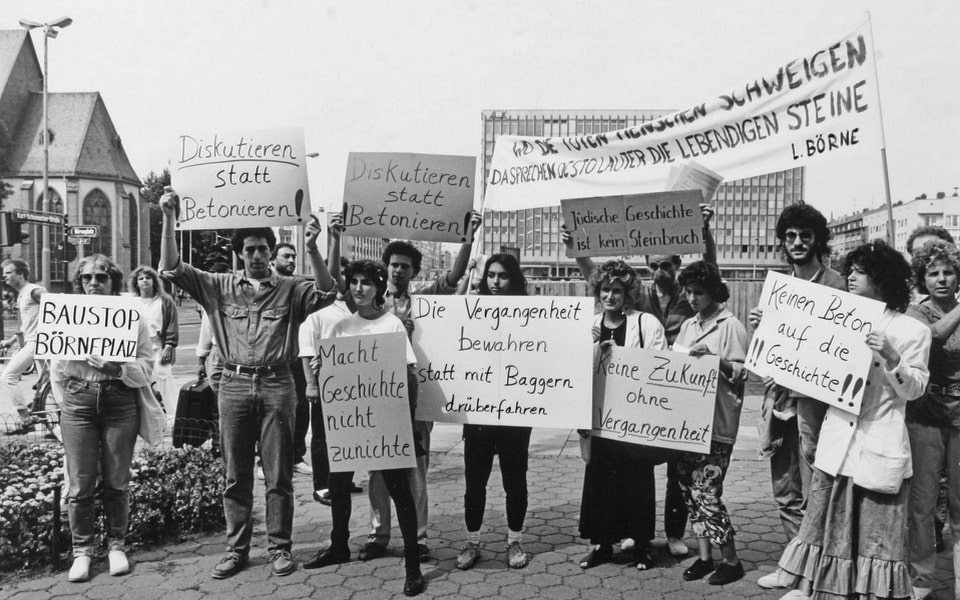
The decisiveness of the authorities to support the creation of a memorial advocated by the Jewish community was not as strong as the plans to build a large ‘Stadtwerke’, a Municipal Customer Center. In 1987, during the construction, the foundations of the former ‘Judengasse’ were revealed to the West of the Old Jewish cemetery. The authorities retained their plans, and the remnants of the Jewish historical area were moved, which caused controversy and public protests. Finally, the archeological findings were returned to their original site, and a large Judengasse Museum was opened in 1992 to preserve the history of the area and the ruins. This compromise also sped up the erection of the Jewish Holocaust Memorial, which came into focus in the mid-1990s. In 1996, the square was once again renamed Neuer Börneplatz.
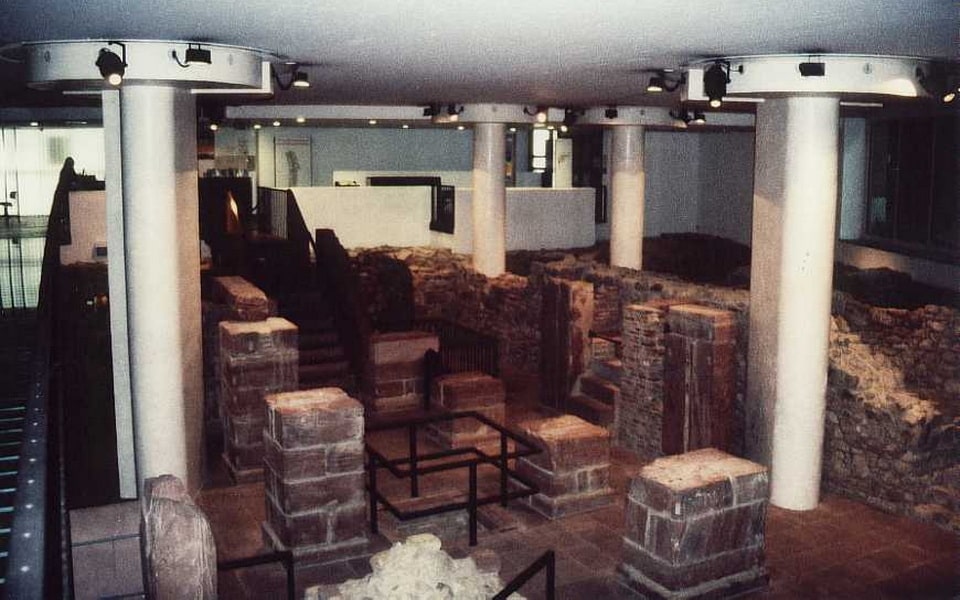
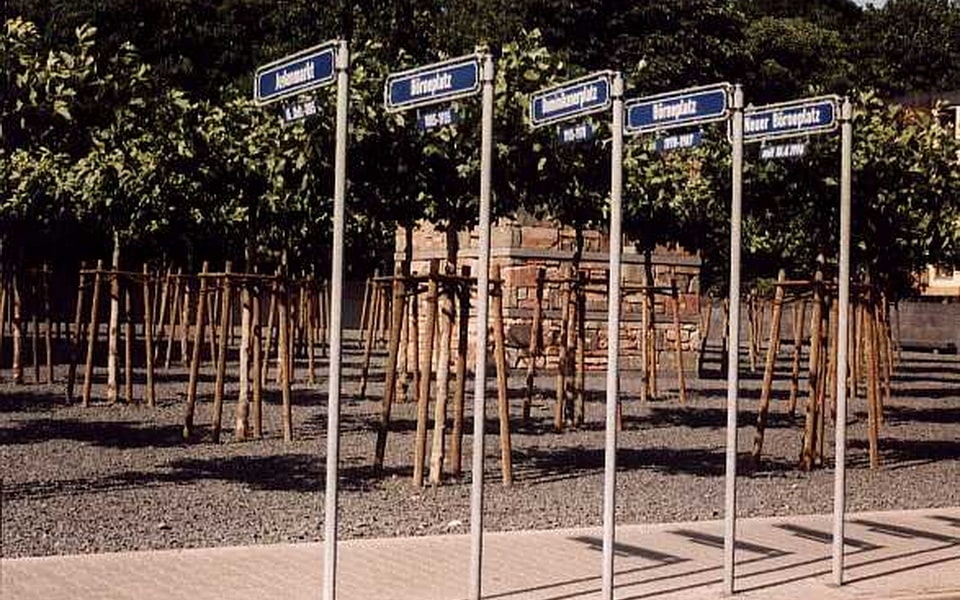
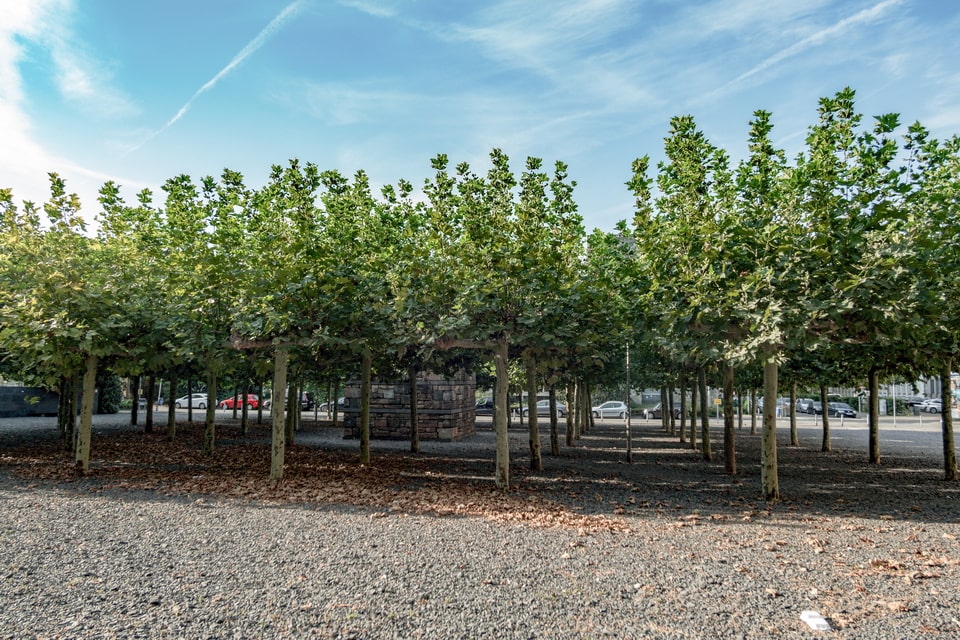
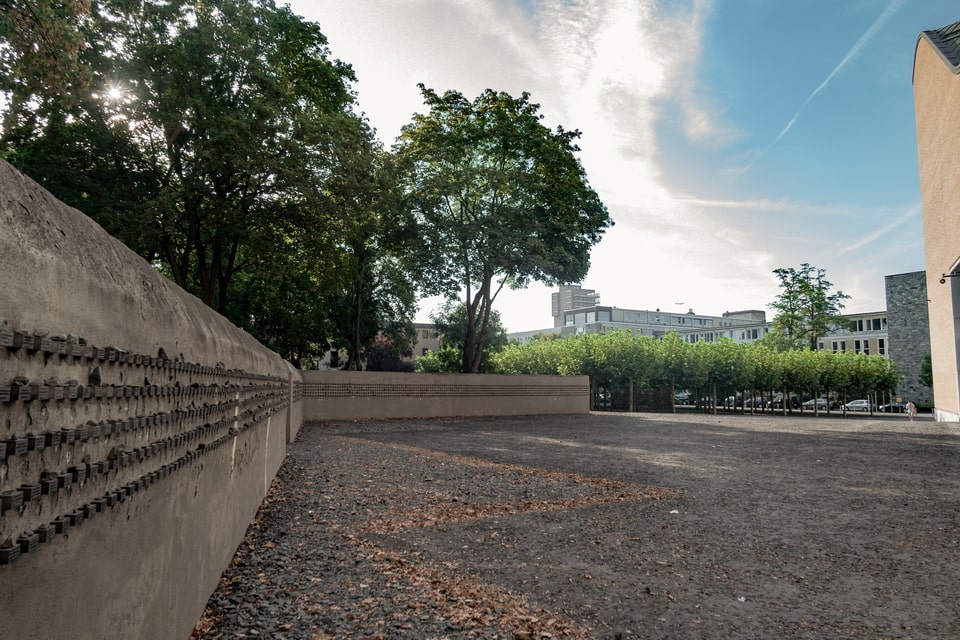
The Börneplatz Memorial was finally inaugurated on June 16, 1996, a decade after the first competition and half a century after the Holocaust and the end of WWII. It is located between the Customer Center and the Jewish cemetery at the intersection of Börneplatz and Rechneigrabenstrasse. The challenging task of commemorating thousands of men, women, and children from Frankfurt killed in the Holocaust was conducted by three German architects: Adrea Wandel (born 1963), Nikolaus Hirsch (born 1964), and Wolfgang Lorch (born 1960). The Memorials consist of several elements.
- A large cube 5 meters in width and height, made of the revealed stones of Judengasse, stands in a grove of 60 plane trees.
- Five street signs, which tell the history of different names of the square: Judenmarkt, Börneplatz, Dominikanerplatz, Börneplatz, and finally Neuer Börneplatz.
- A commemorative plaque to remember the old Börneplatz Synagogue, which was burned down during the November 1938 pogrom. The whole square of 4,500 m2 covered with gravel bears a part of the floor plan of the synagogue.
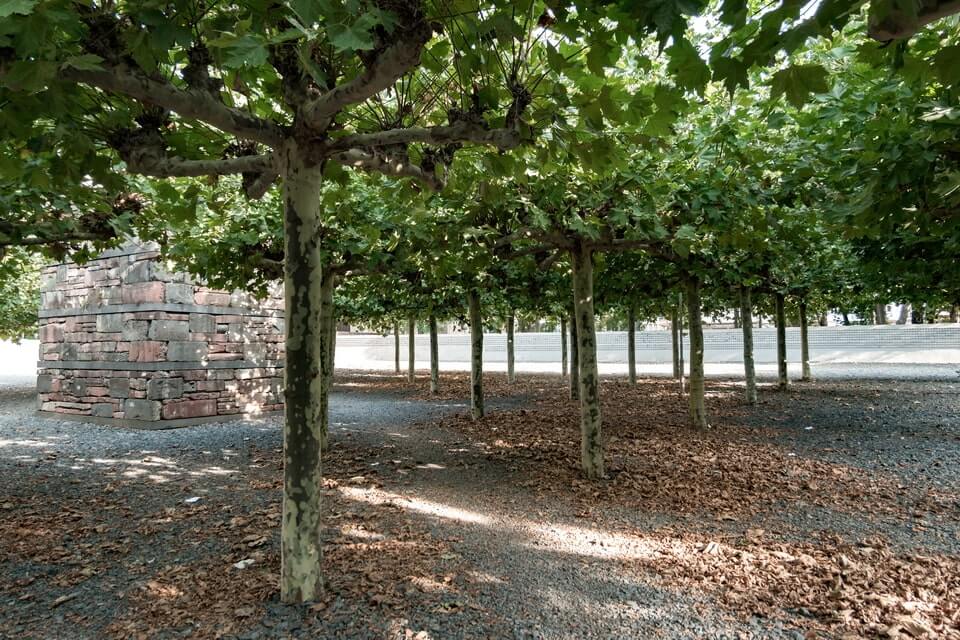
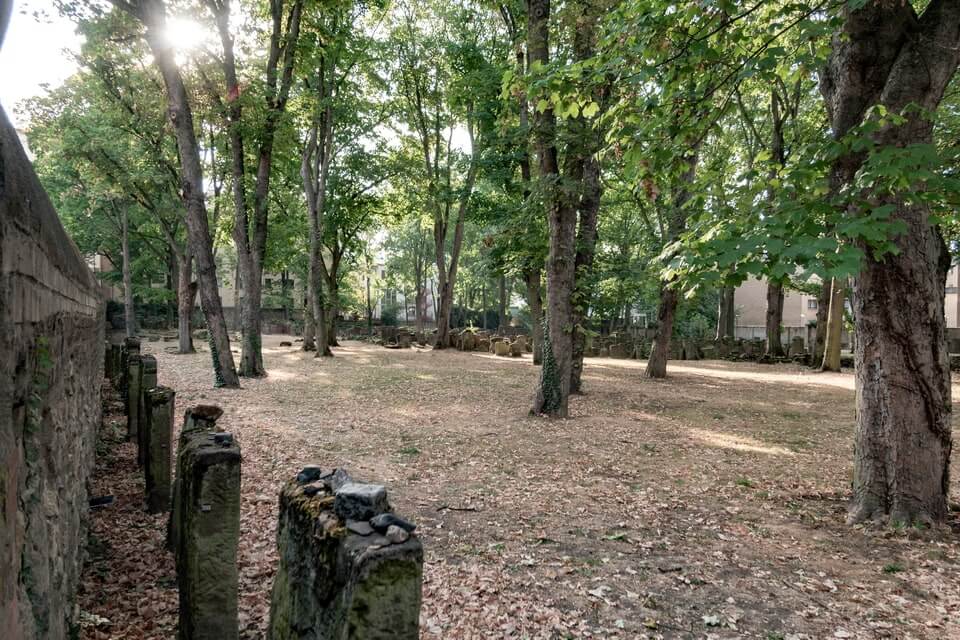
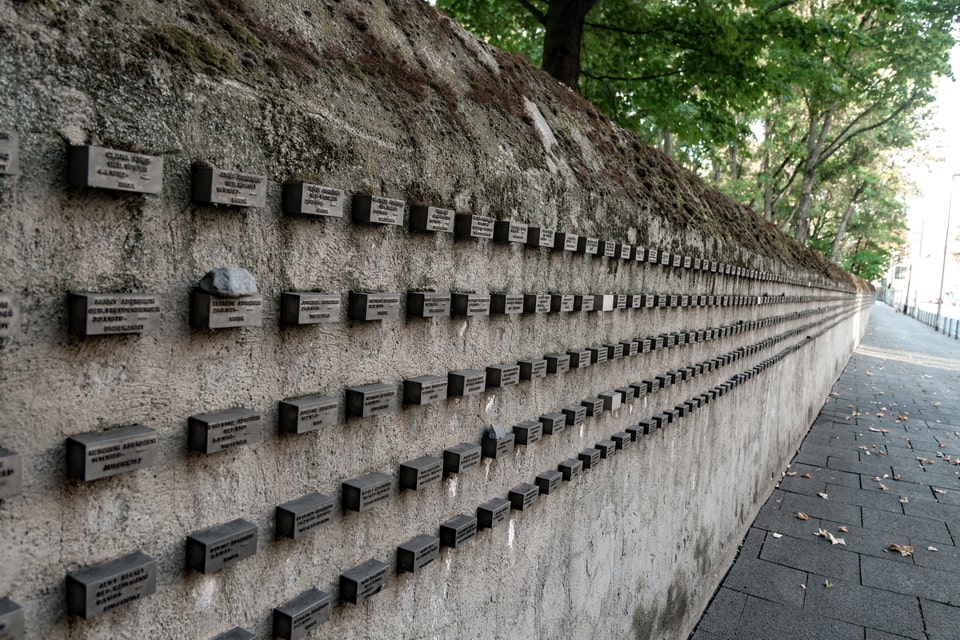
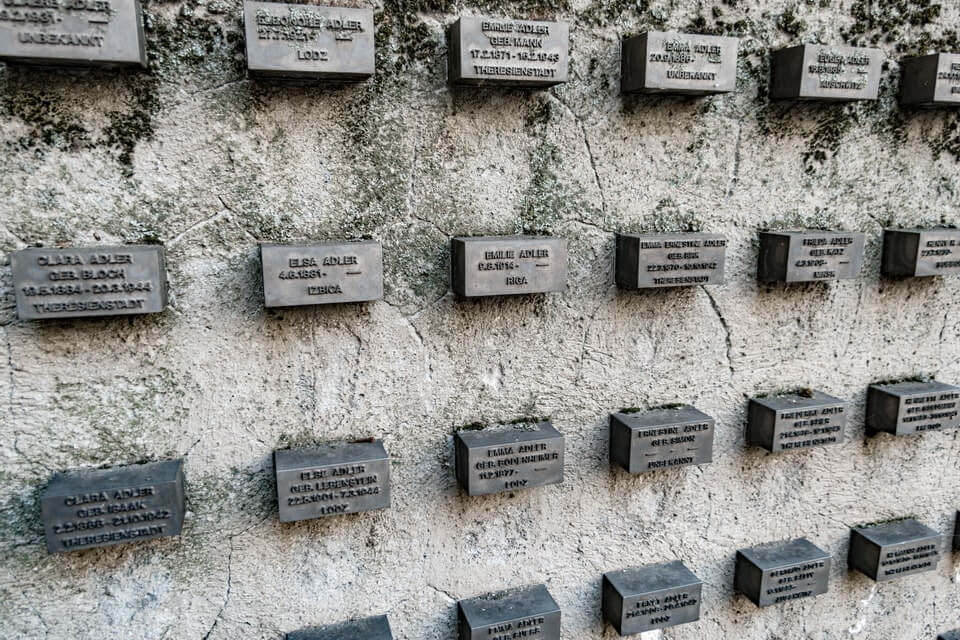
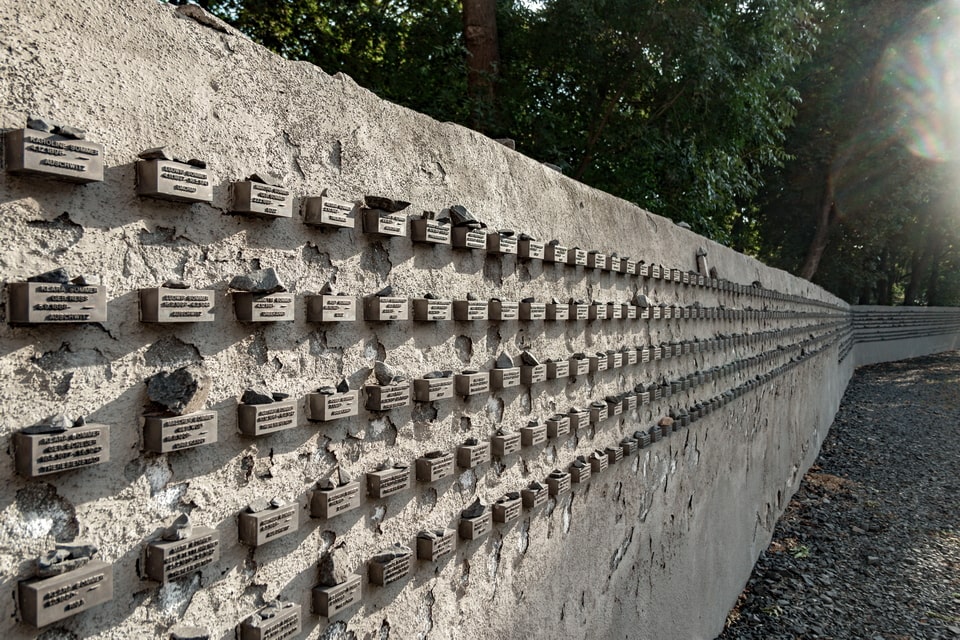
Apart from the Börneplatz Memorial next to the Judengasse Museum, the most presently recognized commemoration of the Jewish victims of the Holocaust in Frankfurt can be found on the walls of the Old Jewish cemetery. The Museum’s staff initiated a large-scale research work back in 1996 when the memorial was inaugurated, and by 2005, it had created a database of all victims of the Holocaust in the city, which has still been expanding until nowadays. Those men, women, and children were commemorated by individual metal blocks incorporated into the outer wall of the Jewish cemetery, thus commemorating every person of Jewish origin who was born, lived, and was deported from Frankfurt and died in the Holocaust. As of 2024, this memorial in the wall includes the metal plates for 11,908 people with names, years of birth, and the place and date of death if it was revealed. People who come here often take stones and lay them on the block due to the Jewish tradition of commemoration. Among the 11,908 name blocks on the outer wall of the Old Jewish Cemetery, several entries carry particular resonance. The names of Anne Frank (born 12 June 1929 in Frankfurt, murdered Bergen-Belsen, February/March 1945), her sister Margot Frank (born 16 February 1926, murdered Bergen-Belsen, February 1945), and their mother Edith Frank (born 16 January 1900, murdered Auschwitz, 6 January 1945) are inscribed on the wall.
FRIEDBERGER ANLAGE SYNAGOGUE: FRANKFURT’S SECOND LARGEST, DESTROYED IN KRISTALLNACHT 1938
Without an appropriate commemoration, it would have been difficult to say that the grim concrete erection on Friedberger Anlage 5-6 street in Frankfurt stands on the site of the former city’s largest Jewish synagogue. The synagogue was built between 1905 and 1907, and when inaugurated on August 29, it was one of the largest in the country with 1000 seats for men and another 600 for women, 1600 in total. It soon became a center of Jewish life in the Ostend district, which had been historically populated by Jews. It is interesting to note that, despite fair design competition, the community finally preferred the third-place project by Jurgen Bachmann (1872-1951) and Peter Jurgensen (1873-1954). On the day of its inauguration, it was attended by the representatives of the government and dozens of Jewish communities.
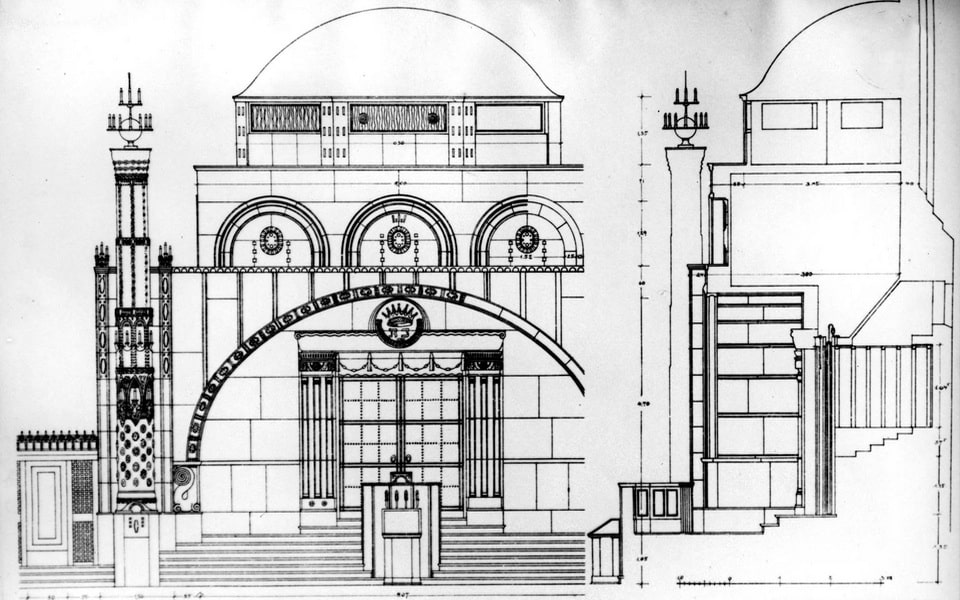
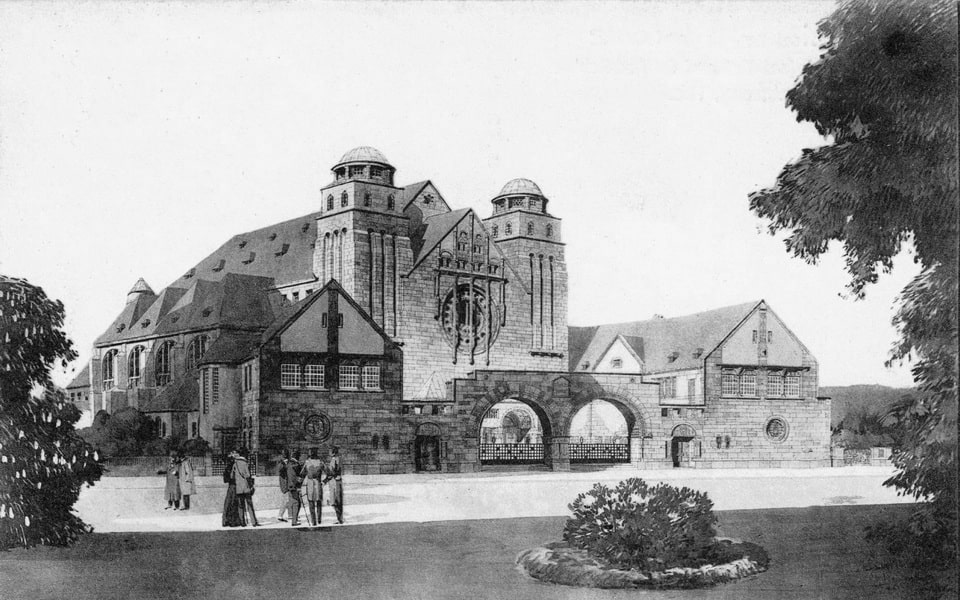
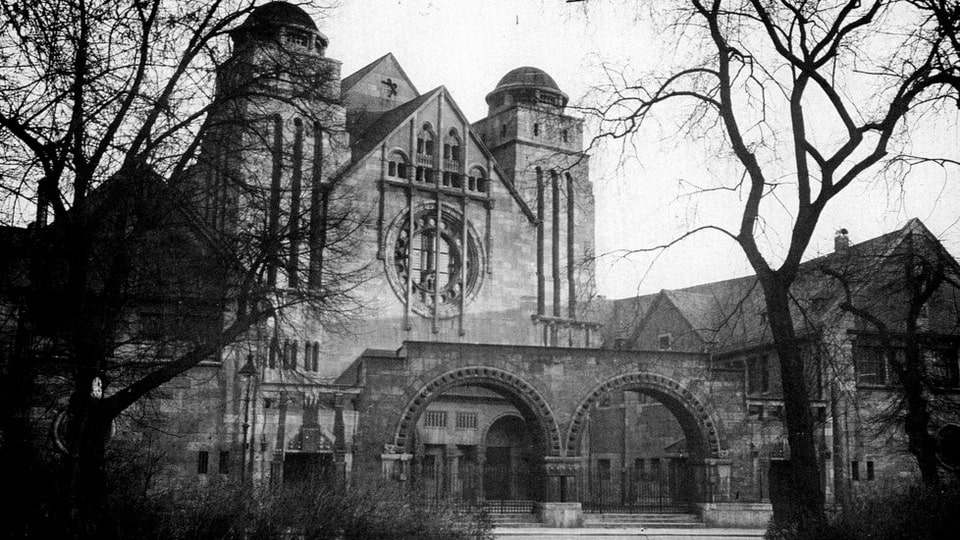
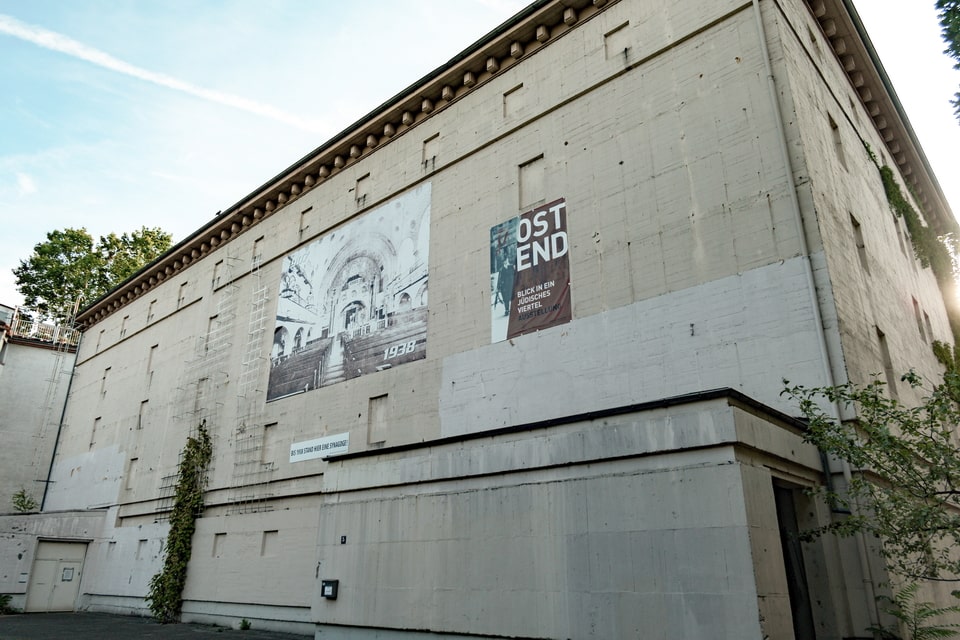
The Friedberger Anlage Synagogue was set on fire by the Nazi supporters in the early hours of November 10, 1938. The fire brigade did a poor job of saving the building, though the first fire caused no significant damage. The ‘Night of the Broken Glass’ was not enough for the Nazis to destroy the synagogue, and in the following days, they made several new attempts to set the building on fire and succeeded. The Jewish community was not only defenseless against this travesty of justice but was also not allowed to restore their cultural pearl. The police ordered the demolition of the synagogue, which lasted until June 1939, when the Jewish community had already been forced to sell the property to the city. In 1942-1943, the Allied air raids and the implementation of the so-called ‘Führer-Sofortprogramm’ (Führer’s immediate raid protection program) resulted in the building of a huge five-story air shelter on the site of the former largest synagogue. The Jews who were still alive in Frankfurt were banned from entering the bunker, which survived the war mainly intact despite the widespread destruction of the surrounding area.
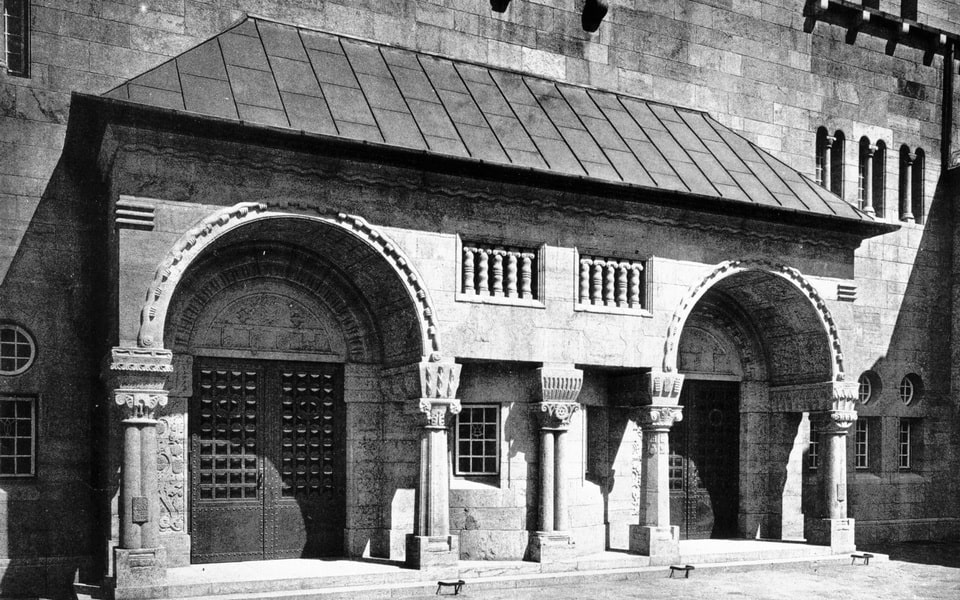
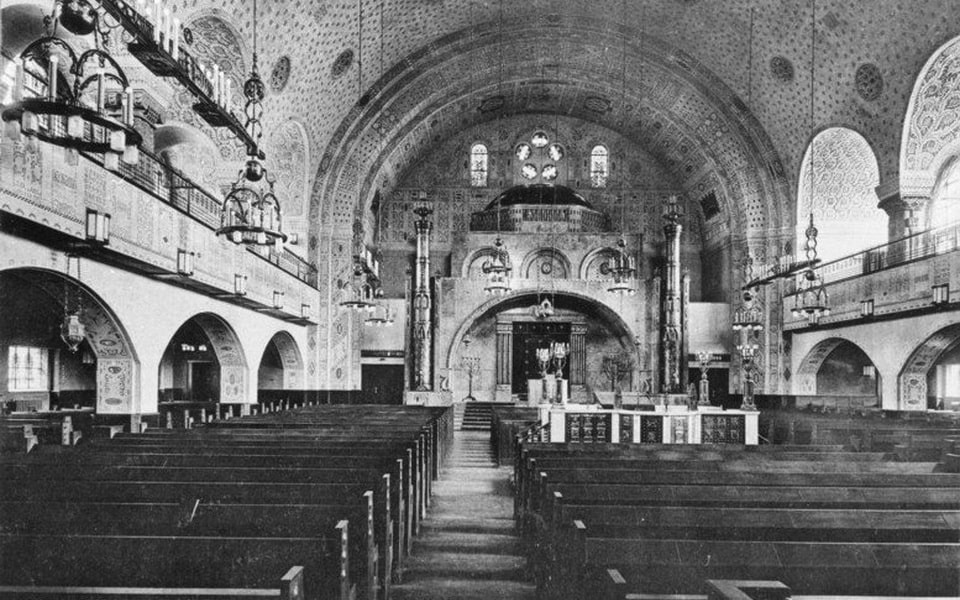
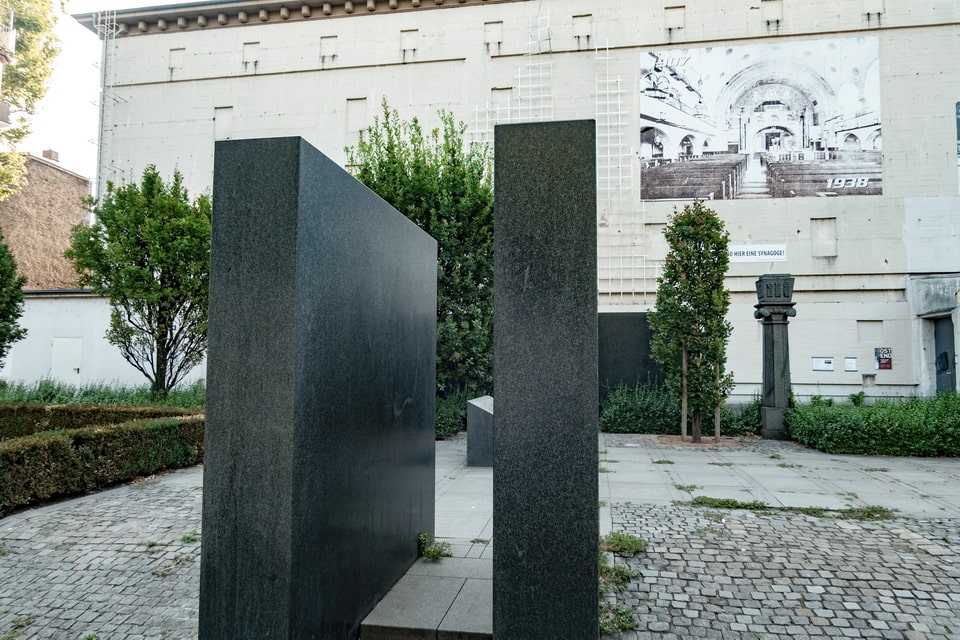
For four decades after WWII, the Friedberger Anlage bunker bore no commemoration of the former Jewish synagogue. From 1947 until 1965, it was used as a storage for books of the local university, and between 1968 and 1988 was used as a furniture store. The Friedberger Anlage Synagogue Memorial Site was finally created in 1988 and consisted of four large black granite slabs, a memorial plaque devoted to the synagogue and its destruction in 1938, and a remnant of the entrance portal. Since 2004, inside the structure, one can visit the exhibition devoted to the history of the Jewish community in Frankfurt’s Ostend district.
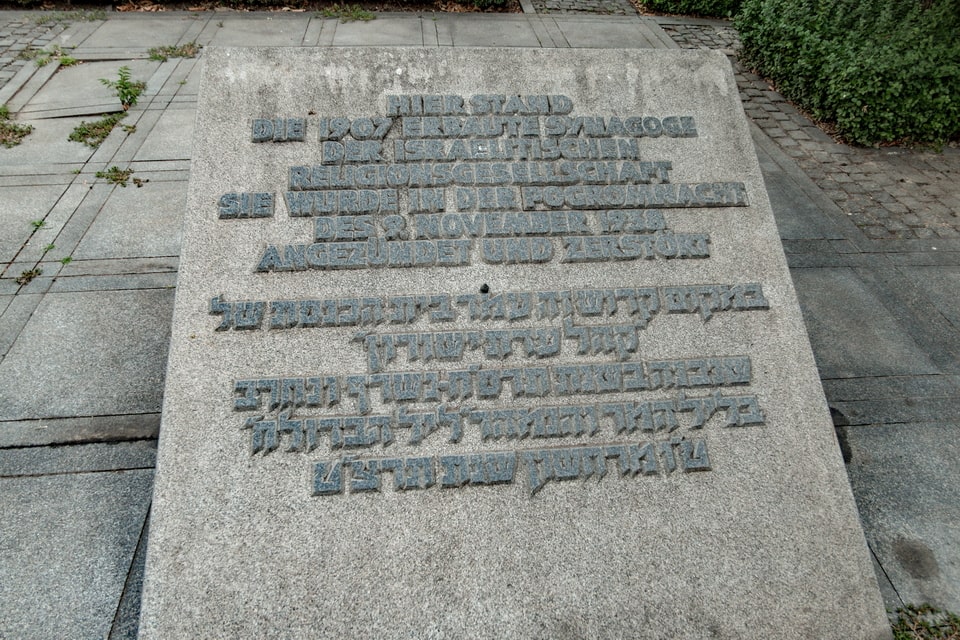
Vienna took almost exactly as long to reach the same point. Alfred Hrdlicka’s Monument Against War and Fascism was unveiled on Albertinaplatz in 1988, and, like the Börneplatz wall, it went up against considerable local resistance.
THE FRANK FAMILY HOUSE IN FRANKFURT: ANNE FRANK’S FIRST HOME BEFORE AMSTERDAM
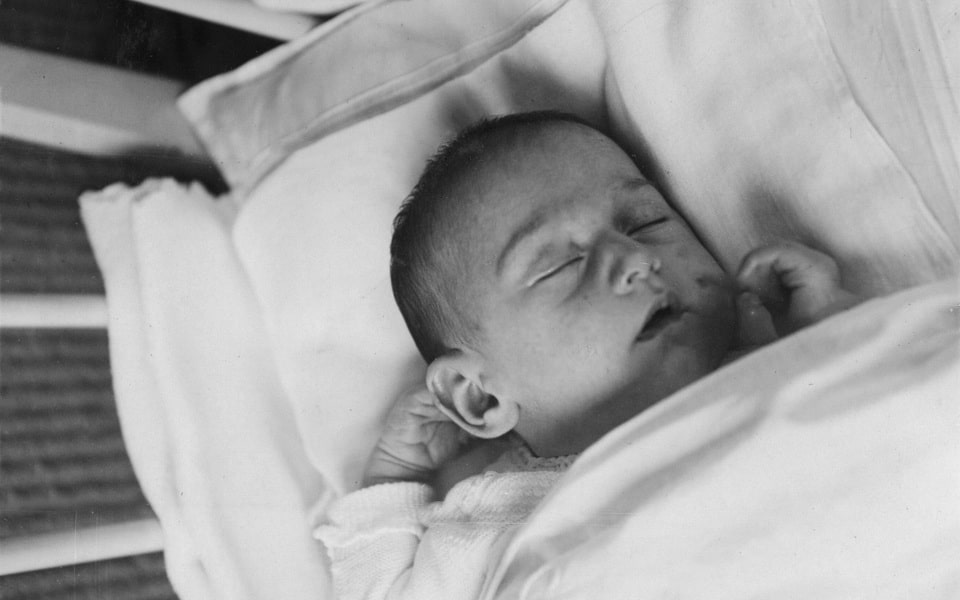
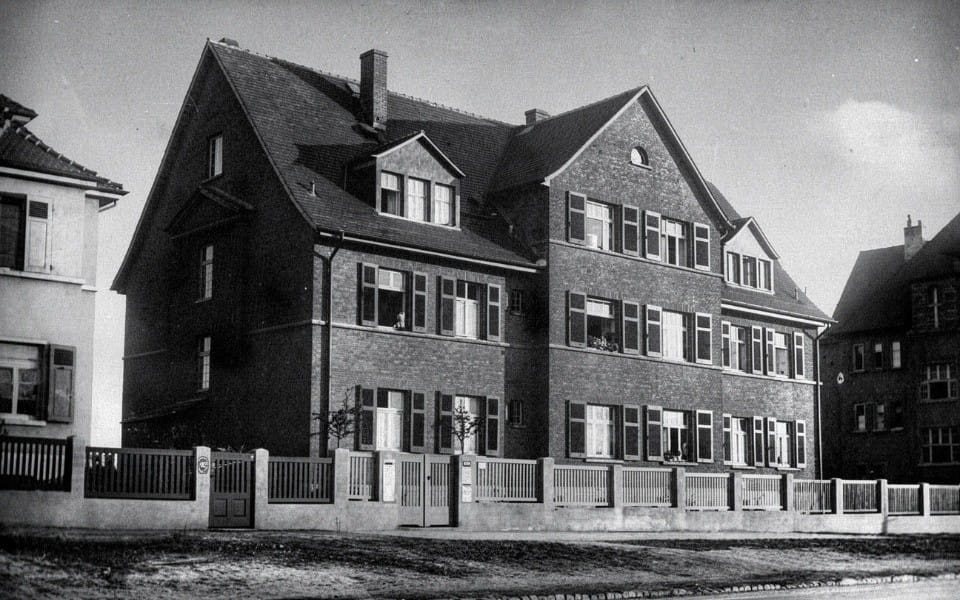
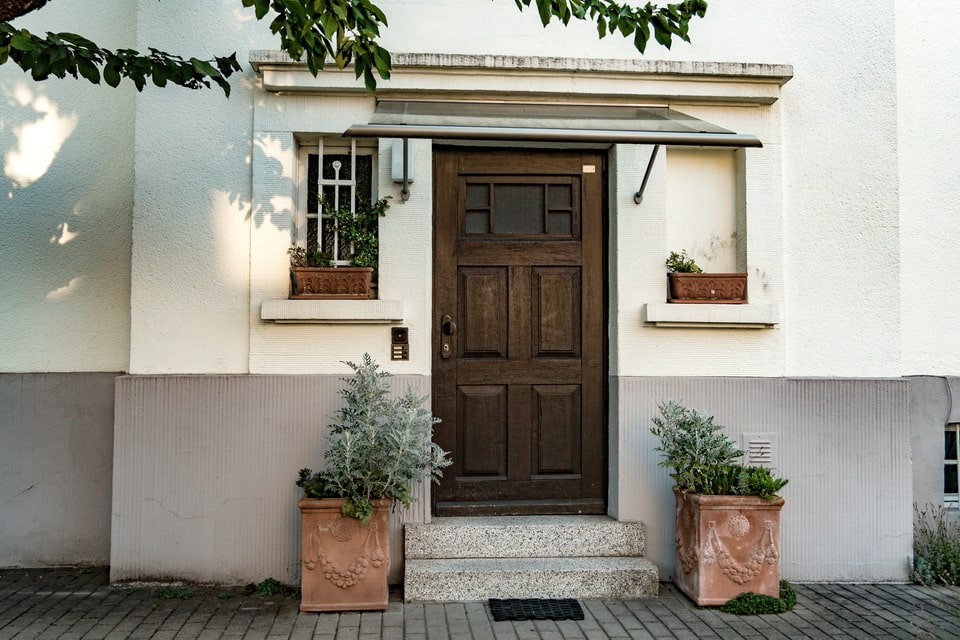
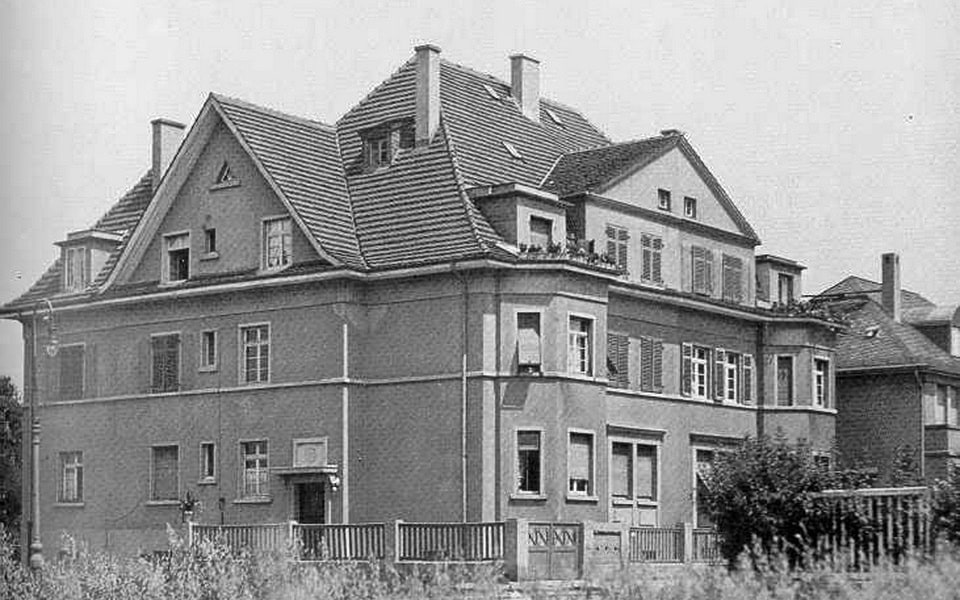
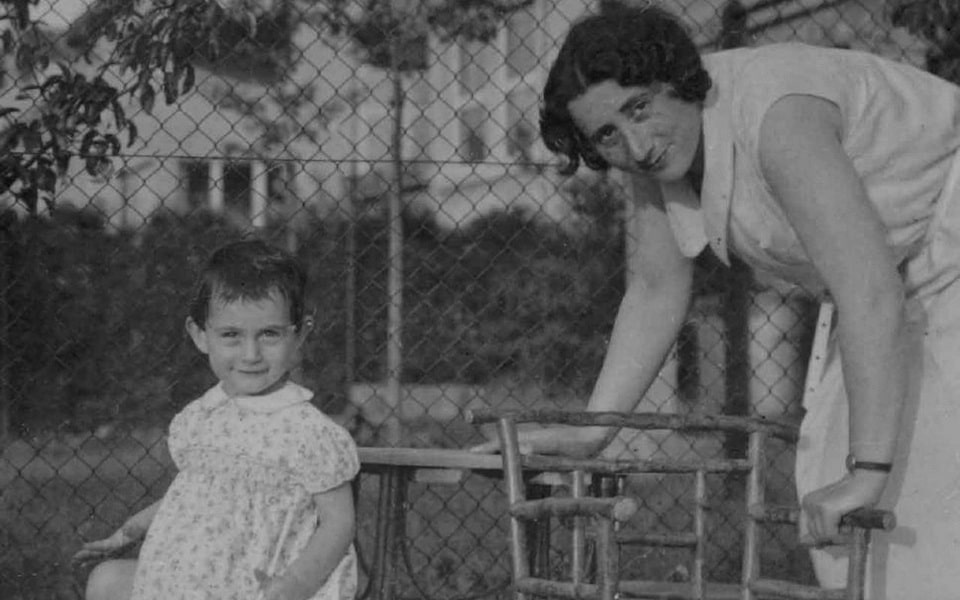
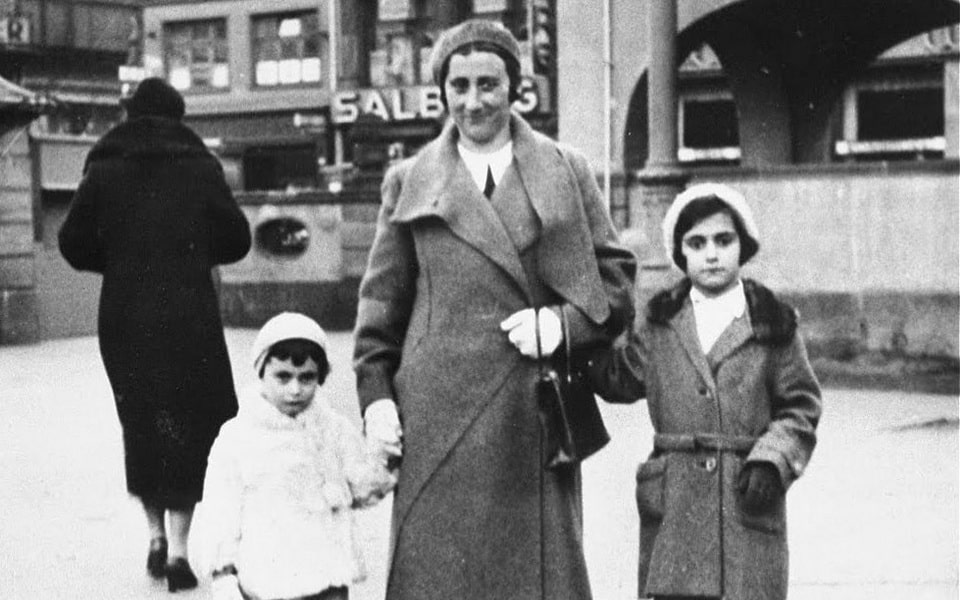
Hundreds of millions of people know the story of Anna Frank and her family, and their hiding place in Amsterdam, though a few know that Anna was born in Frankfurt and the lives of her parents were closely related to the city. Some of her ancestors had once lived on Judengasse. Annelies Marie Frank was born on 12 June 1929 as the second daughter of Edith Hollander and Otto Frank. Her parents, both from highly assimilated Jewish families, married in 1925 (on Otto’s 36th birthday) and gave birth to the first child, Margot, on February 16, 1926, three years before Anna. Since his failed attempt to establish a branch of the family business in Amsterdam in 1923, Otto was a prosperous businessman in Frankfurt. After the wedding, the couple lived with Otto’s mother, Alice Betty Stern Frank, on 4 Mertonstrasse in the western part of Frankfurt, in a house bought by his father Michael in 1901. In mid-1907, when their daughter Margor learned to walk, the family rented their apartment in the house on 307 Marbachweg. The new accommodation was spacious and financially affordable to Franks, and the semi-rural atmosphere of the neighborhood pleased Margot, though there was no synagogue in the area, and the share of Jews was small compared to Westend, where the family had lived in Otto’s mother’s house.
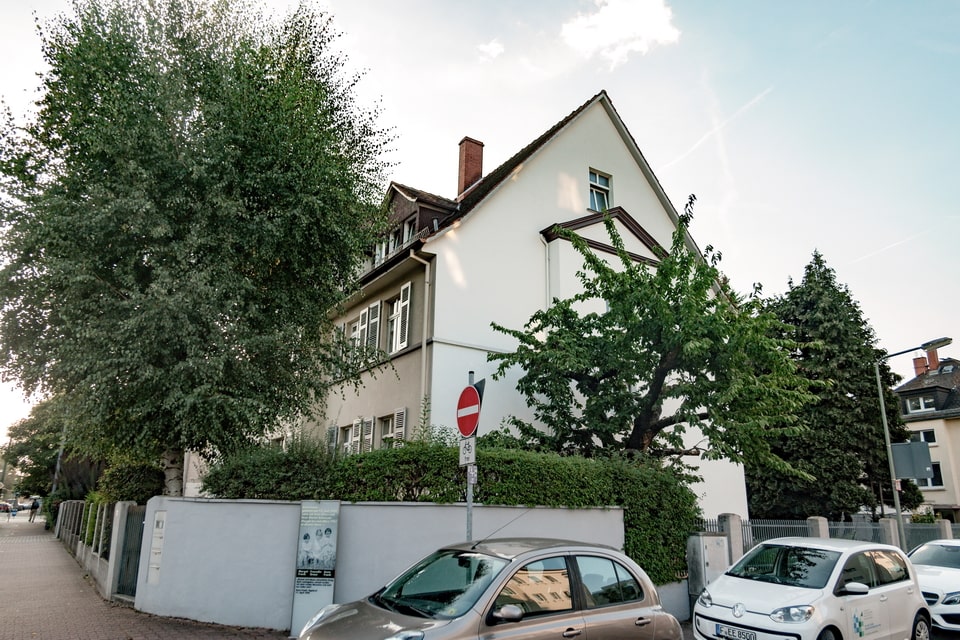
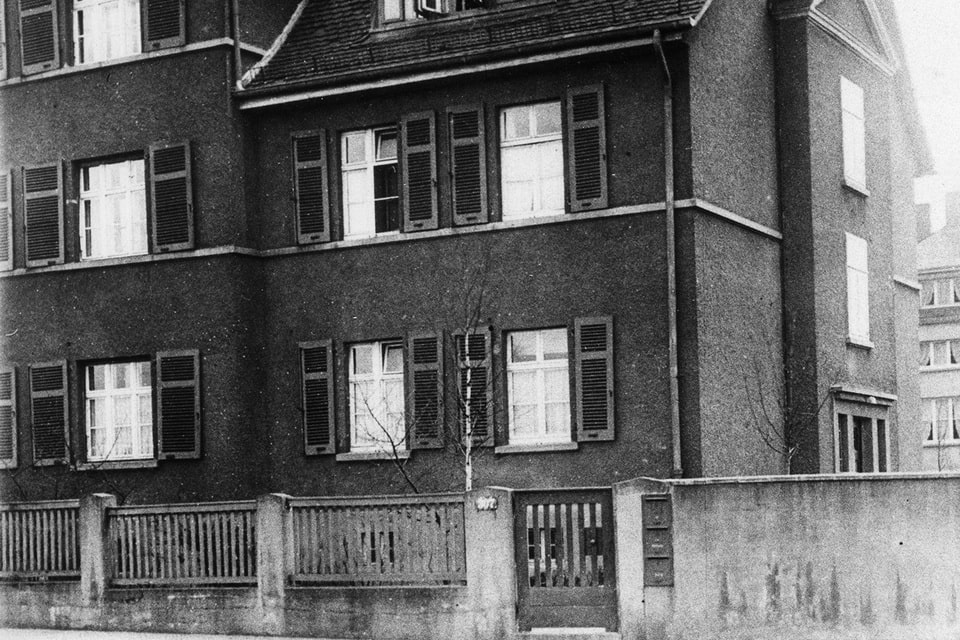
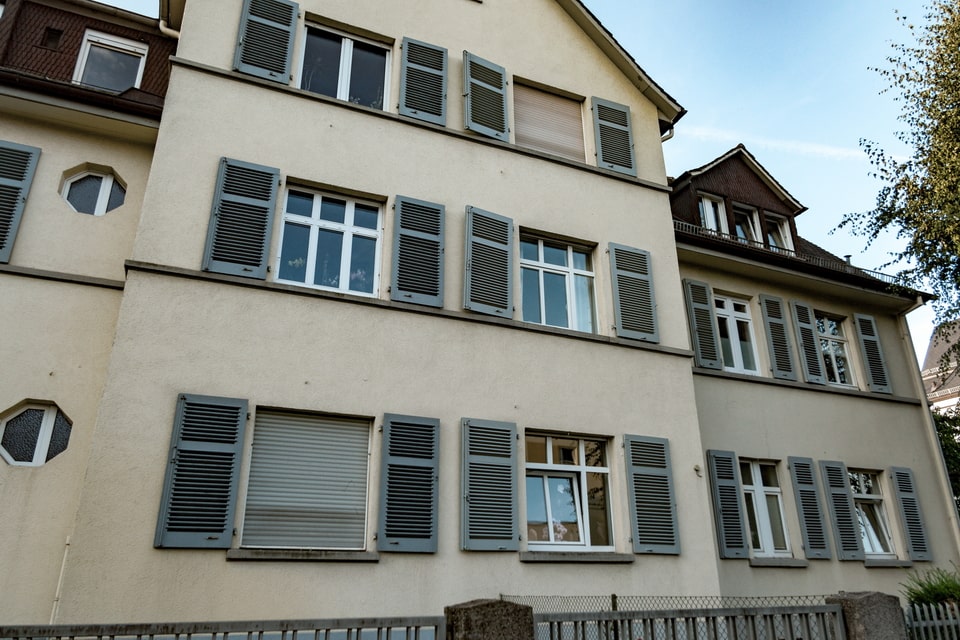
The house on 307 Marbachweg was (and it is still today) a two-story building, and the Frank family occupied its right-wing part, and their apartment was divided into two floors. A dining room, a kitchen, a bathroom, a living room, Otto’s library, and Edith’s study room were on the first floor, and the bedrooms, rooms for guests, and a small room for a housekeeper were on the second. The family was often visited by Edith’s mother and brothers, who used to come from Aachen. The house of 307 Marbachweg was built by a local teacher, Otto Konitzer, from a loan, and his family lived next to Franks. Konitzer sympathized with the Nazi party led by Adolf Hitler, though it did not stop him from renting a part of his house for rent to Franks because he considered the Jews reliable renters. Even though the Franks were the only Jewish family in the neighborhood, they cultivated good relations with other families, except for Otto Konitzer. Margot got acquainted with neighboring children, and she was often invited to play in the courtyard of the Stab family next door.
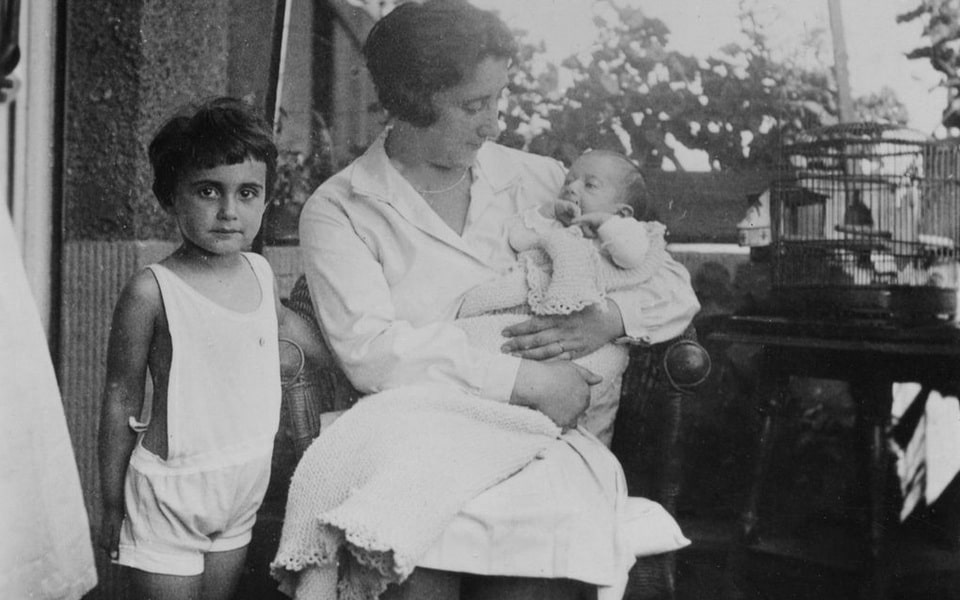
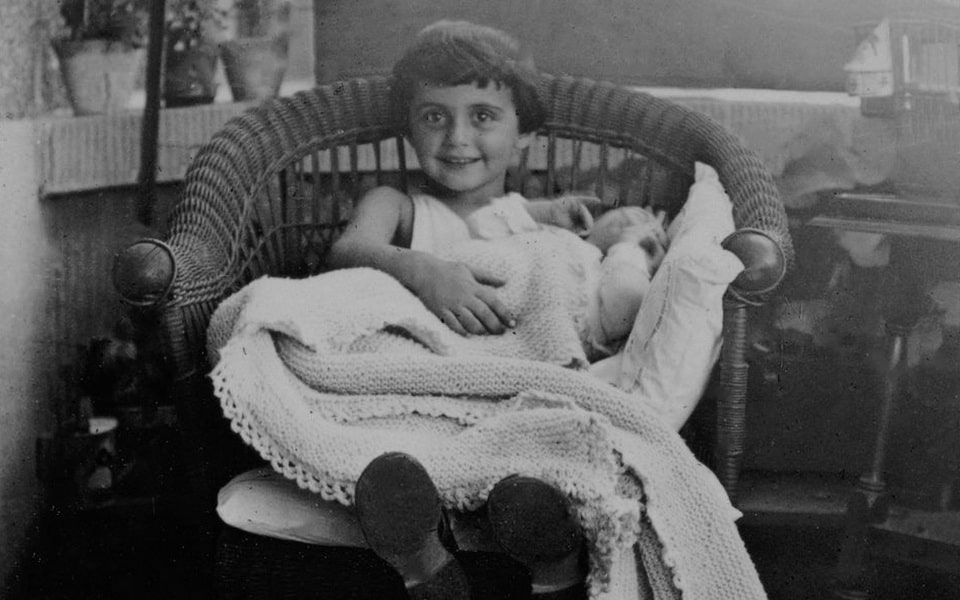
Anna Frank was brought to this house on 307 Marbachweg from the hospital on June 24, 1929, twelve days after birth. The happiness of a young family was soon darkened by the outbreak of the world financial crisis in October 1929, when the financial business of Otto Frank experienced a significant blow in the following months. It was painful for Otto to leave office in a prestigious district on Neue Mainzer Strasse Street and move to a more affordable premise on 20 Bockenheimer Anlage, which they shared with another company. Finally, in March 1931, after three and a half years of life in the spacious two-story apartment on 307 Marbachweg, the Frank family moved to a smaller and less expensive accommodation on the ground floor of 24 Ganghoferstrasse, a ten-minute walk from their previous home. Apart from financial issues, the new district rarely witnessed the marches of Nazi supporters on its streets. Between 1928 and 1932, the election support of the NSDAP rose from 3% to 37%, and Otto and Edith Frank were realistic about the tendency. In March 1933, the family, Otto, Edith, Margot, and Anna, moved back to Alice Frank’s house and finally, in the summer, left for Amsterdam. Otto’s mother and his two brothers left the country later, Alice for Switzerland, and her brother for Paris and London respectively. Unfortunately, the Eschenheim maternity complex, where Anna was born in 1929, did not survive WWII, was badly damaged during the Allied raids, and was later demolished.
VISITING FRANKFURT HOLOCAUST MEMORIALS TODAY: BÖRNEPLATZ, GROSSMARKTHALLE, FESTHALLE AND WW2 SITES
The Börneplatz Memorial
Address: Neuer Börneplatz, 60311 Frankfurt am Main (also accessible from Battonnstraße 47). GPS: 50.111583°N, 8.689951°E. Open 24 hours, 365 days a year. Free of charge. The adjacent Museum Judengasse: Tue–Sun 10:00–18:00, approx. €7.
Getting there:
- U-Bahn: U4/U5 to Dom/Römer (5-minute walk east). S-Bahn S1–S9 to Frankfurt Hbf, then U4/U5.
- Tram: lines 11 or 12 stop «Börneplatz» — directly adjacent.
- On foot: from Römer Square: 7 minutes east. From Frankfurt Cathedral: 3 minutes.
Nearby Frankfurt Holocaust and WW2 sites:
- Museum Judengasse (Battonnstraße 47): Medieval Judengasse foundations, 500 years of Jewish life. 3 min walk from the memorial.
- Grossmarkthalle Deportation Memorial (Philipp-Holzmann-Weg, near ECB): The wholesale market cellar where the Gestapo processed 10,050 Jews before deportation, 1941–1945. The outdoor memorial is freely accessible. 20 min walk southeast.
- Festhalle Frankfurt (Ludwig-Erhard-Anlage 1): Exhibition hall used as an improvised prison after Kristallnacht — nearly 3,000 Jewish men held before deportation to Buchenwald, November 1938. Today, a concert venue. 25 min walk west.
- Old Jewish Cemetery (Battonnstraße): Directly adjacent to the memorial. The second-oldest Jewish cemetery in Germany burials since 1272. Mayer Amschel Rothschild (1744–1812) is buried here.
- Anne Frank’s birthplace (Marbachweg 307): Anne Frank was born at Marbachweg 307, Frankfurt, on 12 June 1929. A plaque marks the house today. 30 min by U-Bahn (U1 to Hügelstraße, 5 min walk).
I am very grateful to war archives, museums, libraries, private collections, and writers for the historical photos in this article. To the extent that some author or a copyright owner may not want some of the above black-and-white photos to be used for educational purposes here, please contact me for adding credits or deleting the pictures from the article.