Dachau Concentration Camp today: sites beyond the memorial
Dachau concentration camp today is not limited to the official memorial museum inside the former perimeter. The city of Dachau, located 16 kilometres north-west of Munich, preserves more than 20 documented historical sites that most visitors never see: the former SS residential quarter (Straße der KZ-Opfer), the Line of Death railway used to deliver prisoners directly to the camp, the excavated foundations of the SS Guardhouse, the SS Workshops (Wirtschaftsbetriebe) — now occupied by the Bavarian police — and the route of the infamous Buchenwald death train, which arrived in Dachau on 28 April 1945 with fewer than 800 survivors out of 4,480 who had left Weimar three weeks earlier.
This article, based on my personal visit to Dachau in August 2018, takes you on a detailed walking route through the city of Dachau — with archive photos and modern photography at each location — covering the sites beyond the camp memorial that are absent from standard guided tours. Unlike the official KZ-Gedenkstätte Dachau memorial — which covers the history of the camp interior — this guide focuses on the documented sites beyond the memorial perimeter, including former SS residential areas, the industrial zones, the railway infrastructure, and the civilian spaces of the city that witnessed and enabled the camp’s twelve-year existence.
THE TOWNSPEOPLE OF DACHAU: WHAT DID THE CITIZENS KNOW ABOUT THE CAMP?
It was no less than this designation to be used to name one of the sections of the report of the OSS section of the US 7th Army, an investigation to reveal the crimes against humanity, that had been dramatically put into life (or rather into death) in the North-Western part of a commonplace town of Dachau. In the first fortnight of May 1945, a detachment of the OSS (Office of Strategic Services, a wartime predecessor of the upcoming CIA) examined spoken and written testimonies of a few hundred of the Dachau citizens, representatives of different social classes, ages, both genders, and of antithetical views and attitudes to the means of discussion, which had now become definitive for them. While trying to grasp the second bottom of this value tree of testimonies, we could agree upon four formal groups of the TOWNSPEOPLE of Dachau concerning their moral attitude toward the Dachau concentration camp or direct collaboration with the administration. For obvious reasons, the report and our data developments would fail in an attempt to examine the openness and sincerity of the interviews, as, for the most part, they were not cross-verified or denied.

SS OFFICERS / FAMILIES / ESCAPED CRIMINALS. As early as April 28, 1945, the day to witness the arrival of the sadly remembered ‘Death train’ from Buchenwald and a day before the liberation of the Dachau camp by the American forces, a great portion of the SS staff personnel had left the place. The decision was far from spontaneous and sudden, as some officers and facilitators among the townspeople had made preparations throughout the last weeks of April 1945. Despite the escape of some high-ranking officers and some guards, 560 SS members and collaborators remained behind the Dachau fence.
Martin Gottfried Weiß, a former commandant of the camp, was attributed as the most senior German officer among those who left the Dachau on April 28. Back in April 1933, during the second month of Dachau camp, Weiß joined a ‘work’ as a prison warden. He would spend the upcoming five years as an engineer (in line with his education) to be given an appointment as an adjutant to two commandants. After two years of experience (1940-1942) in charge of the Neuengamme concentration camp (near Hamburg), Martin Gottfried Weiß was positioned as the commandant of Dachau from September 1, 1942, until October 31, 1943. On May 2, 1945, a day to witness fewer survivors of the infamous ‘Tegernsee death march’ finally reached its destination, and four days after the liberation of Dachau, Eduard Weiter, a commandant of that time, committed suicide within one of the subcamps. Weiter committed suicide by self-inflicted gunshot at Itter Castle (Schloss Itter) in Tyrol, Austria — the same castle that would become the site of the extraordinary «Battle of Castle Itter» on May 5, 1945, in which American soldiers and Wehrmacht troops fought alongside former French prisoners of war against the Waffen-SS. Later on the same day, Martin Gottfried Weiß was finally captured as a prisoner of war by the American troops in the small city of Mühldorf am Inn, 80 kilometers to the East of Dachau.


DENIERS AND ‘LACKERS’ OF KNOWLEDGE. This share of the Dachau citizenship predominantly admitted its awareness of the existence of the camp on the outskirts of the city, yet, similar to the Mauthausen in Austria, most of them denied actual knowledge about the crimes that had been carried out beyond the camp fence for twelve years. The very category of the witnesses interviewed made their efforts to bring to the notice a practice of off-hand and sometimes cruel manner of the camp administration to deal with the citizens of Dachau. Credible occurrences indeed had taken place within the first two years of the camp’s existence (1933-1935), yet a denial of one’s awareness of the nature of the Dachau camp as well as the self-interpreted version of the scenes within the city (including the on-foot marches of the inmates along the streets) have become a cliche and conventional belief among this part of the city population. Some of the citizens interviewed had been members of the NSDAP, and some others had performed services to the camp administration (for example, a supply of bread), most notably during the mid-1930s. Some of the most controversial testimonies included an affirmation that the entrepreneurs had no other way than to cooperate to maintain their business, yet they denied the awareness of the crimes.
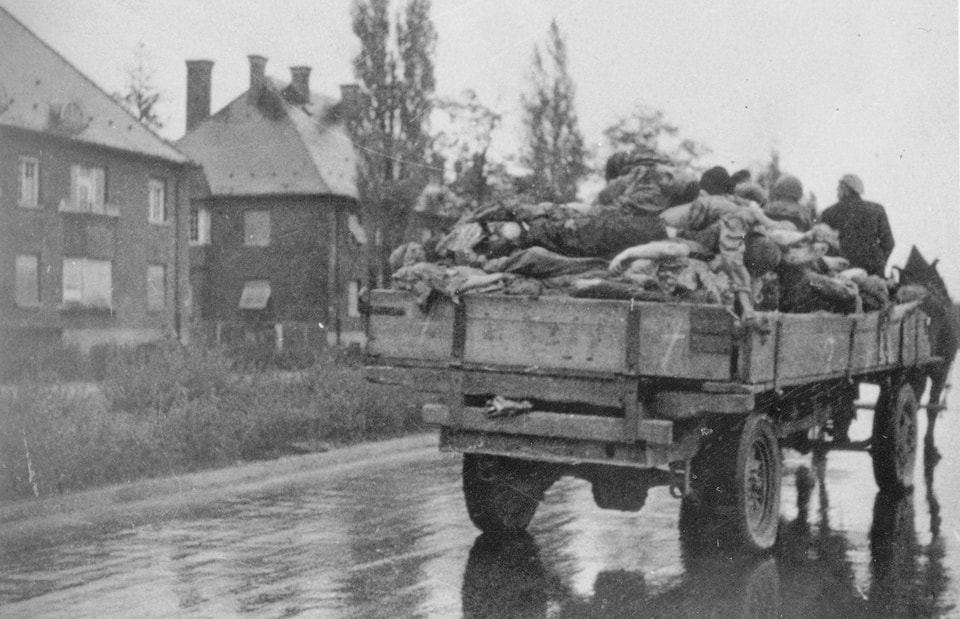
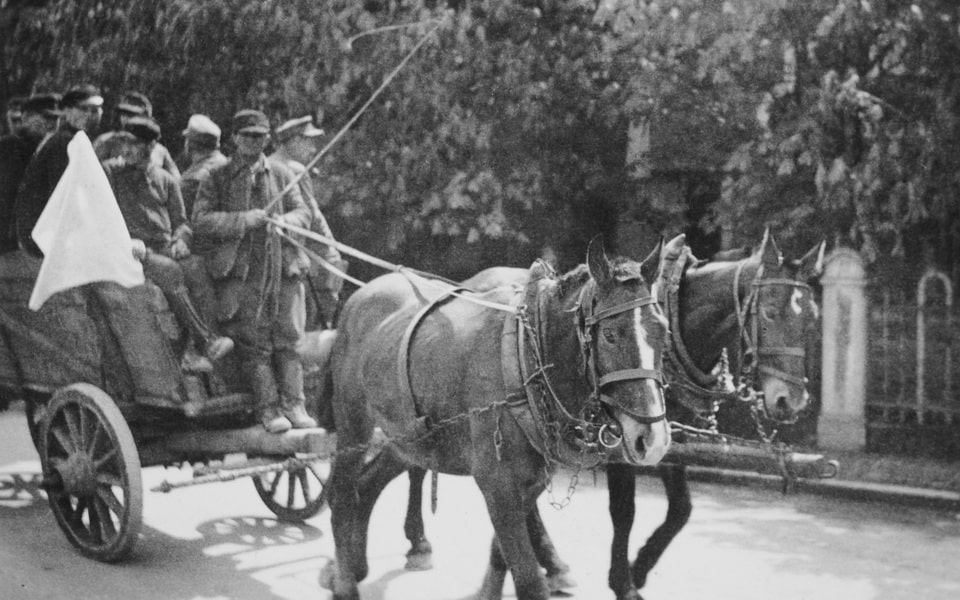
SILENT BYSTANDERS. The OSS investigators of the US 7th Army attributed this portion of the Dachau citizenship as the most numerous. These witnesses predominantly admitted their awareness of the horrors of the concentration camp within the outskirts of their town, as the infiltration of the facility could not be underestimated. Within twelve years of the camp maintenance, an unnumbered share of townspeople made efforts to emphasize the faith of the victims beyond the barbed fence with a provision to be handed over. Back in the mid-1930s, the camp guards used to violently cut off such contacts, wherever the last year of the war witnessed a reestablishment of such support. One of the reasons is generally attributed to the fact that at that time the SS personnel were predominantly reinforced with men, forced to join the staff, rather than fanatics among the SS in the pre-war days. A large proportion of the citizens point out that the long-standing practice of mass bullying had been efficient to the very extent that it prevented people from even talking about the horrible scenes in the city and from even looking aside the columns of the inmates and the railway transports, coming into the city.
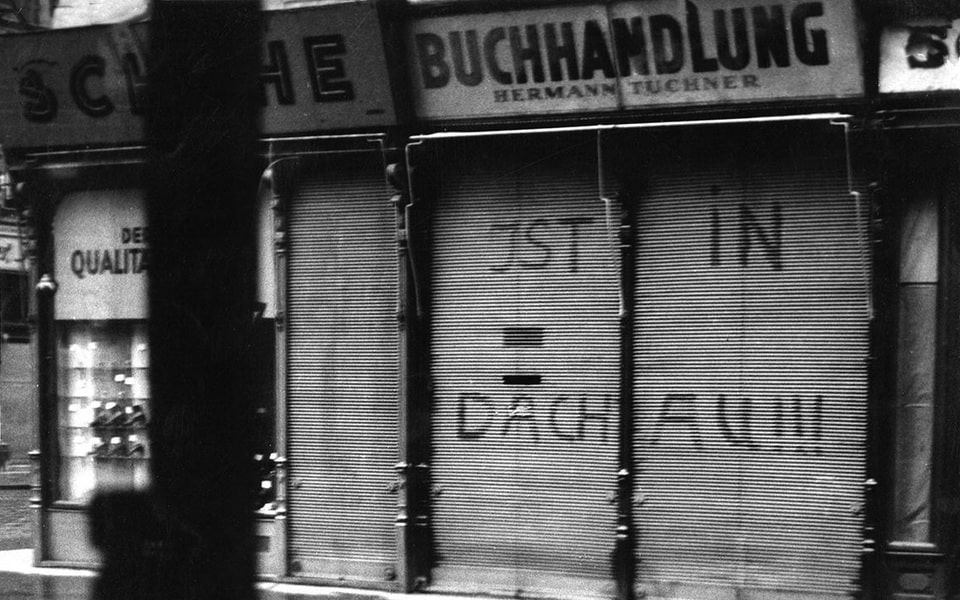
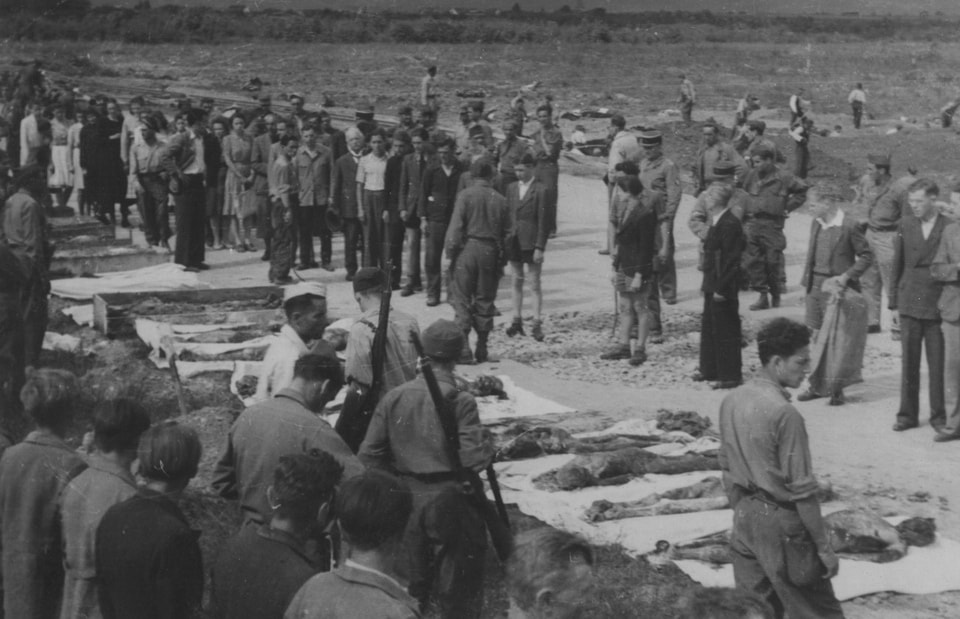


PROTESTERS. The least in number share of the townspeople protested one way or another against the Nazi regime or rejected any proposed cooperation with the camp administration of the Dachau concentration camp. Back in the early days of the Third Reich, three members of the local community openly declined the prospect of joining semi-military squads of a new regime. The investigators succeeded in finding the representatives of the political opposition, including the former social democrats of the time of the Weimar Republic. Some of these people, interviewed in May 1945, made no secret of their unvarnished disrespect to their fellow countrymen, who (as the protesters used to say) had stepped in blood up to the elbows. For obvious reasons, some of the ‘protestors’ fell victim to the regime and were put to death on account of their beliefs.
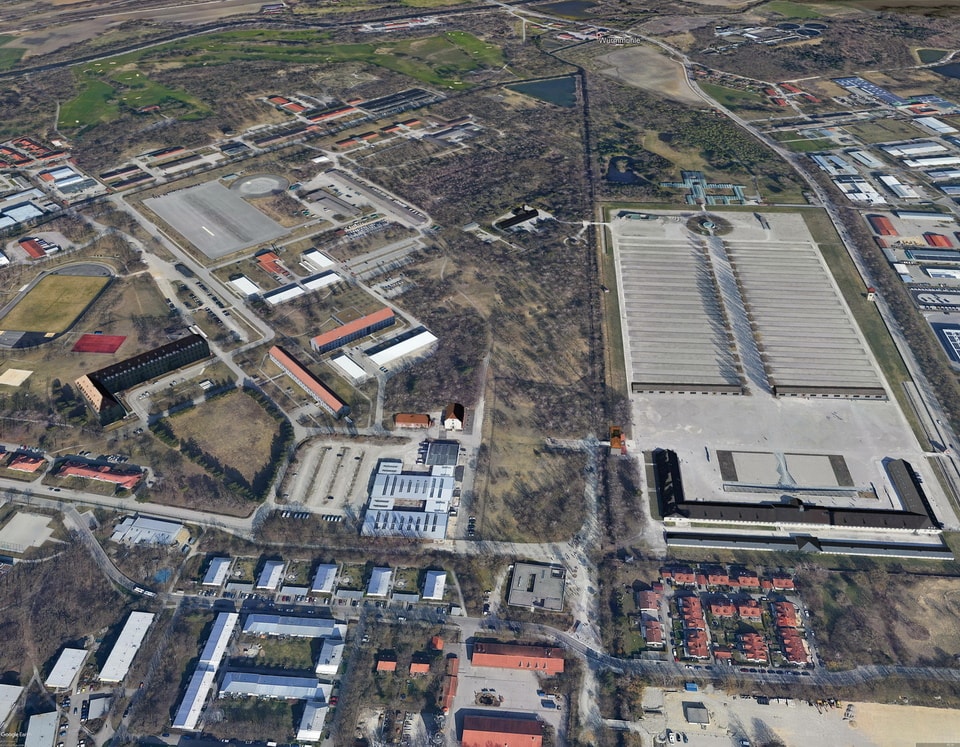
 SLIDE me
The city of Dachau today has a population of approximately 47,000 people. The question of collective memory and responsibility that the OSS investigators raised in May 1945 has remained a subject of debate and reflection in the city for decades. In 1996, the city formally adopted the motto «Dachau — Stadt, die mahnt» (Dachau — a city that warns) and has since actively supported the memorial and educational programs. The Dachau City Museum (Stadtmuseum Dachau), located in the historic city centre, documents both the town’s pre-war artistic heritage and its complex relationship with the camp. It is open Tuesday–Sunday, 11:00–17:00. Entry is approximately €4.
CITY OF DACHAU TODAY: TRANSPORT JUNCTION, MUNITION FACTORY, AND THE CAMP ORIGINS
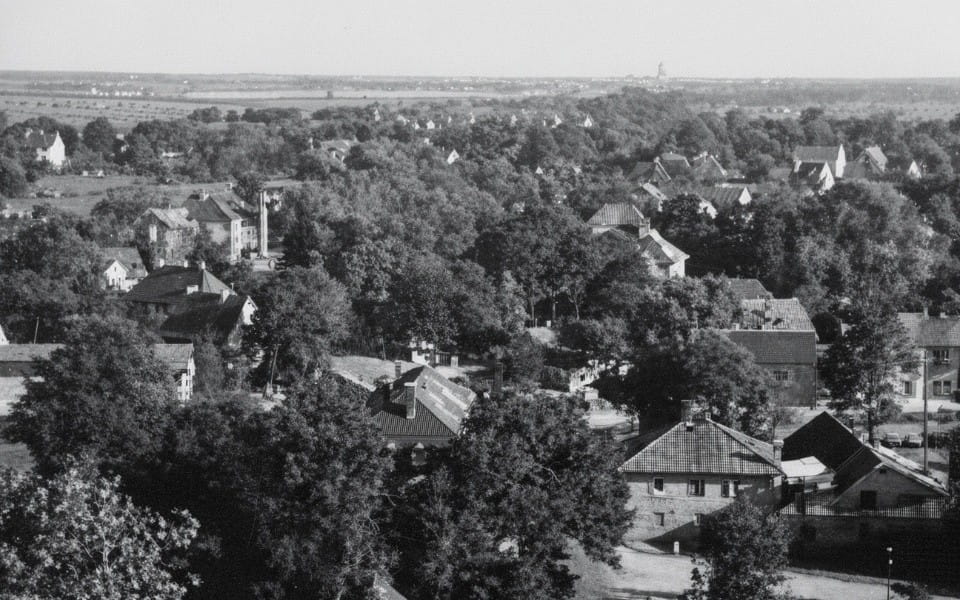
Centuries before the name of the German city of Dachau would be incorporated into the social consciousness as a synonym for death and crimes against humanity, a cozy settlement to the North of Munich (first mentioned as early as 805) had been appreciated as a sleepy periphery in the very heart of Bavaria. At a time when Munich was a junction point on the medieval merchant route from Salzburg to the East, Dachau had become a link in the chain of way more modest directions from Munich to Augsburg. As early as the 13th century, a settlement came to be known for the market and advanced commerce: factors that would bring both profit and devastation within the next six centuries. On November 14, 1867, eleven years after the build-up of a railway station in the Polish city of Oswiecim, the multi-century status of the German settlement of Dachau as a transport junction was accompanied by its railroad terminal. The Dachau station at that time was a section of a newly-built railway line, laid up to link Nuremberg and Munich.
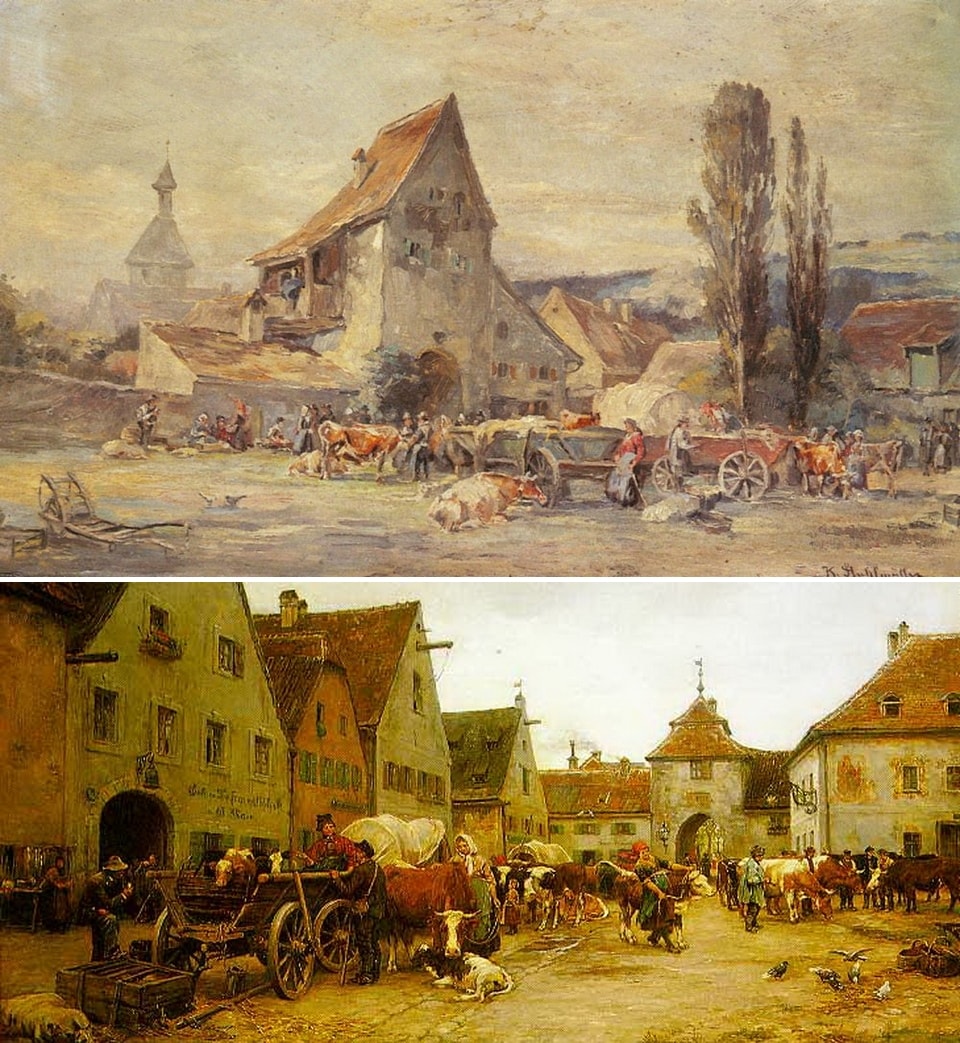
In the lead-up years to the Great War (World War One), the railway junction of Dachau was enlarged with some newly-erected filiations. The escalated military demands of the strained Empire economy commemorated the erection of hundreds of enterprises all over the country, attributed to maintaining military production with a variety of defense items. The year 1915 witnessed the designation of a semi-swampy Eastern part of the city outskirts of Dachau for the construction of a new plant, designated for military production. The Royal Gunpowder and munitions factory occupied a large area to the east of Dachau. The production profile of the new enterprise was attributed to include munitions for light weapons such as pistols, rifles, and machine guns, as well as an armament to deal with air balloons or ‘aerostats’ (realias of the First World War), to blast light armor, and to eliminate engineer obstacles, made of barbed wire.

Shortly after the last days of the construction, workers from almost every corner of the German Empire made their way to join the production in Dachau. The most staff-demanding periods would later witness the total personnel of up to 8000 people simultaneously occupied at the ‘Royal Gunpowder And Munitions Factory’. As far back as the end of the same year, 1915, it was decided to build a new rail line 2 kilometers long to link the production facility with the Dachau Bahnhof train station to ease the delivery of the goods. As late as 1918 and after the nominal end of the warfare, the plant was closed and abandoned, which made thousands of its former workers unemployed in a new country, drowned in the bitterness of defeat, starvation, and revolutions.
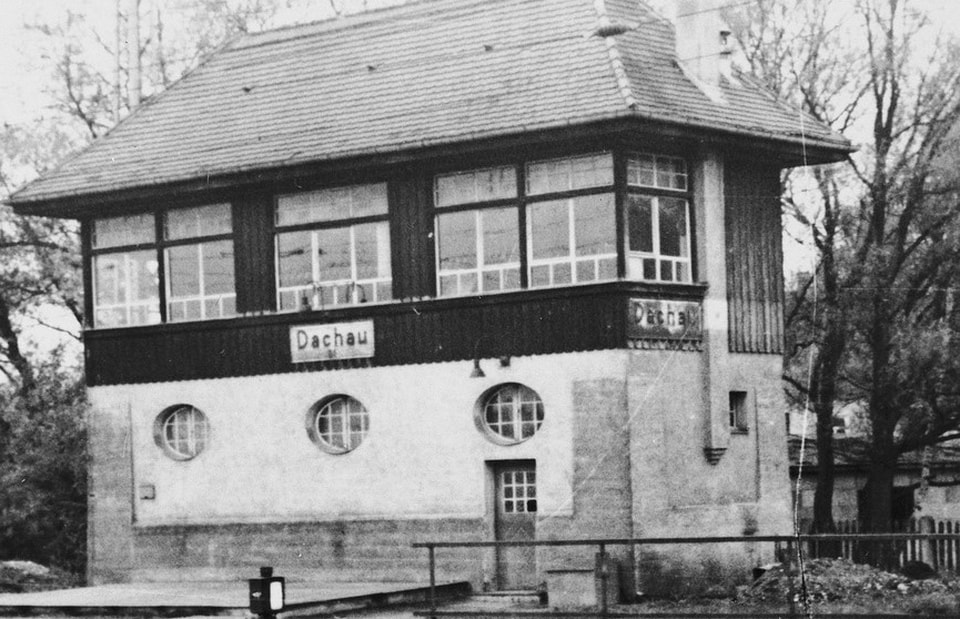

THE LINE OF DEATH: DACHAU’S RAILWAY OF DEATH TODAY — NIBELUNGENSTRASSE TO THE CAMP
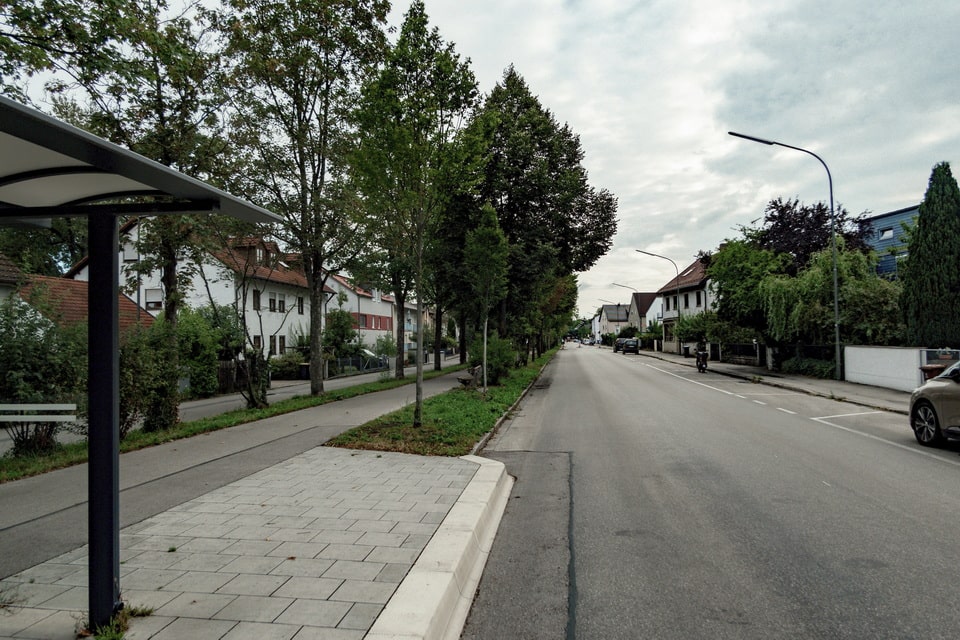
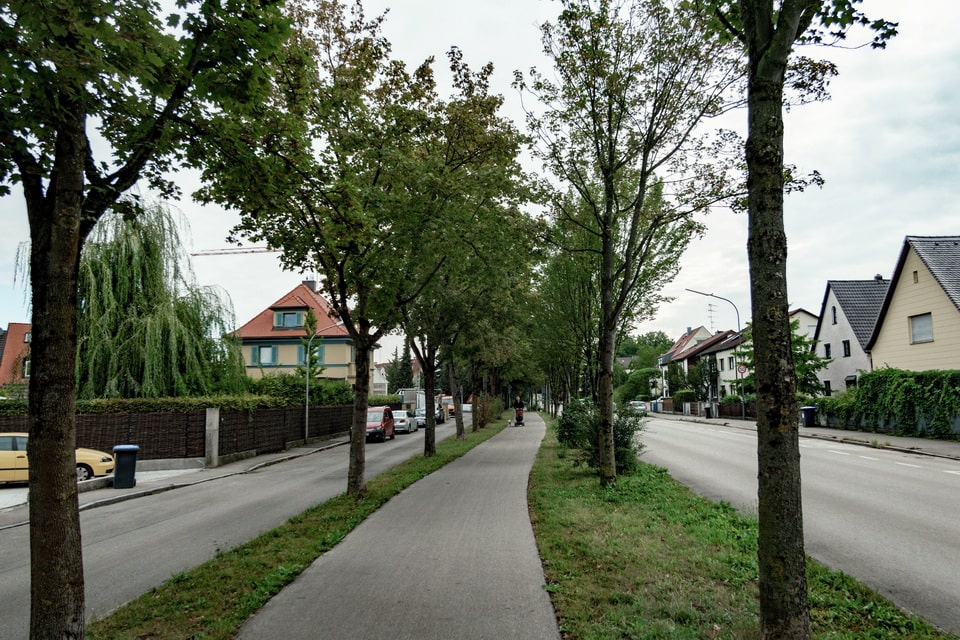
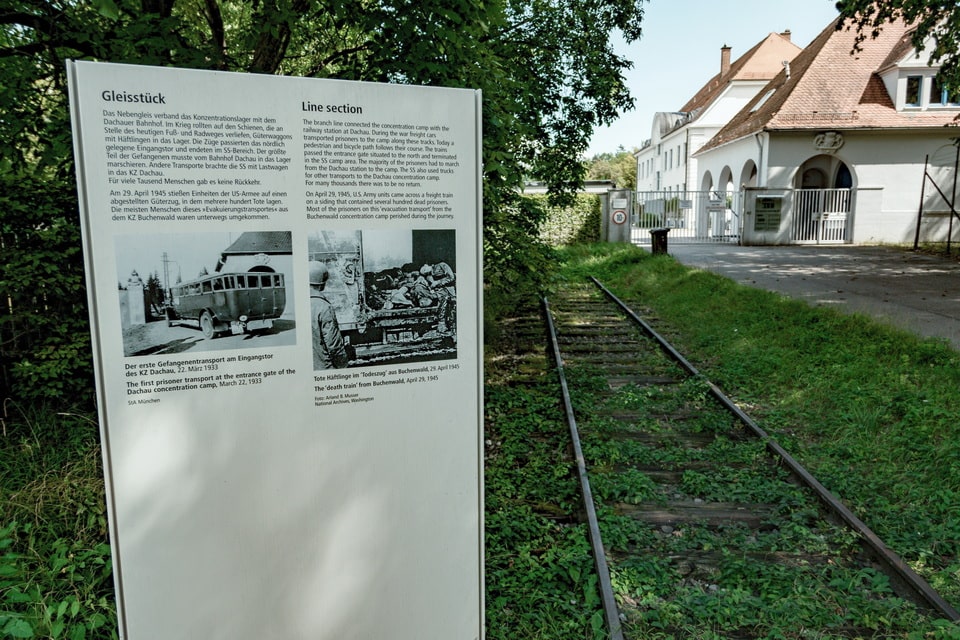
The 1915-built railway line of the ‘Royal Gunpowder and munitions factory’ had been laid as a filiation to the main Dachau junction with the first meter of offshoot to the North of the railway station close to the start of the NIBELUNGENSTRASSE street. At that time, before the establishment of the Dachau concentration camp, the line was paralleled with FRIEDENSTRASSE (The Street of Peace), which was laid out after the end of the First World War. The parallel course of the two streets (NIBELUNGENSTRAßE and FRIEDENSTRAßE) makes little logical sense with an eye to the modern image of the city, since after the Great War (First World War), two transport arteries were separated by an abandoned rail line of the equally abandoned munition factory. Eventually, the infamous rail line, tragically known as the ‘Line of Death,’ was preserved until the year 1985, then dismantled and replaced with a narrow walking alley with ‘The Pass of Remembrance’ to be established no earlier than 2007.
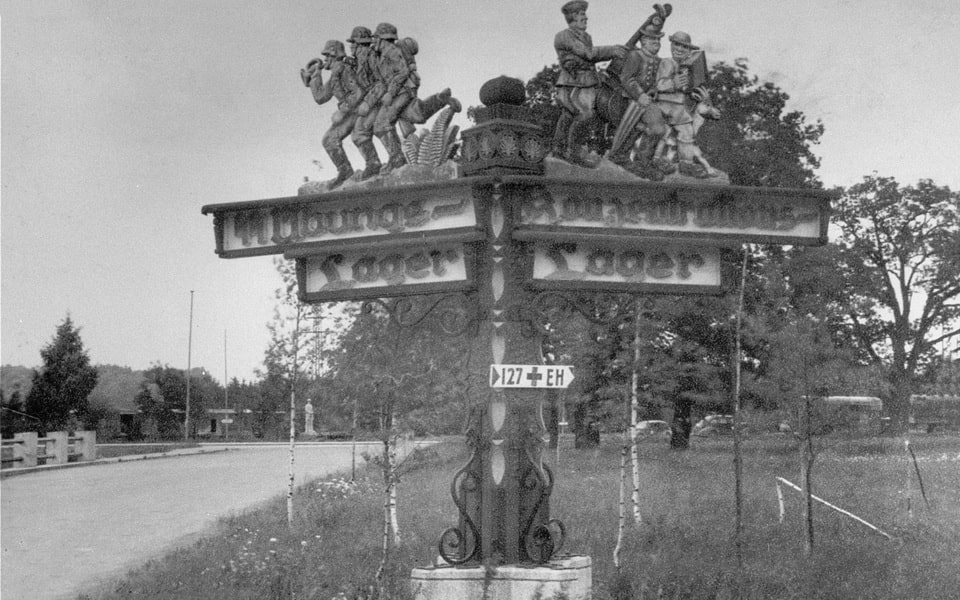

In the inter-war years before World War Two, notably before the large-scale extension fulfilled up to 1938, the large, not to say great proportion of the inmates were destined to be delivered to Dachau camp beyond the railway line of the former munition factory. The early years of the camp witnessed the ‘delivery system’ largely dependent on the special carrying buses as well as on foot forced marches from the Dachau railway terminal. It’s critical to underscore that, regardless of the expropriation of the territory of the former munition factory already in 1933, it was no earlier than September 22, 1936, that witnessed the documented transfer of authority to the SS, now end-to-end master of the complex, including the semi-abandoned railway line.
In July 1936, at the end of the second week of a large-scale expansion of the Dachau camp and two months before the assignation of the SS rights over the location, the first 120 people were carried to the site through the old railway line of the former ‘Royal gunpowder and munitions factory’. These doomed inmates were to be the first to be ‘delivered’ directly to the camp facility. The Bavarian Secret Police informed the camp administration to be ready to take 120 people, who had been attributed as ‘unfavorable’ elements or ‘drifters’ and ‘homeless’. The arrival was authorized to be carried out through three rail wagons, scheduled to enter the facility through the South-Eastern part of the camp.

November 1938 witnessed the heightened need to use railway transport as the main means to take prisoners; more than 10,000 Jews, men, and women had been imprisoned subsequently to the pogroms of the ‘Kristallnacht’ (Night of Broken Glass). Taking into consideration such enormous figures, it was far from the peak that would be reached in 1944 with endless transports from all over Germany and from the East, including the Auschwitz death camp. The majority of the Dachau citizens, who testified to the US investigators after the war as well as in the decades to come, stated to have a poor understanding of the nature of the transports, loaded with people, as they had predominantly arrived at nighttime. It also should be noted that in the first years of its existence, Dachau lacked the grotesque grandiosity of the last years of the war: thirteen Jews died in the camp in 1933, and only one in 1934.
THE ORIGIN OF THE DACHAU DEATH TRAIN: LEAVING BUCHENWALD, APRIL 7, 1945
Progressively with the advance of the Allied forces on both Western (Anglo-American) and Eastern (Red Army) fronts, the encirclement of the Third Reich was to be a realias not only for the military formations and cities with millions of civilians but also for the network of the concentration camps all over the fated Nazi state. In the last days of March 1945, the total figure of inmates of the infamous Buchenwald concentration camp peaked at an unimaginable 50,000 people, resulting in an unprecedented death rate due to mass exhaustion, starvation, and diseases. As early as April 3, Hermann Pister, the commandant and the master of death since 1942, delivered a speech to his staff and made a point of the need to double the watch in light of possible revolt. Three years from that day, he would die of a heart stroke as a disgraced war criminal in Landsberg prison.
Over the next five days, up to 28,000 of the Buchenwald inmates were ‘evacuated’ into the interior of the Reich, both by railway means (from the nearby station in Weimar) and using forced marches of death, and including the Dachau direction. At that time (April 1945), the transport system of Germany was largely dislocated and damaged by the Allied air bombardments as well as the advance of the Allied forces from two European fronts. The rail transports had to make unnumbered forced stoppages to take the alternative route along the bypass lines. For all other circumstances, this transport collapse had become the definite cause of the high death rate among the inmates, who were to be transported along with the territory of the collapsing Third Reich. The very concourse of circumstances had finally led to the fact that the train to leave Weimar on April 7, carrying prisoners of the Buchenwald concentration camp initially to Flossenbürg, would, after all, reach Dachau in Bavaria three weeks later.

THE NAMMERING DEATH MARCH: ROUTE OF THE DEATH TRAIN FROM BUCHENWALD TO DACHAU
On April 7, 1945, 4480 prisoners had been forced to leave the territory of the Buchenwald camp on foot in the direction of the closest railway station in the city of Weimar. They were assigned to make provisions for one day of the journey. A few hours and 12 kilometers after the exhausting marching, people were loaded into 40 cattle trucks, guarded by 150 SS men. Flossenbürg concentration camp, located 100 kilometers to the East of Nuremberg, close to Czechoslovakia, was chosen as the initial destination point. As the Flossenburg camp was liberated as early as April 23, the route of the ‘Death train’ was modified to reach the infamous outskirts of Munich.
Throughout the journey to Dachau, one of the waypoints on the route encountered unplanned transport difficulties, as the railway station in the German city of Plattling had recently been devastated by an Allied air raid. In that logistical respect, the direct line to Munich was now beyond accessibility, which would delay the arrival of the transport to Dachau for a week and increase the total death toll. The supernal SS officer decided to make a stop at Nammering, a city that has a branchy rail line system (due to a stone processing factory). On the night of April 20, 1945, the transport arrived in Nammering. Approximately 4000 of the prisoners initially recorded 4480 in Buchenwald were still alive on the 13th day of the journey. Within the next three days before the departure on April 23, the number of people was cut to 3100.
ARRIVING AT DACHAU CONCENTRATION CAMP: THE DEATH TRAIN, APRIL 27–28, 1945
A new indirect route, dictated by the realias of war and distorted logistics, took another four additional days to reach Munich in the first instance and then to lead a train to Dachau. By the very morning of April 23, 1945, when the ‘train of death’ left Nammering station on its 16th day on the road, the Buchenwald camp had been liberated for twelve days and the roads and railway lines of the collapsing Third Reich had been dramatically crowded with sorrow processions of the forcibly ‘evacuated’ prisoners of the Nazi camps, which would become history as the ‘death marches’. The generally recognized historical sources indeed give us two dates of the arrival of the infamous ‘train of death’ from the Munich direction to the facility of the Dachau camp: April 27 and April 28, one and two days before the liberation of the camp, respectively. The May 1945 investigation report of the US 7th Army designated the afternoon of April 28, and the number of other acknowledged sources denoted nighttime between April 27 and 28. About the total number of victims, who lost their lives during the doomed three-week trip in the face of poor sanitation, lack of provision and water, the modern second-sources historiography and the official data of the Dachau museum in the consensus of the opinion that no more than 800 exhausted prisoners of 3100 who had left Nammering on April 23, were still alive and left the deadly train five days later.

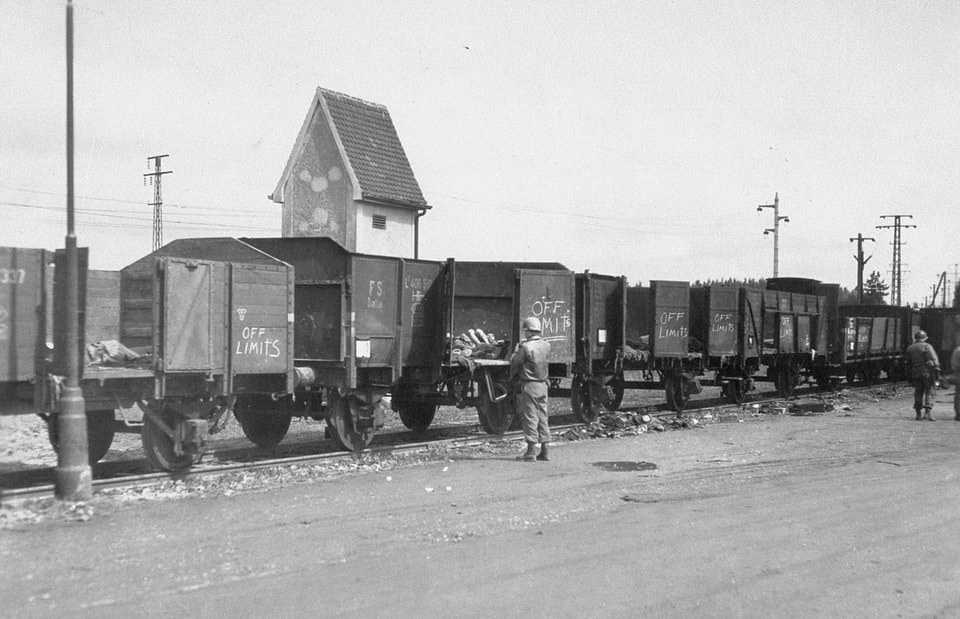
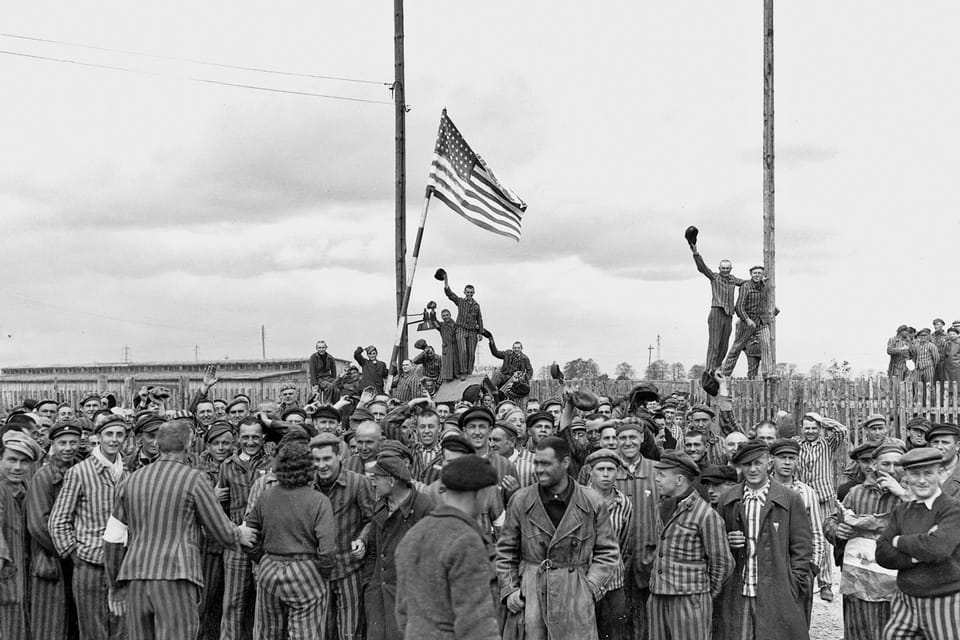
The sadly remembered ‘train of death’ from Buchenwald was made up of 40 wagons of different types, and some of them had been previously used to deliver coal. The railroad train, 600 meters long, was supposed to enter the Dachau facility and the SS-zone through the South-Eastern gate with a destination stop within the so-called ‘outer camp’. It emerged that the final section of the line inside the perimeter was already spotted by another train, the ‘unloading’ of which had been carried out on the eve. This logistical ‘interruption’ in a camp, the guard personnel, which had already been ready to capitulate to the Americans, resulted in a situation where the back section of the 600-meter-long transport was now beyond the camp territory, just in front of the households of the FRIEDENSTRASSE. As late as April 29, the American soldiers would reveal one of the most horrifying scenes in modern history with Apr. 2300 dead bodies, some of them in deep decay. The photos made that day would become a bleeding reminder of the crimes against humanity.
STRASSE DER SS — STRASSE DER KZ-OPFER: THE SS QUARTER IN DACHAU TODAY
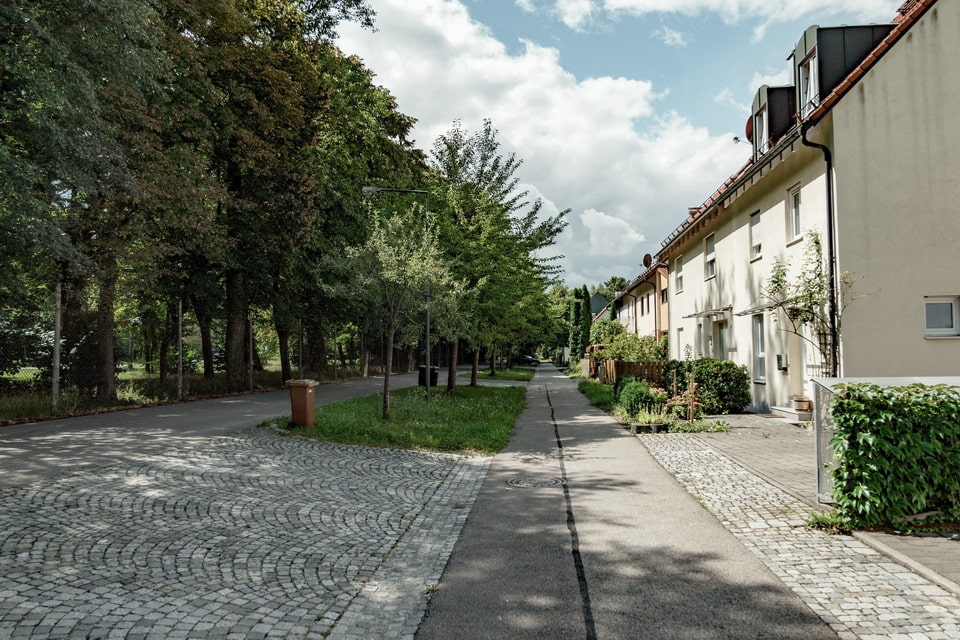
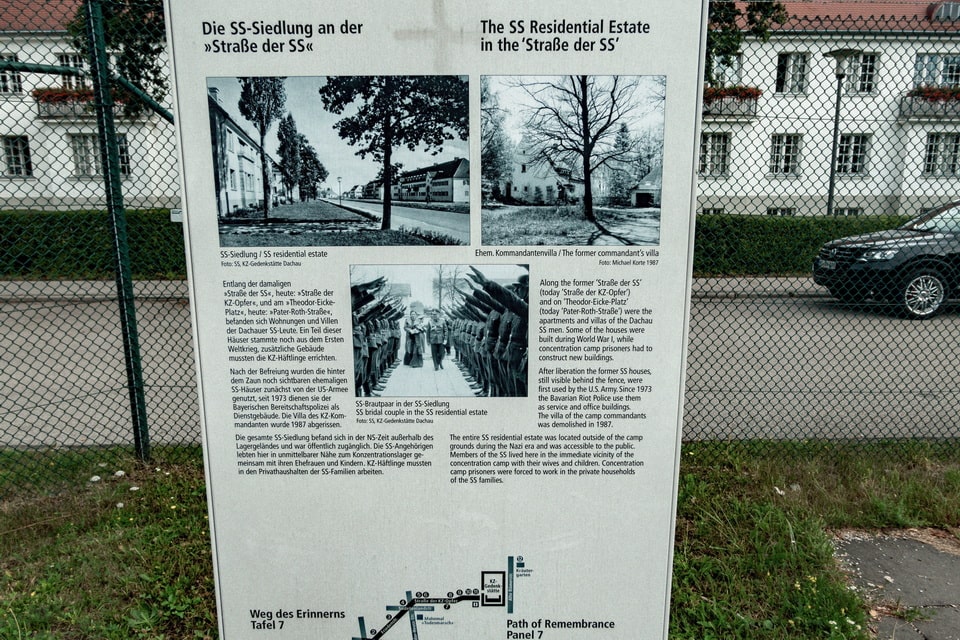
The large-scale expansion of the initial Dachau camp took up to two years of forced labor and was finished as early as the Summer of 1938. Back in spring 1933, three years before the start of the works, the SS officers occupied eight residential houses, which had been built in the time of the ‘Royal gunpowder and munitions factory’ along the street, next to the production facility. From that time, the SS officers and their families would take advantage of the estate, which had been previously accommodated by qualified workers from all over the vanished German Empire. The street itself, which would become a part of the public image of the camp for the outer world, was retitled ‘SS-Strasse’ (‘Straße der KZ-Opfer’ today, which means ‘the street of the victims of the concentration camp’).
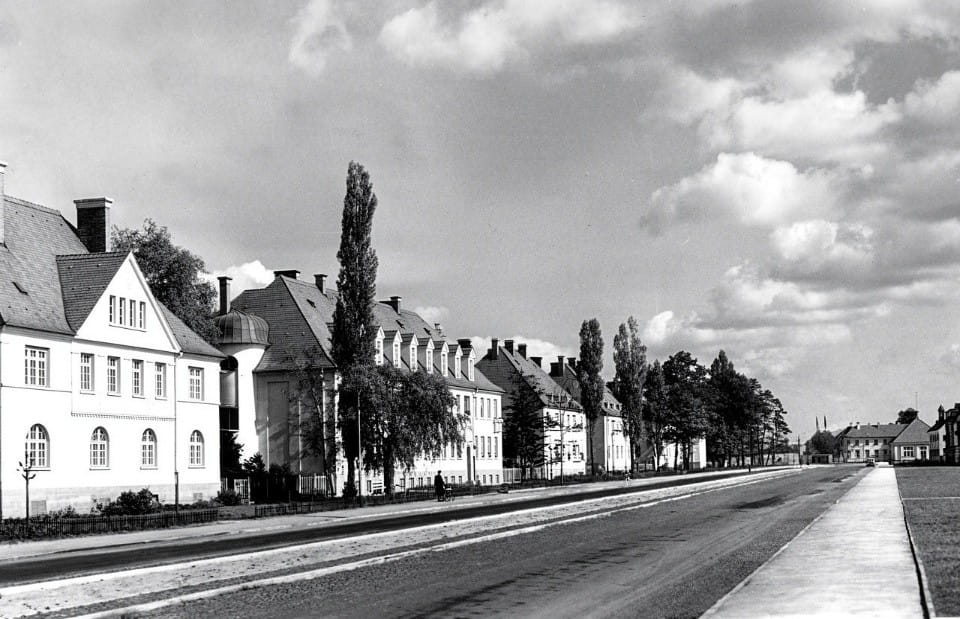

At the same time, the camp prisoners were forced to lay a new road to link the city of Dachau with the Southern side of the facility. The street was named ‘Lagerstrasse’ (‘camp street’ and is now known as the ‘Theodor-Heuss-Straße’, and was assigned to improve the delivery of buses with inmates to the Dachau camp. The eight households of the WW1 times were accompanied by some new buildings, including the villa of the camp commandant. The same years between 1936 and 1938 witnessed a build-up of a whole new estate district for the SS, just in front of the newly built SS-Guardhouse and the ‘official’ entrance to the camp. By the time the expansion of the Dachau camp was to be finished, a new residential estate for the SS personnel would be attributed as a separate SS city inside the Dachau, which had been officially assigned as the city in the same 1938 (Dachau town since 1938). A new zone for the camp administration and staff accommodated the residential houses for high-ranking officers, its own post office, a bakery for the guards, shops, a cinema, restaurants, and a big swimming pool. Two infirmaries were commissioned to treat only the SS staff.

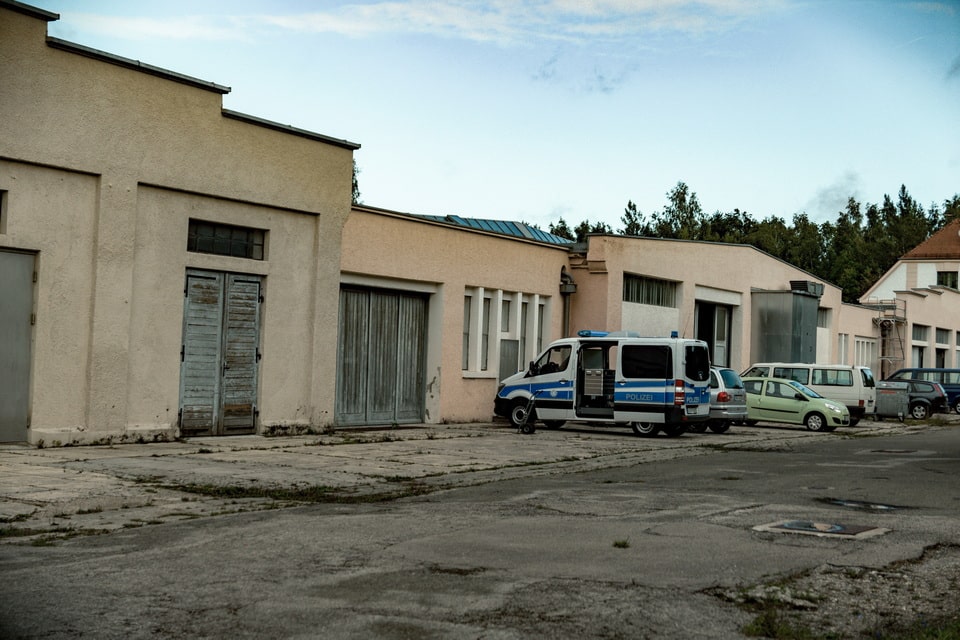
Back in 1937, at the height of the camp expansion, the authorities of Dachau initiated a new bus route, which connected the main railway station with the SS ‘outer camp’, partially accessible to the public. The years after the Second World War witnessed a few waves of the demolition of the former munition factory and Dachau camp facilities. As early as 1972, the American military contingent left Dachau city, and the buildings were given into the possession of the Bavarian police, which still owns the territory. Eight residential buildings with a hundred-year history have been preserved, yet the residential district of the SS on the site of the former (at the times of the camp existence) ‘EICKE PLATZ’ (Square of Eicke, meant Theodor Eicke, one of the creators of the Nazi camp system) were demolished back in the 1980s, as well as the former villa of the commandant, became history in 1987.


THE FORMER SS-GUARDHOUSE DACHAU TODAY: FOUNDATIONS, EXCAVATION AND EICKE PLATZ
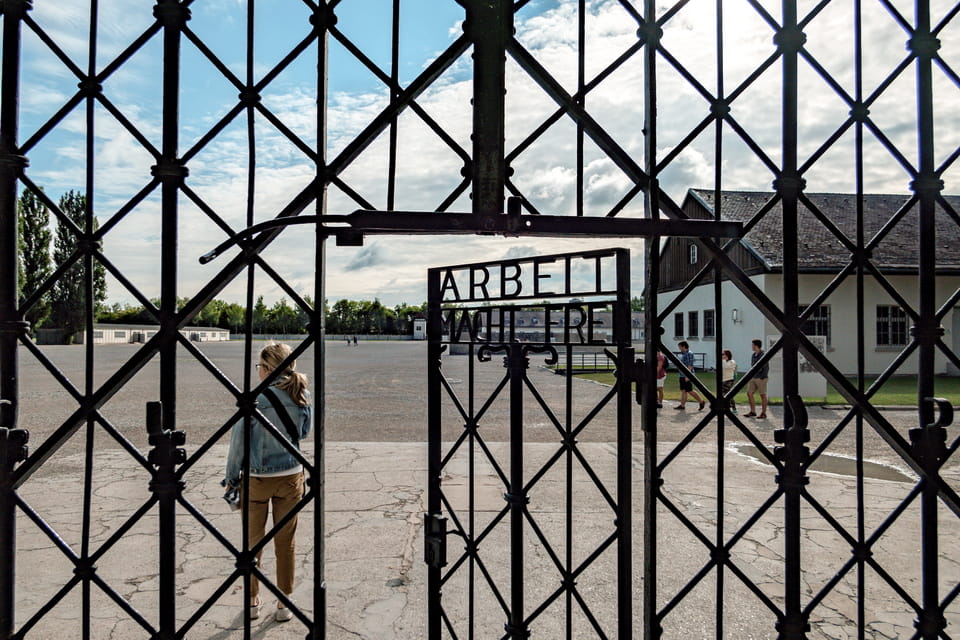
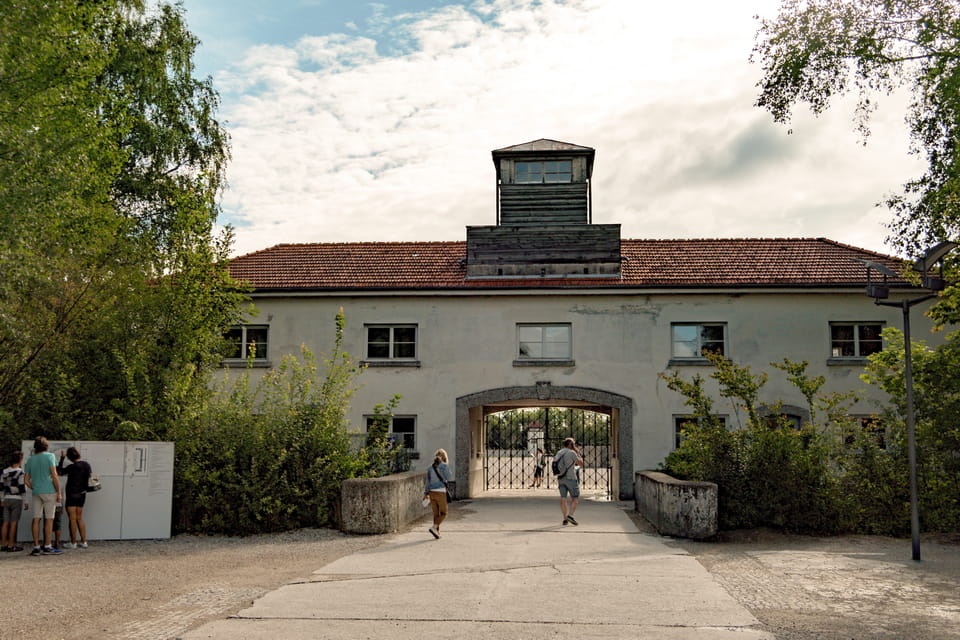
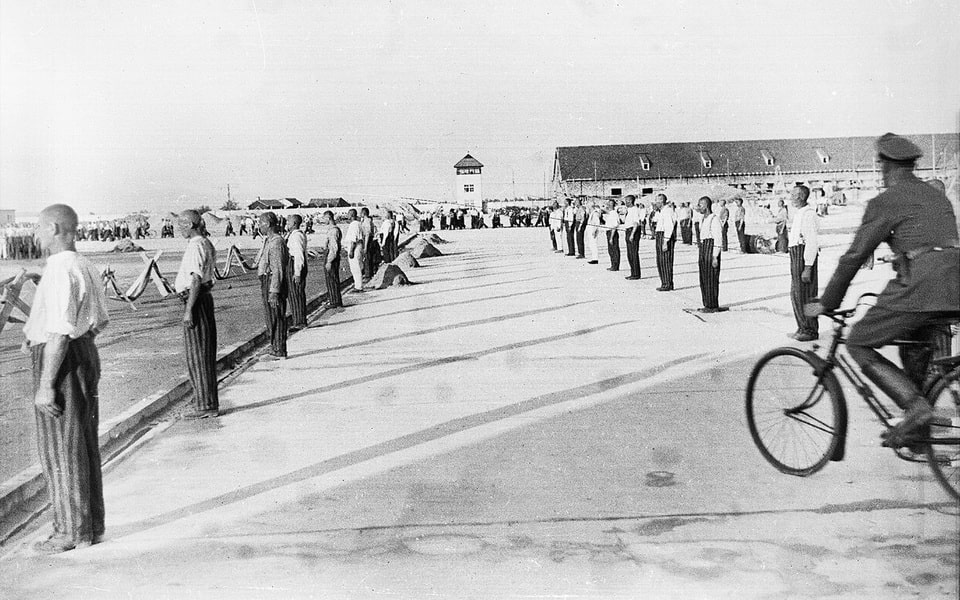
Despite the common fact that the JOURHOUSE, which nowadays opens the historical exposition of the Dachau camp memorial, was used as the main entrance to the section with the barracks and a prison, the first acquaintance for the victims of the camp generally used to take place earlier than the infamous gates with ‘ARBEIT MACHT FREI’ inscription. The absolute majority of the prisoners had arrived in Dachau employing a semi-noticeable entrance at the western part of the facility, located a few hundred meters from the last households at FRIEDENSTRASSE. Altogether with the large-scale expansion of the camp, in 1936, the prisoners were commissioned to erect a new guard post for the SS personnel, facing the ‘Theodor-Eicke-Platz’ and destined to replace the old gates, previously used to enter and exit the camp facility.
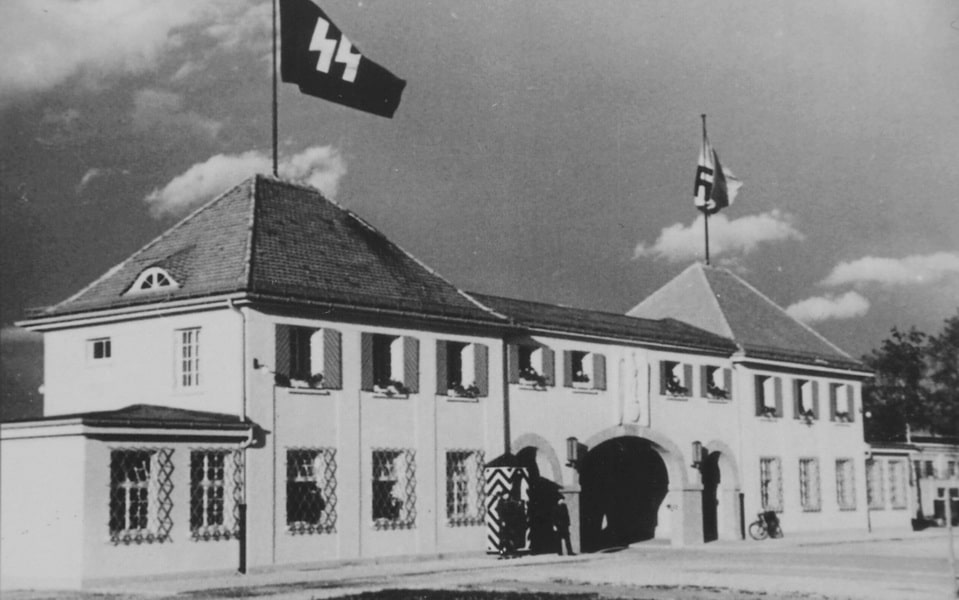

American soldiers and the arrested former guard personnel next to the former guardhouse at Dachau

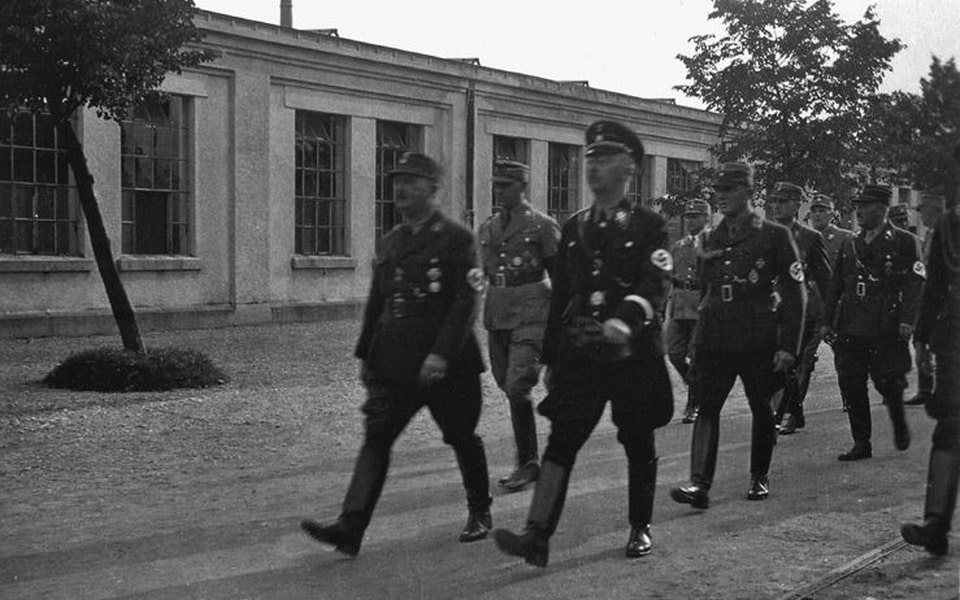
As the large proportion of the camp staff and officers, including the commandant of Dachau, accommodated the residential houses along ‘SS-Strasse’ and within ‘Theodor-Eicke-Platz’, it was this very gate that was generally attributed as a way to everyday ‘work’ and the end of the shift. The SS soldiers used to associate the Main Guard House building both with the cruel routine of the camp and with entertainment, which could be found beyond the gates and inside a cinema, restaurant, or at home with family or a mistress. A few of the preserved photos have depicted the visit of Heinrich Himmler, the Reichsführer of the SS empire, which he had made in January 1941. On April 29, 1945, the left-behind personnel of the camp raised their hands and a white flag to capitulate to the American troops just in front of the SS Guardhouse. The foundations of the demolished building were excavated as early as 2008, and these days the site is accompanied by an informational board.
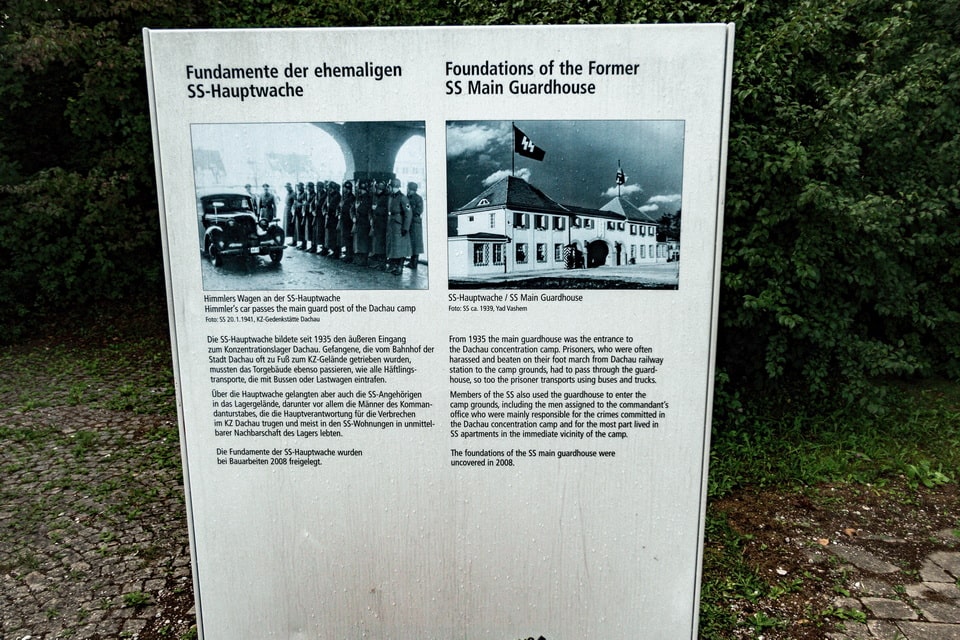
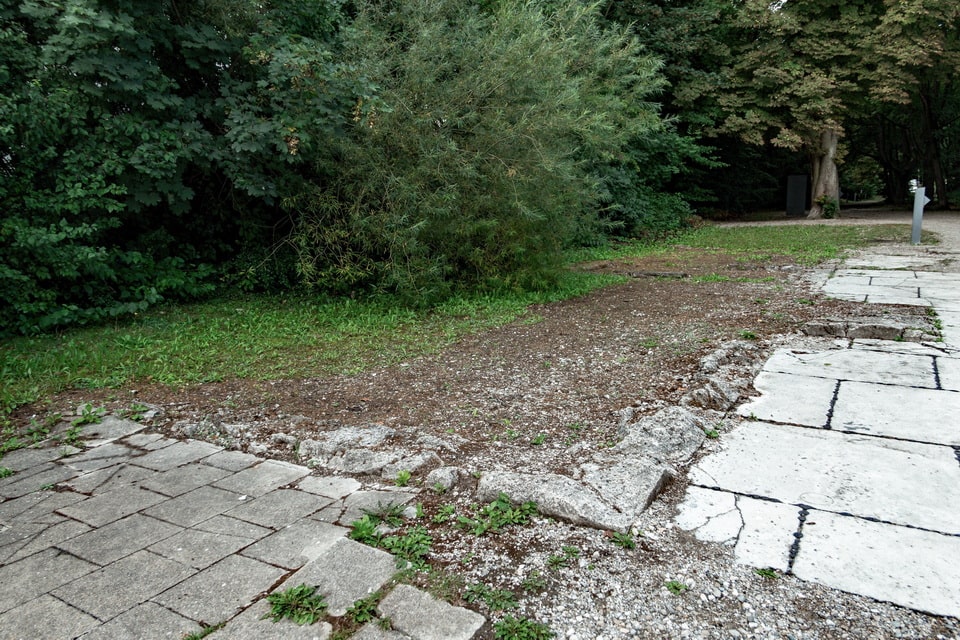
DACHAU SS-WORKSHOPS (WIRTSCHAFTSBETRIEBE) TODAY: PRESERVED BUILDINGS AND POLICE BARRACKS
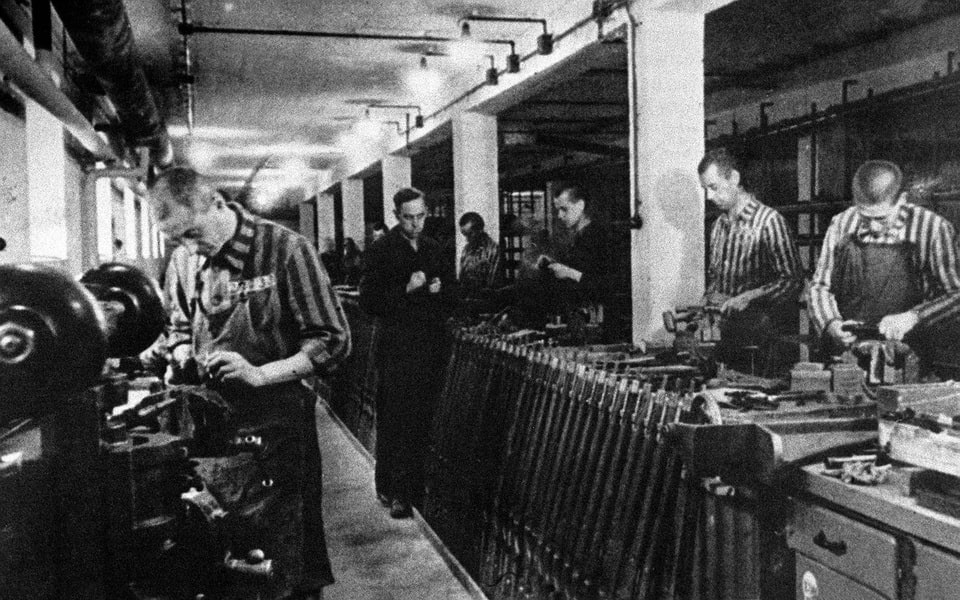
From the very first days of its existence, the Dachau concentration camp was more than a detention facility for political opponents of the regime. Progressively, as the former territory of the munition factory had been steadily occupied and expanded, some new enterprises were to be established. Additionally, some proportion of the inmates were assigned to work beyond the fence, particularly within the city of Dachau. At varying times, the inmates of the camp were occupied at the paper factory, a production conglomerate, which had united three separate cellulose factories in Dachau back in 1875. In the 19th century, the expansion of the paper factory was forbidden due to the increased pollution in the surroundings – a factor that would provoke little concern in the eyes of the SS officials years from that day. Already in 1940, ‘Porzellan Manufaktur Allach’ from another suburb of Munich was relocated inside the Dachau camp, and thousands of the prisoners were forced to work within the infamous SS gardens.


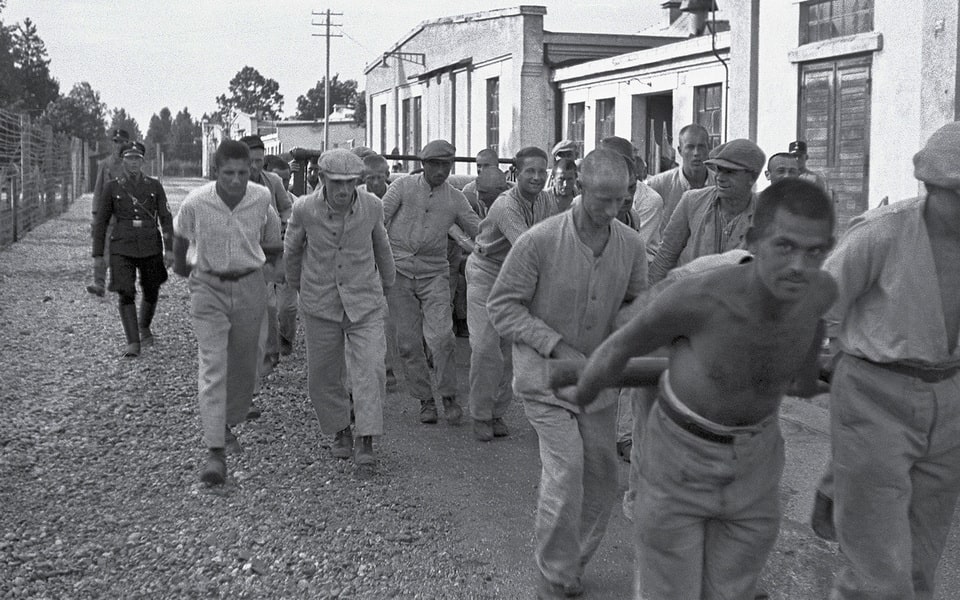


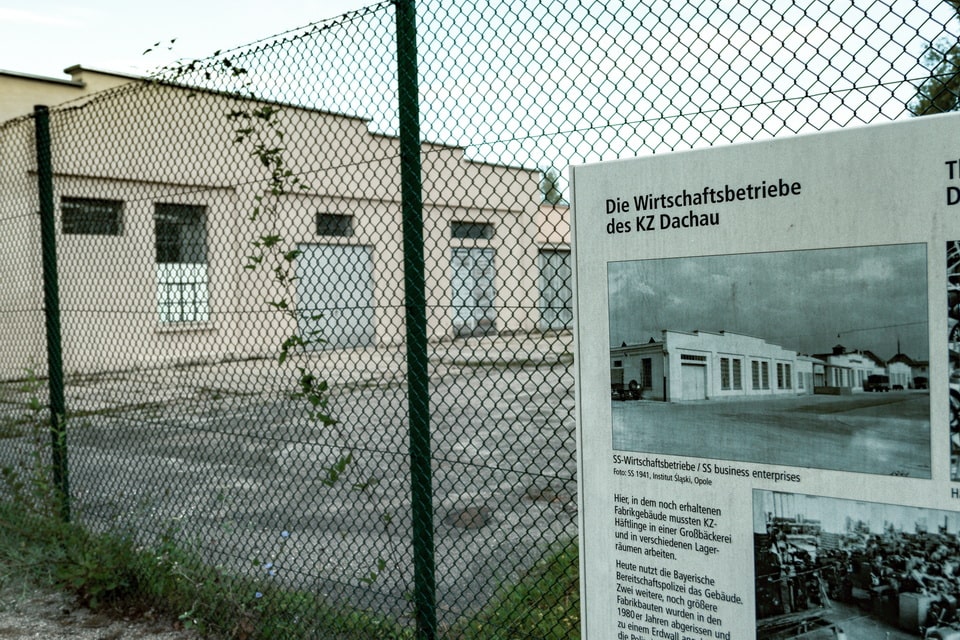
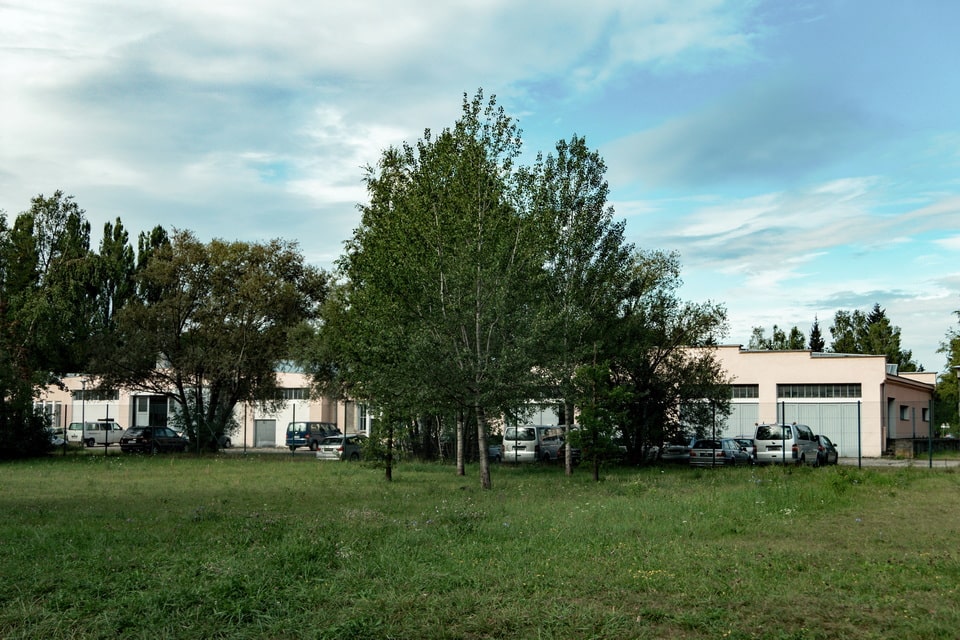
While researching the history of the enterprises inside the perimeter, the facilities to the right of the SS Main Guardhouse, previously (until 1938) used as the camp kitchen and canteen, were occupied by a coat factory, designated to make a uniform for the SS. The now-empty spot behind the preserved commandatur building once accommodated a wood-processing factory and a military enterprise. All that variety of production facilities was also accompanied by dozens of warehouses and workshops, assigned to occupy thousands of prisoners in Dachau. April 25, 1945, was destined to be the last working day at the sadly remembered concentration camp. Only one among the three one-type facilities facing the Jourhouse has been preserved until today. The very building was erected in the years of the First World War as a part of the ‘Royal Gunpowder and munitions factory’ complex. Already in the spring of 1933, a number of the first inmates of the Dachau were occupied cooking food for thousands of political prisoners, labeled as enemies of the new state. As the building once included some premises, it was not limited to a bakery, yet allocated warehouses and garages of the coat factory, initiated nearby.
VISITING DACHAU TODAY: PRACTICAL GUIDE, MAP, AND GETTING THERE FROM MUNICH
Getting to Dachau from Munich:
The town of Dachau is located 16 km north-west of Munich city centre and is easily accessible by S-Bahn suburban rail. Take the S2 line (direction Petershausen) from Munich Hauptbahnhof, Marienplatz, or any central station. Journey time: approximately 25 minutes. Exit at Dachau station (Bahnhof Dachau). From the station, take bus 726 (direction Dachau-Ost) and exit at the stop «KZ-Gedenkstätte» — the journey is approximately 7 minutes. Alternatively, the entire route described in this article can be done on foot from the station in approximately 45–60 minutes, following Friedenstraße and Nibelungenstraße — the exact path along which the Line of Death railway ran.
The Dachau Memorial Site (KZ-Gedenkstätte Dachau):
The official Dachau Concentration Camp Memorial (inside the former perimeter) is open Tuesday to Sunday, 09:00–17:00. Entry is free of charge. The museum and exhibition close earlier than the grounds (confirm current times at dachau.de). Audio guides are available in multiple languages. The Jourhaus — the main entrance gate with the «Arbeit Macht Frei» inscription — is accessible from the main entrance on Alte Römerstraße.
The walking route beyond the memorial (this article):
Starting from Dachau Bahnhof, the recommended route follows:
- Train station
- Nibelungenstraße (site of the Line of Death)
- Straße der KZ-Opfer (former SS residential quarter)
- Former SS Guardhouse foundations (Theodor-Eicke-Platz area)
- SS Workshops (preserved WW1-era buildings, now Bavarian police)
- KZ-Gedenkstätte Dachau memorial entrance.
Total walking distance: approximately 2.5 km. Time: 60–90 minutes, not including the memorial itself.