

Bykivnia Graves: Stalin’s NKVD Mass Killings Near Kyiv
In the pine forests on the northeastern outskirts of Kyiv in the direction of Brovary, lies a place that the Soviet state spent fifty years attempting to erase from the historical record. The Bykivnia Graves — a site of NKVD mass executions carried out between 1937 and 1941 — hold the remains of between 30,000 and 100,000 people: Ukrainian intellectuals, clergy, military officers, peasants, workers, and Polish prisoners of war, all killed by order of Stalin’s regime.
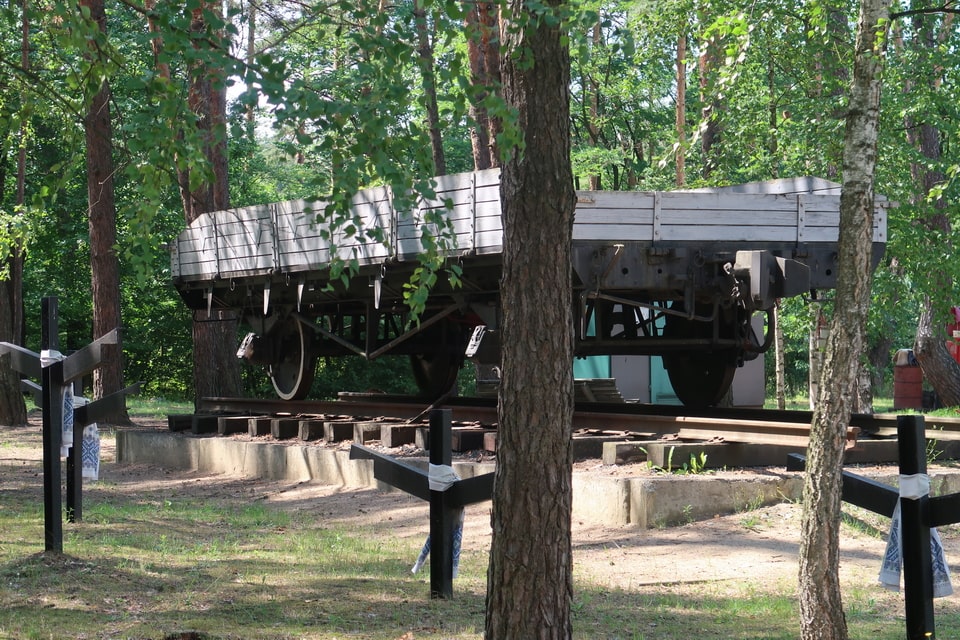
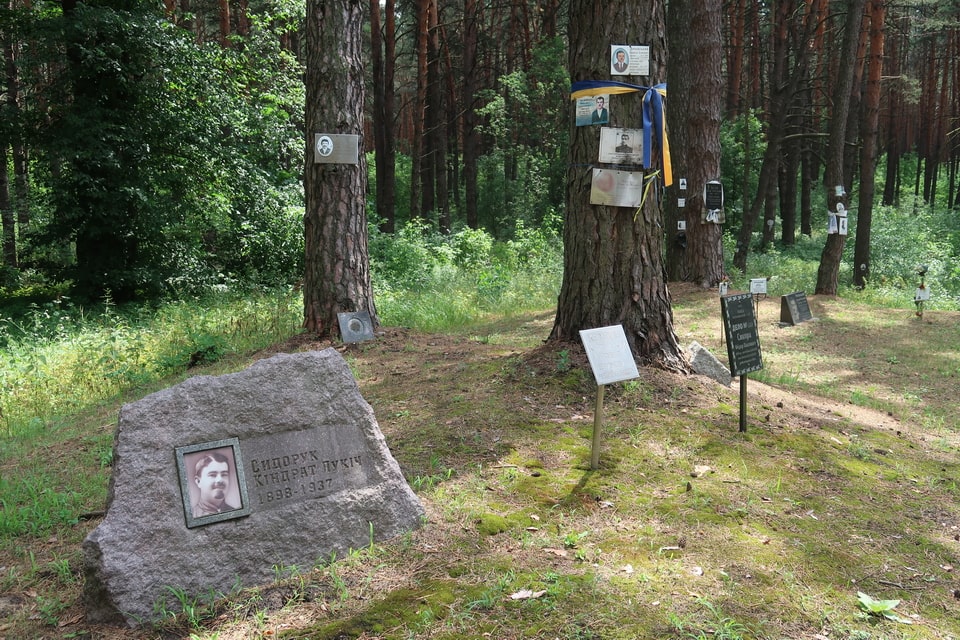
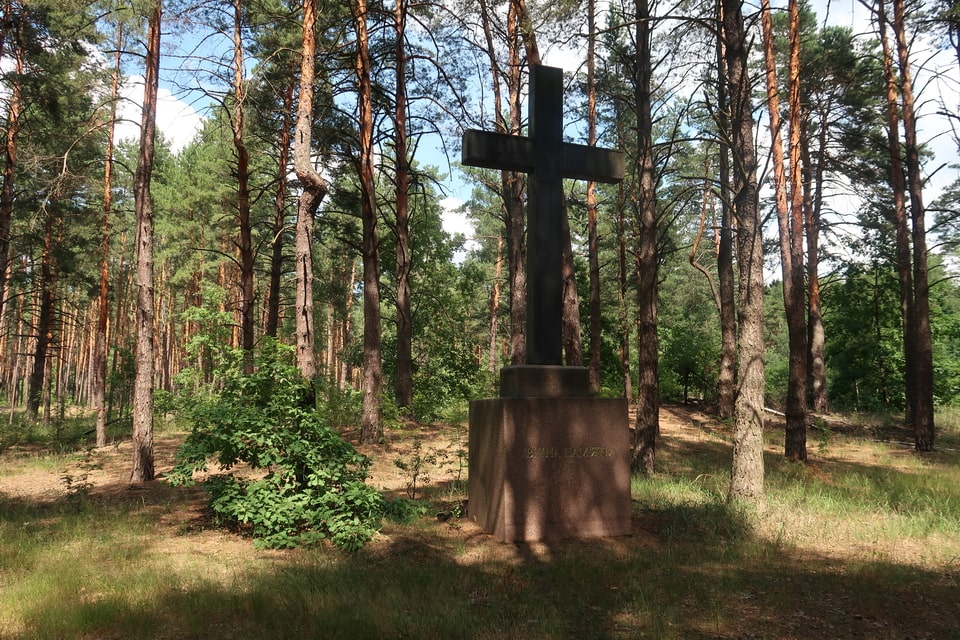
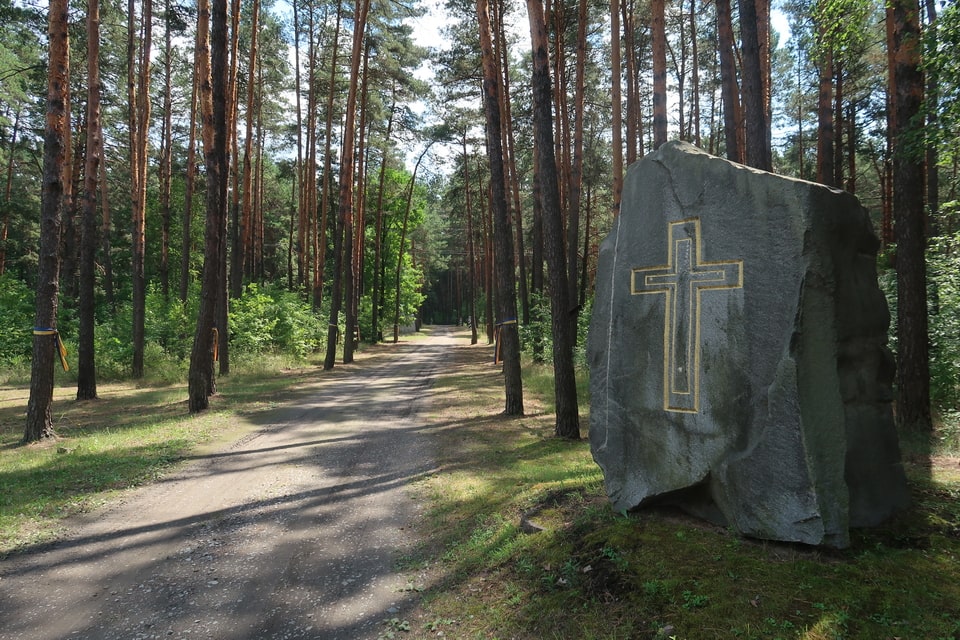
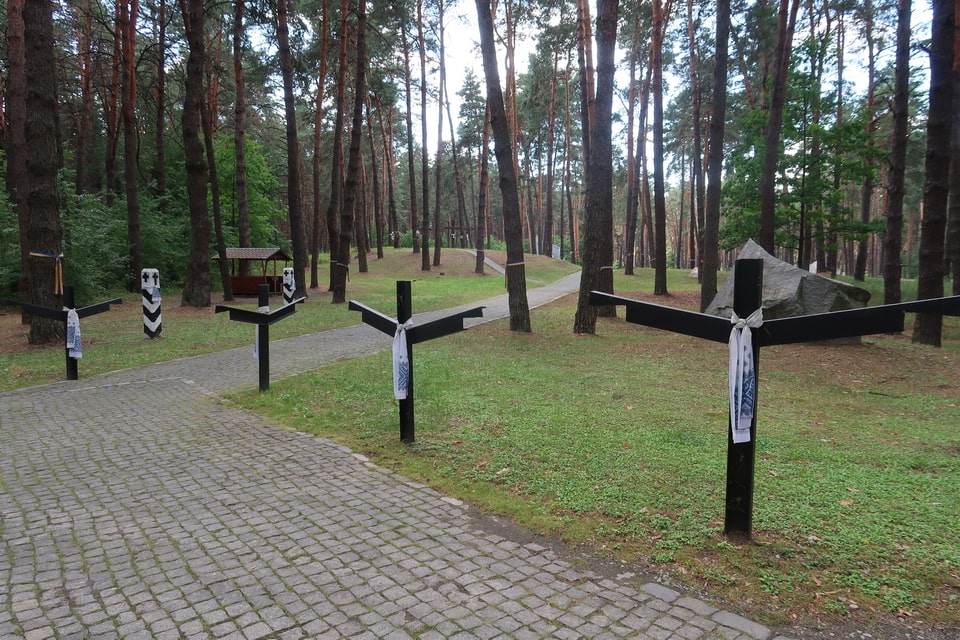
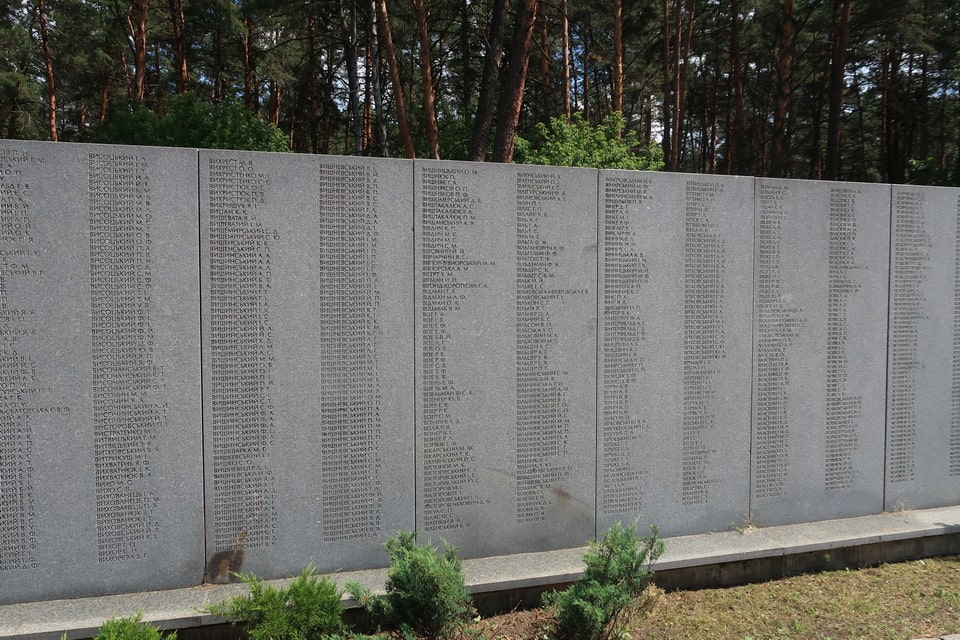
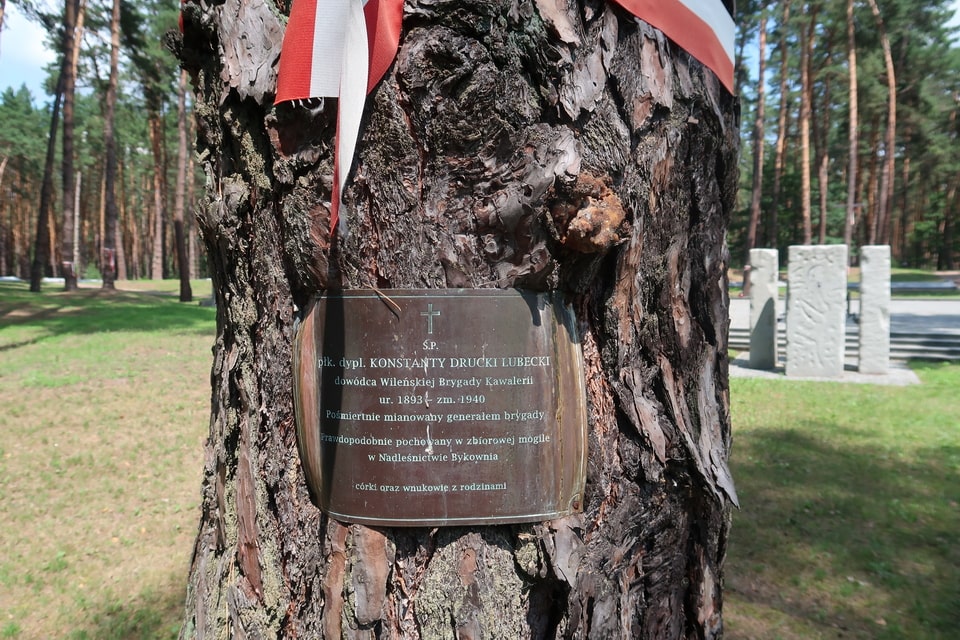
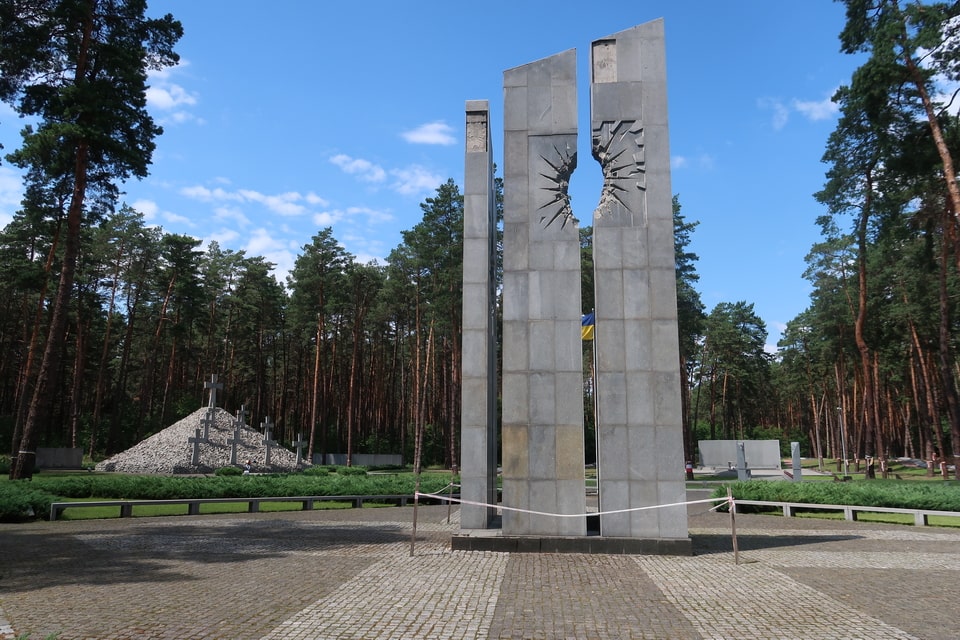
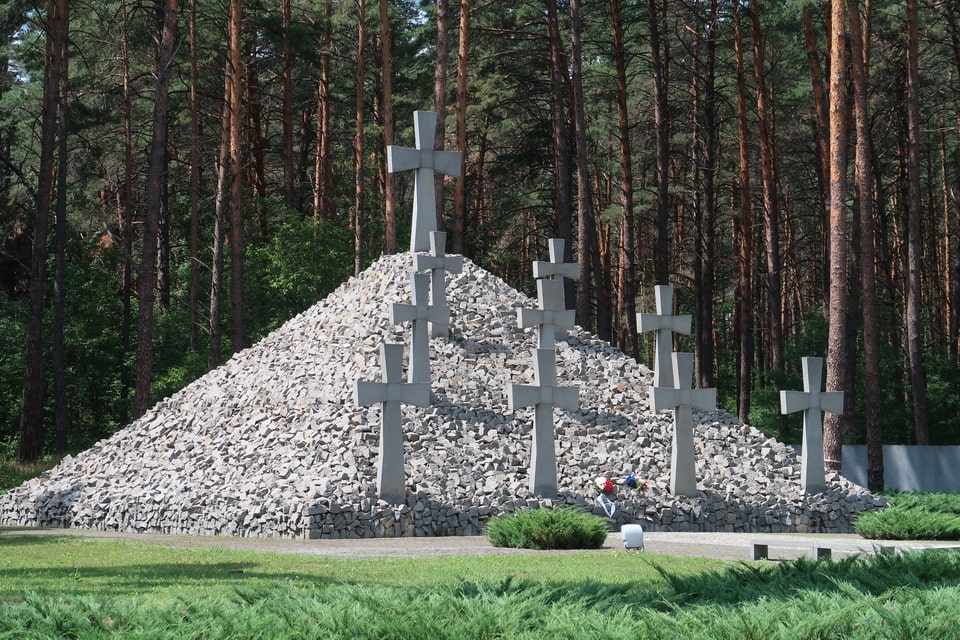
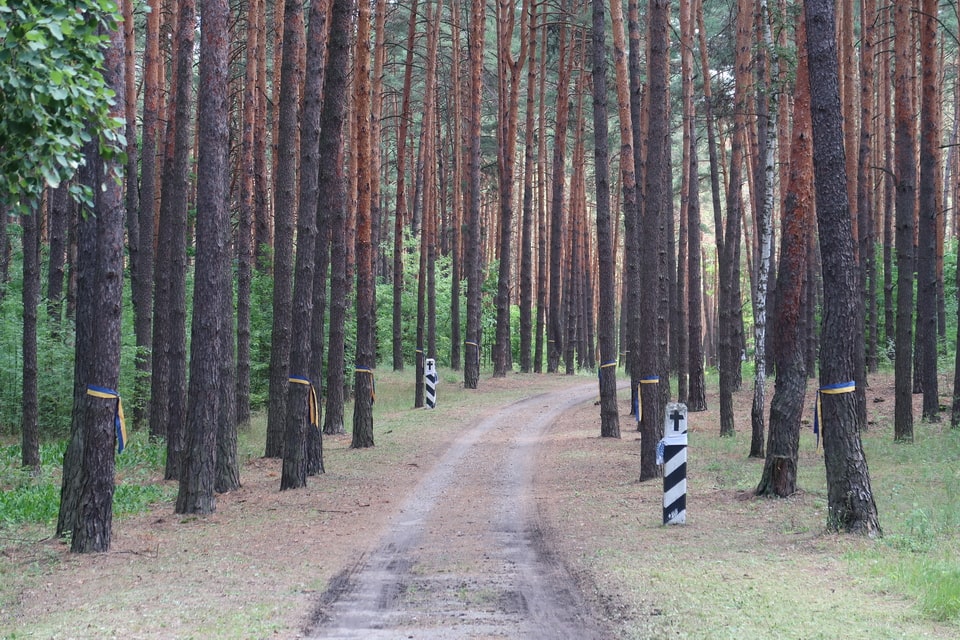
This article is the most detailed English-language account of Bykivnia available online or in any printed sources. It is not a summary — it is a reconstruction, built from Ukrainian archival sources, Polish historical records, German wartime documentation, and decades of post-Soviet scholarship here in Ukraine. The historical research is accompanied by archive photographs, many of them rarely published, and by my own photographs taken at the Bykivnia Forest memorial site, showing the graves, the Polish War Cemetery, and the commemorative complex as they appear today.
The fourth Katyn — as Bykivnia is formally designated, alongside the cemeteries at Katyn, Mednoe, and Kharkiv — is not simply a mass grave. It is the most visible physical record of what the Great Terror and the Katyn massacre meant for the people of Ukraine. For Western readers who cannot travel to Kyiv during the ongoing war, this guide offers the fullest visual and historical account of the site currently available in English.
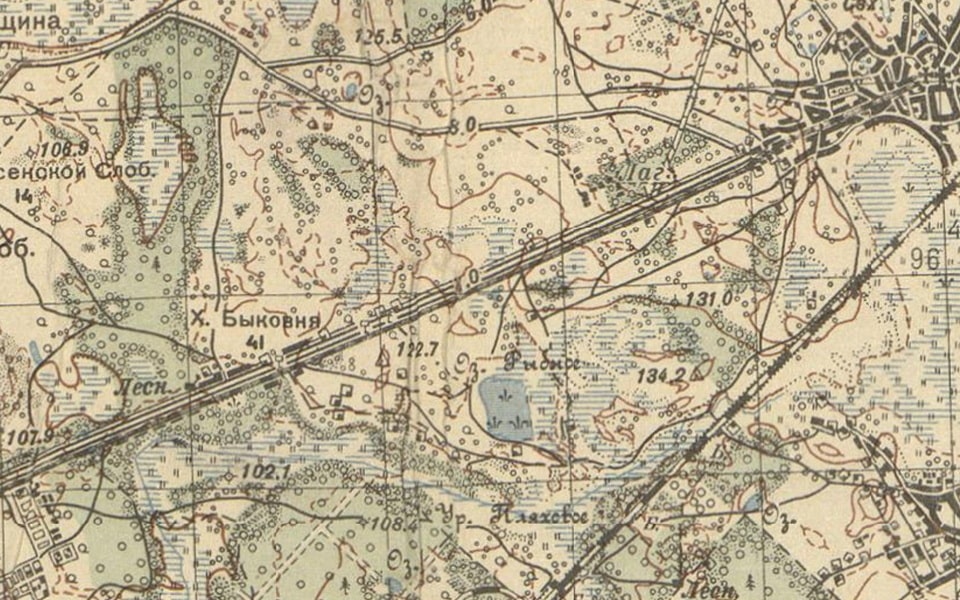
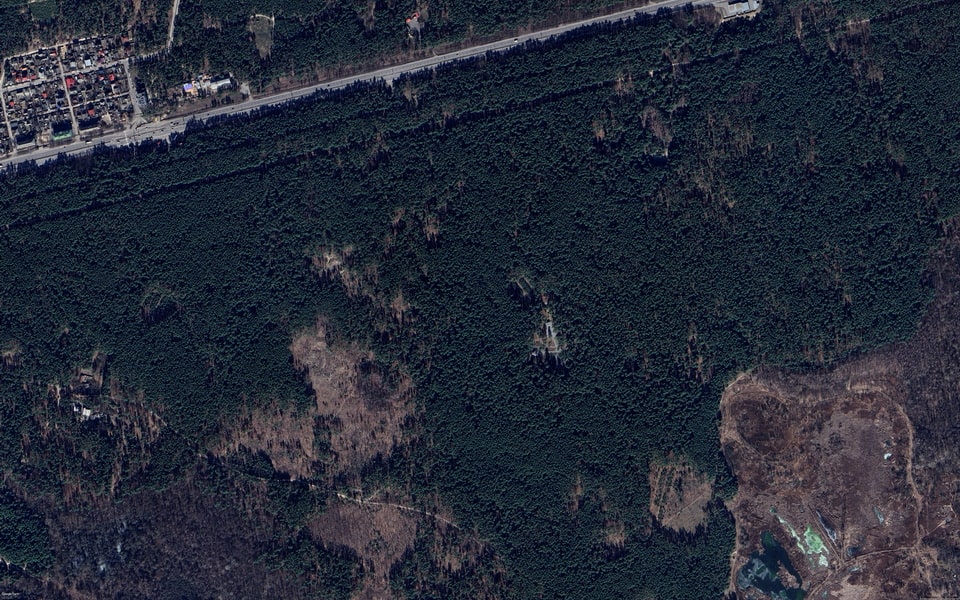
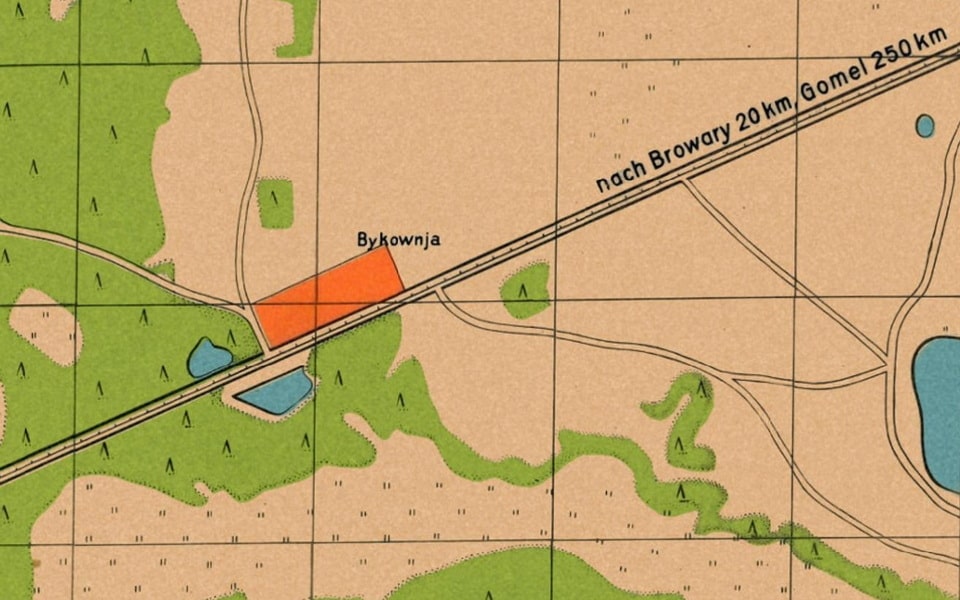
The site — known in Ukrainian as Биківня (Bykivnia or Bykivnya), in Polish sources as Bykownia, and sometimes transliterated as Bykovnya in older English texts — is located within the Bykivnia Forest, approximately 15 kilometres northeast of central Kyiv along Brovarskyi Prospect.
THE RED TERROR IN UKRAINE: Stalin’s War Against His Own People, 1930–1938
The cannibalistic regime of Joseph Stalin and its unconditional war against its own people for three decades have defied the imagination of the generations that followed. While, in the words of Alan Bullock, the regime and its criminal nature looked like madness both to the outside world and the Soviet people themselves, Joseph Stalin was the man who knew the direction of those policies of mass extermination and suppression. In the dictator’s imagination, toward the mid-1930s, the Soviet Union had become a one-party state in the full sense, but was still not a one-man state under Stalin. After years of hunger, harsh economic policy, murderous collectivization, and struggle against so-called ‘class enemies’, after man-made directed Holodomor in Ukraine, mass deportations, and the expulsion of opponents, both the people and the Communist Party sought relaxation, which was not in Stalin’s agenda.
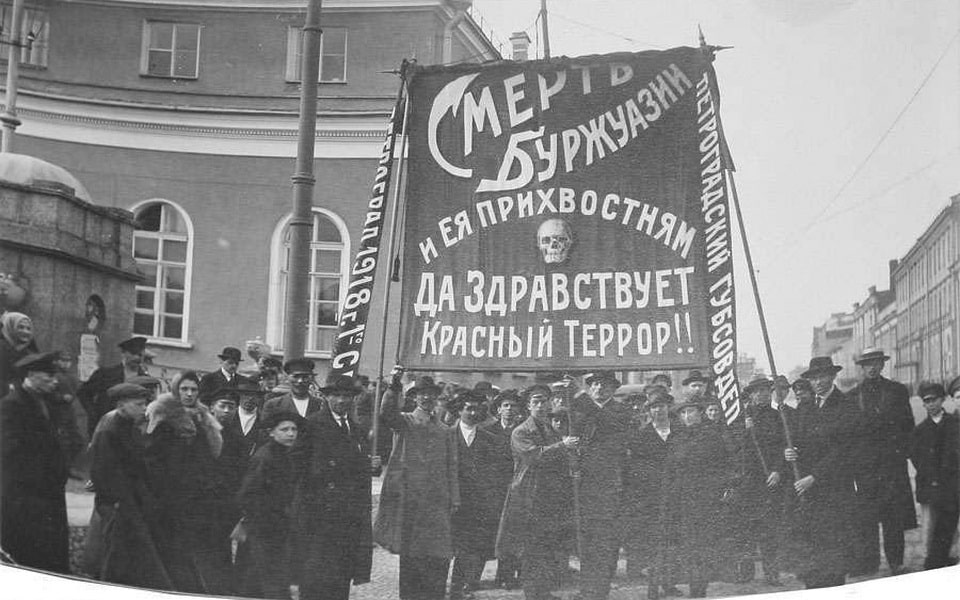
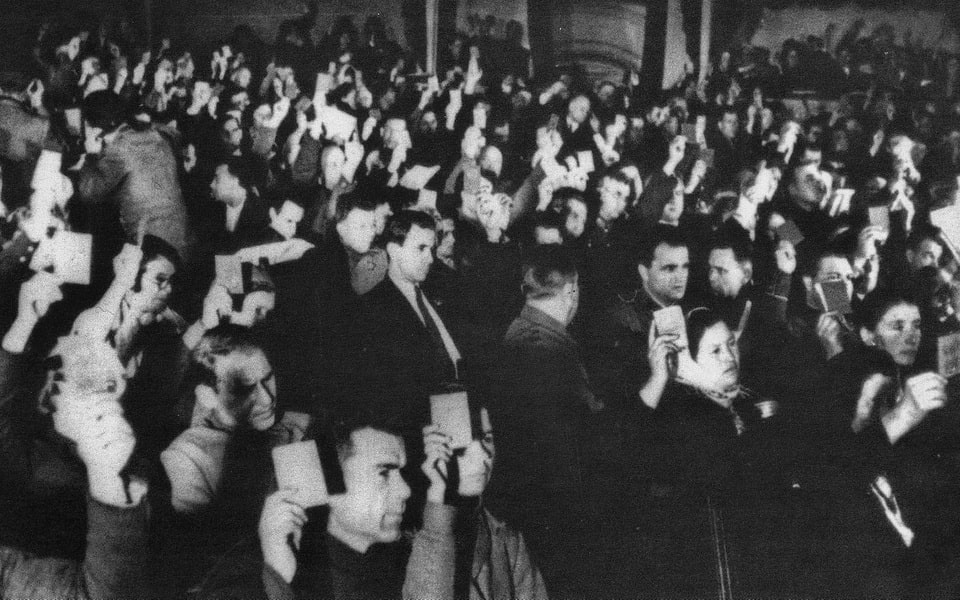
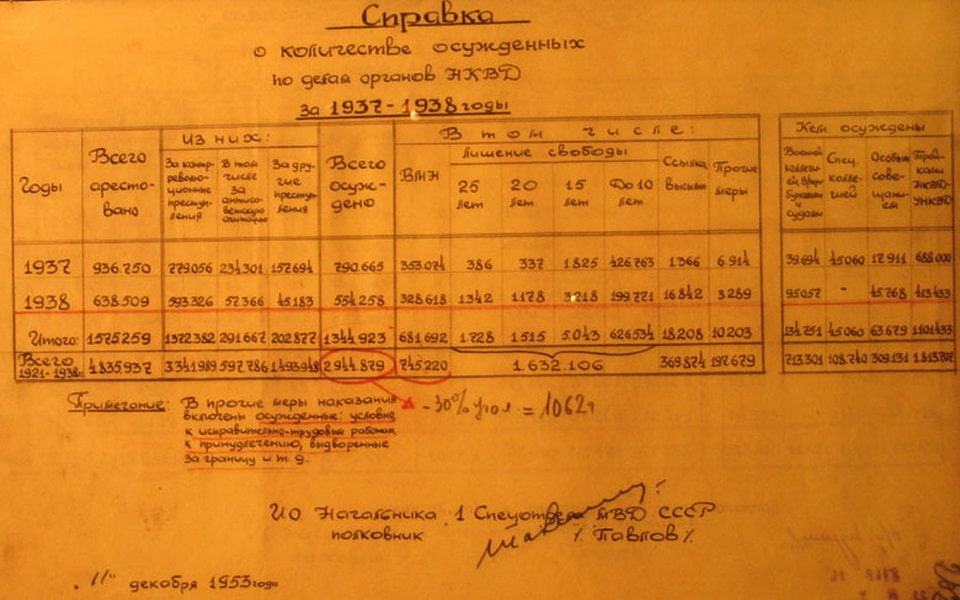
The murder of Sergey Kirov in 1934 and the staged trials against the most influential party founding fathers, like Grigory Zinoviev, Alexei Rykov, Lev Kamenev, Karl Radek, Nikolai Bukharin, and Georgy Pyatakov, were obviously not the end in themselves. In Stalin’s mind, the more harsh and all-absorbing measures were aimed at finalizing the twenty years of struggle against the ‘internal enemies’, affirming himself as the only and unconditional ruler with subordinates but now equal next to Stalin, and suppressing any opposition even in the minds of the Soviet people. The dictator advanced the made-up thesis that, alongside the successes of the Communist state, more and more enemies would emerge, and a more restless class struggle was needed to overcome those ‘elements’. Stalin’s ‘Great Terror’, or ‘Red Terror’ or ‘Great Purge’ of 1937-1938, was to become the third revolution on the lands of the former Romanov Empire, after 1917 and the seizure of power, and the collectivization and economic restructuring on the threshold of 1920/1930s. The new instruments were tales of conspiracies and never-sleeping foreign agents, as well as more practical interrogations and mass killings. The purge of the army, party bureaucracy, and intelligentsia in 1937-1938 resulted in the execution of at least 682,000 people and the incarceration of 1.575 million. Among 1966 delegates present at the 17th Congress of the All-Union Communist Party in 1934, only 59 appeared as delegates in 1939. When compared to previous years, only 1118 people out of 274,670 arrested in the Soviet Union in 1936 were executed, and it was the lowest point in years: 1,229 out of 267,076 in 1935; 2,056 out of 79,000 in 1934; 2,154 out of 239,664 in 1933; 2,728 in 1932; 10,651 in 1931; 20,201 in 1930.
No other part of the Soviet Union suffered more from Stalin’s ‘dekulakization’ and ‘collectivization’, and directed ‘Red famine’ in 1932-1933 than Ukraine. Its main city, Kyiv, was the first political and cultural center in Eastern Europe, the cradle of the mighty ‘Kyivan Rus’ state. The national identity of Ukrainians had survived through the Mongol invasion, the rule of the Polish–Lithuanian Commonwealth, the Romanov Empire, and partially the Austrian Empire. At the end of World War I, Ukraine experienced a short-lived independence until it was finally occupied by the Communist invaders in 1920 and later included in the USSR. Toward the 1930s, Ukrainians were the second largest nationality in the Soviet Union with 31.194 million people in 1926, and 28.387 million in 1937: The latest figure was the result of years of terror, mass deportations, and Holodomor in Ukraine. The census was so frustratingly evident in depicting the loss of the population during Stalin’s reign that it was never officially published, and the staff of the census was purged. Ukraine was also the region in the USSR richest in natural resources and agriculture. While experiencing relatively cultural and linguistic freedom in the 1920s, Ukrainian peasants were the most violent victims of the forced ‘collectivization’ and ‘dekulakization’ unleashed by the murderous Soviet occupational regime.
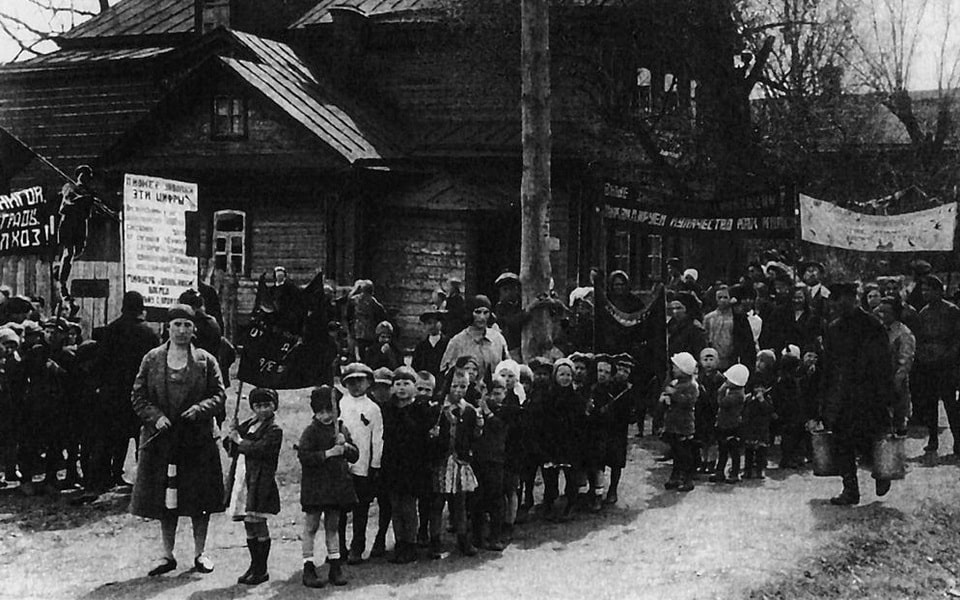
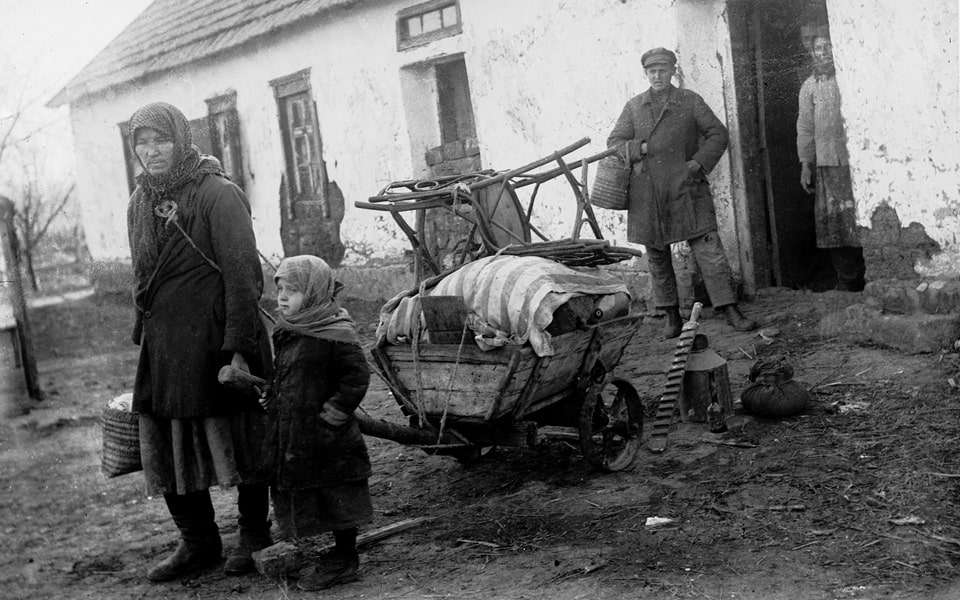
Stalin aimed not only to transform the villages but to crush the Ukrainian national entity; thus, its people suffered twice: because they were mainly peasants (the dictator declared peasantry the ‘heart of the national problem’) and Ukrainians. Despite more opposition than in any region of the USSR, in 1932, 70.9% of Ukrainian peasants were put into the so-called ‘kolkhozes’ (collective farms), compared to an average of 59% across the country. In the process, over 2 million people were evicted from their places of residence as ‘kulaks’ or ‘class enemies’ and exiled to the East, fertile-less regions of the Soviet Union, 100 000 directly to the infamous ‘Gulag’ camps. 300,000 among those victims, many of whom died in the first year after eviction, were Ukrainians.
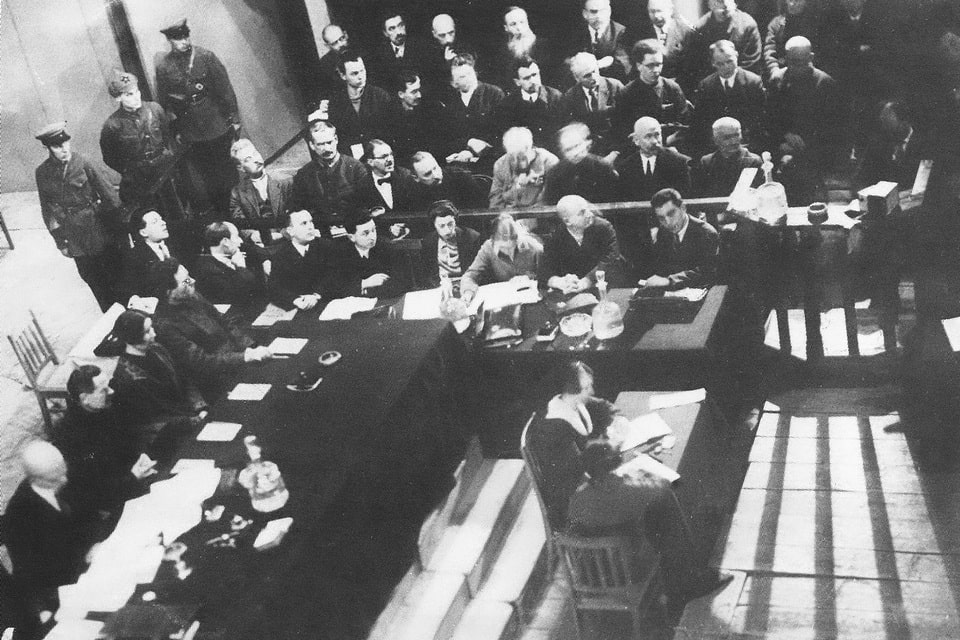
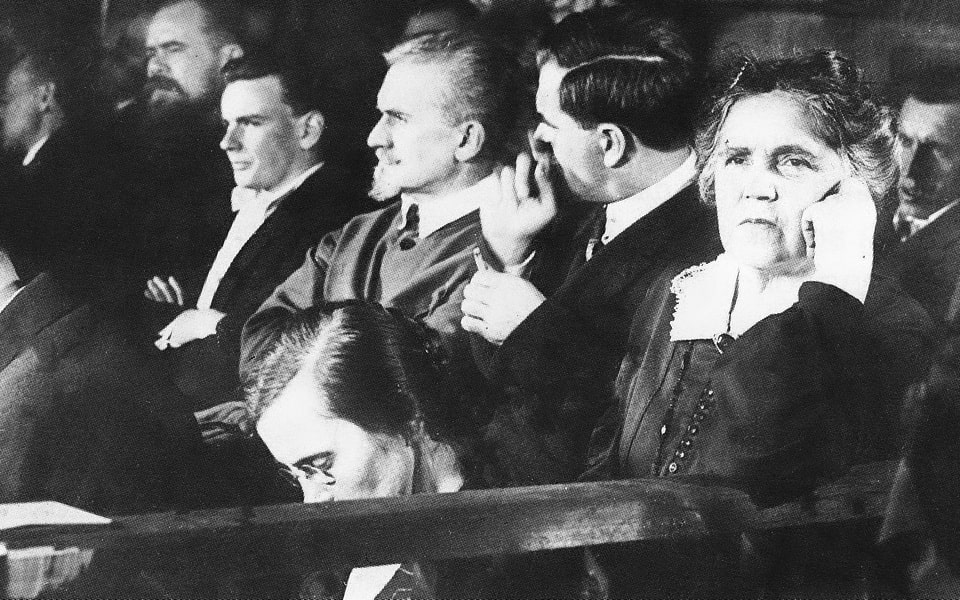
The Soviet regime could not stand with the Ukrainian national identity at all times of occupation. As early as 1925, a body called ‘A commission to study the activities and attitudes of the Ukrainian intelligentsia’ was created, followed in 1928 by the ‘Сommission for inspection of schools and control over the activities of teachers’. Stalin’s party minions made up a series of staged trials in Ukraine starting in 1929, when 5,000 people, mainly intelligentsia and scholars, were arrested, and forty-five among the most prominent of them were tried in the Kharkiv Opera House in April 1930. The Soviet authorities made up charges of the alleged attempts to seize power in Ukraine and give Ukrainian its linguistic independence. All forty-five were found guilty, and thirty-five got a penalty of up to ten years in prison. Many of them were later rearrested, and only a few of those defendants survived. In the following year, 1931, the arrests of Ukrainian intelligentsia continued, now targeting those who had returned from exile after the fall of the Tsarist regime.
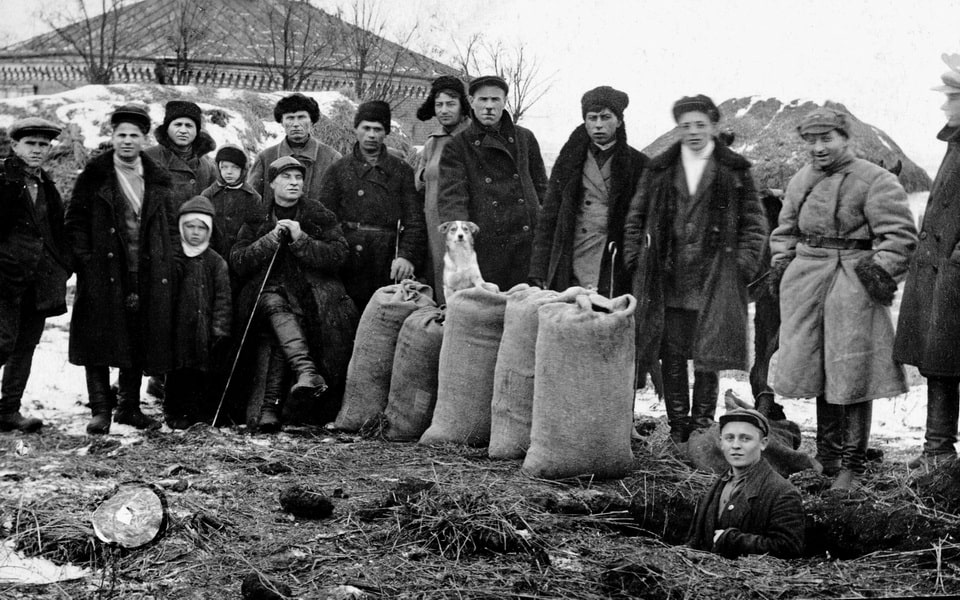
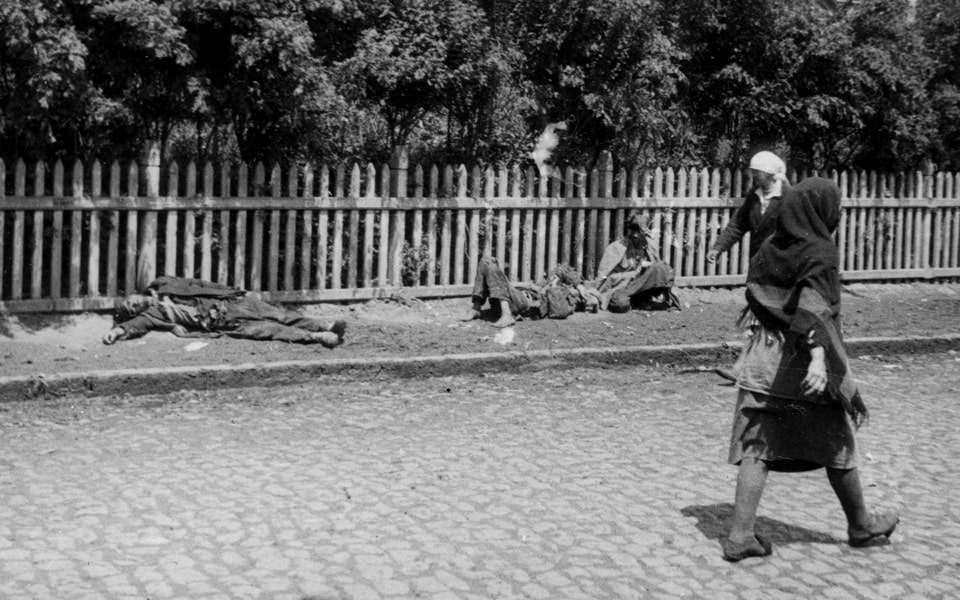
Evidently, the most murderous page of the Soviet and Stalin’s genocide against Ukrainians is known as ‘Holodomor’, a man-made famine unleashed by the regime in 1932-1933. Even in the second year of the merciless process of forced collectivization in 1930, Ukrainian peasants still managed to collect 23,9 million tonnes of grain, comprising 27% of the total grain harvest in the Soviet Union. In 1931, the situation deteriorated, resulting in only 18.3 million tonnes of grain harvested in Ukraine. The point was that Ukrainians were required to supply 7.7 million tonnes of grain annually, and the quota was not cut after the poor harvest in 1931, and now amounted to 42% of the total harvest collected in Ukraine. Communist leaders in Moscow and Stalin foremost, were firmly resolved to drain all resources from Ukraine, thus leaving too few grains for peasants, so as not to starve and to preserve croplands. The Soviet dictator convinced himself that it was the anti-Soviet state of mind of the Ukrainians that caused a bad harvest, and he made up his mind to intentionally purge the people.
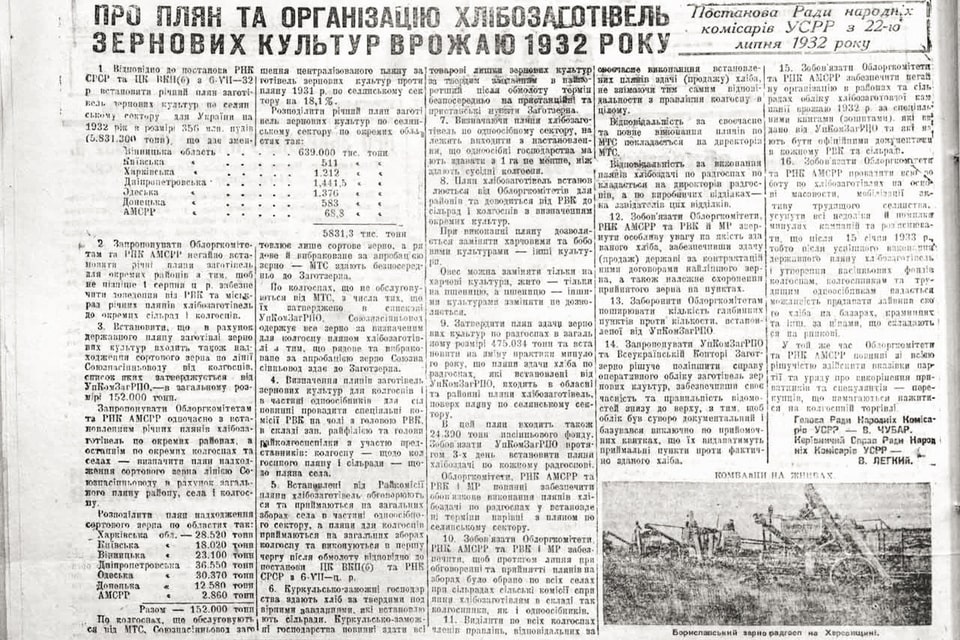
While the harvest amounted to only 14.7 million tonnes in Ukraine in 1932, the requisitioning quota was decreased to just 6.6 million tonnes. In August, Stalin signed a decree prescribing ten years in jail in minor cases and death by shooting in most cases for ‘possession of collective-farm property’. Notoriously known as the ‘five stalls law’, the new orders had no lower limits, and a peasant could be executed for any amount of grain taken. In the Kharkiv region, which suffered fiercely from famine, 1,500 people were shot in one month in 1932 only. Despite such a genocidal policy against peasants, only 4.7 million of the planned 6.6 million tonnes were delivered from Ukraine. In December, Stalin issued two other decrees blaming Ukrainian nationalism for the failure of the harvest season. The famine indeed affected the region of the other Caucasus and Kazakhstan, but in Ukraine, people began to die on a mass scale in the winter of 1932-1933, with a peak in the Spring. It was not the bad weather or the previous harvest but a genocidal, excessive policy of the regime and Stalin’s personal paranoia that killed millions of Ukrainians.
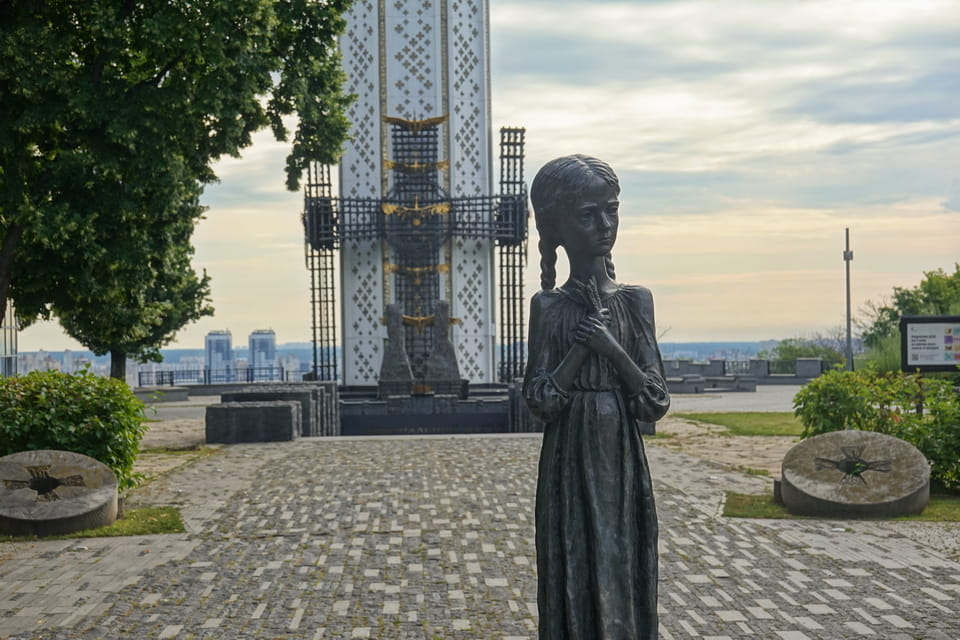
While it was almost impossible to count the number of victims of Holodomor during the Soviet era when the government fiercely denied the genocide, modern Ukrainian scholars can give us grounded estimations. The most reliable sources put the figure of direct losses (those who died in 1932-1933) at 3.5-3.9 million in Ukraine only, with another 600,000 unborn children compared to the previous periods. The man-made famine directed by the Communist regime and personally led by Stalin thus claimed the lives of 13% of the total population in Ukraine in direct, immediate losses, with Kyiv and Kharkiv as the most affected regions. Most of the victims, maybe as high as 90%, died in 1933. If taking an estimate of 3.9 million deaths, 400 000 were from the urban population, and 3.5 million were Ukrainian peasants. The generation of Ukrainians who were born in 1932 and survived experienced an enormously diminished life expectancy: 30 years for men and 40 years for women, when compared to 40-46 and 45-52 years before the Holodomor, respectively. Children who were born in 1933, on average, lived for only 5 (boys) and 8 years (girls), respectively. In addition, in 1932-1933, the NKVD arrested Apr. 200,000 people in Ukraine, mainly intelligentsia.
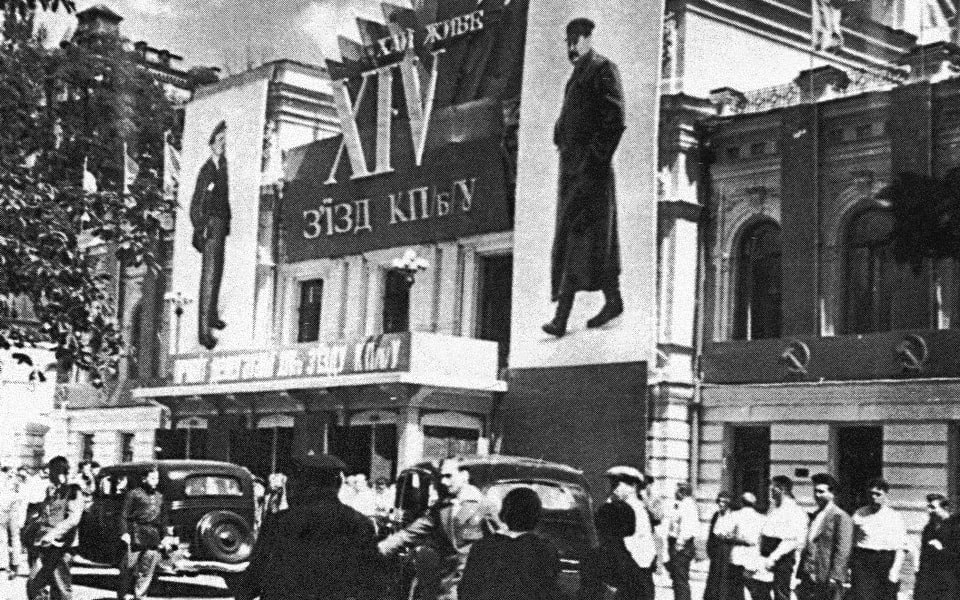
Summing up the above, toward the mid-1930s, when Stalin made up his mind to unleash unprecedented terror on the Soviet Union, Ukrainians had suffered from the occupational Communist regime as any other nationality. Apart from man-made famine, collectivization, and dekulakization, the staged trials, and the harassment of Ukrainian intelligentsia, mass executions had become a reality years before the ‘Great Terror’. For example, only in the city of Kyiv, up to 800 people were shot between 1930 and 1936 as alleged ‘counterrevolutionaries’. While the notorious Nikolai Yezhov was appointed People’s Commissar for Internal Affairs (NKVD) of the Soviet Union as early as September 26, 1936, it was the beginning of 1937 that marked the new wave of terror, particularly in Ukraine. On January 13, 1937, the government in Moscow issued the resolution ‘About the dissatisfied party leadership of the Kyiv Regional Committee and shortcomings in the work of the Central Committee of the Communist Party of Ukraine’, thus initiating the purges among the Communists in Ukraine.
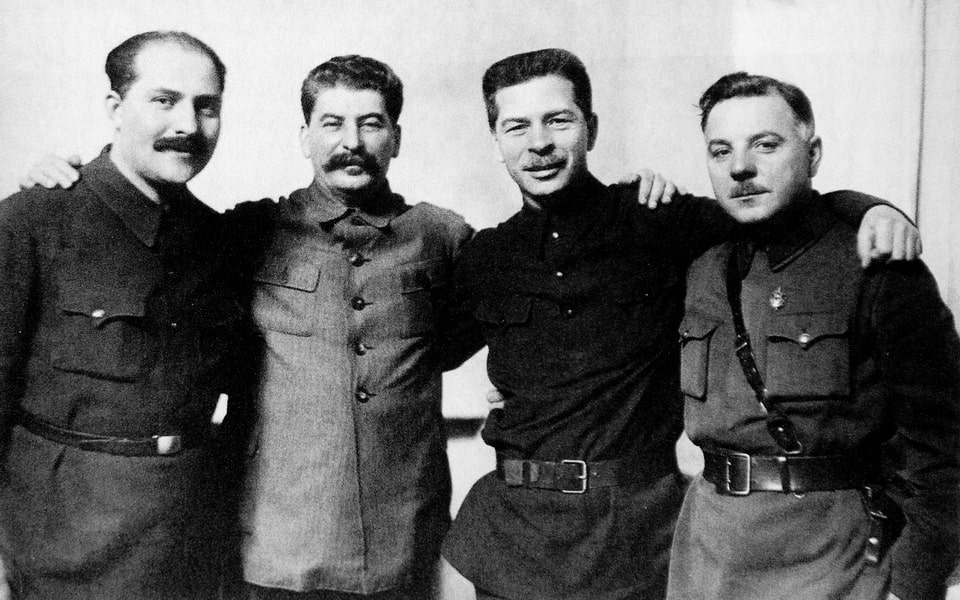
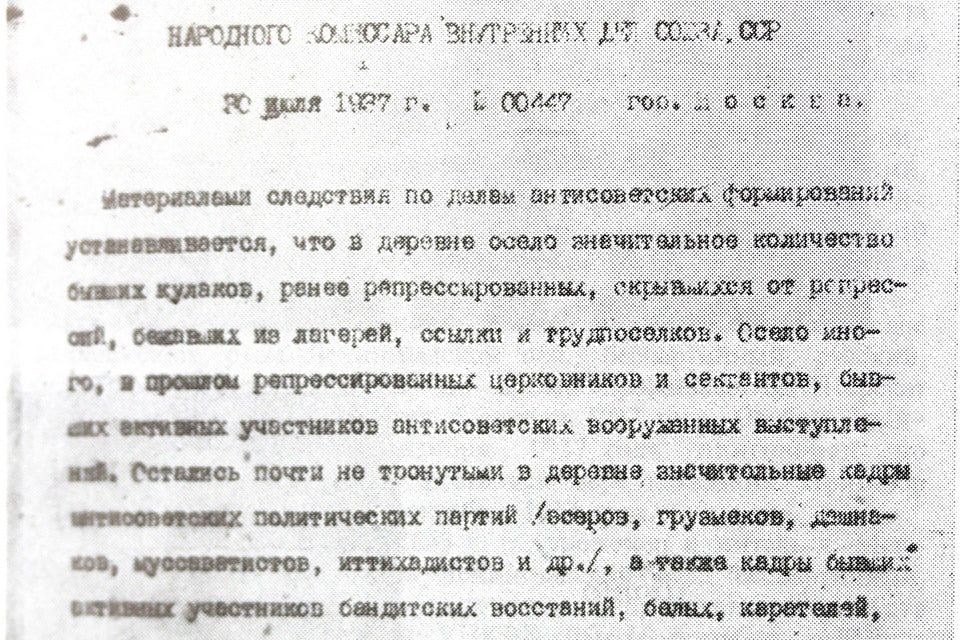
While the first half year of 1937 witnessed moderate purges with suspending only a small percentage of party officials, on July 2, 1937, Stalin and his minions issued the secret resolution on ‘The anti-Soviet elements’, which was followed by the notorious ‘Order of the NKVD No. 00447’ or ‘Operational order of the People’s Commissar of Internal Affairs of the USSR No. 00447 on the operation to repress former kulaks, criminal criminals and other anti-Soviet elements’ on July 30. The document included the limits for executions by region, including Ukraine and Kyiv in particular. In Ukraine, the outbreak of the ‘Great Terror’ was guided by Izraïl Leplevskii, who had been appointed Soviet Ukraine’s People’s Commissar of Internal Affairs, a local version of Yezhov, in June 1937. As well as his successor, Aleksandr Uspenskii (appointed January 1938), Leplevskii was a zealous performer of the murderous orders from Moscow. In his post, Leplevskii appealed to his boss, Yezhov, to expand the limits for executions in Ukraine. In the same period, the Soviet government officially allowed ‘physical impact’, thus torture against the potential enemies of the state, while the arrested person was literally deprived of legal protections (lawyers).
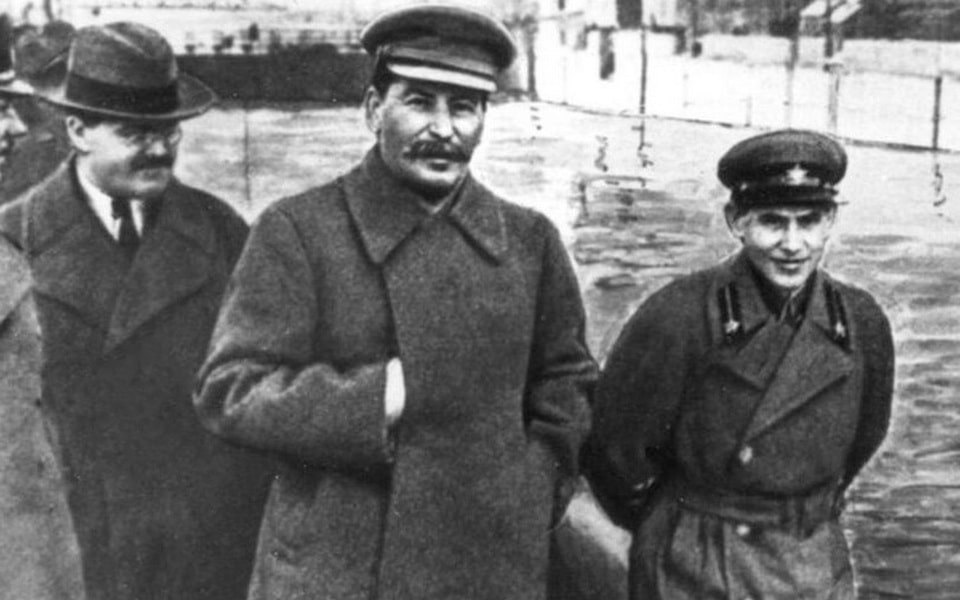

With the unleashing of terror against the party itself, the summer of 1937 witnessed an unprecedented wave of political paranoia, hysteria, and mutual slander among the Soviet officials, with its resemblance in Ukraine. The story of the Communist party here had always had its specifics, dating back to 1917 when 77% of communist members of Ukrainian origin voted for the Socialist-Revolutionaries and Mensheviks, and only 10% for the Bolsheviks. Even after Lenin’s ‘Red Terror’ and the inclusion of Ukraine into the Soviet Union in 1922, a significant part of the communists in Ukraine were former opponents of the regime. Through the 1920s and 1930s, Moscow used to send its vicarious rulers, but as time went on, they all adopted their views in favor of the Ukrainian national entity. While on paper, 99.9% of farming lands in Ukraine were collectivized at the end of the 1930s, the actual harvest slightly surpassed the pre-WWI level of the Tsarist regime. Above all, Ukrainians comprised the second largest nationality in the USSR, and the local Communist leaders claimed their own importance in the state.

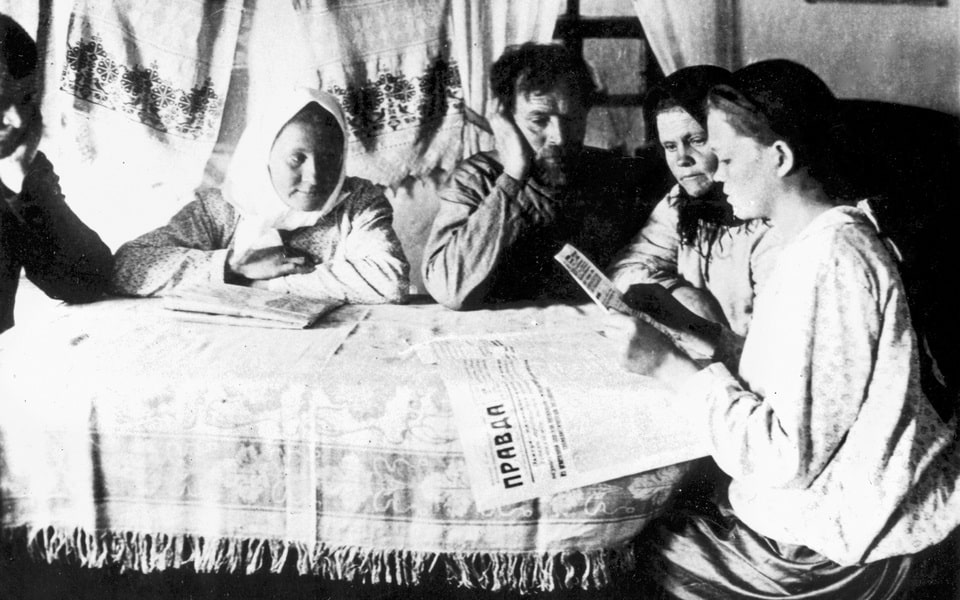
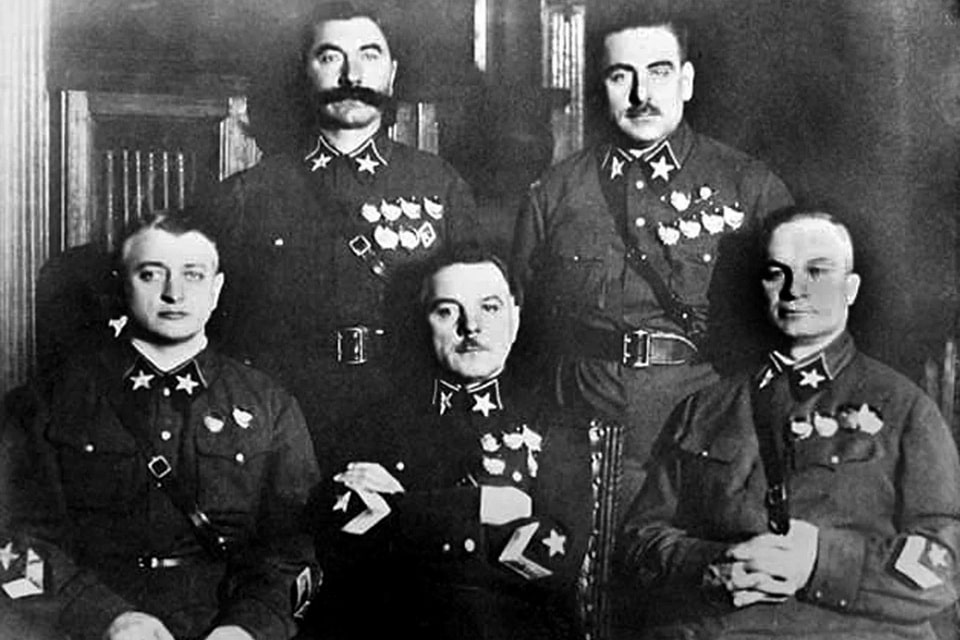
The paranoia of unveiling the enemies in the Communist Party of Ukraine came to a grotesque scale. The purge of cadres of the party-state nomenclature testified that out of 102 members and candidates for members of the Central Committee in Ukraine, elected at the Thirteenth Congress on July 3-4, 100 people were repressed. The entire Ukrainian government was replaced almost completely, as were the first and second secretaries in all twelve regions of Ukraine and almost all corps and divisions of the Red Army. None of the 17 members of the Central Committee in Ukraine, who were representatives of the military circles, survived the purge. In total, up to 40,000 Red Army officers and soldiers were murdered or died in incarceration until 1941, at least 15,000 of them were from Ukraine. The terror also unleashed a wave of national purges aimed at ‘crushing the counter-revolutionary organizations’, including the harassment of Polish, German, Latvian citizens, and Jews. Toward 1940, the Jews would comprise only 4% of the NKVD members compared to 40% before the terror, when the total strength of the NKVD was enormous, 370 000 agents. In the same summer of 1937, the government hardened the measures against the families of those repressed as the alleged enemies of the state. The spouses were exposed to obligatory arrest, and the children under fifteen were sent to special orphanages. Many of the families of those murdered were evicted from Ukraine and sent to other regions of the USSR to special settlements.
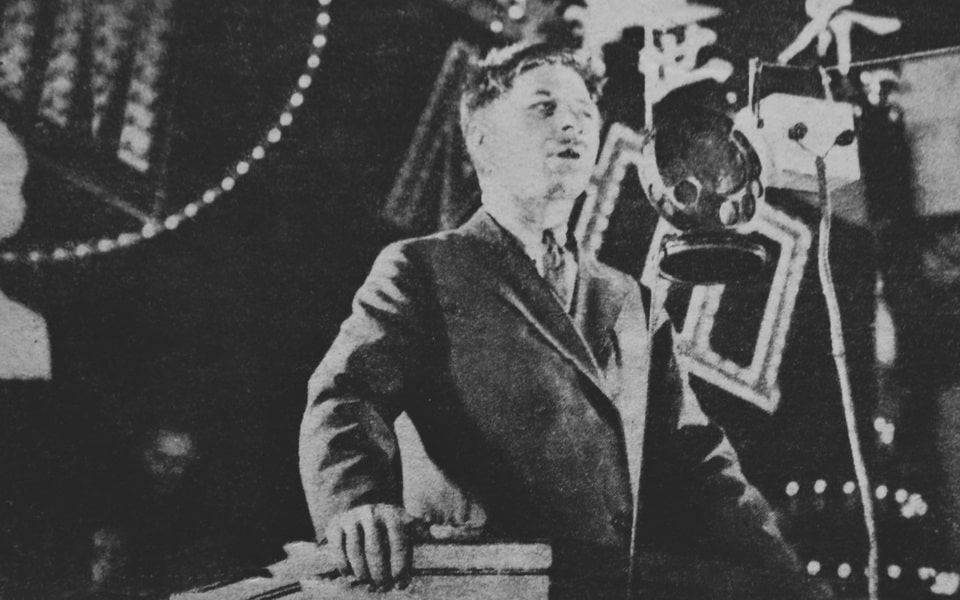
The reign of terror in 1937-1938, particularly in Ukraine, was not limited to the purges of the Communist party that overtook the so-called ‘apparatchiks’ (state functionaries) and administrators in every sphere of life. Apart from the purges in enterprises, the army, and the private sector, the most fierce terror was once again unleashed against the bearers of the Ukrainian national identity: the intelligentsia. The National Writers Union of Ukraine almost ceased to exist, purges swept the staff of the radio stations, publishing houses, and newspapers, and even museums were announced to be a ‘cloaca of Ukrainian nationalism’. The accusations against Ukrainians were particularly odious, for example, including not very zealous celebration of the anniversary of the Battle of Poltava (1709). The speed and pervasion of terror were so impressive that the state apparatus in Ukraine was stacked and paralyzed. In 1938, the politics of moderate Ukrainization of the former years was eliminated and made space for the reverse process of harsh russification. Ukrainian history and culture were exposed to fakery and alterations, a distortion of facts aimed to present an alleged historical connection between russians and Ukrainians.
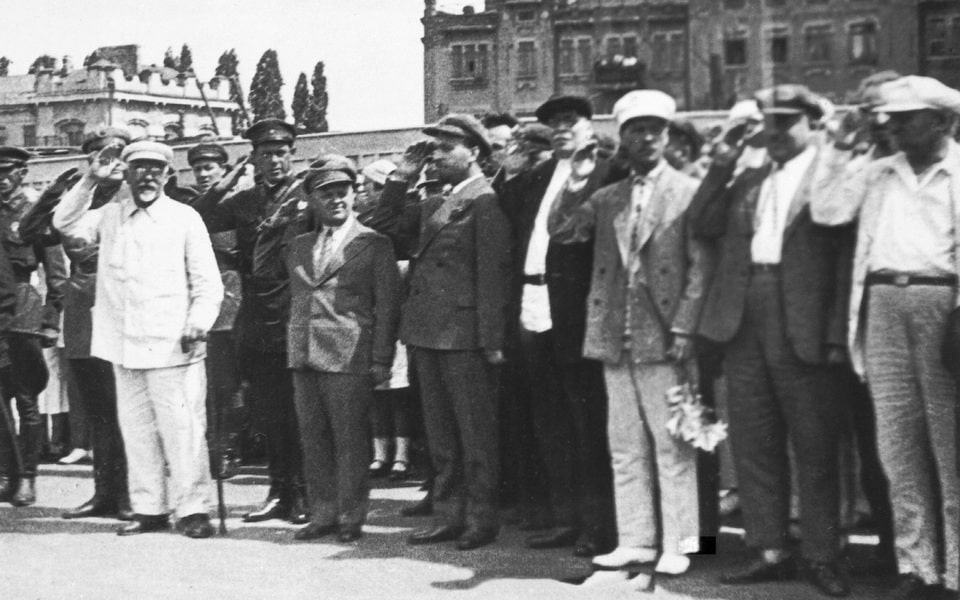
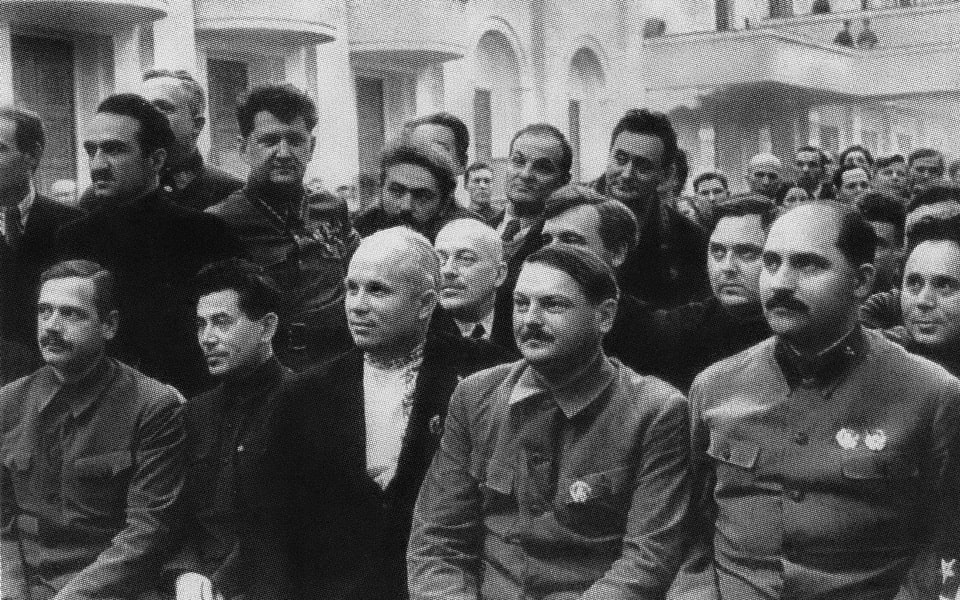
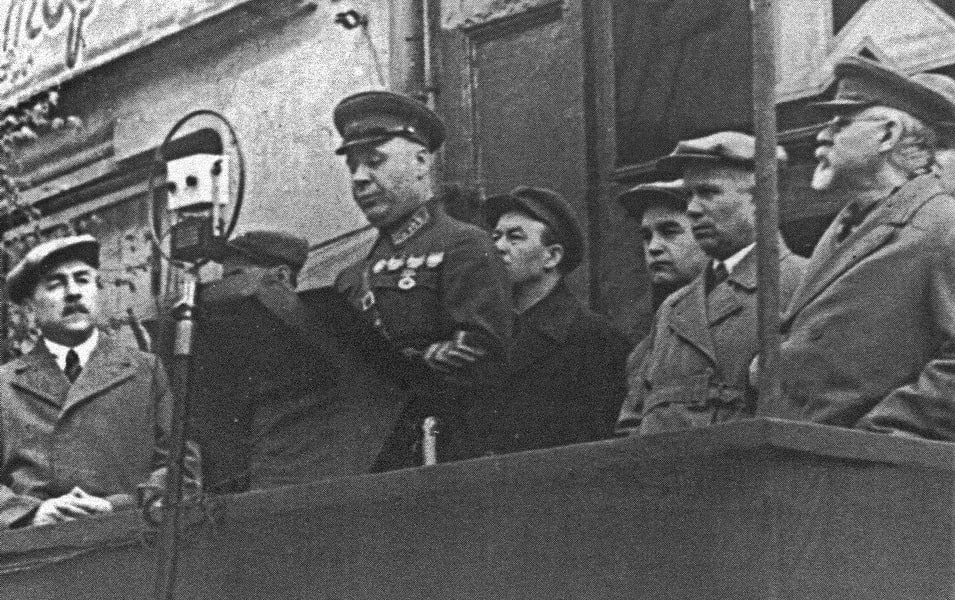
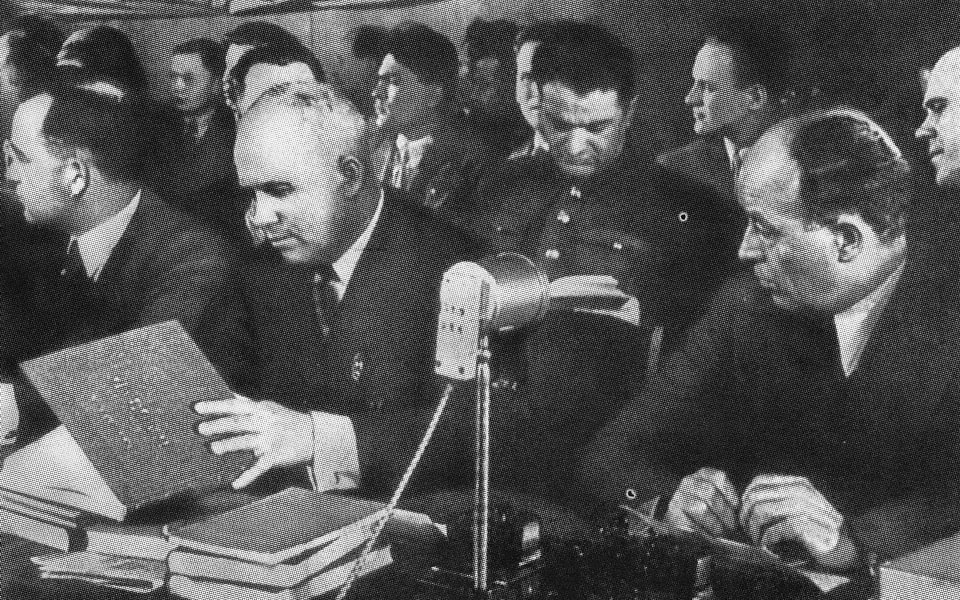
Toward the start of 1938, the Communist Party of Ukraine was unable to rule the country efficiently, and in January, Stalin sent one of his minions, Nikita Khruschev, a born Ukrainian, to sort out the mess. Khrushchev was elected the First Secretary in a staged manner, and in the following months, the purges among the local Communists only intensified. By June 1938, the Ukrainian government was once again changed, and its members were repressed, including all twelve regional leaders and most of their aides. Most of the newly appointed functionaries had never served in equal positions and had poor qualifications and organizational skills. Among these skillless 1600 party members who were brought forward as new local administrators in cities and districts was a young Leonid Brezhnev (1906-1982), a future General Secretary of the Communist Party of the Soviet Union after Khruschev. In total, between January 1934 and May 1938, 167,000 Ukrainian Communists, about one-third of the party in the country, were incarcerated.
It is important to note that the executives of the terror were themselves ruthlessly purged and crushed. Izraïl Leplevskii, Soviet Ukraine’s People’s Commissar of Internal Affairs, who had got his post in June 1937, was himself dismissed in January 1938, sent for a time to Moscow, arrested in April, and executed on July 28 of the same year. He followed the fate of his predecessor, Vsevolod Balitsky (1892-1937), who had been previously sent to a minor position, arrested, and executed. In January 1938, Leplevskii was replaced by Aleksandr Uspensky (1902-1940), who himself was dismissed in November and later executed, as well as many of his subordinates among regional leaders and local units. Toward the end of 1937, at least two hundred NKVD members, 134 police officers, 38 officers of border troops, and 45 employees of the Administration of Highways were arrested, followed by at least 994 NKVD members arrested in Ukraine in 1938. Some of the trials against the executioners of the terror lasted until 1942.


The reign of terror in the USSR was so overwhelming that in February 1938, Andrey Vyshinsky, the notorious Procurator General of the Soviet Union, complained to his masters in Moscow that the number of complaints from people paralyzed the work of his body. In total, the Procurator’s Office received over 600,000 complaints from Soviet people regarding the terror and the fate of their relatives. When it comes to Ukraine, people were afraid of the terror but not silent, and even in 1939, Ukrainians sent over 170 000 complaints either to the Republic Prosecutor’s office or to local branches, 47 000 and 124 000, respectively. Of the latter amount, the office of the Prosecutor in Kyiv received 21 278 appeals. It is important to understand that most of these complaints came from the Communist Party members, who were frustrated with the absence of law and protection for those who had been zealous followers of Lenin.
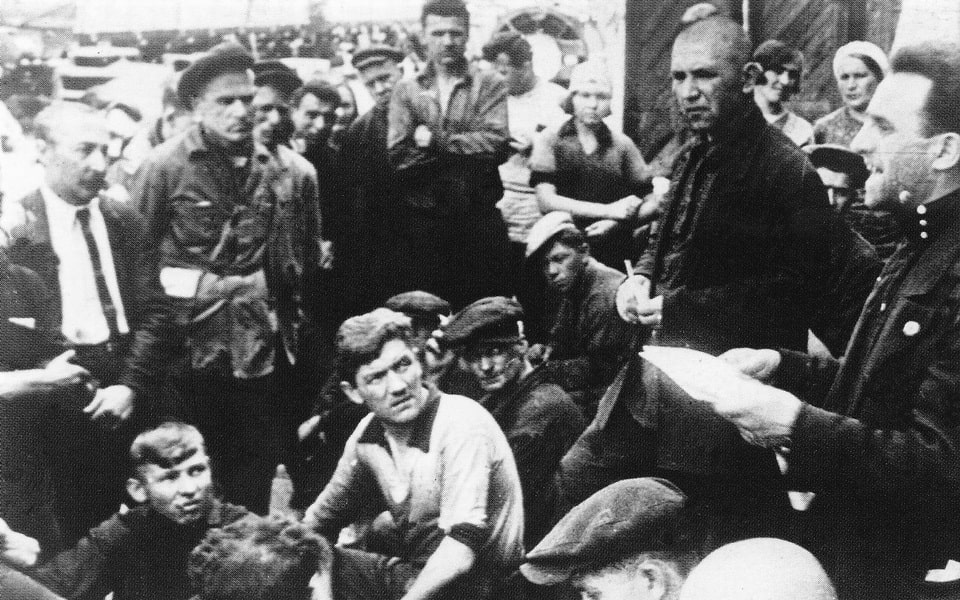
The fall of the Soviet Union and the opening of the archives, as well as the diligent work of scholars, particularly in the West and Ukrainian historians, unveiled the scale of the 1937-1938 terror in the Soviet Union and Ukraine. By July 1, 1938, at least 1 million 420 711 people were arrested in the Soviet Union, 267,579 of them, at a minimum, were arrested in Ukraine. At least 650,000 of the 1.42 million arrested (320,000 were killed) were the victims of the so-called ‘anti-kulak operation’ (‘Order of the NKVD No. 00447’), among them 45,000 clergy, affecting the Soviet Ukraine heavily. If to take not a geographical citizenship but a nationality, among 1.42 million arrested, Ukrainians comprised 189,410, leaving 105 485 to Poles, 75 331 to Germans, 58 702 to Belorussians, and at least 30,000 to Jews. When it comes to Ukraine and the wave of arrests, the statistics give us the picture starting from 1935 with 24,934 people incarcerated that year, 15.717 people arrested in 1936, 159.573 in 1937, 108 000 in 1938 (thus at minimum 267,579 were arrested in Ukraine only during the terror). The scale of the repressions decreased only in the second half of 1938, and 12 000 Ukrainians were incarcerated in 1939, and 50 000 in 1940. Among 267,579 people arrested in Ukraine in 1937-1938, Ukrainians comprised 53.2%, Poles 18.9%, Germans 10.2%, Russians only 7.7%, Jews 2.6%, and 7% of other nationalities.
When it comes to executions, out of the established documented figure of 681 692 people killed in terror, at least 123 000 (one source gives 122 237, the other 123 421) were executed in Ukraine, thus comprising 18% of the total death toll. If we take the number of arrested 267,579, 46% of those arrested in Ukraine were executed. This was the second-largest death toll in the state after the Russian Republic. It is important to grasp that the 123,000 executed in Ukraine do not include tens of thousands of ethnic Ukrainians who died in the GULAG camp system or in exile during the same 1937-1938 period of time. Among those victims of the Great Terror of 1937-1938 who were arrested but not executed, only 0.3% were released from prisons in the following years, and other measures apart from death and incarceration comprised only 1% of cases. It is important to remember that 681 692 killed, 353 000 in 1937, and 329 000 in 1937 and 1938, respectively, amounted to 85% of all Soviet citizens sentenced to the “supreme measure of punishment” between 1921 and Stalin’s death in 1953.
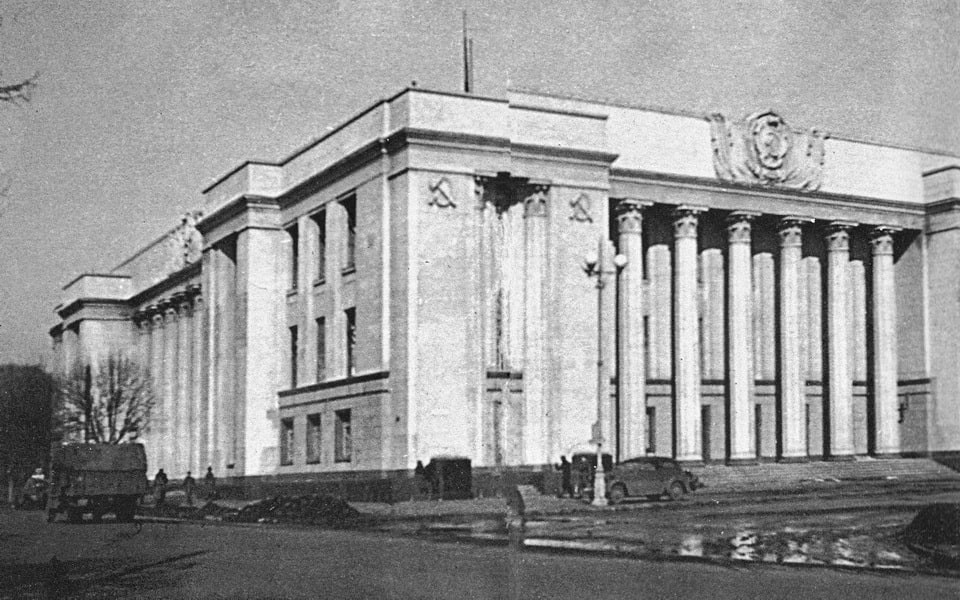
THE NKVD ‘POLISH OPERATION’: Ethnic Purges of Poles, Germans and Jews in Ukraine
As was stated above, native Polish comprised an enormous 19% of all people arrested in Ukraine in 1937-1938 and amounted to 55,928 people, of which 47 327 were shot, and 8601 sent to Gulag camps. This figure should be taken into consideration, as people of Polish origin comprised only 1.5% of the population in Soviet Ukraine, which shows us an enormous disproportion of Poles who were repressed and killed during the Red Terror. While the average percentage of those killed in Ukraine was 46% (123 000 of 267 000), the same proportion rose to an enormous 84.6% if the person was Polish. Above all, they comprised 38.5% of all people executed in Ukraine in 1937-1938, while implicating only 1.5% of the population (417,613 out of 31 million). For example, ethnic Russians comprised 11.3% of the population and amounted to only 7.7% of arrests, leaving the highest disproportion for Poles and Germans.
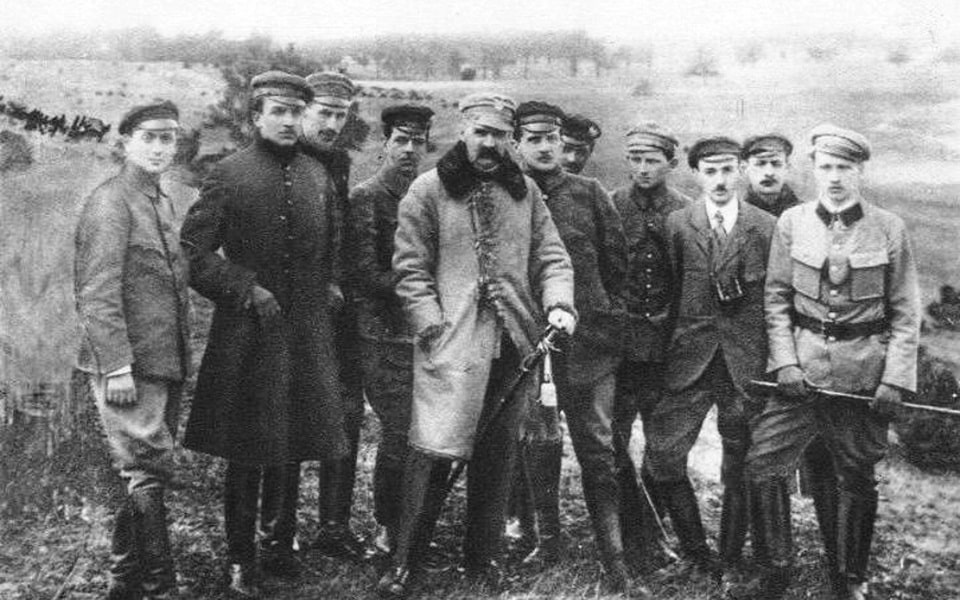
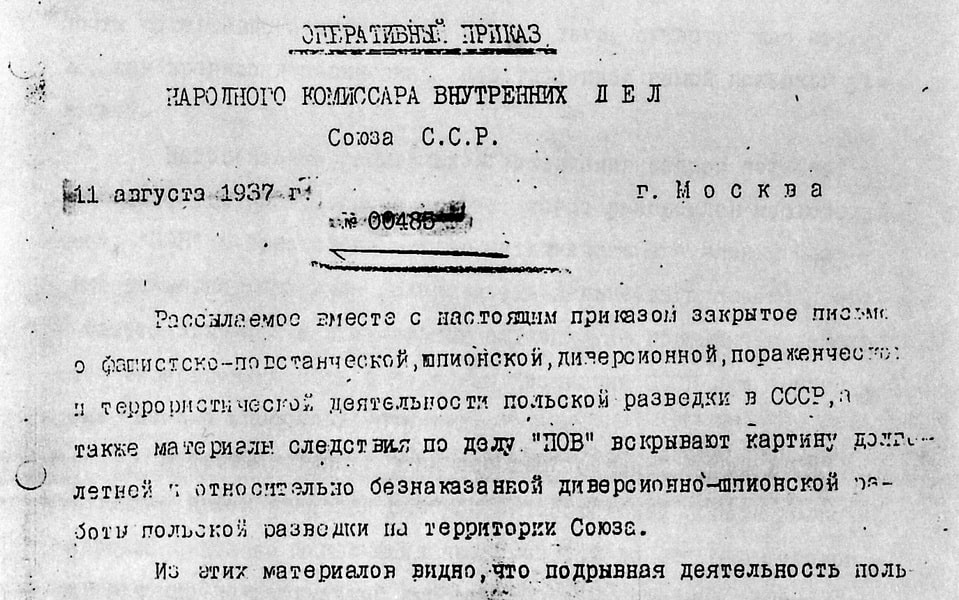
While many people knew only about the barbarian execution of Polish officers by the Soviet regime in 1940, the first and much more numerous mass killing action against people of Polish origin emerged in 1937-1938 during the Great Terror. As early as June 1937, the notorious Nikolay Yezhov boosted Stalin’s plans for broadening the terror by presenting a fake threat from the so-called ‘Polish Military Organization’. The organization itself was not an invention, but it ceased to exist back in the 1920s. Similar to the invented ‘kulaks’, now national minorities were to be blamed for the failures of collectivization, the poor Soviet economy, and all policy problems in the state. The subsequent justification of terror came on August 11, 1937, when Yezhov issued ‘Order of the NKVD No. 00485’: “On the liquidation of Polish sabotage and espionage groups and units of the Polish Military Organization”, thus unleashing a reign of terror and mass anti-Polish cleansing actions throughout the Soviet Union, in parallel with the rewriting of history. As there was no real plot against the regime or any directed organization, the terror targeted all people of Polish origin in the country or those associated, including people of the Catholic faith.
The procedure of ‘unmasking’ the enemies of the state was similar to dealing with any other groups during the terror: incarceration, torture, threats, deportation of families, and physical and mental humiliation. Arrested people were frustrated to hear the accusations, but the murderous methods of the NKVD made people invent their anti-revolutionary activity to stop beatings. Toward the end of August 1937, in just two weeks of the cleansing, Yezhov reported about 23 216 arrests, and bloody dictator Stalin encouraged him on paper to ‘keep on cleaning the Polish filth’. In total, the documents reveal that 143 810 people were arrested following ‘Order No. 00485’ and 111 091 of them were killed, thus the percentage of those executed under the alleged espionage for Poland was 77.2% among all incarcerated.
Not all of those people were of Polish origin (Belorussians comprised 15%, Ukrainians 13%, Russians 9%, Jews 4%), but anyway, the ethnic Polish was the third largest national group after Russians and Ukrainians affected by the 1937-1938 terror, while filling only 0.4% of the population. As I already stated above, in Ukraine, which accommodated 417,613 of the 656,220 Polish in the Soviet Union, the chance to be persecuted is twelve times higher than in any other part of the state. Out of 681 692 people killed in terror in the Soviet Union, 111 091, or 16.3%, were associated with the anti-Polish cleansing, 38.5% victims in Ukraine.
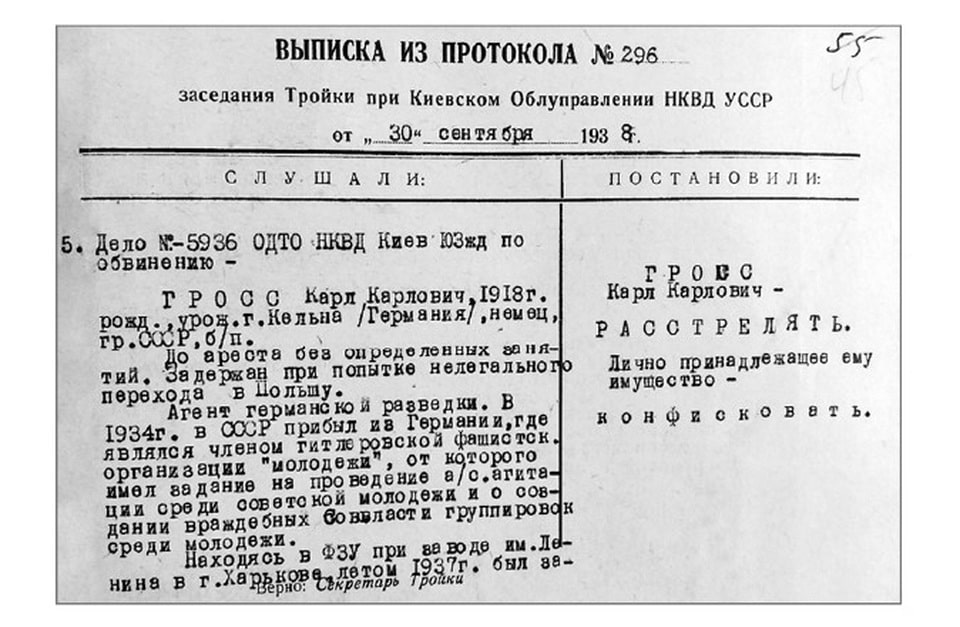
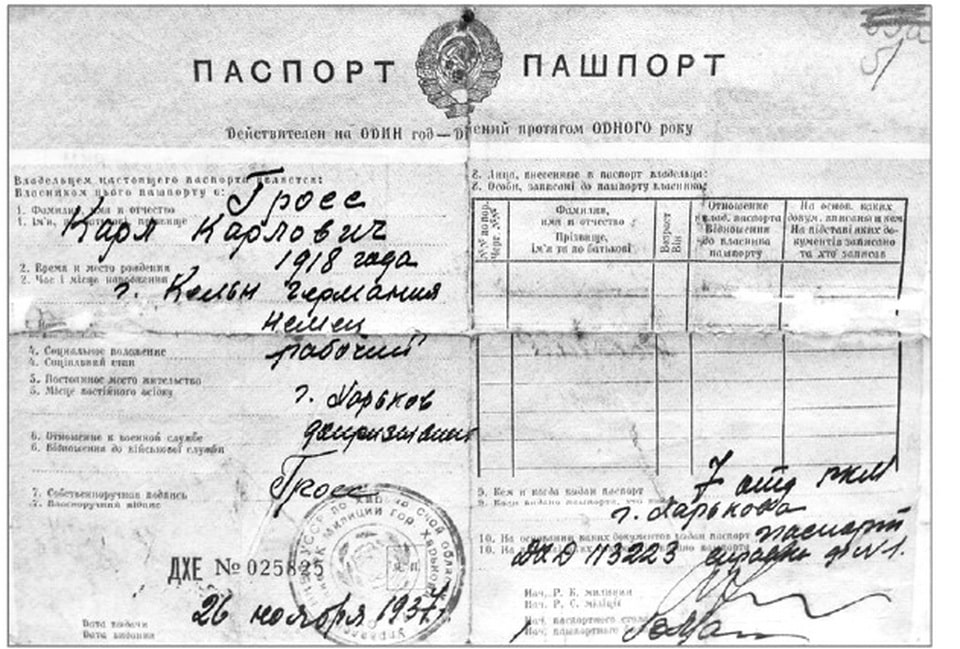
THE ANTI-GERMAN MEASURES. While the ‘anti-Polish’ cleansing operation served as a blueprint for a series of merciless national actions against minorities in the Soviet Union, technically, ‘Order of the NKVD No. 00439’ was issued two weeks earlier than the previously mentioned 00485. Nazi Germany, unlike Poland, indeed presented an existential threat to the Soviet regime, particularly taking into consideration Hitler’s open statements. While the Polish menace inside the country was a made-up fairytale, it was much easier for the NKVD to find pretexts to ‘unmask’ spies and saboteurs of German origin. Anyway, a series of falsified organizations were invented as a justification for the cleansing: ‘Fascist Germans’, ‘Teutons’, and ‘the National Fascist Center’. Yezhov’s order targeted people of German origin or former German nationals among weapon industry workers and railway staff, but actually broadened to cover a wider selection. They were mainly former POWs from World War I, exiles and refugees, and workers who came to the USSR in the 1920s. The documents reveal that the ‘anti-German’ operation affected 56 789 people arrested, 41 898 of whom were executed, and many had no German blood at all and were incriminated with alleged connections. 13 107 people were sentenced to five to ten years in the camps. About 69% of them were of all those arrested had German blood. There were 1,151,000 people of German origin in the USSR in 1937. The operation affected only 5% and was more moderate in scale than the anti-Polish operation, maybe because of Stalin’s hope to build relations with Germany.
The cleansing operation against the Polish and Germans was the largest among the minorities, but not the last or only of the ‘enemy nations’ to be persecuted in the Soviet Union in 1937. The similar ‘anti-Latvian’ operation claimed the lives of 16 573 people, 9078 were executed as spies for Finland, and 7 998 for Estonia. There were also anti-Romanian, Korean, Bulgarian, Greek, and Chinese operations. In total, all national operations totaled 335 513 people arrested and 247 157 victims (73.7% of those arrested were executed) among 681 692 killed in the Great Terror. It should be said that people who accounted for less than 2% of the total population comprised 36.25% of the total death toll. While only 0.4% of the total Soviet population was killed in 1937-1938, 9.53% of national minorities lost their lives, which meant that they had a twenty-five times higher chance of being killed in the Great Terror than the average population. We should also not forget about the mass deportations, for example, about 172,000 Koreans were deported to Kazakhstan. In Ukraine, people of German origin comprised 1.4% of the population and amounted to 10.2% of those arrested. Above all, 39% of all arrests in the ‘Anti-German operation’ (56 789) were conducted in Ukraine.
BYKIVNIA FOREST: NKVD Mass Graves Outside Kyiv — 100,000 Victims
In the first months of the Terror, the NKVD used the abandoned courtyards of the prisons, as well as civil cemeteries on the edge of the cities, to bury the bodies of their victims and cover up the mass purge. Lukyanivske cemetery, next to the infamous Babi Yar ravine on the outskirts of Kyiv, was one of such locations used in the early stages of the terror in 1937. The staff of the cemetery was generally put under the supervision of the NKVD apparatus and were ordered to keep silent under the threat of death, and in 1938 was repressed and changed. As the number of victims began to rise exponentially, hedgerows, fruit gardens, and even city parks were used for trenches, where the bodies were covered with quicklime and soil. As the number of victims peaked, special burial sites were set up across the country with fences and cover-up stories such as a cemetery of those who had died from typhus. In Ukraine, there are at least eighteen mass burial sites that have been revealed in the last eight decades, particularly since 1991 and the Independence of Ukraine. In modern Vinnytsia a local park now stands on the former 1937-1938 burial site, a department store in Khmelnytskyi, more than 500 remains were discovered in Ivano-Frankivsk, a secret burial site was set up at the Odesa cemetery, a Jewish cemetery in Cherkasy, a forest near Chernihiv, an open site outside Dnipro, and the largest known site of burials of the victims of the Soviet terror in Ukraine in the Bykivnia forest near Kyiv. Apart from regional centers, such burials were found in almost every county town in Ukraine where a local branch of the NKVD once existed.
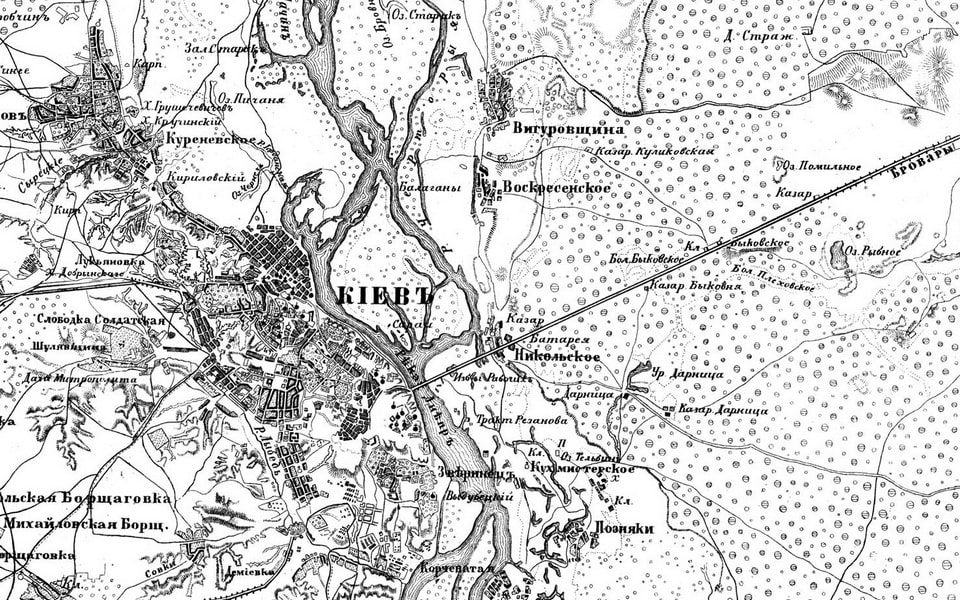
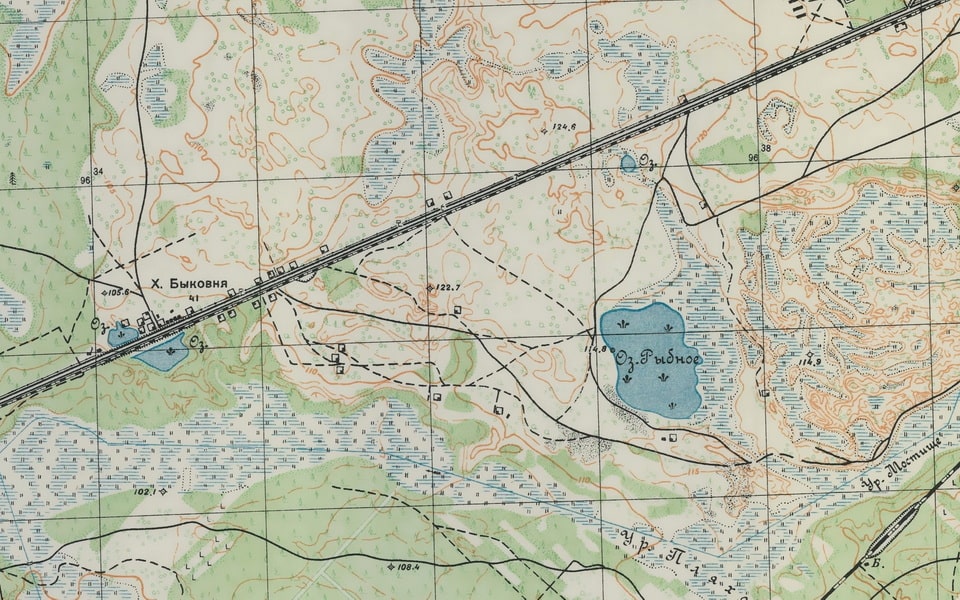
Bykivnia would have been unknown to the world, had it not been a notorious burial site for the victims of the Stalinist regime. By all other means, the area to the southeast of Kyiv is no different than other suburbs of the Ukrainian capital. Probably known since the times of the Kyivan Rus, the area bears a name derived from the Ukrainian word ‘byk’, a bull in English. Being located on the road between Kyiv and Chernihiv, the locality was known as a swampy area, and the merchants used bulls instead of horses to drag their goods wagons without accidents. The first map of Kyiv, which included Bykivnia, emerged in 1850 with toponyms ‘kazarma Bykivnia’ (Bykivnia army barracks), ‘korchma Bykivske’ (Bykivnia tavern), ‘boloto Bykivske’ (Bykivnia swamp). The documents from 1859 included information about three households and nine people: four males and five women, and thirty-five people in 1897. At that time, the area was a part of ‘Chernihiv province,’ and Bykivnia was included in the city limits of Kyiv as late as October 20, 1938, after tens of thousands of people had already been buried in the local forest.
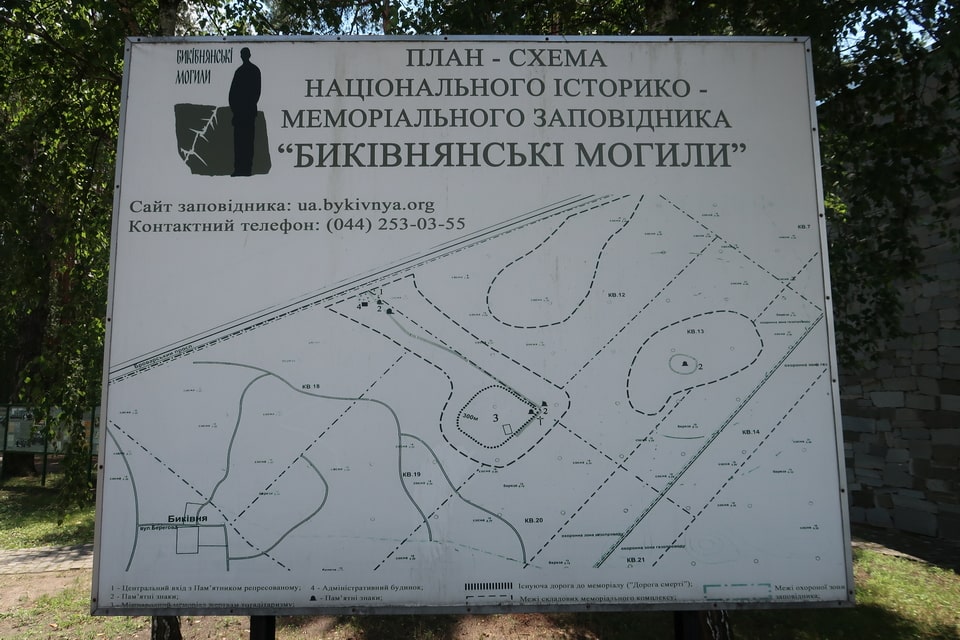
As was stated above, the outbreak of mass killing actions against Soviet citizens and Ukrainians in particular demanded the creation of special secret burial sites, mainly outside city limits. As early as March 20, 1937, the city council of Kyiv secretly designated a spot of land of 4.2 hectares (5.3 hectares nowadays) in the 19th and 20th sections of Bykivnia forest for ‘Special needs of the NKVD of the Ukrainian Soviet Republic’. At the time, the decision looked minor: it was discussed as one of 39 out of 42 issues that late evening. It was months before the unleashing of uncontrolled terror in the summer, but evidently a reaction to the resolution ‘About the dissatisfied party leadership of the Kyiv Regional Committee and shortcomings in the work of the Central Committee of the Communist Party of Ukraine’, which had been previously issued in January. After the assignment of a land plot, the section of the forest just 600 meters outside the road between Kyiv and Brovary was cordoned by a wooden fence of dark green color, 2.5-3 meters high, made of dovetailed boarding, with a single entrance along the entire perimeter. A tide wooden fence was topped with barbed wire, and a watching tower was erected near the gate: the work in the Spring of 1937 was conducted at night. The NKVD spread a legend among the locals that the area was designated for an artillery warehouse, but instead of military guards, the area of about 260 by 200 meters was guarded by NKVD personnel in civilian clothes.
At least several prominent Ukrainian historians of Bykivnia, including Mykola Rozhenko (1936-2012) and Mykola Lysenko (1927-2014), both authors of sophisticated research works, claim that the NKVD used the Bykivnia forest area on not numerous occasions since 1936. Anyway, the mass purges became a reality in August 1937 after the ‘Order of the NKVD No. 00447’ and orders about the prosecution of national minorities, and the Bykivnia cordoned area became the key burial site of NKVD victims in the Kyiv region. There are also arguments that the site was turned into operation as early as June 1937 after the appointment of Izraïl Leplevskii as the Soviet Ukraine’s People’s Commissar of Internal Affairs. It is important to understand that the Bykivnia forest was not a killing site in a general sense but a secret burial ground for the victims, who were executed in the NKVD prisons and other incarceration locations in Kyiv.
Until 1991, the Soviet prisons were a fragitiously unique place of deprivation of human rights, dignity, health, and life, and the main instrument of turning citizens into rightless individuals during the Great Terror in 1937-1938. It was here where people were exposed to physical and mental pressure and humiliation, deprived of rights as citizens and dignity, and where victims were completely dependent on their tormentors. During Stalin’s era, it was here in the NKVD prisons where most of the victims were executed for the alleged crimes they had not committed. It is essential to note that the newly issued orders, which served as a pretext, most of the 1937-1938 victims were murdered technically according to the Soviet criminal code and the infamous ‘Article 58’. When it comes to Soviet Ukraine, people were arrested and condemned to death in mass under the so-called ‘Article 54 of the Criminal Code of the Ukrainian SSR’, used since 1927 to deal with the cases of the alleged ‘counter-revolutionary activity’ and ‘high treason’. It included such clauses:
54-1: Betrayal of the Motherland;
54-2: armed rebellion;
54-3: counter-revolutionary assistance to another state;
54-4: assistance to the international bourgeoisie;
54-5: propaganda of war;
54-6: espionage;
54-7: damage;
54-8: terrorism;
54-9: sabotage;
54-10: anti-Soviet agitation;
54-11: counter-revolutionary organization;
54-12: failure to report a crime to authorities;
54-13: service in the enemy army, counter-revolutionary activities before and during the revolution.
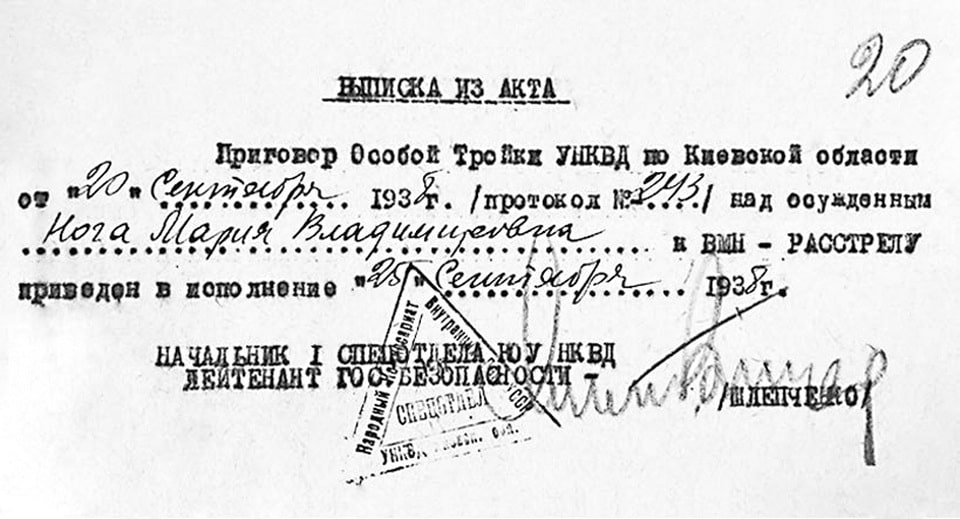
The grotesque nature of Stalin’s reign of terror manifested itself, among other features, in the fact that in many cases there were no procedures, and the initial motives of the arrest were unclear. In numerous cases, there were no resolutions on the initiation of a criminal case, memoranda of operational and operational-investigative district groups, or even arrest warrants. Accordingly, the Soviet state targeted mainly not people involved in the anti-government activity but unleashed preventive terror against potential enemies. As an example, the victims of the terror among Ukrainian peasants were mainly former victims of ‘dekulakization’ and exiles, military men opposed to the Red Army before 1920, former convinced persons in the villages, and those who had previously evaded completing a full term in prison.
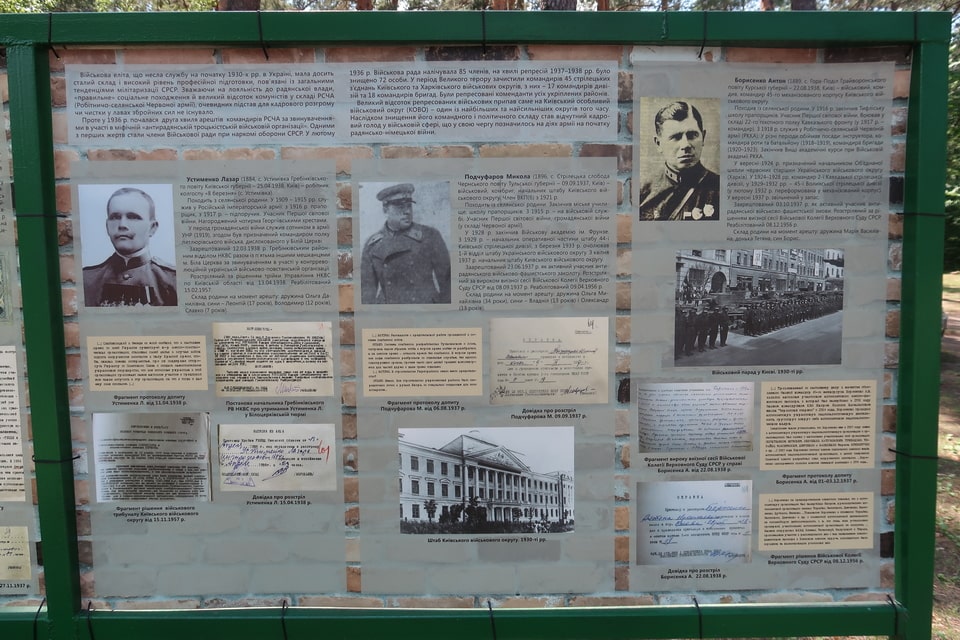
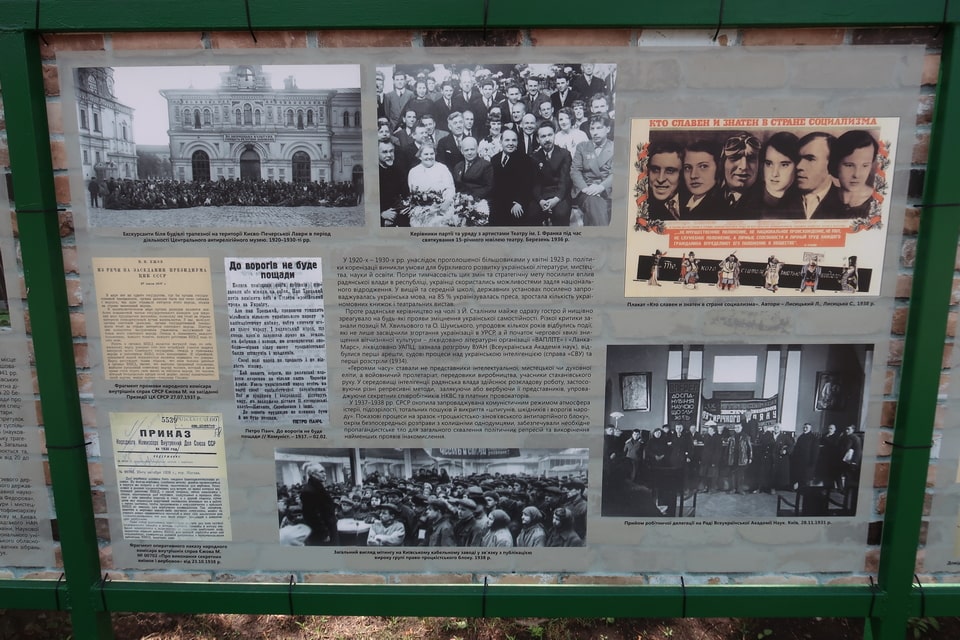
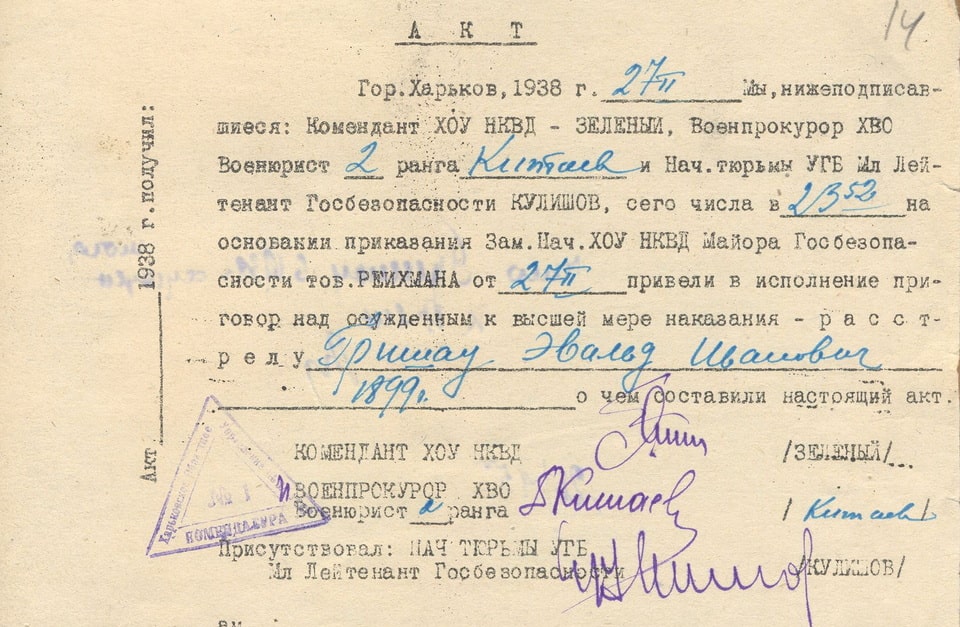
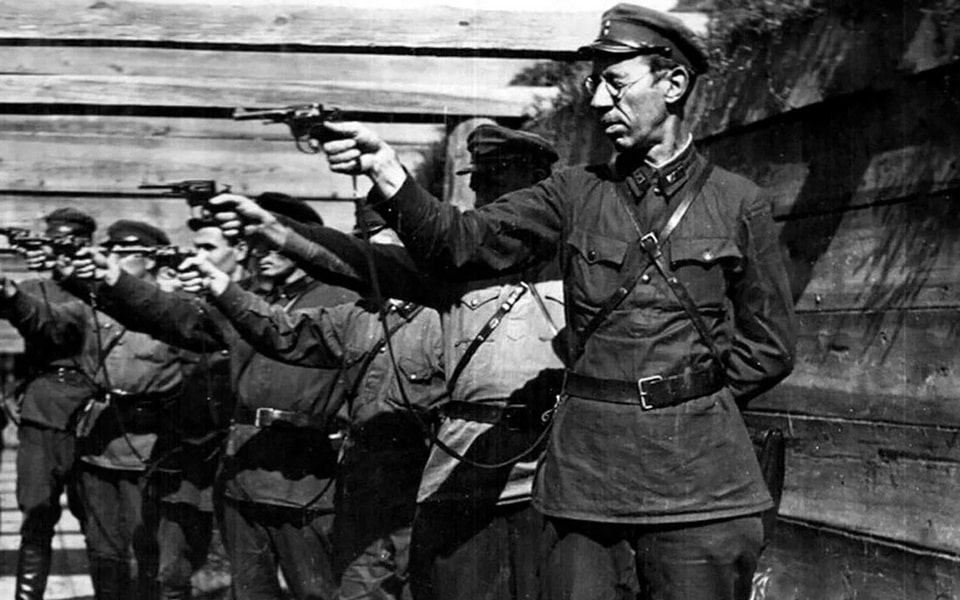
The procedure of execution in 1937-1938 was meticulously the same in almost all NKVD prisons, including Kyiv. Once the arrested person, previously harshly interrogated and beaten, was brought into a separate room from his ward, he or she was asked to confirm the identity. Next, the prosecutor voiced the cliche canned lines that the victim was sentenced to capital punishment for the crimes against the state by the military tribunal. Then the arms of the convicted were tied behind the back, and a person was killed by a shot to the back of the head at a close distance, usually from the hole in the wall. An NKVD physician then verified death, which meant that the body could be taken. As we have already seen above, numerous appeals of the relatives were generally left unanswered, or the person was said to be in exile without the right of correspondence. The secret procedures of dealing with the corpses prescribed no burial ritual, no changing of clothes (people were buried in the clothes they wore on their last day), and the graves should not have to bear any identification. To grasp the scale of the terror in Kyiv and the mass burials in Bykivnia, we need to take a closer look at four key NKVD prisons, from which tens of thousands of bodies were transported to the forest in 1937-1938.
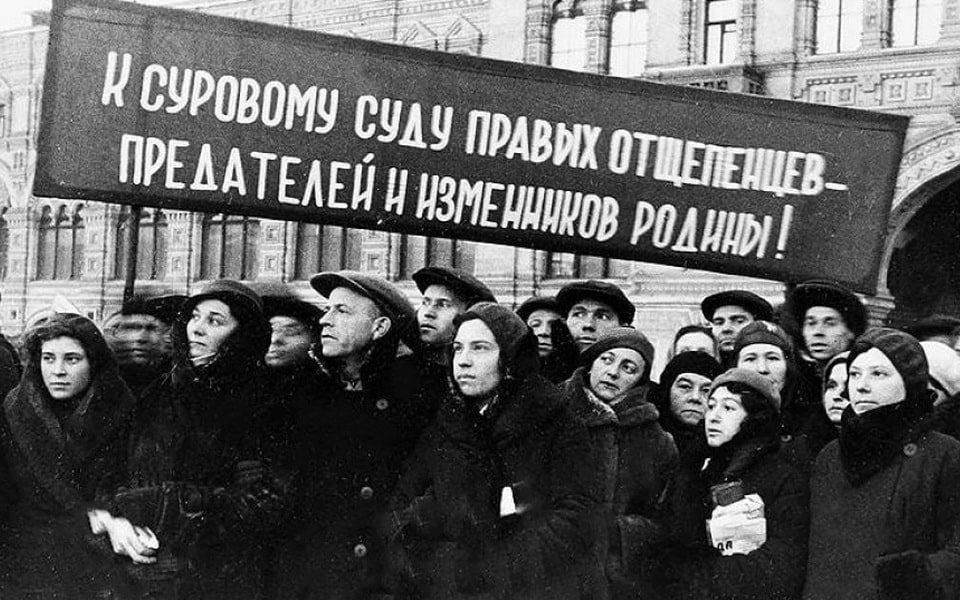
THE INFAMOUS LUKYANIVSKA PRISON IN KYIV
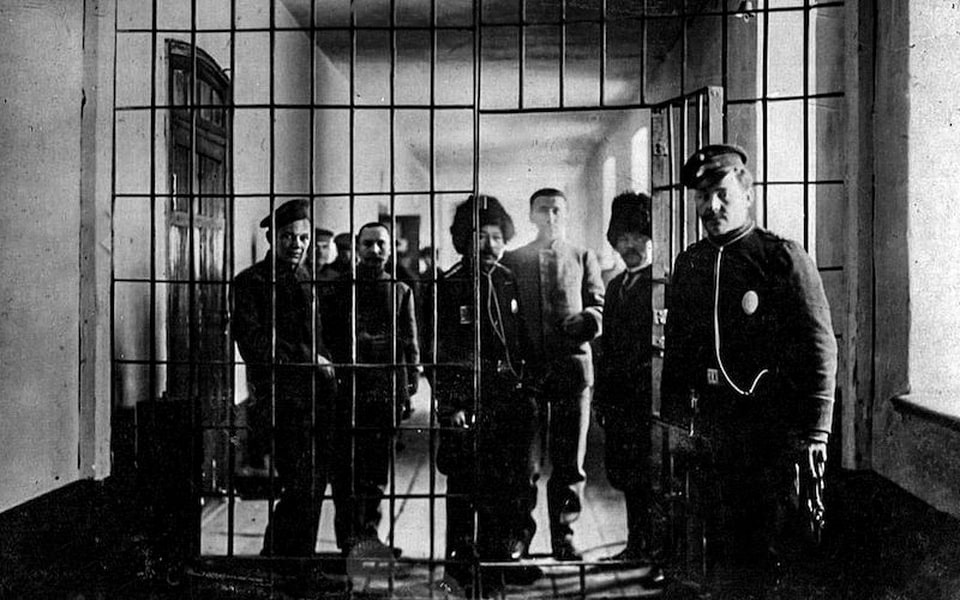
An old XIX-century prison in the Lukyanivka district, which still exists and operates today, was the key location for the detention and execution of people in Kyiv from 1937 to 1938. Looking more like a US Civil War fortress than a penitentiary institution in the center of Europe, it was put into operation as far back as 1863 and was known in Kyiv as ‘Lukyanivskyi prison castle’. The monument complex included ten brick buildings which were interconnected by underground tunnels, later accompanied by new erections in the XX century. After the occupation of Ukraine by the Communists in 1920, the prison was known as the ‘House of Social and Forced Labor’ with several operating manufactories and workshops: button, locksmith-turning, copper-tin, foundry, sewing, wood-working, and cartooning, which used the labor of detainees for commercial purposes. The oldest fortress-like building from 1862 was used for the detention of those convicted of life imprisonment. The communists also turned the local prison church of Saint Job into detention chambers.
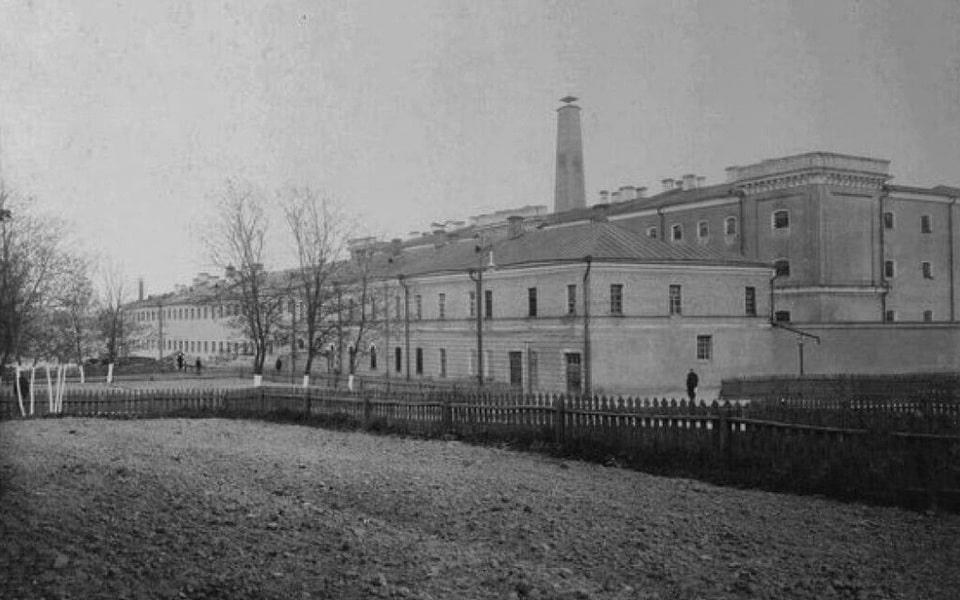
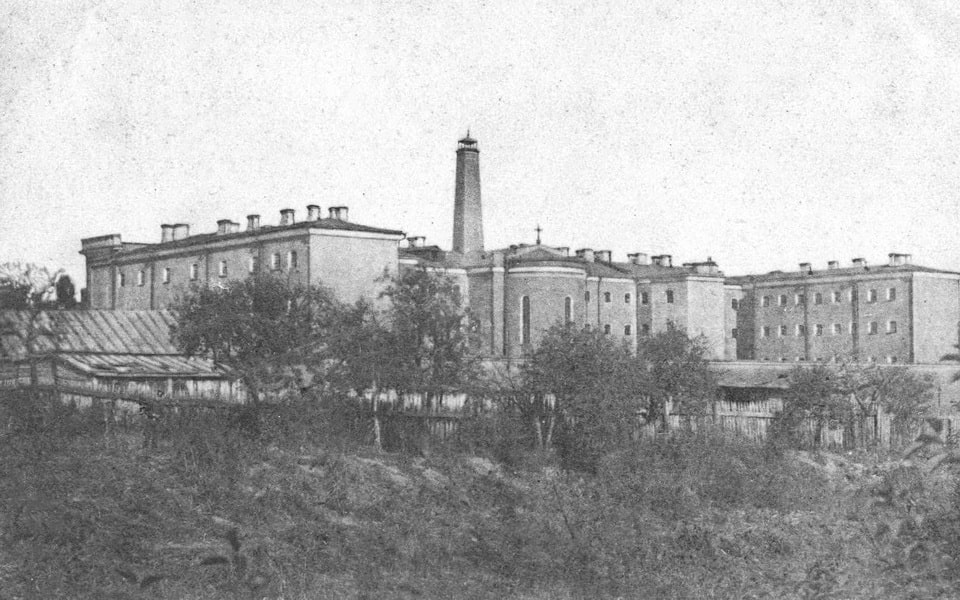
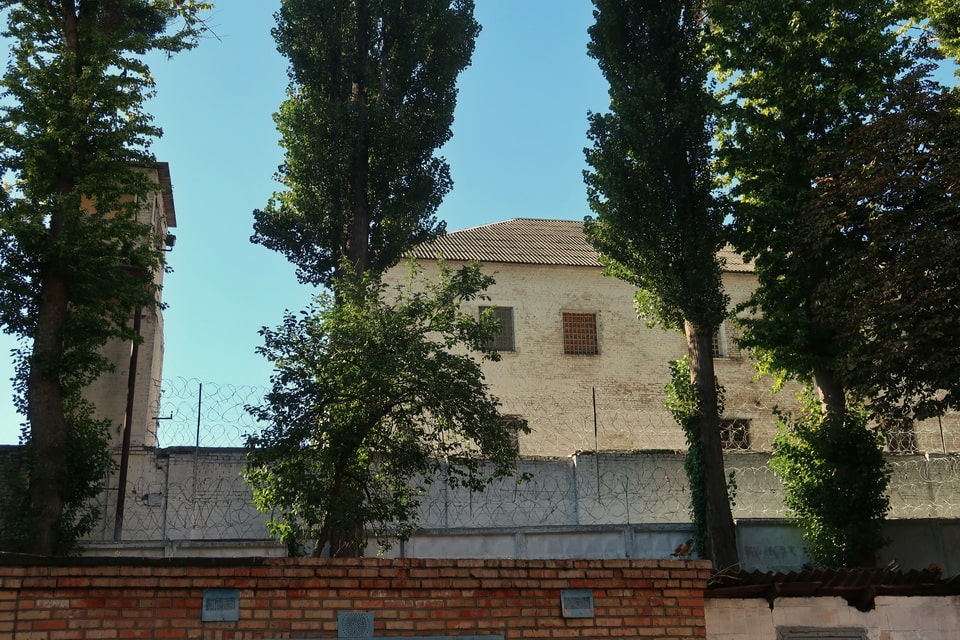
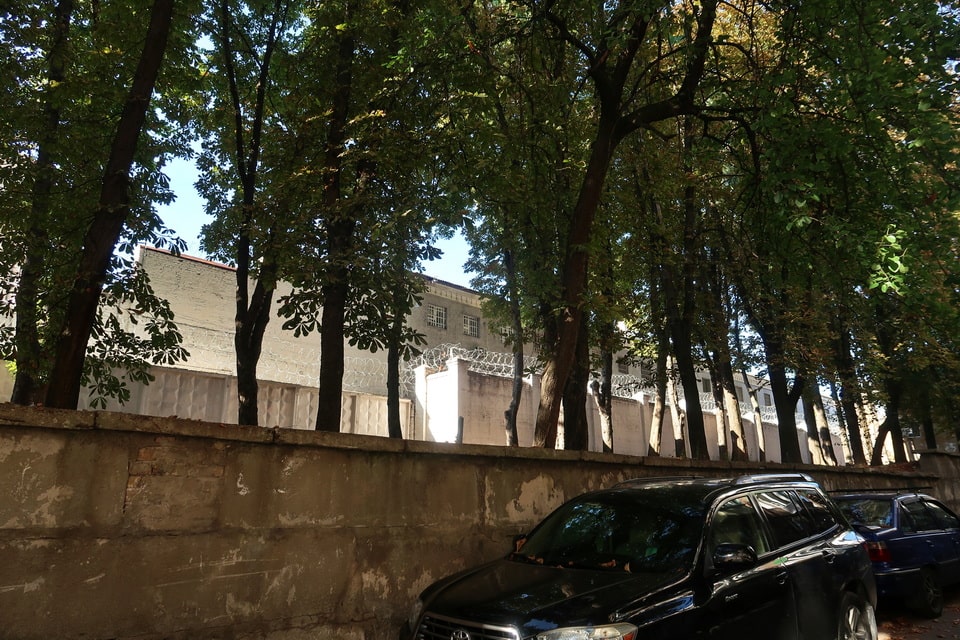
In Stalin’s times and particularly in 1937-1938, the Lukyanivska prison was the primary incarceration facility used by the NKVD, police, and prosecutor’s office in Kyiv. While the absolute majority of those Red terror victims held here before execution or moving to other locations were from the Kyiv area, Lukyanivska prison also accommodated arrestees brought here from other regions of Ukraine. Its wards and torture chambers also absorbed people of Polish origin or alleged connections, the targets of the ‘anti-Polish operation’ under the notorious ‘NKVD order № 00485’. As the prison was close enough to the cemetery of the same name, Lukyanivske near the Babi Yar ravine, in the initial phase of the terror, some bodies were brought there and buried in mass graves without identification. Starting from the Fall of 1939, Lukyanivska prison received Polish prisoners, mainly POWs, from the prison in Western Ukraine (former Polish territories before September 1939). The declassified documents of the Soviet era and investigations give us the figure of up to 25,000 people who were murdered or died in this prison during Stalin’s reign of terror.
THE NKVD HEADQUARTERS IN THE SO-CALLED ‘OCTOBER PALACE’
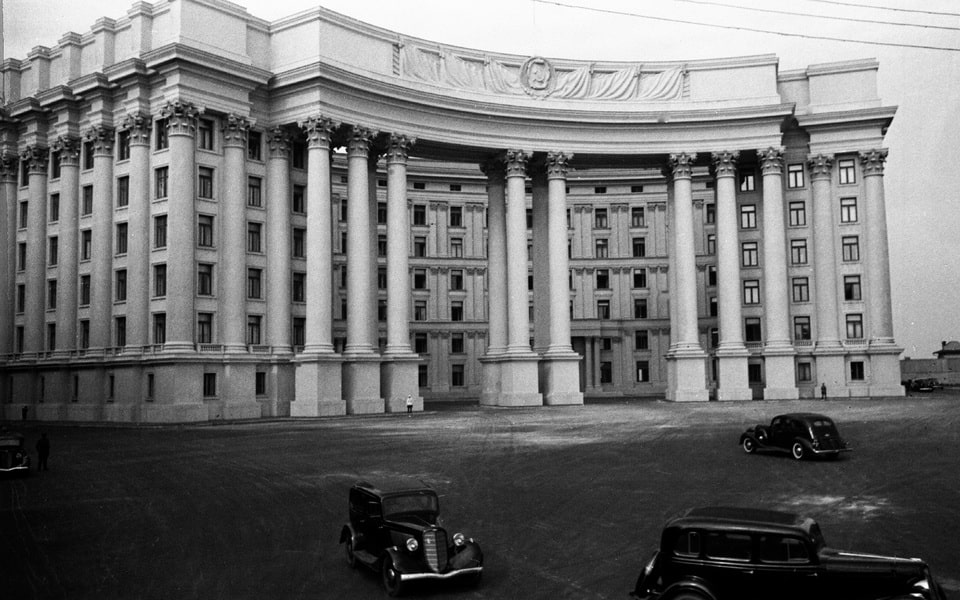
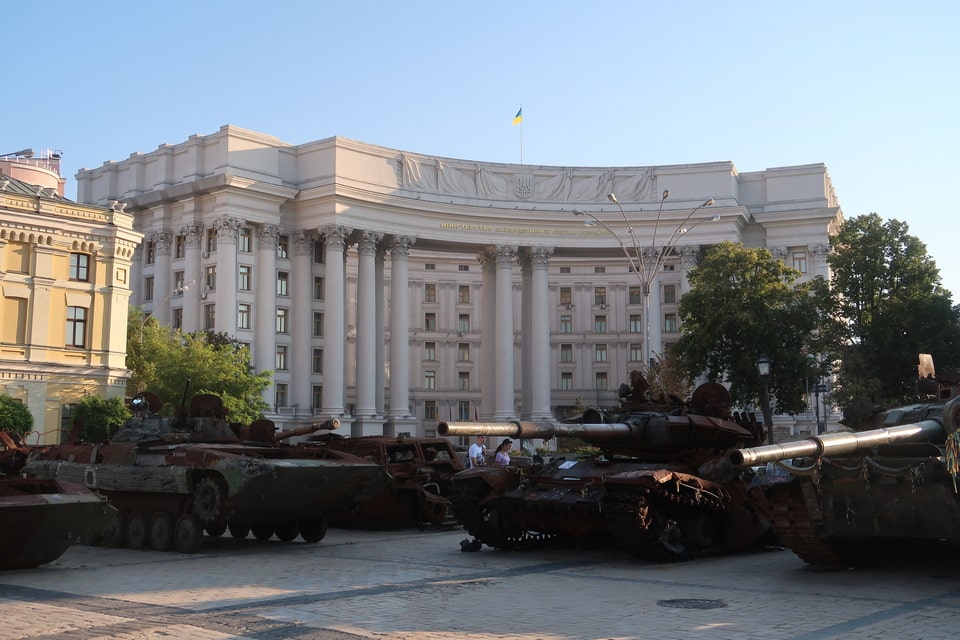
This building, facing the Maidan Square in the heart of Kyiv, was initially created as an educational facility. A boarding house for girls of noble origin, where etiquette and the art of hospitality were taught, was opened as far back as 1846. It was here that cheerful music was playing, and young ladies were dancing and receiving their education. The ‘Institute for Noble Girls’ operated here until the end of 1919, when it was seized by the communist invaders. Initially, the occupants turned it into a military commissariat, and several Soviet bodies accommodated the building until the summer of 1934, when it was seized by the NKVD. When Kyiv once again became the capital of Ukraine, the former ‘Institute for Noble Girls’ was turned into the NKVD headquarters for all Soviet Ukraine. Beyond numerous offices for the staff on the above-ground floors, the old underground premises were turned into detention wards, and interrogation and torture rooms for Ukrainian citizens.
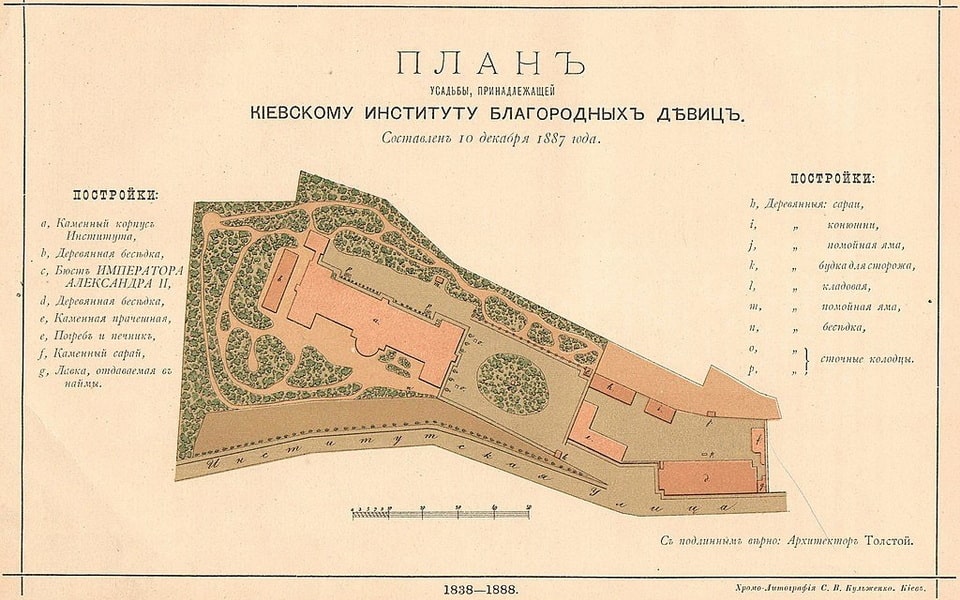
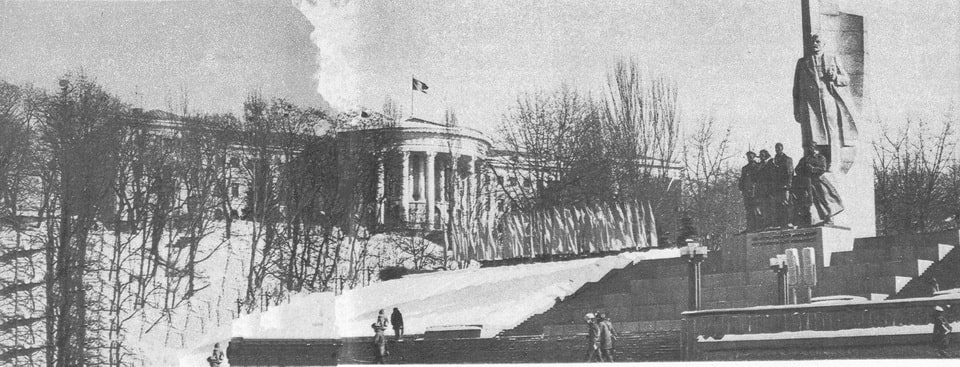
Starting from 1934, it was a routine to see mournful women, who were left outside in any weather with the food packages for their arrested husbands. Starting from the Autumn of 1936, the NKVD headquarters in the former ‘Institute for Noble Girls’ became a seat for the Military Collegium of the Supreme Court of the USSR, which used to hold its away session in the building. People who were recently brought here from other NKVD detention locations were sentenced to the death penalty and generally executed on the same evening. At nighttime, the bodies of the people killed were taken to mass graves, initially at the Lukyanivske cemetery, and from the summer of 1937 were taken to the cordoned spot of land ‘for special needs’ in the forest near Bykivnia outside Kyiv. While Lukyanivska prison was a place of execution for a wide range of population, particularly the alleged ‘kulak’ elements or Polish, the NKVD headquarters dealt with the intelligentsia and military men. It was in this building that, as a rule, servicemen of the Kyiv Military District, the top members of Soviet and party bodies in Ukraine, prominent scientists and statesmen, and employees of law enforcement agencies of the Ukrainian SSR were sentenced to terminal punishment.
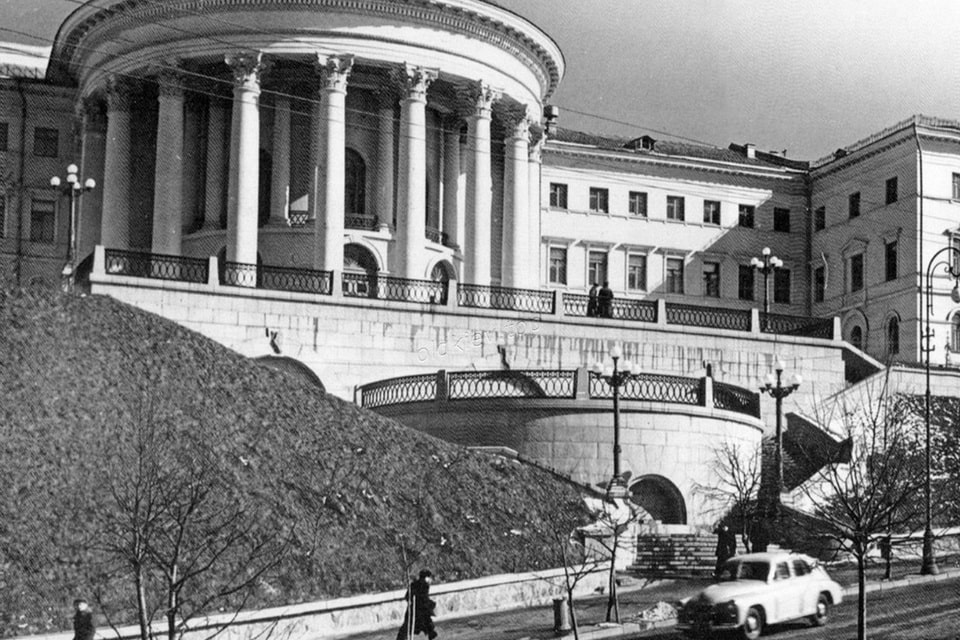
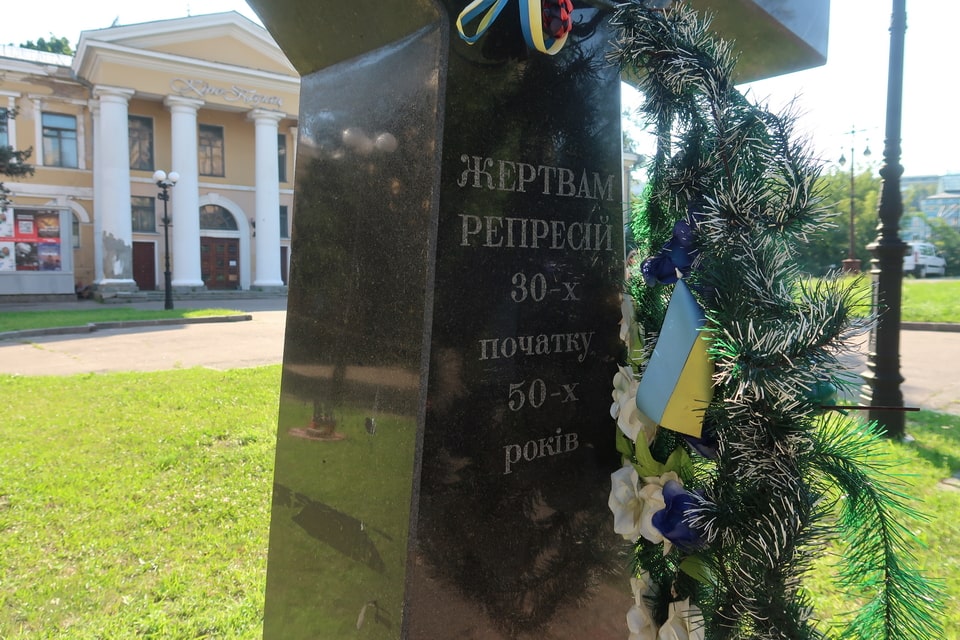
While it is generally accepted that up to 30,000 people lost their lives in this building, when it comes to documents and the 1937-1938 period in particular, the modern historian puts the figure at 2500 executed here in the basement, with 1333 names identified. Similar to many other localities, during the German occupation of Kyiv in 1941-1943, the former NKVD headquarters were accommodated by the ‘Sicherheitspolizei’ or ‘SiPO’ or ‘Secret Police’ in English, who used the underground wards for interrogation and executions as well. The building was badly damaged toward the end of WWII and reopened once again as late as 1957 with an added half-rotonda and granite stairs. Dance and music groups accommodated the former killing site, and the premises were declared the main stage of Ukraine. The building itself was renamed ‘October Palace’ as a propaganda reminder of the notorious Communist revolution. In the 1990s, Independent Ukraine erected a commemorative cross devoted to the victims of the Soviet repressions next to the Palace, which was once again renamed and became ‘International Centre of Culture and Arts’. During the ‘Revolution of Dignity’ in 2014, people used to hide in the building from the brute force of the pro-government militia.

THE NKVD PRISON ON VOLODYMYRSKA STREET
Sad to say, but the modern headquarters of the Security Service of Ukraine on Volodymyrska Street 33, formerly Korolenko, has its own dark history. The oldest part of the street dates back to the 10th century. The cornerstone of the building on Volodymyrska 33 was laid in 1913 as a seat for the Kyiv Provincial Land Administration. The outbreak of the First World War stagnated construction, and the initial pompous plan with a front side in a style of Ukrainian baroque was simplified with neo-renaissance features. For ten years between 1920 and 1930, the building accommodated the so-called ‘Palace of Labor’ and included offices of trade unions and employee organizations from the leather, textile, metal, etc. industries. Before 1934, the building was open to the public, but that summer, the Central Committee of the Communist Party of Ukraine moved to Korolenko 33 (the street was renamed in 1922 after a poet of Ukrainian origin). It became a seat for such Communist leaders as Stanislaw Kosior (1889-1939) and Pavel Postyshev (1887-1939).

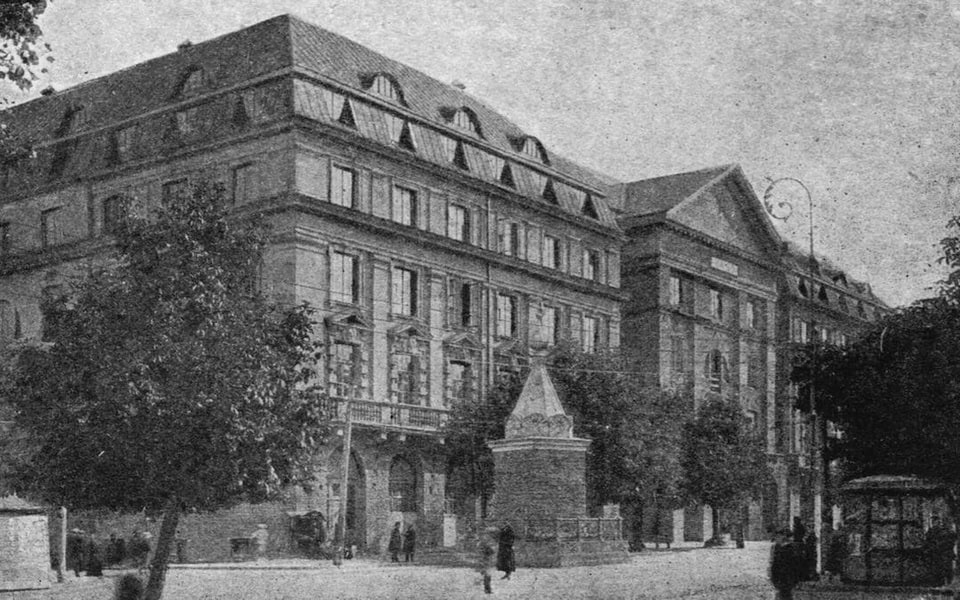
In the summer of 1937, the Central Committee left the building on Korolenko 33, and it was taken by the local NKVD and turned into an inner prison. The subsequent two years of terror led to the fact that many of the high functionaries of the Ukrainian Communist Party were later incarcerated in the building, which had previously served as their place of work. Many of those who occupied cozy rooms in the former building of the Central Committee later found themselves in the prison basements of this building, which was handed over to the state security authorities. Among the most prominent detainees were Marko Vasylenko (People’s Commissar of Finance, executed October 25, 1937, and buried in Bykivnia); Andrii Khvylia (Head of the Department of Arts at the Council of People’s Commissars of the Ukrainian SSR, executed February 10, 1938), as well as dozens of regional and city Commissars. The basement premises were used for interrogation and executions, and at night, the bodies of those killed were transported to a mass burial site near Bykivnia. In Contrast to Lukyanivska prison, the inner NKVD prison on Korolenko 33 would not deal with the Polish POWs in 1939-1940.
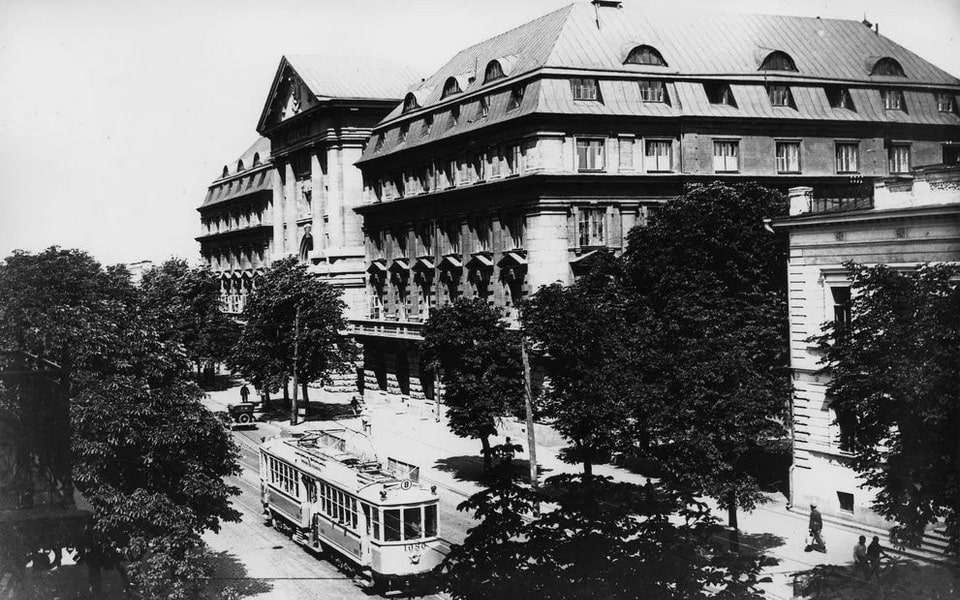

Similar to the ‘October Palace’, the Germans seized the former NKVD building, and it served as a Gestapo headquarters in Kyiv between September 1941 and November 1943, with new victims of Nazi terror. The well-known member of the anti-German underground movement in Kyiv, Tetiana Markus (1921-1943), was interrogated for five months in this building. A Ukrainian poetess, Olena Teliha (1906-1942), and her husband were held and tortured on Korolenko 33. Both women were executed and buried in the Babi Yar ravine. After WW2, the infamous NKVD remained the main vindicatory and suppressive organ in the Soviet Union and just changed its name until 1991 and the fall of the Communist failed system. Thus, for five decades between 1943 and 1991, the building at Volodymyrska 33 (renamed in 1944) was the seat of the NKVD successors. Among the well-known prisoners in the later periods was iconic Ukrainian poet and dissident Vasyl Stus (1938-1985). Since 1991, the building has been used by the Security Service of Ukraine.


THE KYIV REGIONAL OFFICE OF THE NKVD
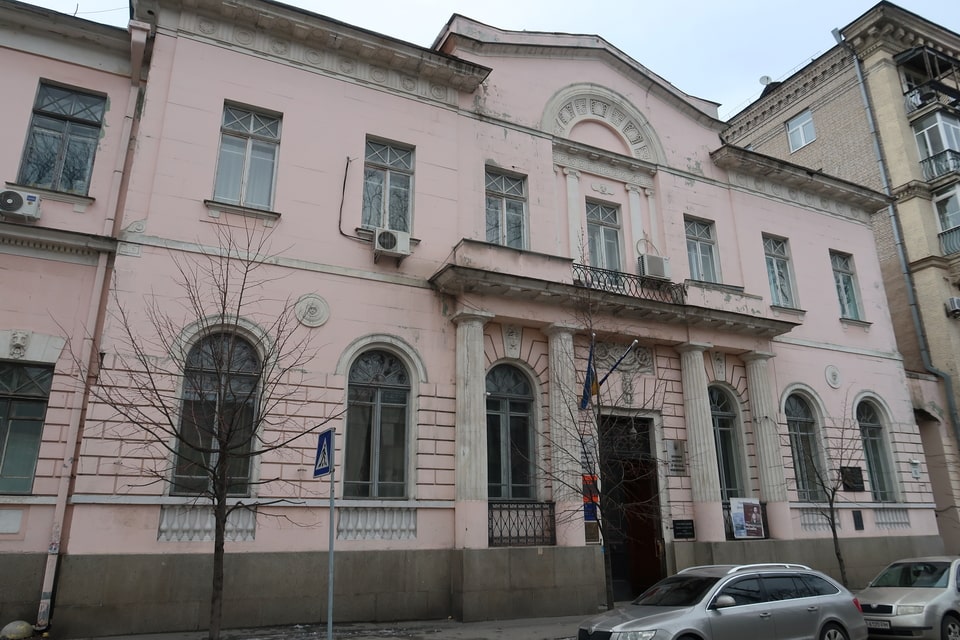
It is important not to confuse several different locations mentioned before. While the so-called ‘October Palace’ accommodated the headquarters of the NKVD of the whole Ukrainian Soviet Republic, the building on Volodymyrska 33 was one of the inner prisons. The third location where people were executed in mass during the Red Terror was also located in the center of Kyiv. A magnificent building at modern Lypska 16 (between 1919 and 1993 the street was named after Rosa Luxemburg) was built in 1912-1914 by order of Countess Nataliia Uvarova (1890-1987), daughter of the famous sugar factory and philanthropist. The mansion was sold at the beginning of 1917, and in 1918, the estate was requisitioned by the Germans and accommodated for some time the commander of the German forces in Ukraine, Hermann von Eichhorn (1848-1918), who was killed near the HQ. The mansion was used by the local punitive organs since the Communist occupation, and in 1934, the Kyiv region NKVD office was set in the former mansion of Countess Uvarova.
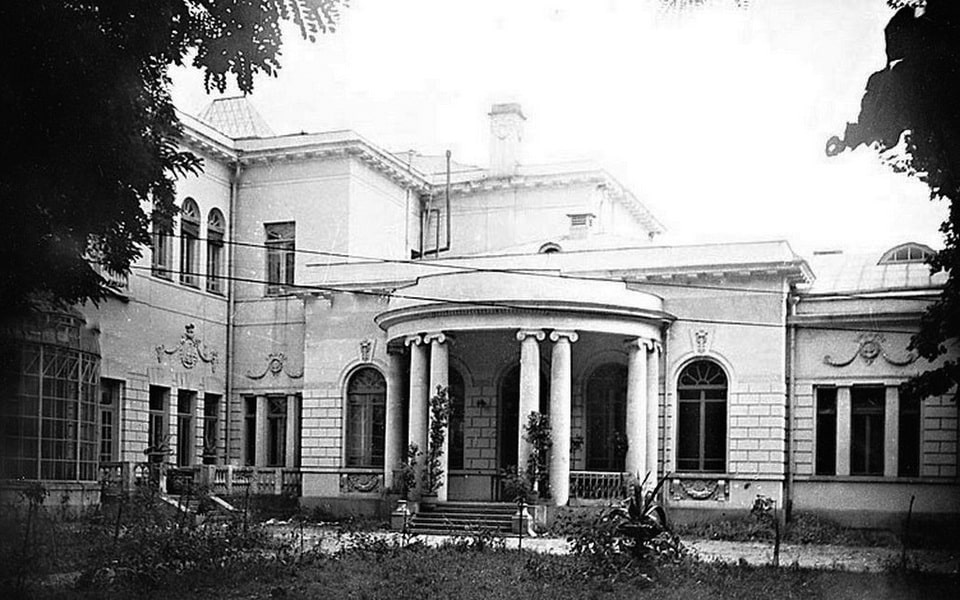
In the 1930s, the administrative and management apparatus of Kyiv NKVD was located here on Rosa Luxemburg 16, as well as the investigative department, which set up criminal cases of various categories of ‘enemies of the state’: actually innocent victims of Stalin’s terror who lived in the Kyiv region. The basement of the mansion was turned into cells for the detainees, where they were mercilessly interrogated, humiliated, and executed. In July 1937, this building became one of the key killing sites for the victims of terror and remained as such until November 1938. In 1987, the estate was transferred to the ‘Ukrainian Culture Foundation’, which has been accommodating it since then. It is important to note that nowadays the building serves as a set for the ‘Ukrainian Institute of National Remembrance’ as well as a home for the administrative body for the ‘Bykivnia Graves National Memorial Complex’.
UNMARKED PITS IN THE FOREST: BYKIVNIA GRAVES
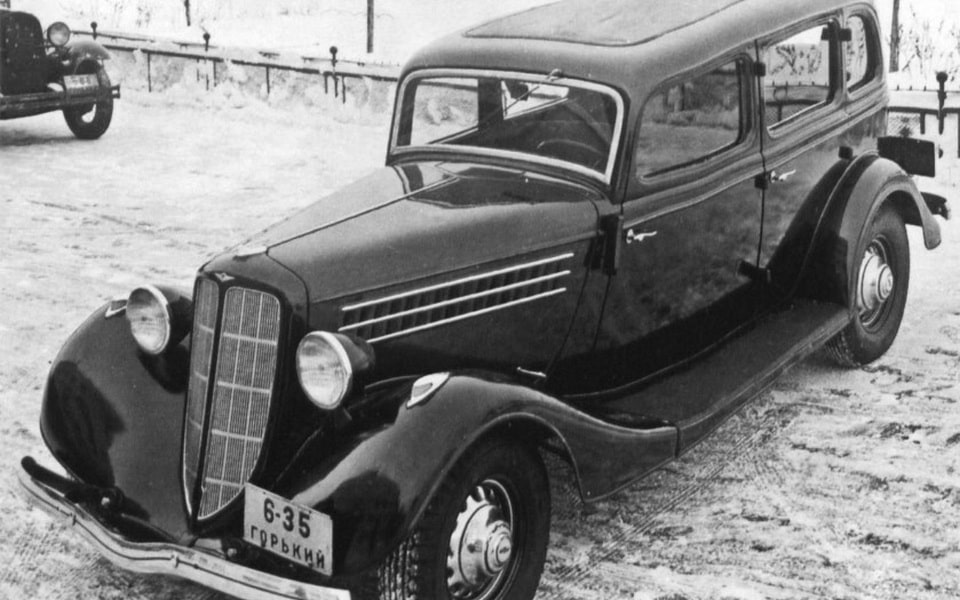
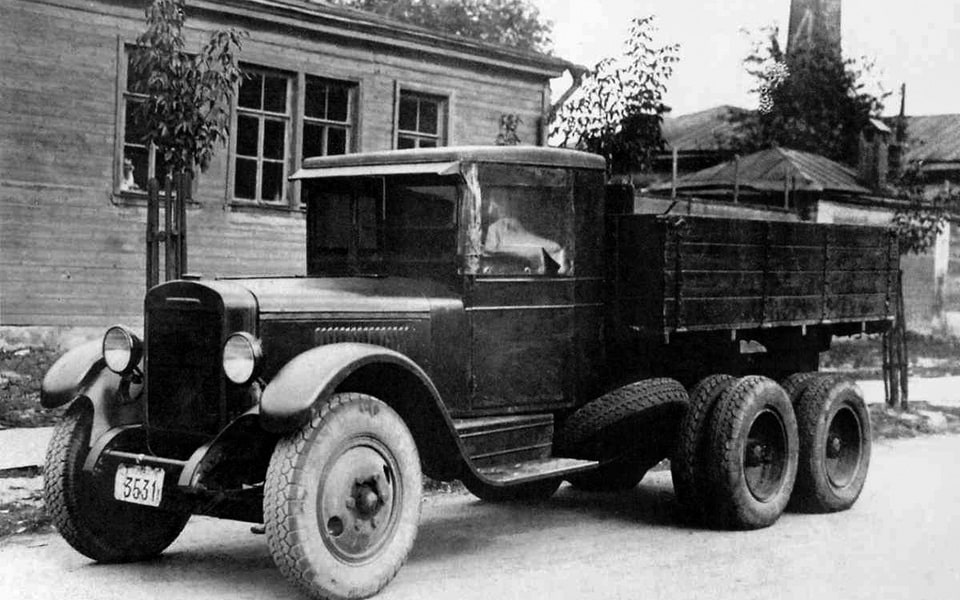
When it came to transporting the bodies of those executed in the NKVD prisons to the Bykivnia forest, the Communist hangmen stuck to the same procedure. Whatever the location was, the executions were generally performed in late hours between 10 a.m. and 2. a.m. After the killing, the bodies were taken outside the NKVD facility and whipped into the infamous SIZ-5 lorry, which was conventionally used by the NKVD not only in Kyiv but in all regions of the Soviet Union for the transportation of the bodies of its victims. The bottom of the lorry was covered with dark canvas to keep blood from flowing through the cracks, and another canvas was then put over to cover the obscure cargo. The hangmen used a pair of pincers to perform embankment efficiently. The convoy usually consisted of a few NKVD cars that accompanied the lorries on the way to Bykivnia. They used the only gate into the cordoned area where pits were dug in advance. The bodies were thrown into the pits and then covered with lime and soil. The convoy staff then used the water from a nearby pond in the forest to clean up the canvases and the lorry itself.
While the NKVD meticulously concealed the truth about the nature of the area, it was not completely unknown to the locals. For example, decades later, a local tram driver recalled the lorries with canvases at night turning off the road into the forest and passengers (evidently the guards), who used to ask for an additional stop here near the ‘pioneer camp,’ which was another euphemism in the Soviet time regarding secret objects in the woods throughout the country. Along with that, the locals witnessed no weapons on the way in or out of the supposed ‘artillery warehouse’ and found personal belongings as well as spots of blood on the road leading to the cordoned area near Bykivnia. It took some witnesses fifty years until the late 1980s to be able to tell the truth to the world. When it comes to the NKVD staff, a few of them felt remorse about massacring people in mass, particularly because of the inner propaganda. According to it, the hangmen were told that the Soviet people, the party, and the NKVD were a united body. They are entrusted to defend the country from both foreign and internal enemies, and this ‘work’ is important and dangerous; performing such tasks (such as killing people in the basements of prisons and burying them in Bykivnia on a production scale) means ‘personal’ trust of the people.
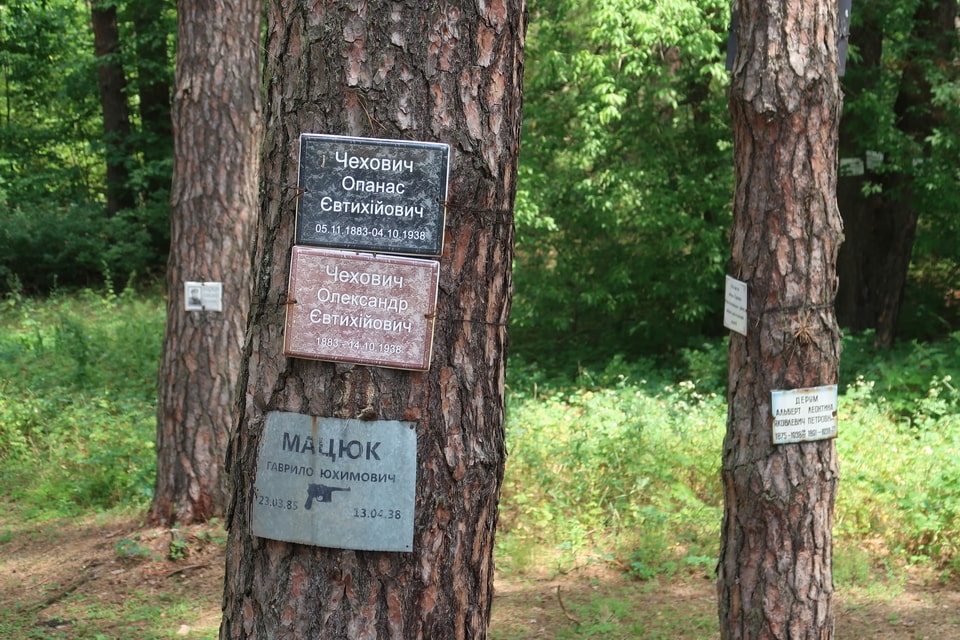
As was stated above, Bykivnia became the last resting place of people with different social backgrounds: VIP and minor party members, former or current peasants, political exiles, former POWs, librarians and iron workers, writers and craftsmen, officers and soldiers, men and women, tall and short, skinny or well fleshed, Ukrainians and Poles, Jews and Christians. Average people were arrested and executed according to lists to speed up the process. In 1937, the percentage of those condemned to death by ‘NKVD dvoikas or troikas’ (a pair or three judges) in Kyiv was the highest in Ukraine: 44.9% compared to 35% in Kharkiv, 35.3% in Poltava, or 33.10% in Chernihiv. One recent research examined a list of 644 victims of Bykivnia according to their national identity: 49.4% (318) were Ukrainians, 21.3% (137) Russians, 19.9% (128) Jews, Belorussians 3.3% (21), Polish 2.6% (17), and 3.6% other nationalities. The list of courses does not represent all victims but is worth mentioning, especially stating that 414 of 644, or 64.3%, were candidates or party members.
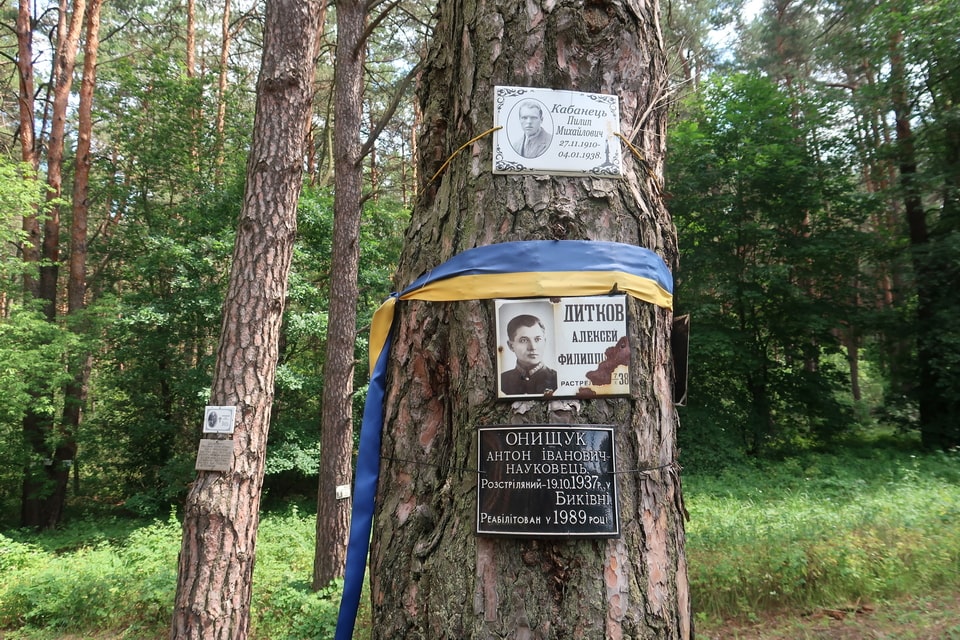
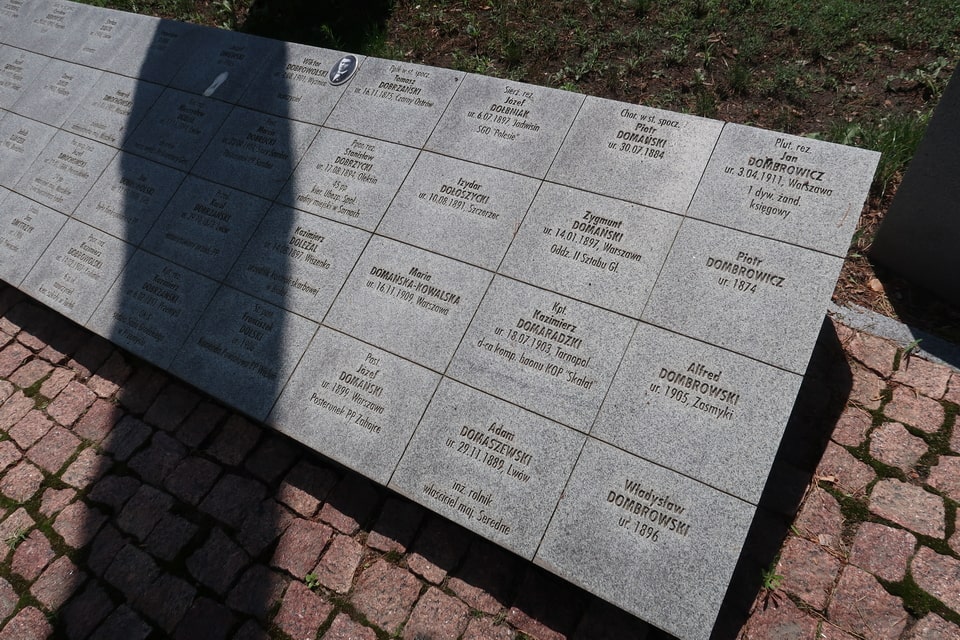
The most ‘intensive’ action of killing people in Ukraine lasted from August 5, 1937, until September 17, 1938. May 19, 1938, witnessed the highest death toll on a single day: 563 people were condemned to death and executed in the NKVD prisons in Kyiv and buried in Bykivnia. The declassified documents allow researchers to reveal that at least 19 727 people were documented to be killed in Kyiv from August 1937 until December 1938, out of 123 000 victims of the Great Terror in Ukraine. Thus, every six victims were from the Kyiv region, or around 3% of the total death toll in the USSR. At least 2563 people were buried in Bykivnia in the next three years until September 1941: those whose deaths can be verified with documents, and historians estimate around 5000 victims between 1939 and 1941. Among those late victims were soldiers and civilians who tried to break out of the besieged Kyiv in August-Sepember 1941. At present, at least 18 500 victims of Bykivnia have been identified, and the total number of those buried here between 1937 and 1941 is estimated as 25 000 – 30 000, among them 3000 – 3500 foreign citizens of thirty nationalities, mainly Polish and German, and 1199 NKVD own staff. Bykivnia is the largest mass grave of the Soviet regime in Ukraine and one of the three largest in the former Soviet Union.
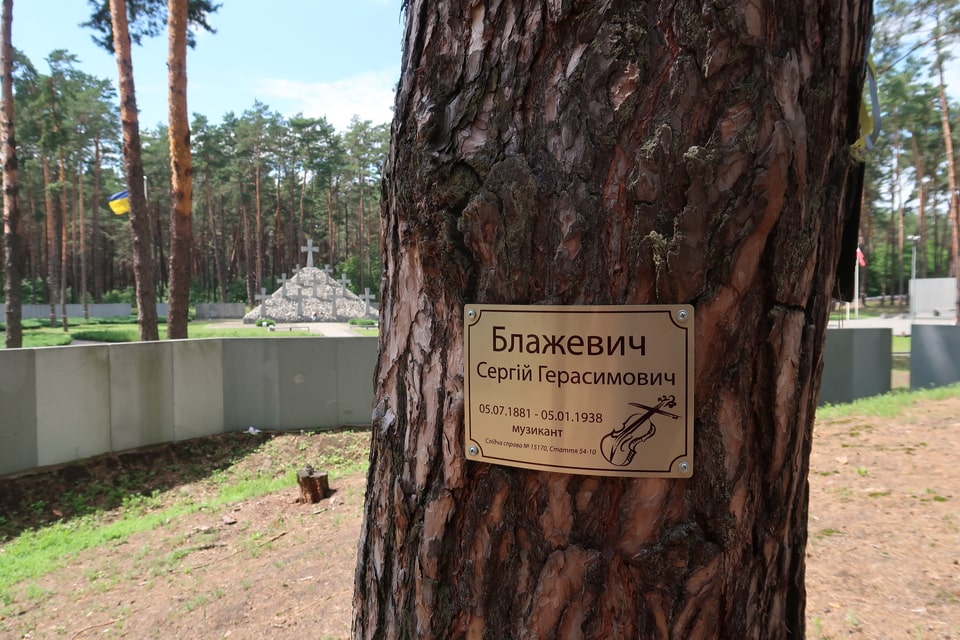
ANNIHILATION OF THE POLISH OFFICERS: The Katyn Massacre and the Ukrainian List
111 091 executed and tens of thousands arrested and deported in the course of the so-called ‘Anti-Polish’ operation in 1937-1938 were not to become the last Polish victims of Stalin’s era. In August 1939, the Soviet regime betrayed Poland by signing the infamous ‘Molotov-Ribbentrop’ pact with the Nazi regime, particularly the secret protocol which determined the annihilation of the Polish state, unbearable for both dictators: Stalin and Hitler. German operation ‘Fall Weiss’ unleashed the invasion from the West, while on September 17, the Soviet army cowardly attacked from the East. By October 1939, Stalin’s hordes occupied 200,000 km2 with a population of around 13 million people. Apart from absorbing large ethnically alien territories, the occupants had to deal with a large number of Polish prisoners of War. While the Soviet wartime sources and claims were unreliable, there is a consensus that between 230,000 and 240,000 Polish soldiers and officers fell into Soviet captivity. More than two-thirds of these figures were reservists called to defend their country disconnected from their civil life, among them thousands of representatives of the intelligentsia: university professors, doctors, musicians, scientists, poets, and politicians. Such a removal felt like a beheading of the defeated nation.
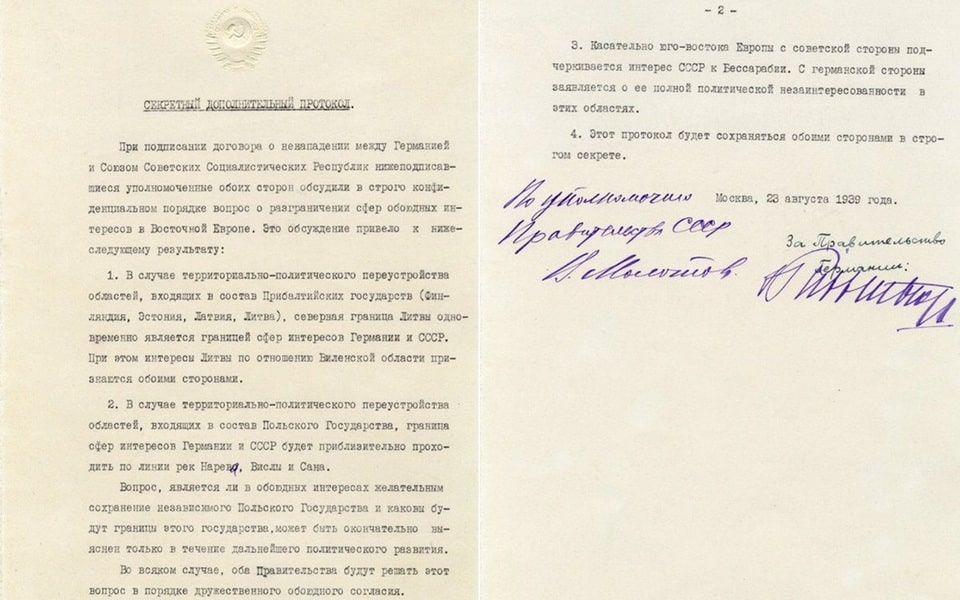
As early as September 19, 1939, Lavrenty Beria, the notorious NKVD head and an analog to Heinrich Himmler, issued the establishment of the so-called ‘Administration for Prisoner of War Affairs’. The Soviet NKVD lost no time in dealing with the prisoners as they were technically the only organ in the country with enormous experience of filtration and ‘dealing with the enemies’. While in 1937-1938 the alleged enemies were to be revealed and unmasked, Polish POWs fell at the mercy of the invaders. Mercy was definitely not the word Stalin’s regime was known for. While initially 125,000 Polish soldiers and officers were sent to temporary NKVD camps, by mid-November, many of them were taken back to either military camps or released, leaving 39,600, mainly officers, in the NKVD captivity. Apart from that, Nazi Germany and Stalin’s Russia conducted an exchange of POWs: 42 492 were sent to West Poland, while Germany gave 13 757 POWs, mainly ethnic Ukrainians and Belarusians. Above all, Beria wasted no time in using the Polish prisoners as forced labor. Around 25,000 soldiers were sent to build roads and work in the quarries and mines in extremely poor working and living conditions. NKVD received the money from the Ferrous Metallurgy Industry for each worker.
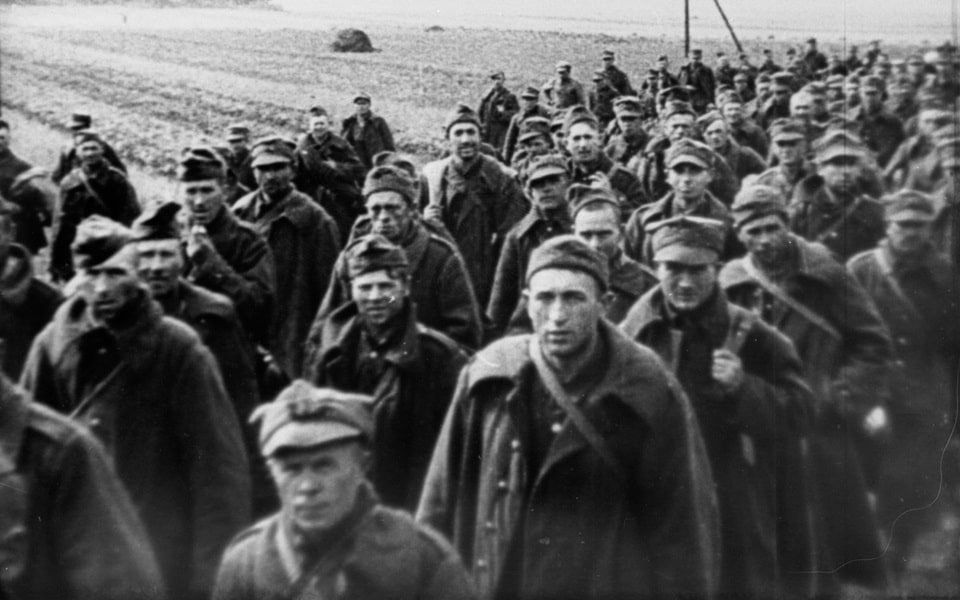
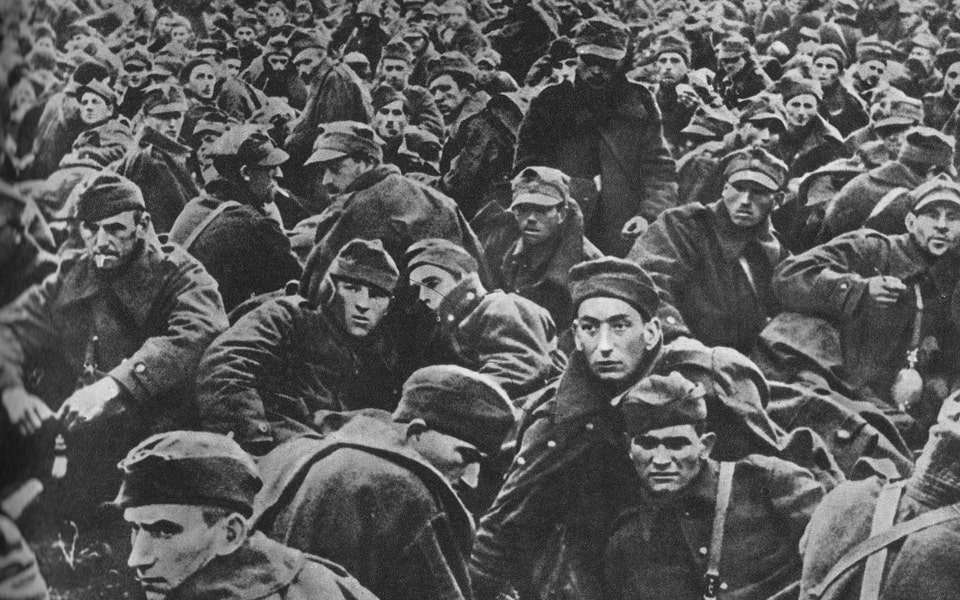
The fate of the Polish officers in the Soviet captivity was determined on March 5, 1940, when Lavrenty Beria sent his infamous memorandum №00794/B to dictator Joseph Stalin, which included a proposal to execute 14 736 men in the NKVD camps and another 10 685 in the prisons in West Ukraine and Belarus. The first category of officers (14,736) was mainly Polish (97%) and included 295 generals, colonels, and lieutenant colonels, 2080 majors and captains, and 6049 lieutenants. When dealing with the detainees from prisons, Beria condemned 10 685 out of 18 632 because of their Polish origin. Stalin wasted no time, and the notorious Soviet Central Committee sent back their decision (with the signature of Stalin, Molotov, Voroshilov, Mikoyan, Kalinin, and Kaganovich) the same day, March 5, condemning 21 857 Polish prisoners to execution: 14 587 from three special NKVD detention camps and 6000 among prisoners in the camps, roughly 3000 from Belarus and 3000 from Western Ukraine. A few exceptions were made for people with foreign protection documents, Soviet agents, and POWs of ethnic German origin to please the situational ally. Decades later, Beria’s son Sergo (1924-2000) claimed that his father had considered that those Poles may have been useful in the future, but it seems unrealistic due to his zealous initiative.
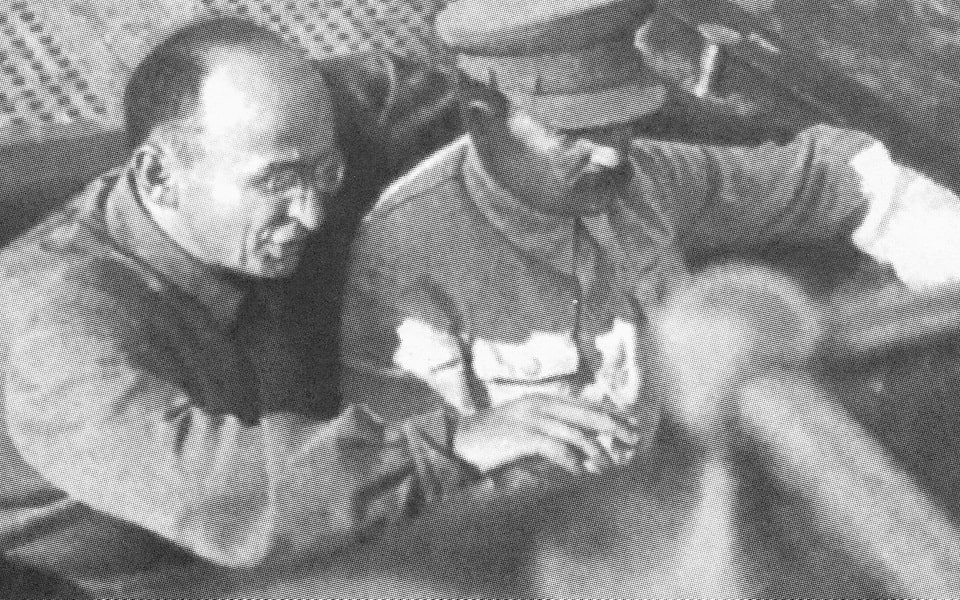
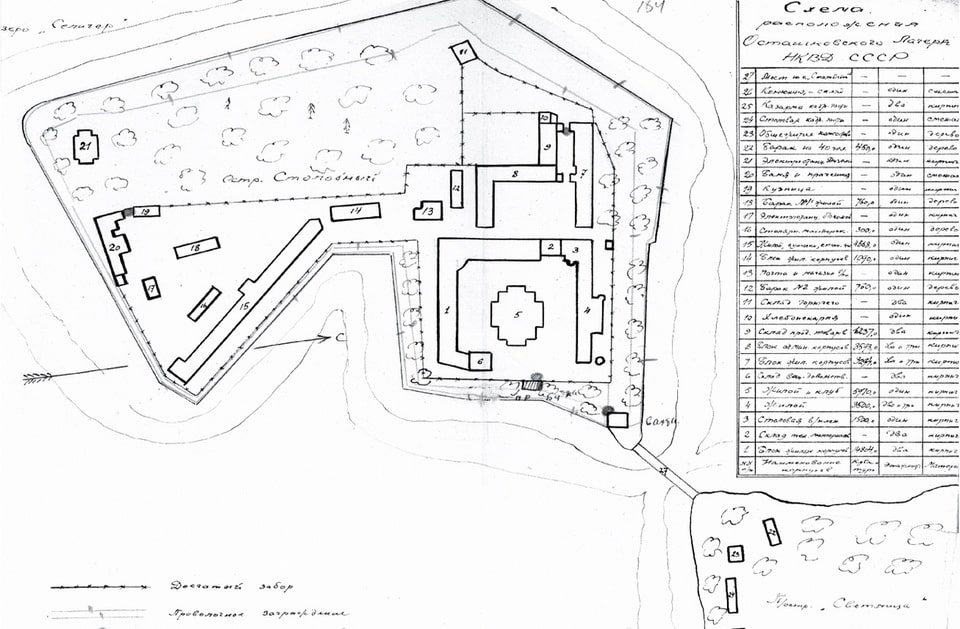
14 736 Polish prisoners from the first list were detained in three special NKVD camps: Kozelsk, 300 km from Moscow, Ostashkov, and Starobilsk in Eastern Ukraine. Starting from the Autumn of 1939, these three centers were a kind of NKVD laboratory for observing the behavior of Polish prisoners of War, many of whom were the representatives of the intelligentsia. They were mainly held in poor living conditions with no winter clothing, and in fact, any other clothing except for the uniform in which they had been captured, still with white Polish eagles. Many of these men thought that they would be either released or used in labor assignments in the Soviet Union. Unfortunately for them, they had no idea of the scale of the ‘anti-Polish’ operations of the NKVD and mass executions back in 1937-1938, and the nature of the system they were dependent on. Only a small percentage of the Polish officers expressed readiness to cooperate with their hangmen against the Polish state and their comrades, and even they treated the Soviet system as ridiculous. People of two nations who once were in the same Empire were now so distanced from each other that one could not have imagined that they would be killed without legal procedure by the others.
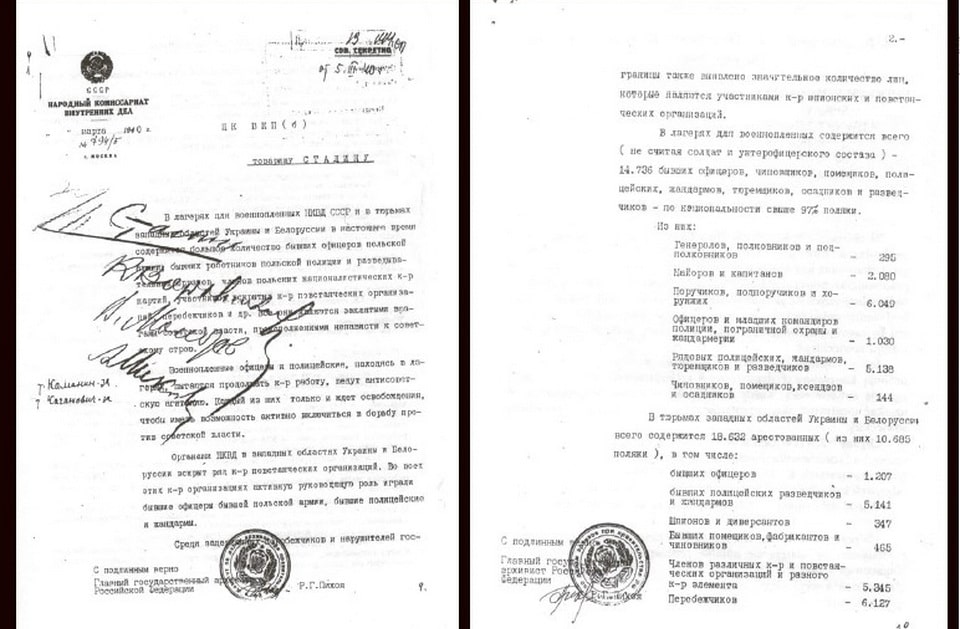
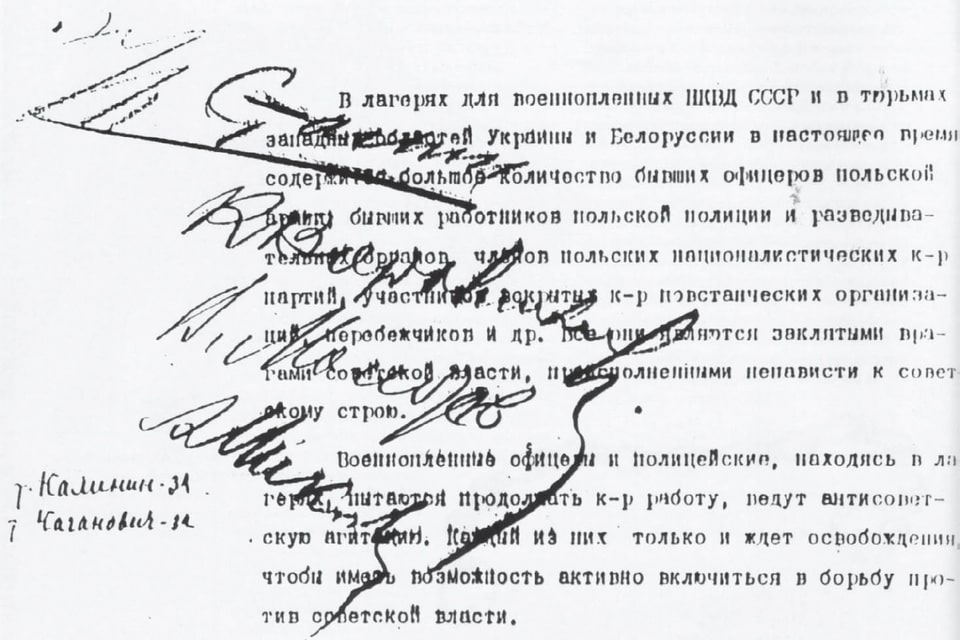
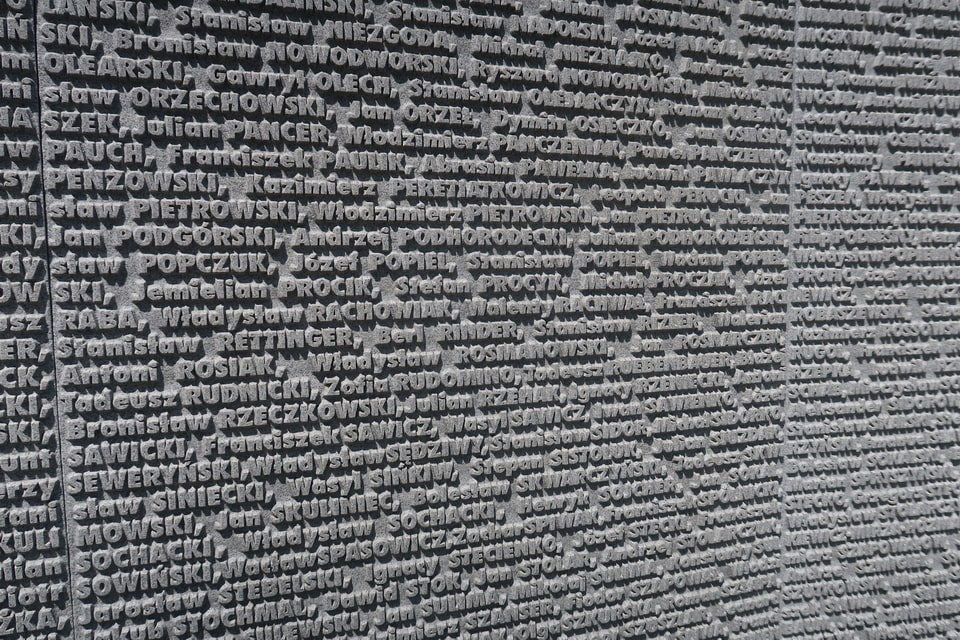
Following Beria’s letter and Stalin’s approval, the prisoners were to be sent from the temporary camps, where they had been held since Autumn, to the killing sites in other locations.
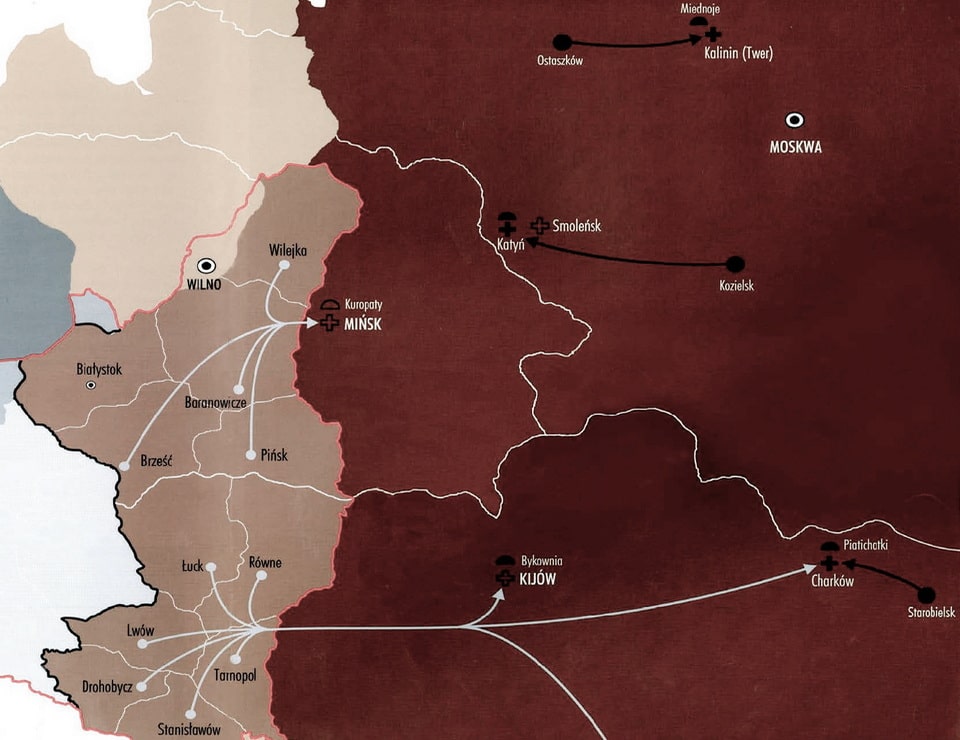
4410 Polish POWs were sent from the Kozelsk camp Westwards to the Smolensk region at a distance of 270 kilometers to Katyn, a village 20 km from the large city of Smolensk. After the arrival, still mainly unsuspecting soldiers were temporarily put into a building, searched for valuables, and later shot one by one and buried in the nearby forest in unmarked graves. Among the Polish executed here were two generals and twenty-four colonels, along with thousands of officers. Those mass graves would be revealed by the Germans in the Spring of 1943 and widely publicized. The lying, murderous Soviet regime blamed the others for their crimes until 1990, when the truth was finally declassified and made public.
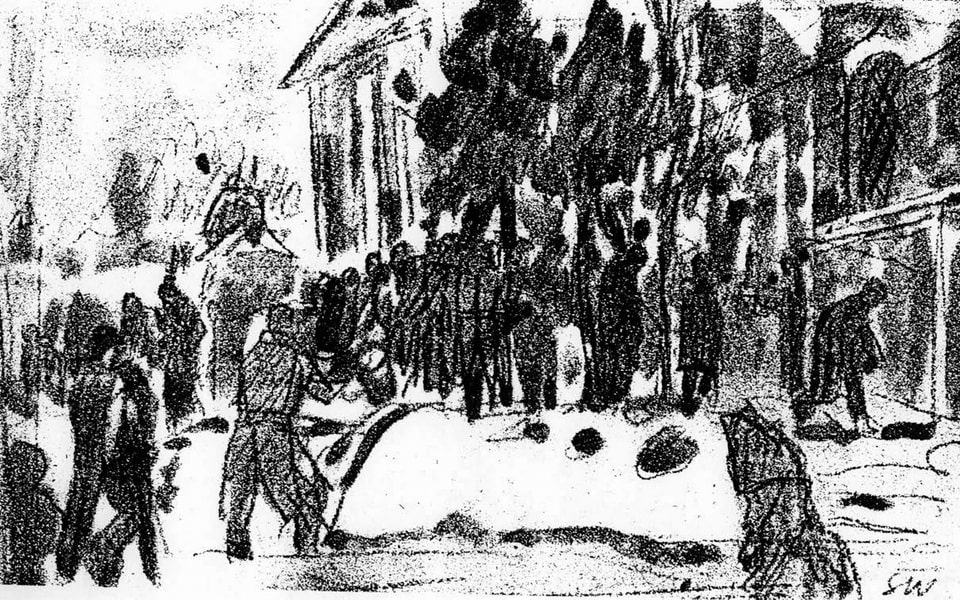
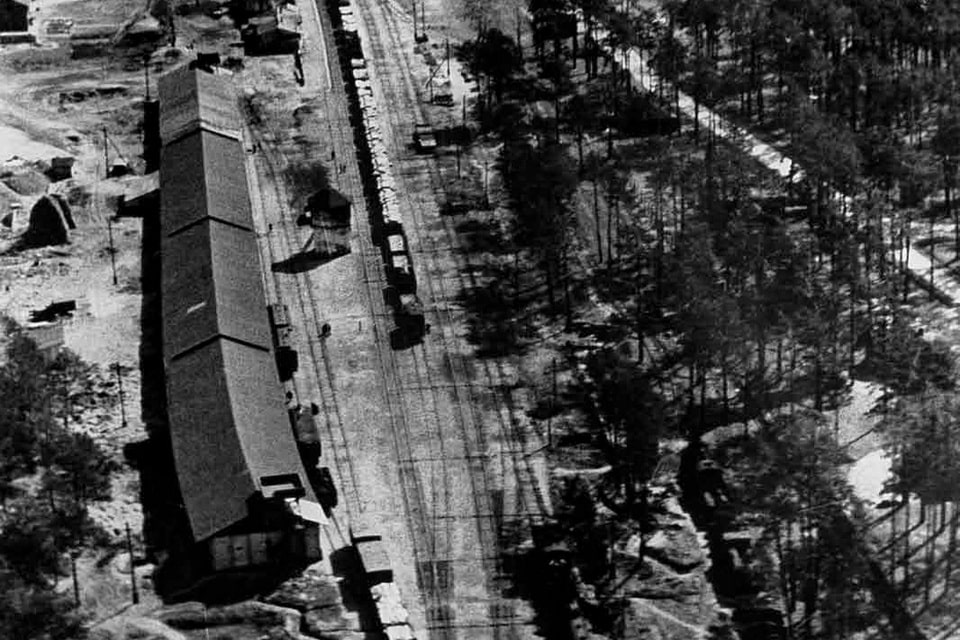
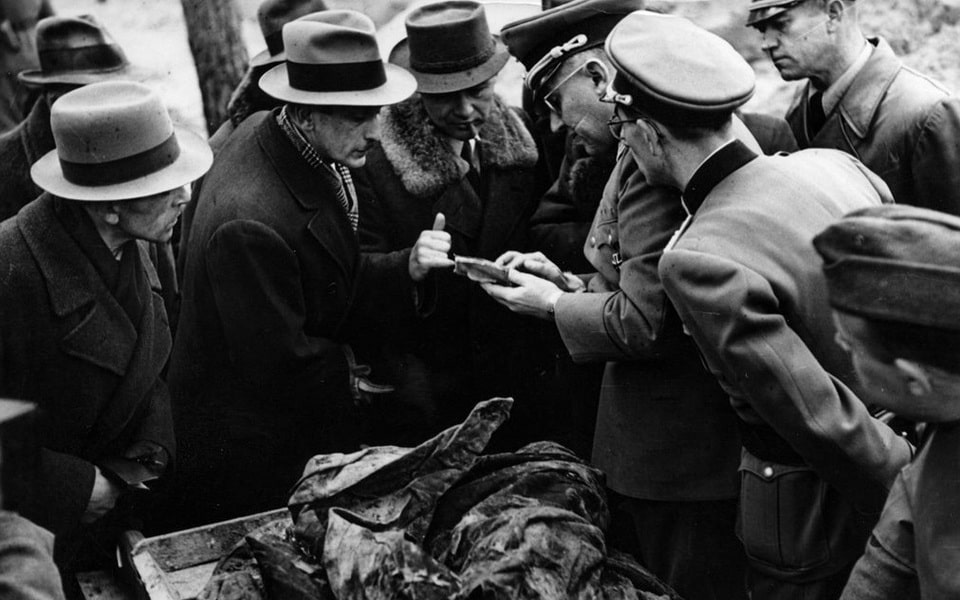
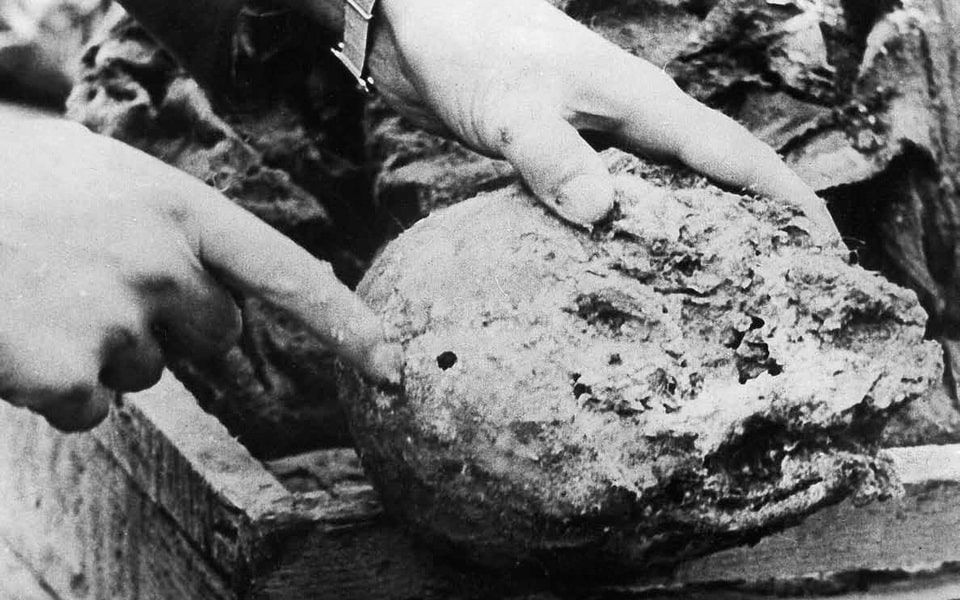

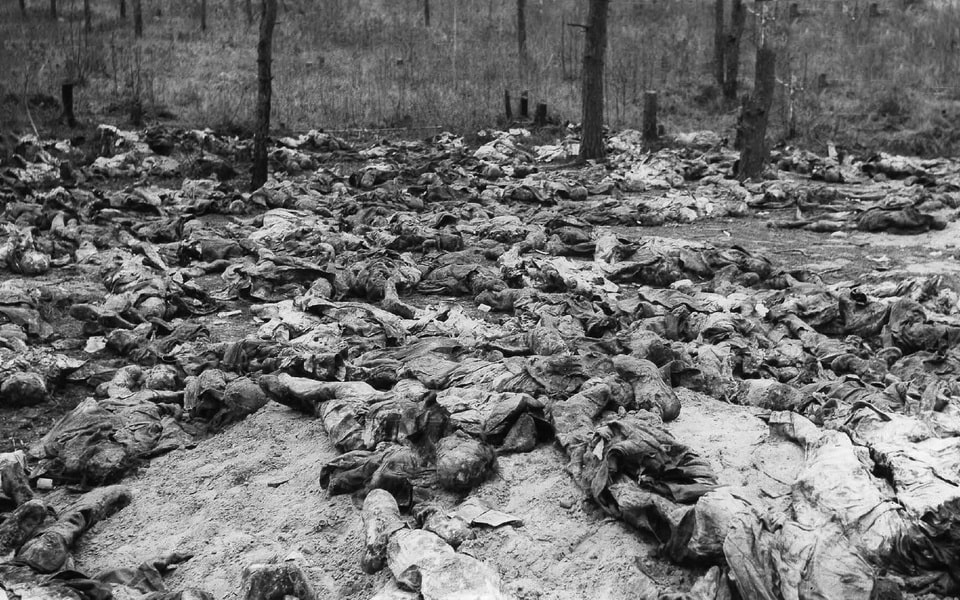
3,739 Polish prisoners (98% Polish, 2% Jews), mainly officers, were taken from the NKVD camp set in the old convent in Starobilsk (modern Luhansk oblast in Ukraine) and were sent by rail to Kharkiv. They were taken, up to two hundred at a time, to the premises of a local NKVD prison, and executed in a room with no windows. Then the bodies were transported by trucks to a forest area to the North of the city (10 km from the center of Kharkiv) and buried. After WWII, Soviet authorities designated the area for recreational activities, and in the 1980s, the local KGB, a successor of NKVD, built its resort in the area of a 1940 mass killing site, placing a park with alleys above the graves. The truth was revealed in independent Ukraine in 1991 with the excavation and investigation of Soviet crimes. The excavations were expanded in 1995-1996, which finally allowed the discovery of seventy-five mass graves. Among them, fifteen contained the remains of Polish officers: 4 302 in total (including one woman), which meant that apart from 3,739 brought in April-May 1940, additional Polish victims were buried here. The other sixty graves included the remains of 2 098 Soviet civilians, mainly men.
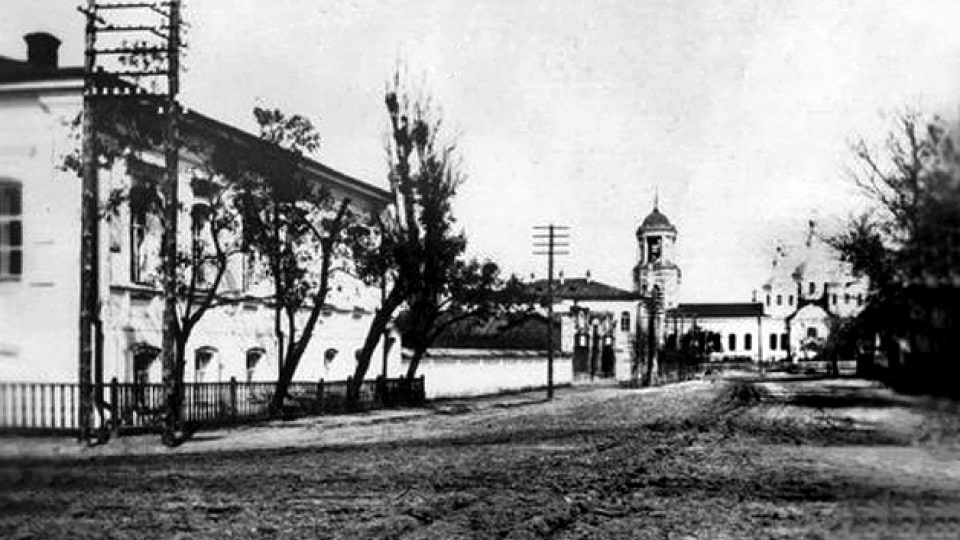
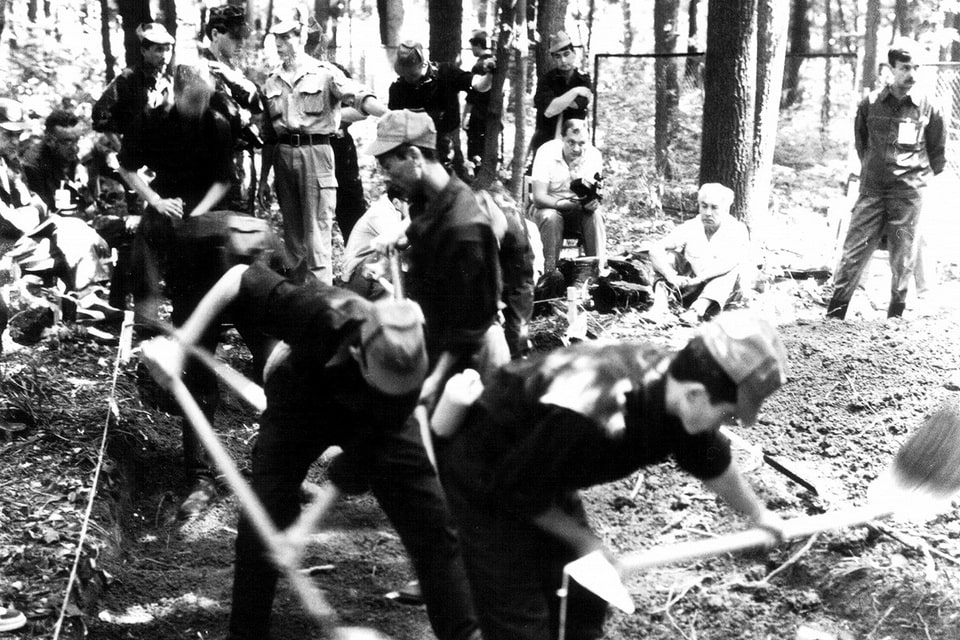
6 314 prisoners were taken from the Ostashkov camp for POWs to the city of Kalinin (modern Tver). Groups of up to five hundred Poles were brought to a local NKVD prison, deprived of valuables, and executed in a soundproof room, shot in the back of their heads while handcuffed. While Katyn and Kharkiv became the last resting places of the army officers mainly, here the victims were mainly police gendarmes and prison wardens. With more than 6000 people killed, the village called Mednoye became the largest burial site for Polish victims of Stalin’s terror. The mass graves will not be revealed until 1991.
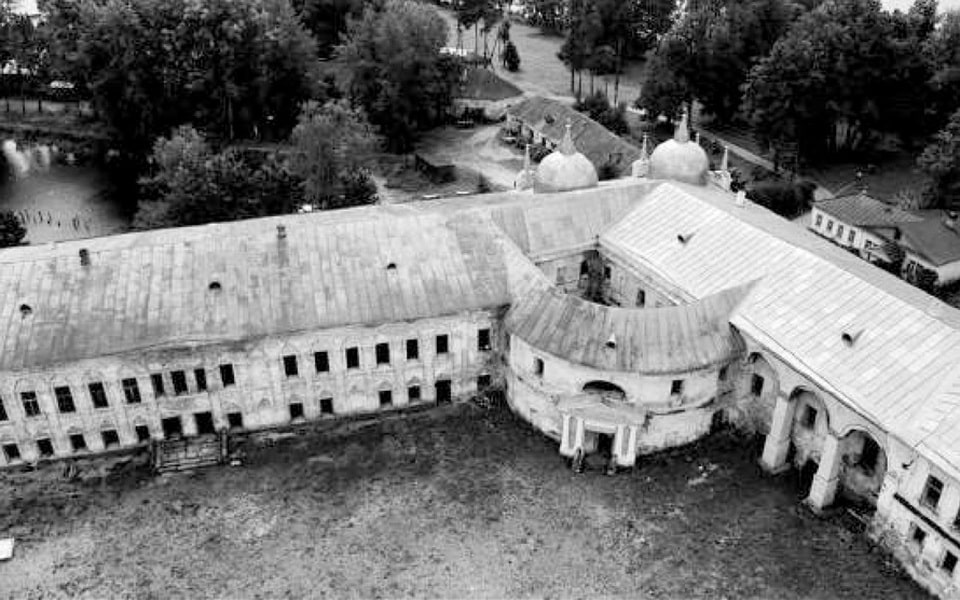
POLISH POWs FROM WESTERN UKRAINE AND BELARUS: 3,435 Victims of the Katyn Crime
While initially, Lavrentiy Beria proposed to execute 10 685 Polish prisoners held in the prisons in Belarus and Western Ukraine (territories seized in September 1939), the final figure of targeted victims was set as 6000. As early as March 22, 1940, Beria issued a document with another euphemistic naming: ‘On the evacuation of the NKVD prisons in the Western regions of the USSR and BSSR’, thus prescribing concentration of prisoners in a few main locations for concealment. From Belarus prisons to the Minsk area, and from Western Ukraine to Kyiv, Kharkiv, and Kherson. The Polish prisoners who were brought to Minsk would be executed and buried in the notorious Kuropaty, a major killing site in Belarus since 1937, with a death toll of at least 30,000 innocent people. The area was revealed as late as 1988 as a giant burial site of about thirty square hectares with five hundred mass graves, and despite numerous excavations in later decades, the Belarusian government still did not declassify the wartime documents.
The documents revealed by modern Ukrainian historians give us the figure of 3,435 people of Polish origin executed in Ukraine in the spring of 1940, the greatest proportion of them in Bykivnia outside Kyiv. The geography and numbers of those victims brought to Kyiv, Kherson, and Kharkiv included: 900 prisoners from Lviv, another 500 from Rivne, 500 from the Volhynia area, 500 from Ternopil, 400 from Stanislawow (modern Ivano-Frankivsk), and the remaining 200 from Drogobycz: around 3000 in total. 1057 of them were mentioned in the document on December 10, 1939, as former Polish officers. In the same period, around 3000 Soviet prisoners held in Kyiv, Kharkiv, and Kherson were to be removed to the GULAG to make space for the Polish detainees. In total, up to 8,000 people were transported from prisoners in Belarus and Ukraine to the Eastern regions of the Soviet Union in this period to make space for the Polish prisoners designated for execution. The killing operation in Kyiv started in late March 1940 and was probably conducted until April 5.
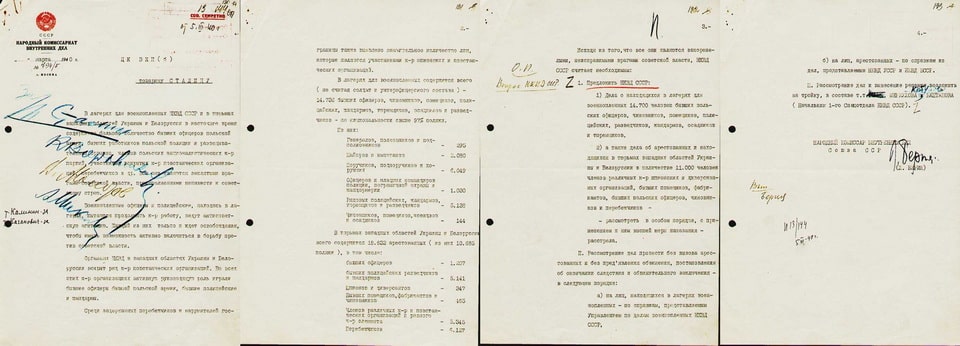
While the total death toll of three camps (Kozelsnk, Ostashkov, Starobilsk) is 14 463 (or 14 552 according to the preserved 1959 report), 7305 people were killed among the detainees of the prisons in Western Ukraine and Belarus. Among them, around 6000 were already in custody (of the total 18 632 mentioned by Beria on March 5), and another 1300 were arrested through April 1940. Summing up, among 7305, 3435 were executed and buried in Ukraine (Kyiv, Kharkiv, Kherson. Among them, 2600-2700 were buried in Bykivnia, and 3970 in Minsk. Summing up the total death toll of the killing of Polish officers by Stalin’s regime, the established and well-documented figure is 21 856 (21 892 is another cited figure): 14 552 from three camps and 7305 from prisons, 8% of them were Jews. When it comes to people of Polish origin, who were included in Beria’s estimation of 10 685 and not included in the 7305 people executed, they were evidently sent to the Gulag, or other detention facilities, or shot unidentified. The grand operation of annihilation of Polish POWs continued until mid-May 1940.
Polish defenders of their country were not the only victims of Stalin’s murderous regime in the Spring of 1940, since in Beria and Stalin’s minds, the families of those executed were to be repressed as well. This operation was mainly conducted in Western Ukraine and Belarus, particularly on the territories seized in 1939. Starting from April 13, 60 667 women, children, and the elderly were evicted from their homes or places of temporary living or detention and sent to the Eastern region of the country, mainly to Kazakhstan, where they joined hundreds of thousands of families dumped there in the 1930s. Among those deported in April-May 1940 were the families of the Polish officers executed, as well as those detained in Soviet prisons. At the time when men were buried in Katyn, Kalinin (Tver), Kharkiv, Kyiv, Kherson, and Kuropaty, women and children were exposed to existence in barren soil thousands of kilometers from their graves. They did not have adequate clothing or had to exchange it for food upon arrival, and it was a little change to bring up children as Poles in an alien enemy country.

THE NAZI DISCOVERY OF BYKIVNIA MASS GRAVES, 1941: First Excavations
While it was Katyn that became a model for Soviet lies to the world about their atrocities, the mass burials in Bykivnia near Kyiv were, in fact, the first ones opened to the world as early as 1941. The advancing German troops revealed thousands of executed detainees in the prisons of Western Ukraine in late June 1941 after the NKVD, in a rush, killed at least 24 000 inmates in Lviv, Rivne, Ternopil, Ivano-Frankivsk, and Lutsk. It took Hitler’s army three months to reach and seize Kyiv, which fell on September 19, 1941. In just two days, the Germans found out about the special area in Bykivnia and ordered local villages to dig the fresh, loose soil. As was stated above, the NKVD killed and buried some civilians who had tried to break out of the encirclement of Kyiv. The exhumation revealed not yet decomposed bodies of Kyivans, including even breastfed children, in the upper layer and other older remains below. As the digging proceeded, people from Kyiv started to come to the place to try to find their relatives, who had been missing since 1937. Unfortunately, some scavengers used to come to the mass burial site in search of valuables, for example, watches, which were of great value in an occupied city.
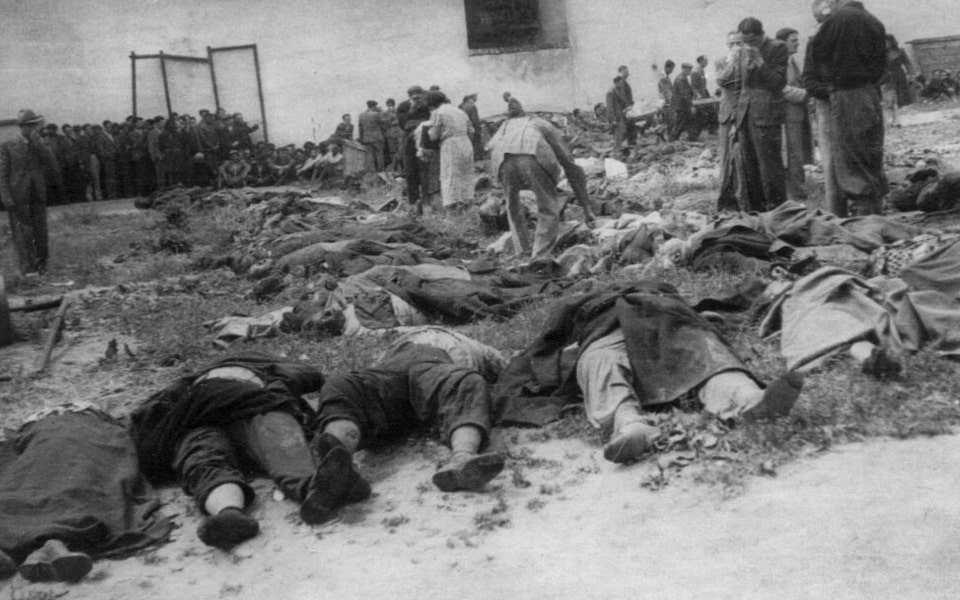
While the Germans themselves murdered people by the thousands, particularly Jews, along with their advance into Ukraine, their correspondents decided to make use of the findings in Bykivnia. The German article called ‘GPU-Morde auch in Kiew’ (GPU killings in Kyiv) was published in issue №456 of the ‘Berliner Boersen-Zeitung’ newspaper under the authorship of Peter Kollmus on September 30, 1941. It included photos of excavations and bodies in Bykivnia, accompanied by some testimonies and reasonable accusations of the Soviet regime in the mass killings of Kyivans. It is interesting to note that, in fact, this material was reprinted in several other German newspapers, even one day before, in ‘Berliner Börsen-Zeitung’, it was written for: ‘Innsbrucker Nachrichten’ (29.09.1941), Wiener Neueste Nachrichten (29.09.1941), or in the Dutch newspaper ‘Nieuwe Apeldoornsche Courant’ (29.09.1941). It is important to understand that the article appeared on the day of the bloodiest massacre in Babyn Yar on the outskirts of Kyiv, when Germans executed 33 734 Jews in just two days, September 29-30, 1941. Accordingly, the revelations in Bykivnia were made not because of the care of the Ukrainians, but in propaganda considerations against Communism. On October 8, 1941, material about mass burials outside Kyiv was published in the Ukrainian newspaper ‘Ukrainske Slovo’ (Ukrainian word).
The reaction of the Soviet Union toward German accusations was as cynical and predictable as it would be in Katyn in 1943. After the War, the Soviet authorities denied the idea that bodies in Bykivnia were the victims of political repressions and blamed the Germans for this crime and the burials. In public opinion’s view, they decided to take the path of least resistance and declared graves in Bykivnia, burials of the German concentration camp in Darnytsia (Stalag 339) on the other side of the forest, 5 kilometers to the North. In fact, the Soviets were not interested in further investigating this issue. They arrested the village elder, who had previously tried to erect a memorial on the site, as well as several witnesses who had testified to German correspondents about the NKVD killings in the area. They were beaten ‘to confess’ that they had made up the stories, and then sentenced to prison. It is worth noting that during the occupation of Kyiv in 1941-1943, the Germans refused to permit the erection of a memorial as well, as they were not interested in the commemoration of the Ukrainians. After liberation, the locals were allowed to use the fence of the previously cordoned special area for rebuilding their homes, and the terrain of excavations was leveled and planted with trees.
BYKIVNIA GRAVES AFTER WW2: Soviet Cover-Up, Rehabilitation and the Road to a Memorial
Neither the death of a bloody communist dictator, Stalin in 1953, nor even the period of Khruschev Thaw in the late 1950s and early 1960s made Soviet authorities speak the truth about mass killings in Kyiv. Even though millions of people were rehabilitated, many retrospectively among those dead, the exact locations of the 1937-1938 burials were intentionally left unknown to the public. The initiative came from below, particularly from the members of ‘The Kyiv Club of Creative Youth’ and its proactive members among the Ukrainian intelligentsia. As early as 1962, they visited Bykivnia and met with still-alive locals who had participated or witnessed the 1941 excavations. The young activists of the Club initiated an unofficial gathering of materials regarding Stalin’s purges in the 1930s, but their activities were carefully spied on, and in 1964, the club was closed and its members bullied by the government. In the late 1960s, people used to come to Bykivnia to pay an unofficial commemoration to the victims of Stalin’s regime, and unknown visitors even placed a temporary wooden cross in the area.
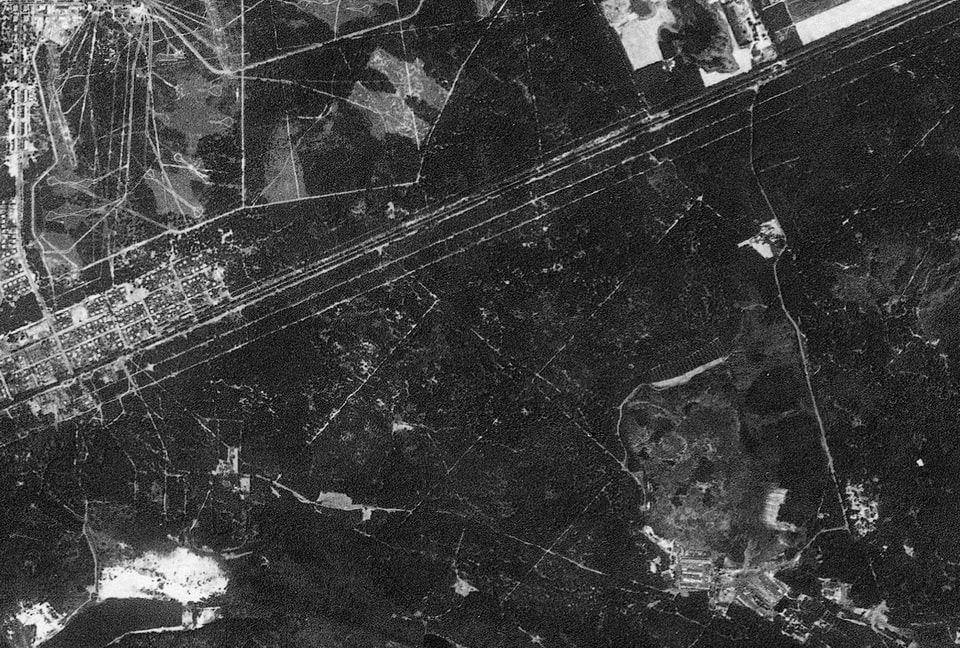
On January 8, 1971, the former leader of the club, Ukrainian director Les Taniuk, sent letters to both Petro Shelest, the First Secretary of the Ukrainian Communist Party since 1963, and to Moscow to the Central Committee with an appeal to investigate burials in Bykivnia as a site of Stalin’s crimes in the 1930s. He never received a reply. Vasyl Symonenko and Alla Horska, who accompanied Taniuk to Bykivna in 1962, were murdered in 1963 and 1970, respectively. Les Taniuk himself was forced to leave Kyiv back in 1965 and managed to come back only in 1986. It is unknown whether Taniuk’s letter answered the purpose, but in April 1971, the KGB, the successor of the organization that had committed crimes in 1937-1941, was put in charge of investigating in Bykivnia. Among possible reasons for a new commission and digging was a necessity to both contradict the claims about the Soviet guilt and to cease the marauders’ raids on the site. Among the scavengers were sixteen teenagers who dug nineteen pits to find gold crowns and Polish coins, excavating hundreds of skulls in their way, who were either left in the area or even taken home or to school.
The so-called ‘Special Government Commission for the Investigation of the Crimes Committed by the Hitlerites in the Region of the Dnieper Forest Area of the City of Kyiv’ got the agenda and directives from the very beginning. The 1971 investigation was set to confirm the false Soviet version that the burials in Bykivnia were the result of the Nazi killings in the Kyiv area in 1941-1943. The Commission was supervised by Ivan Holovchenko (1918-1992), Minister of Internal Affairs of the Ukrainian Soviet Republic, and Vitalii Fedorchuk (1918-2008), the KGB Chief in Ukraine at that time. Petro Shelest, who had ignored Taniuk’s letter in January, also visited the site and made an entry into his diary that they did not know who the victims were or why they were killed. Even in their intimate notes, the Soviet leaders were cowardly unable to speak the truth.
The excavations in Bykivnia, which would have taken months, lasted less than ten days (one source claims four to five, another eight). Being initiated in late April, mentioned in the local press on April 24, the investigators were hurried to complete until the annual celebration of May 9, an invented Communist day of the end of the so-called ‘Great Patriotic War’. The most cynical part of the 1971 commission dealt with the fact that the so-called investigators questioned the former NKVD staff: the hangmen testified that it was all German crimes in Bykivnia despite the evident traces of the pre-WWII nature of most of the burials. More than that, they used excavators to reveal 207 mass burials with the remains of 3805 bodies, including 105 women’s remains, which were later reburied here in the area in a deeper pit, probably to complicate the potential investigations in the future. The revealed personal belongings of the victims were secretly burned. After presenting false conclusions about the nature of the burials, the Soviets brought heavy bulldozers to Bykivnia and leveled the surface with a 2-meter layer of earth, in between crushing human remains and mixing them with the soil. After that, the locals were encouraged to plow the surrounding area and plant trees above the graves. Unfortunately, the area was still a target for grave robbers, who used to come to Bykivnia in the following years and dig pits up to two meters deep in search of coins, watches, and jars with gold teeth.
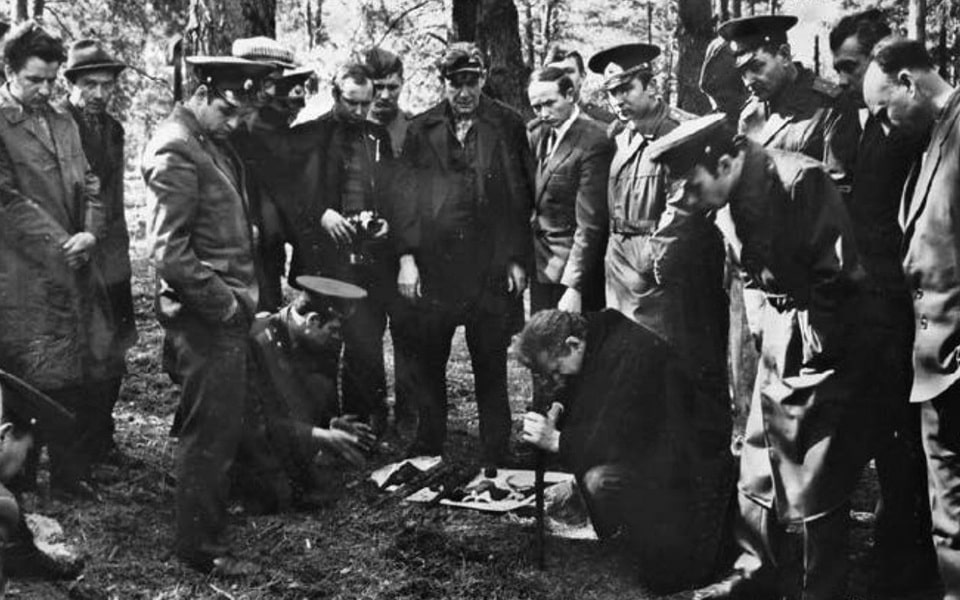
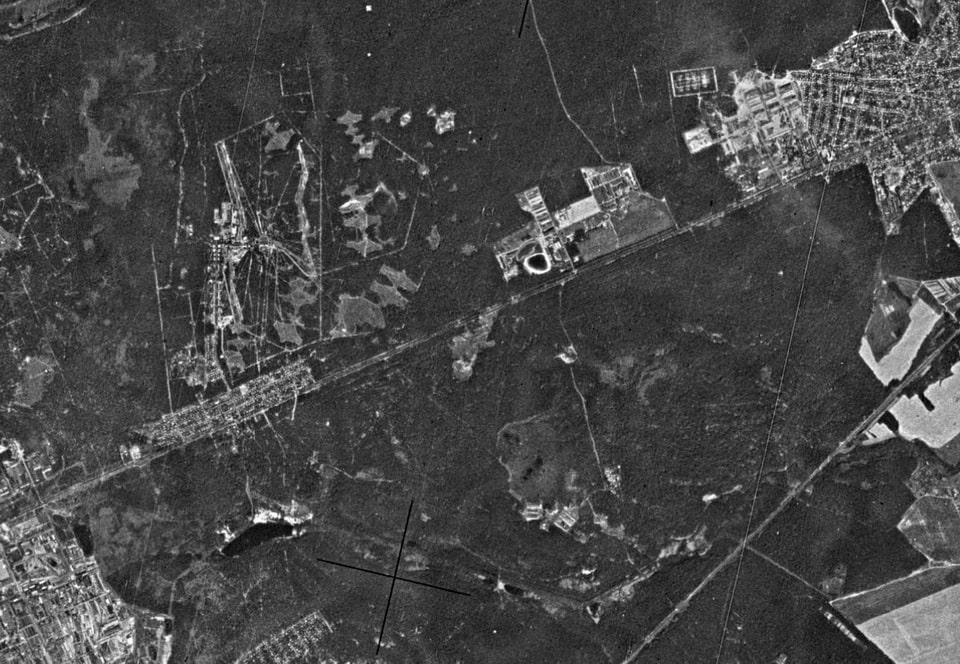
The third (after the formal investigation in 1944 and 1971) but not the last State Commission to investigate burials in Bykivnia was set on December 24, 1987. The nature of this ‘investigation’ was false from the very beginning, as it was officially attributed to ‘researching the remains of Soviet people killed by the German-Fascist invaders in the Darnytsia forest near Kyiv’. The area was cordoned off with the KGB staff with ‘no entry’ signs. This time, the excavations lasted only five days until December 30 in an area of about 260 to 200 meters and 4 hectares in total. Even though the first mass graves revealed pre-WWII belongings, including the metal badges and boots of the executed NKVD officers, and Polish officers’ boots, the Commission dated the burials as 1941-1943. In total, they discovered 68 graves and the remains of 2518 people, which were later reburied in 42 wooden containers in a pit five meters deep next to the 1971 reburial grave. The witnesses among the locals were threatened by the KGB with imprisonment if they proceeded with their recollections about the true nature of Bykivnia.
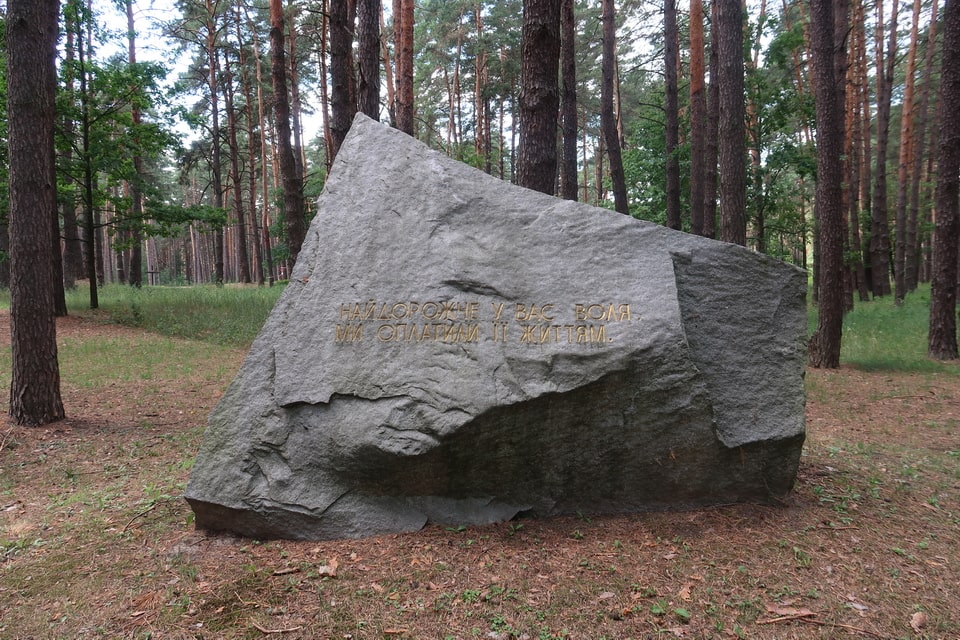
Along with once again proclaiming lies, the only positive effect of the 1987 Commission was the aftermath, particularly an order from the Kyiv city authorities to create a design for the memorial. The inauguration took place as early as May 6, 1988, in the presence of several Kyiv Communist officials with no audience, as the event had intentionally not been announced to the wider public nor even to the local population. It was a granite stone with an inscription that commemorated 6 329 Soviet people (the total number of two reburials in 1971 and 1987) ‘tortured to death by the Fascist occupants in 1941-1943’: a new lie monumentalized in stone. A small reference was made in the Kyiv newspaper the day after. Despite the official position, a new generation of Ukrainian intelligentsia, particularly the members of the ‘Memorial Society’, confronted the state with new publications regarding the crimes of Stalin’s regime. An unofficial commemoration was held in Bykivnia as early as July 15, 1988, and was meticulously surveilled by the KGB. Ukrainian activists were concerned about any further urban development in the area, particularly the building of a train station near Bykivnia on the graves.
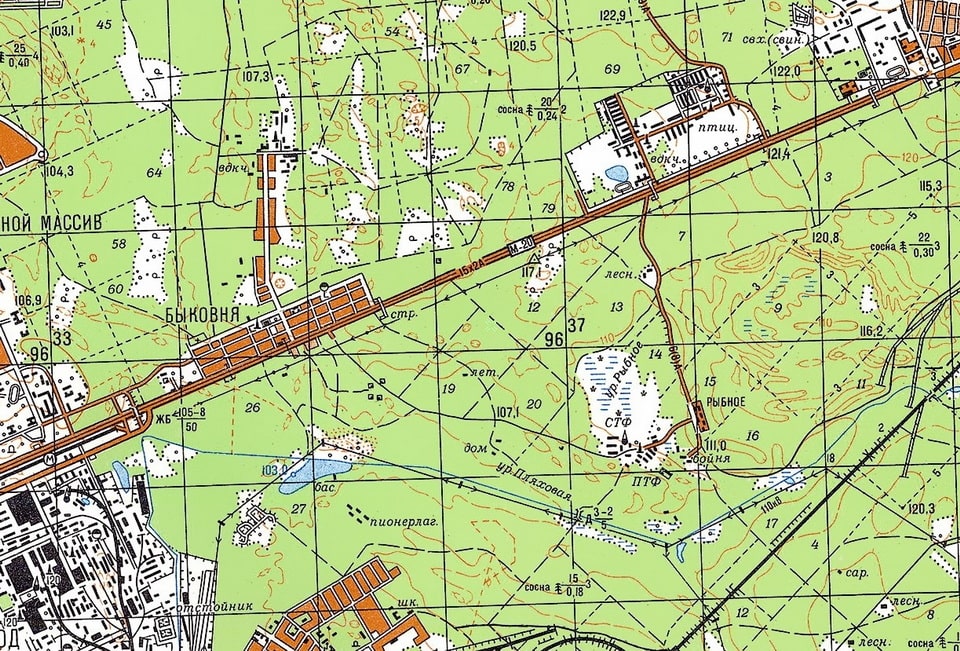
Information about the nature of the site was surprisingly published without censorship in several national newspapers and was reflected in the foreign press in late 1988. Finally, the public pressure came in terms of the period of ‘Glasnost’ (Transparency) in the USSR under the Secretary of Mikhail Gorbachev, and on December 5, 1988, the state opened the ‘Criminal Case № 50-0092’ to investigate the killings of people in Kyiv and burying them in Bykivnia. In parallel with this, the activists in Kyiv demanded the opening of the KGB archives, a transparent investigation, and a deserving commemoration of the victims of Stalin’s terror. Three days later, on December 8, a new Commission was set up to make additional studies. Finally, more than two hundred witnesses testified to the truth that they had been suppressed from voicing for five decades. This time, much more thorough excavations on the site lasted until May, and as early as March 21, 1989, the first preliminary conclusions finally admitted that the graves in Bykivnia were the last resting place for the victims of Stalin’s regime in 1937-1941. The digging out of personal belongings and documents allowed them to identify some victims by name, and the remains of 6783 bodies were reburied. Unfortunately, the criminal case was closed due to the period and the death of potential executioners, and a lack of primary documents. Evidently, the understanding of the impossibility of charging former communist functionaries with charges made it possible for the government to admit Soviet crimes in Kyiv and Bykivnia.
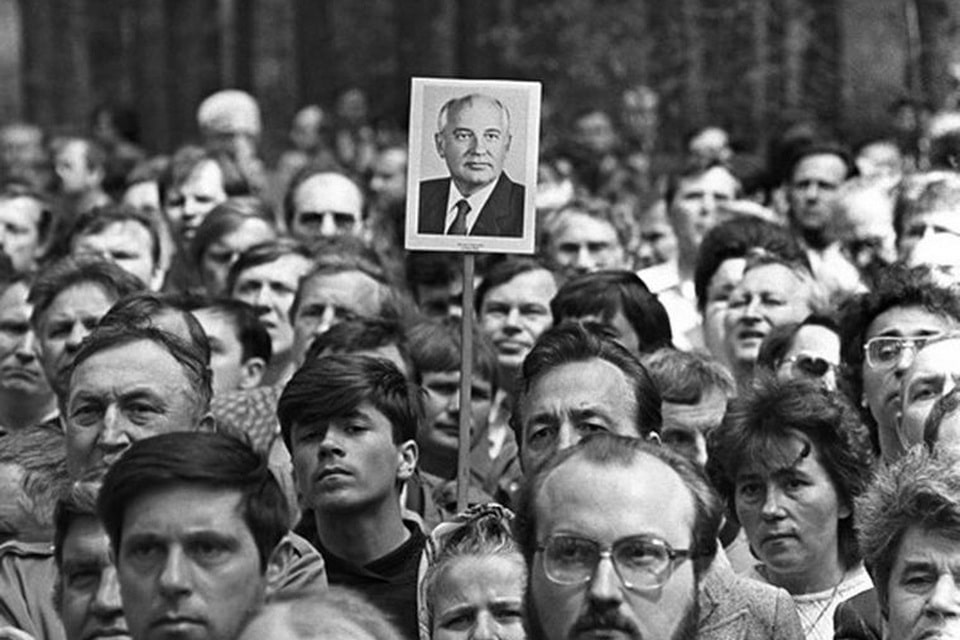
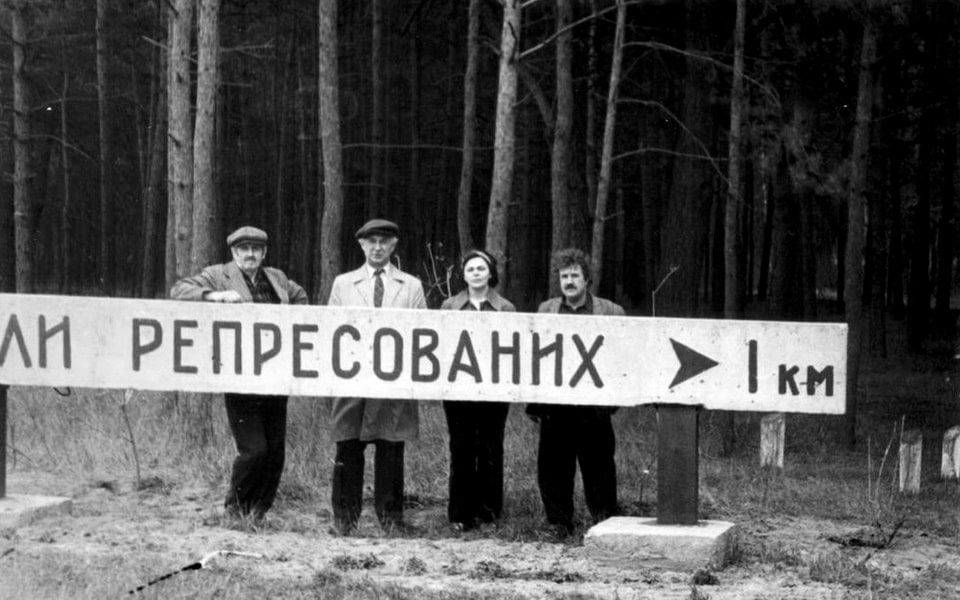
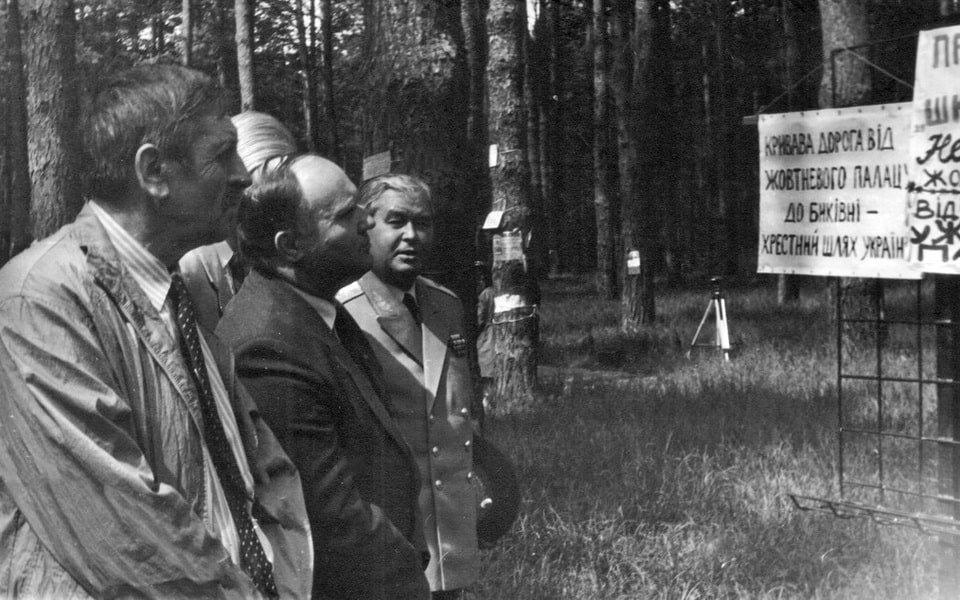
With at least a part of the truth revealed publicly, the activists organized a new commemoration march to Bykivnia as early as July 15, 1989. The deceitful Soviet inscription on the stone was erased, leaving only ‘Eternal Memory’. In less than a year, construction workers from Brovary erected a 1500 kg sign with the direction: ‘To the Graves of repressed: 1 km’. In May 1990, the above-mentioned ‘Memorial Society’ brought a large wooden cross, another memorial slab, and a section of replica barbed wire fence to the site. Later on, the direction sign was replaced with a bigger one, 6 tonnes in weight. In 1991, just a few months before Ukraine’s Independence proclaimed and the collapse of the notorious Soviet Union, the government in Ukraine finally rehabilitated the victims of political repressions: in ten years, toward 2001, 248,910 people were rehabilitated in Ukraine, with another 117 243 cases rejected. On April 30, 1994, after years of struggle with the former Communist-era officials, the memorial complex was finally inaugurated. In 1995, the site saw the creation of crosses and a new entrance with a statue, and in 2006, the Ukrainian government turned the pioneering complex into ‘National Historical and Cultural Reserve Bykivnia graves. With a total space of 239 square ha, it is the largest burial site for the victims of Stalin’s repressions in Ukraine. Toward 2009, the remains of 14 191 victims were identified, later rising to 18 500, and the work continues nowadays. In 2015, Ukraine rehabilitated most of the people whose cases had been rejected earlier. In 2022, during the full-scale war with russia, the Ukrainian government designated 90 hectares of forest near the memorial for the creation of a National Military Cemetery for the victims of aggression.
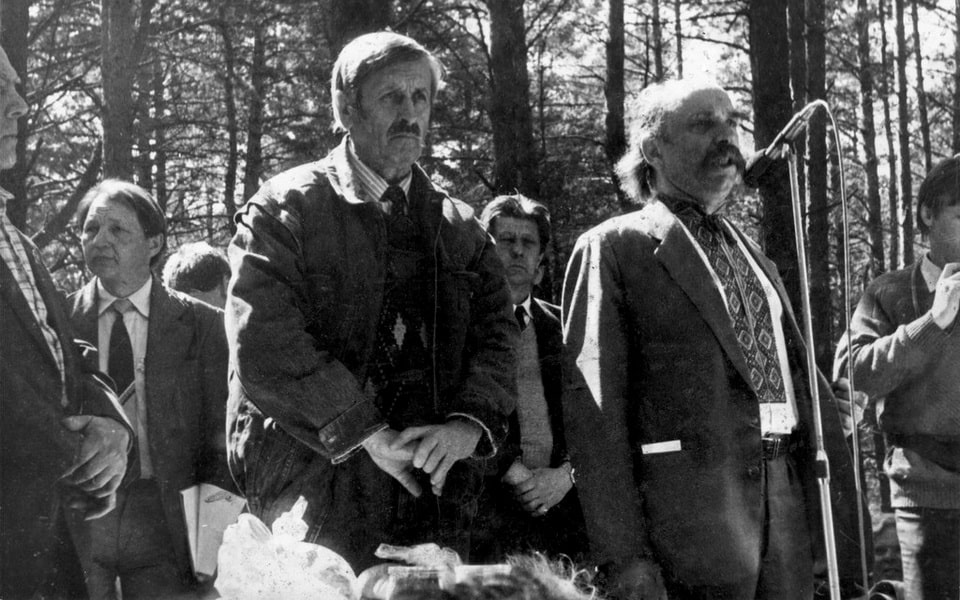
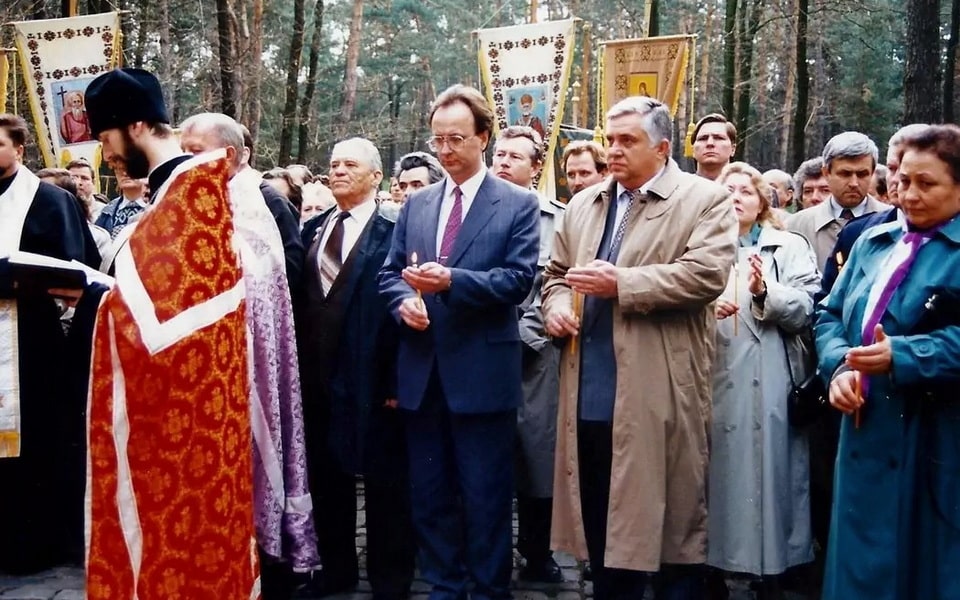
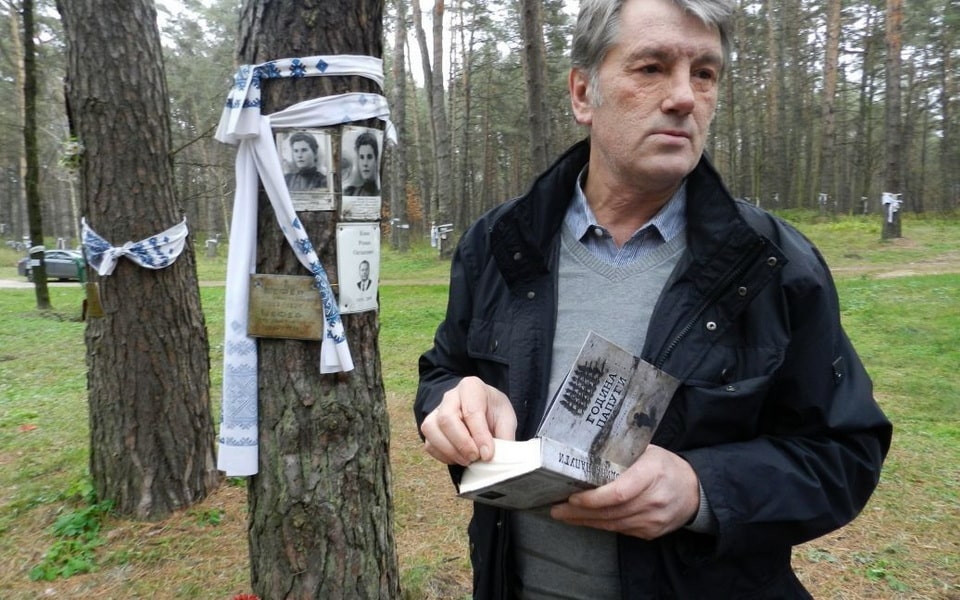
Nowadays, the entrance to the complex is impossible to miss on the road from Kyiv to Brovary. The first thing the visitors see is the bronze statue of a man 3.6 meters high: dressed in boots, and a quilted jacket, with a duffel bag in his lowered and folded hands. It symbolizes the tragedy of the Ukrainian people under the Soviet occupation. Next to it are two large stones, and the right one bears the ‘1937’ inscription. To the right of the entrance are the symbolic metal crosses and a small building of a museum and administration. Next to it is another large granite stone with an inscription in Ukrainian: «Тут у 19 кварталі Биківнянського лісу поховані жертви політичних репресій» (Here in the 19th quarter of the Bykivnia Forest lie the victims of political repressions). Informational boards give the basic information about the generation of 1937-1941 victims, while an open railway wagon symbolizes those deported during the Great Terror. A trail covered with gravel leads deeper into the forest with several other stone slabs, finally reaching the area of burials of Ukrainians in 1937-1941, which contains photos and names of just a few of 25,000 to 30,000 people once buried there. Once crossing this primary burial site, one could see the Polish Cemetery.
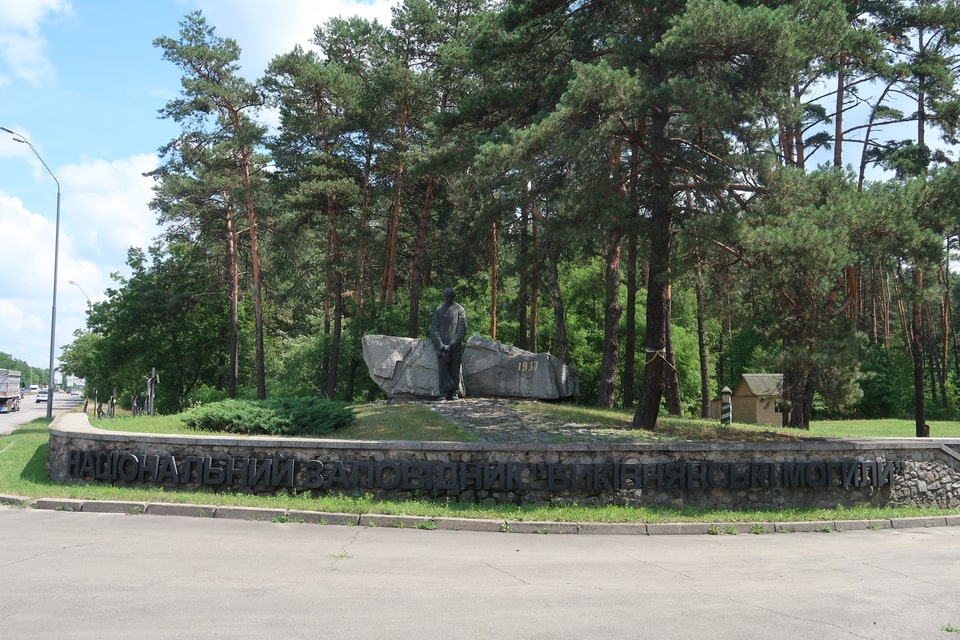
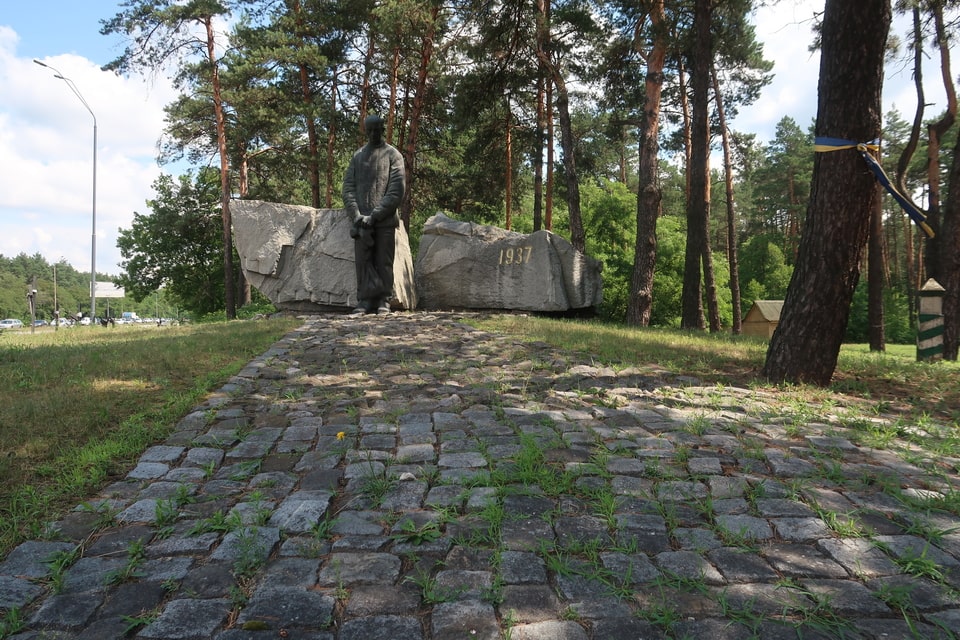
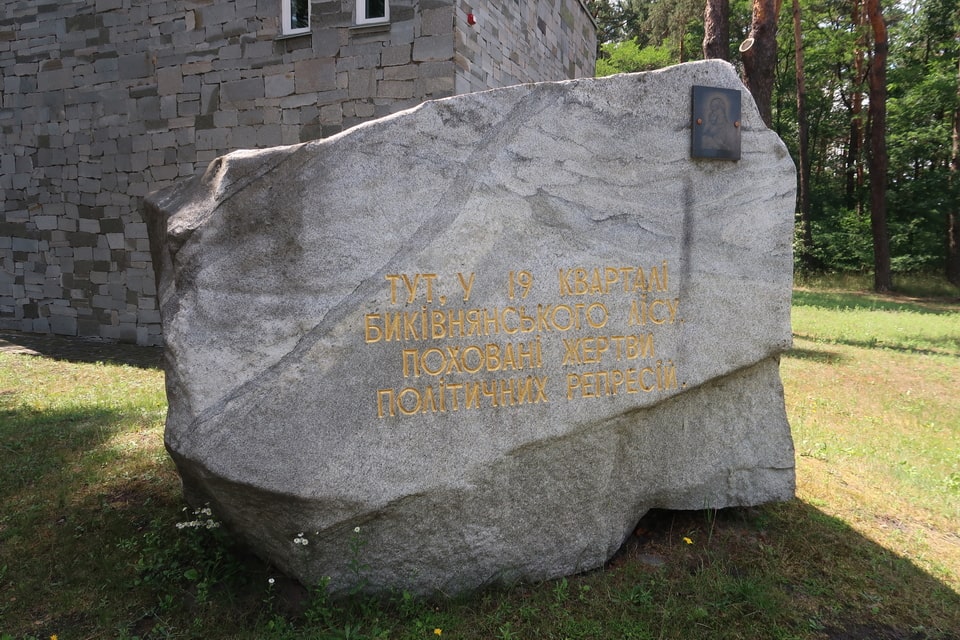
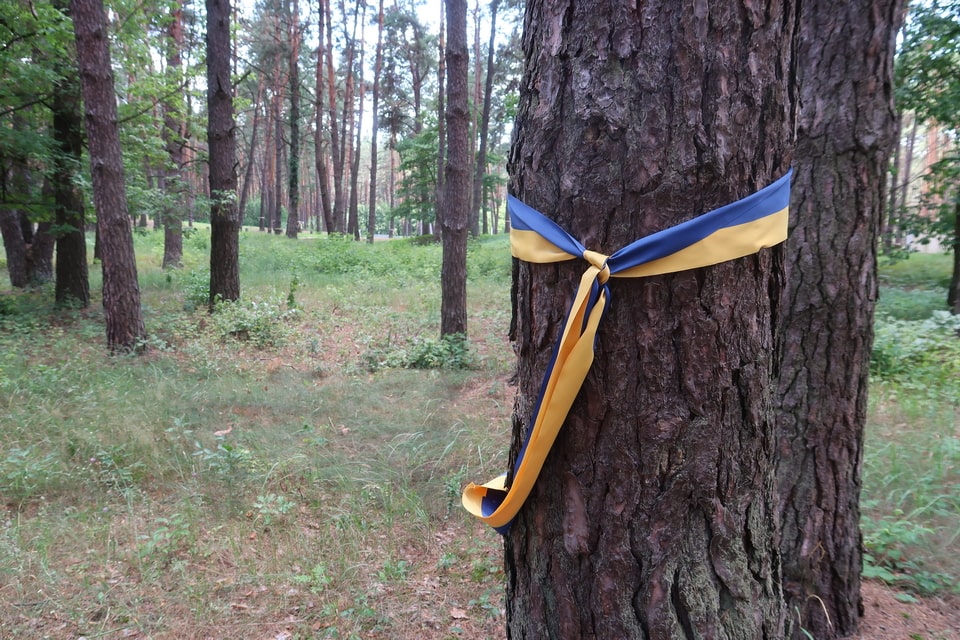
THE POLISH WAR CEMETERY AT BYKIVNIA: Memorial to 3,435 Katyn Victims — Photos Today
While I have described in detail both the ‘anti-Polish’ operations in 1937 and the killing of Polish POWs in early 1940, it is important to specify the history of research, excavation, and cooperation of Polish citizens at the Polish War Cemetery at Bykivnia. As was stated above, for almost six decades, the Soviet regime refused to admit its guilt for the political repressions in 1937-1941, and, of course, it was out of the question to admit the Polish burials. Among 3405 people of Polish nationality killed in Ukraine in the Spring of 1940 after being brought from the prisons in Western Ukraine, it is estimated 2600 to 2700 were executed in Kyiv and buried in Bykivnia, leaving the remaining 600-700 in Kharkiv and Kherson. Ukrainian historians go further and assert that up to 3,500 Polish prisoners could be murdered in Kyiv in 1940-1941 before the start of WWII. The fate of those people, in a similar manner to denying Katyn, was concealed during the Soviet era. During the 1971 excavation in Bykivnia, sacks with revealed Polish insignias, documents, clothes, and boots were secretly burned, and even in 1989, the chief investigator refused to speak with the journalists on this issue.
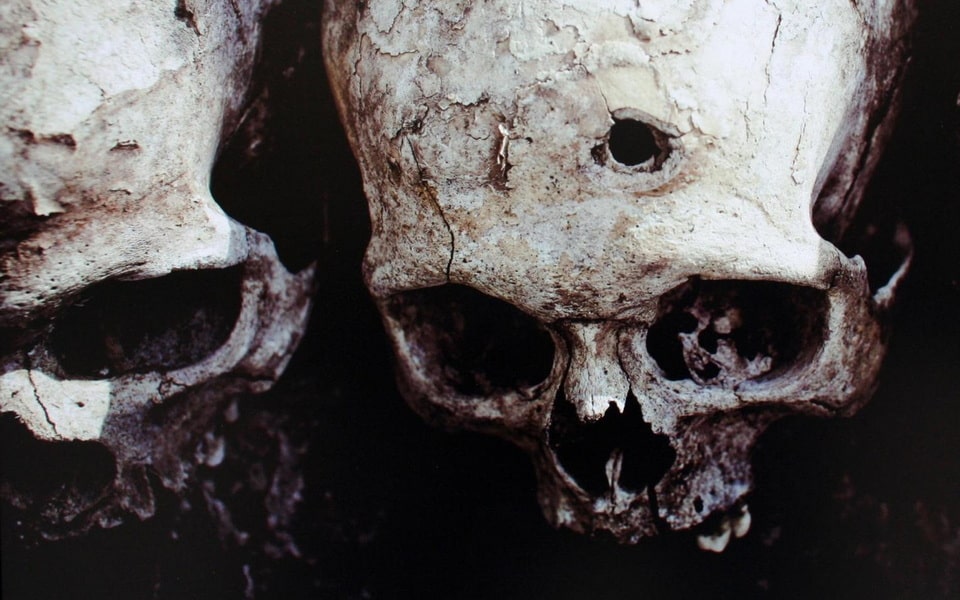
Once again, it was not the cowardly Soviet government but the Ukrainian intelligentsia who voiced the information of Polish burials in Bykivnia to the world and the Polish side. The members of ‘The Memorial Society’ rendered information to the Polish consulate as early as 1989, a year before the first revelations about the nature of Katyn. In 1990, Polish Prosecutor Jacek Wilczur, the former member of the ‘Home Army’ during WWII and an expert in war crimes, visited Bykivnia, and in May of the same year, the very first Polish delegation visited the site and ran a religious commemoration in Catholic traditions. In the same 1990, Pope John Paul II was given a capsule with the soil from Bykivnia. Unfortunately, for three years after the Independence of Ukraine in 1991, the Security Service of the country denied the possession of documents about the Polish victims until, finally, in 1994, the Polish side was provided with a list of 3435 POWs murdered in Ukraine in 1940, thus expanding the so-called ‘Katyn list’ of the murdered Polish by the Soviet side. In 1996, the list of Polish belongings found, documented, and destroyed in 1971 was revealed to Polish colleagues. In June 2001, Bykivnia was visited by Pope John Paul II during his tour to Ukraine. The same year, the State Interdepartmental Commission on Commemoration of Victims of War and Political Repression was founded.
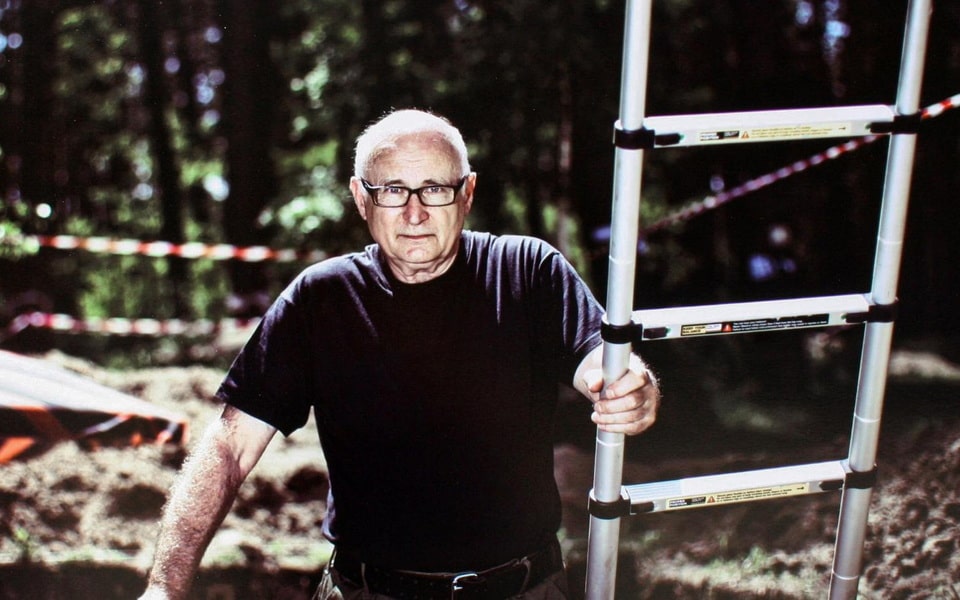
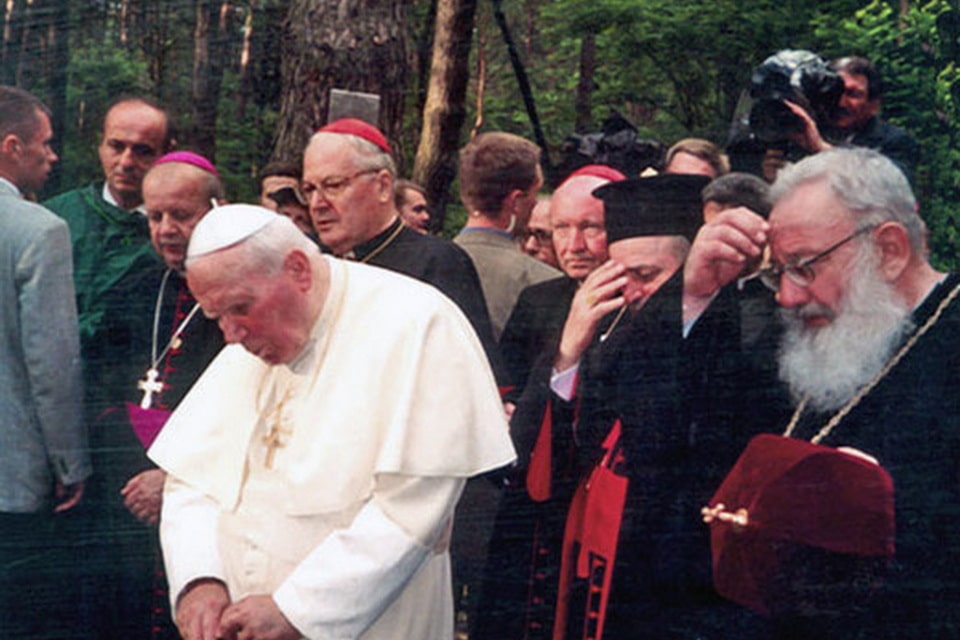
Between 2001 and 2012, five thorough Polish excavation expeditions worked in Bykivnia with full support from the Ukrainian side. In 2001, the investigation team led by Polish archeologist Andrzej Kola identified forty-one mass graves, mainly those targeted by all previous Soviet staged investigations. Apart from human remains in the graves, one pit included more than two hundred boots, raincoats, Polish coins, buttons, and wallets, and was evidently a burial for belongings. The 2006 expedition lasted three months and allowed the allocation of 155 mass graves, among them 21 were Polish, and others related to earlier burials of Ukrainian citizens in 1937-1938. In three months in 2007, forty-five pits were excavated, of which 33 contained Polish victims, and many of them bore traces of previous diggings (1971, 1987, or 1989). The analysis of remains in those thirty-three Polish graves identified 910 men and 16 women. In total, the first three Polish expeditions in 2001, 2006, and 2007 allowed to exhume of 1488 Polish remains. In 2011, another ninety pits were dug out, of which fifteen contained 492 remains of Polish victims and seventy-five of Soviet. Summing up, between October 2001 and July 2012, more than two hundred mass graves were located, at least seventy of which were Polish. These expeditions, along with opening the archives and demographic analysis, ascertained that at least 2600 Poles were buried in Bykivnia. The current events were carefully covered in Polish and Ukrainian mass media.
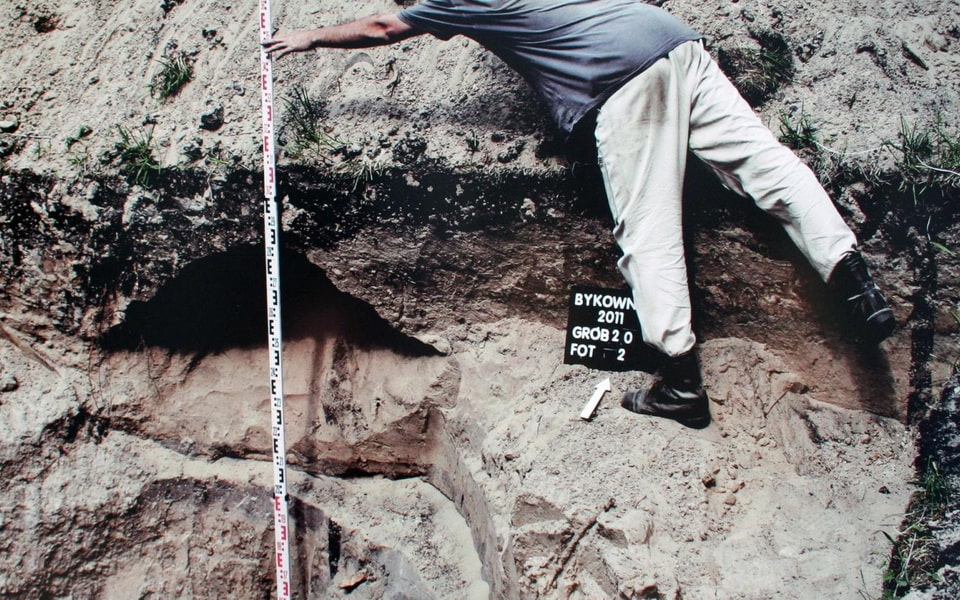
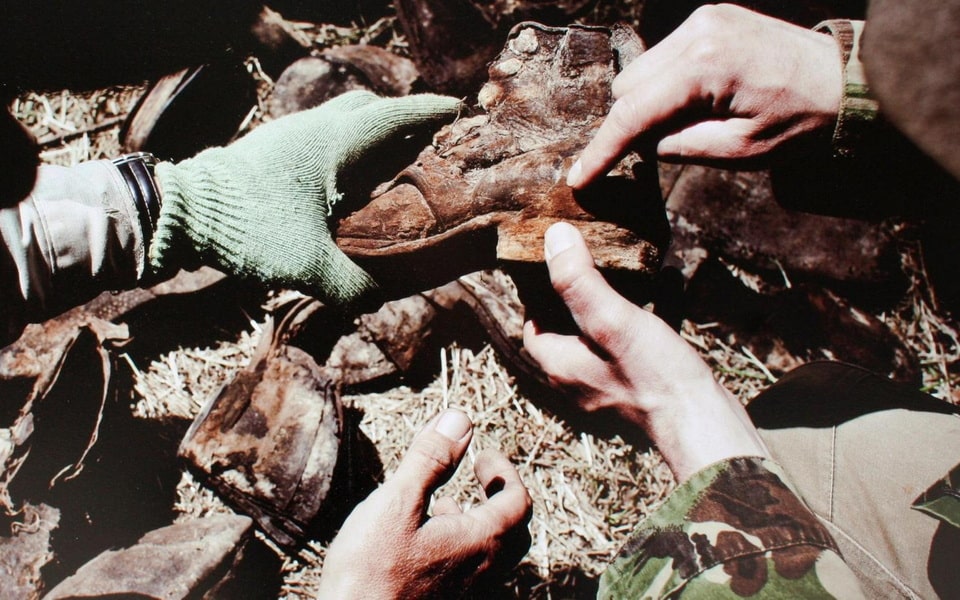
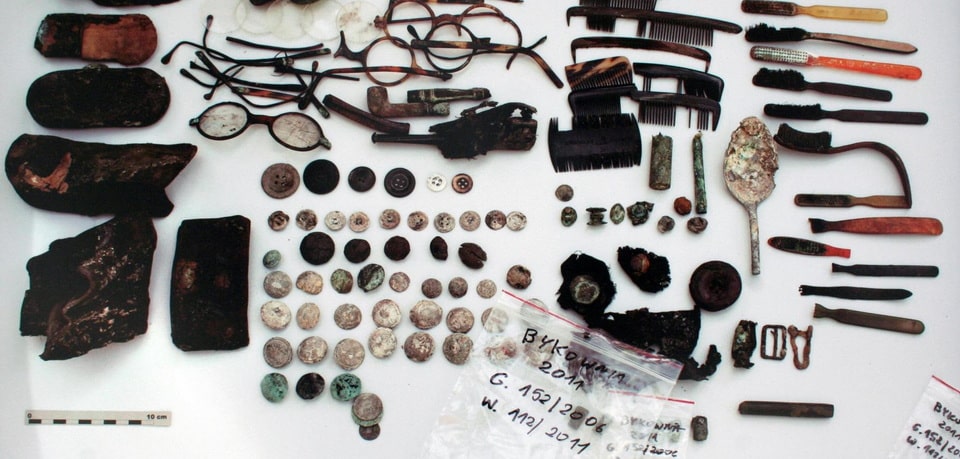
The extensive excavations in Bykivnia, starting in 2001 and resulting in the exhumation of thousands of human remains, raised a question about appropriate commemoration. The creation of a Polish memorial cemetery was announced for the first time as early as 2010, and on November 28, 2011, Polish President Bronisław Komorowski, along with four Ukrainian Presidents from different times, laid a cornerstone. Thus, the section of the Bykivnia forest with the most Polish mass graves became the Polish Military Cemetery, which was finally inaugurated on September 21, 2012, in the presence of Komorowski. Bykivnia thus became the last of the four memorial sites containing the victims of the so-called ‘Katyn operation’ conducted in 1940, and it is generally known in Poland as the ‘Fourth Katyn’, after Katyn itself, Mednoye, and Piatykhatky (near Kharkiv). All three previously gained memorials in 2000. The memorial contains 3435 individual plaques which commemorate the names of the victims of the ‘Ukrainian Katyn List’, those killed by Stalin’s hangmen in 1940.
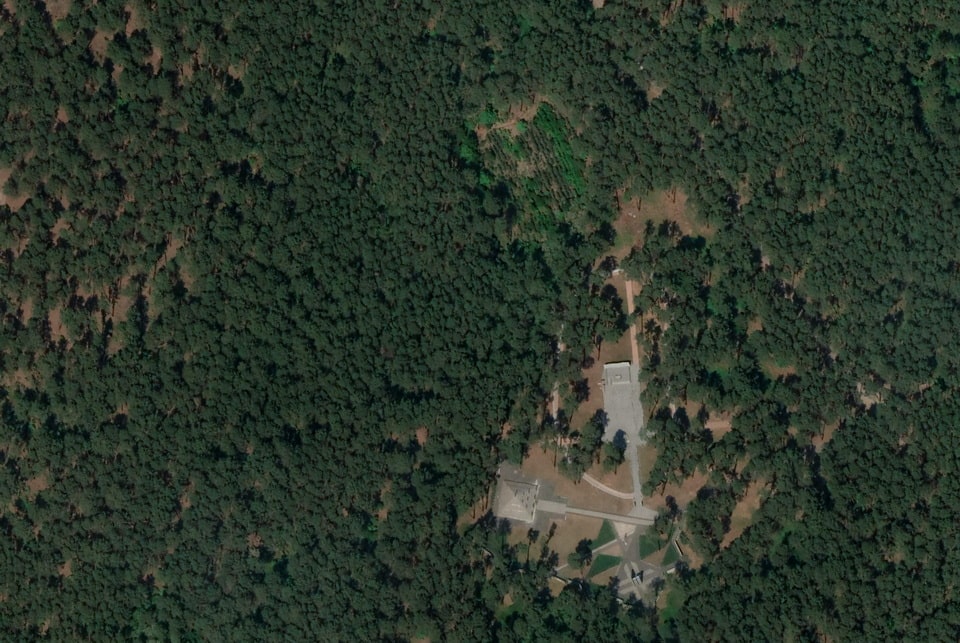
 SLIDE me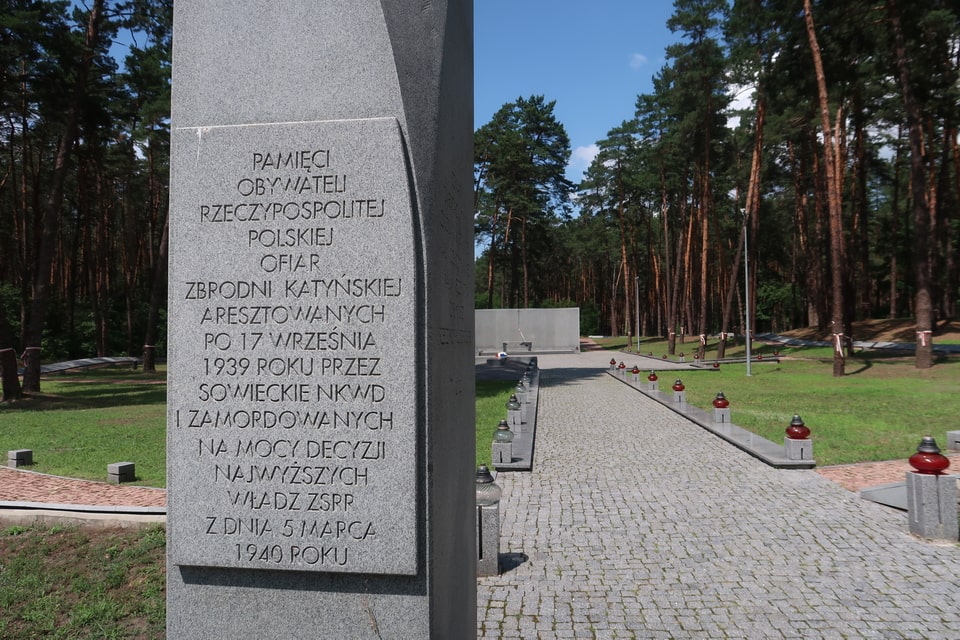
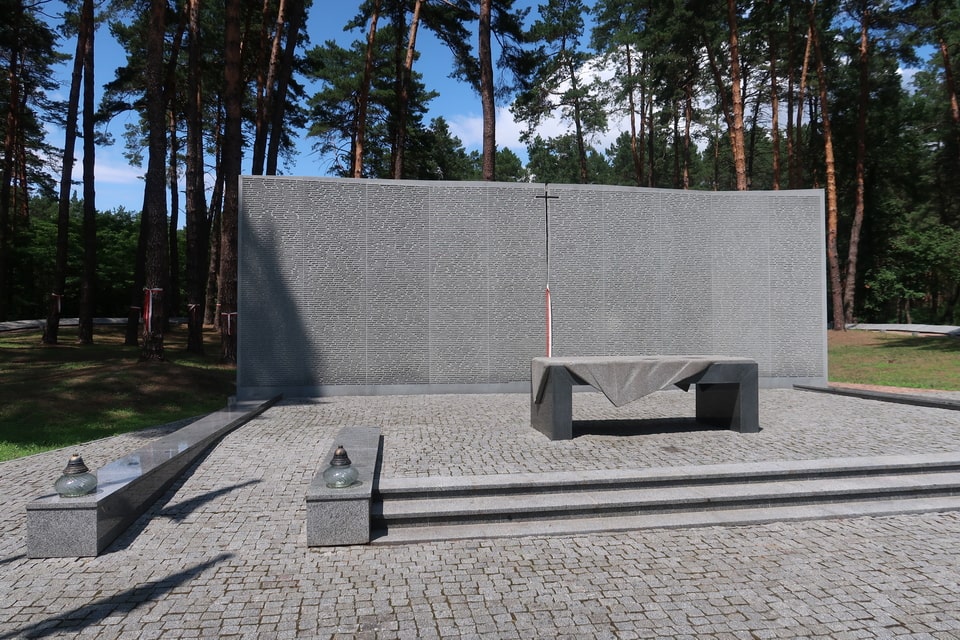
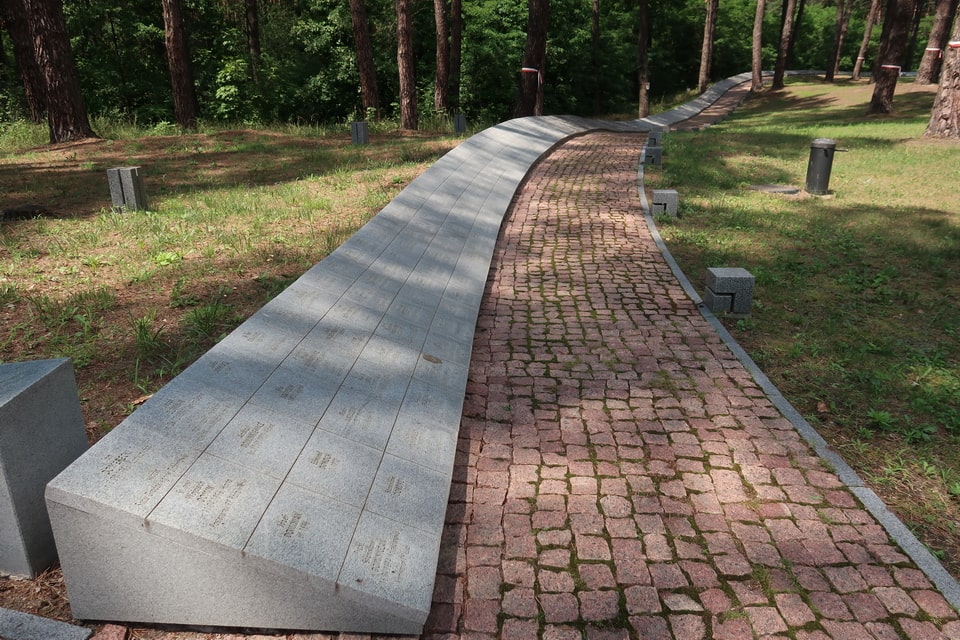
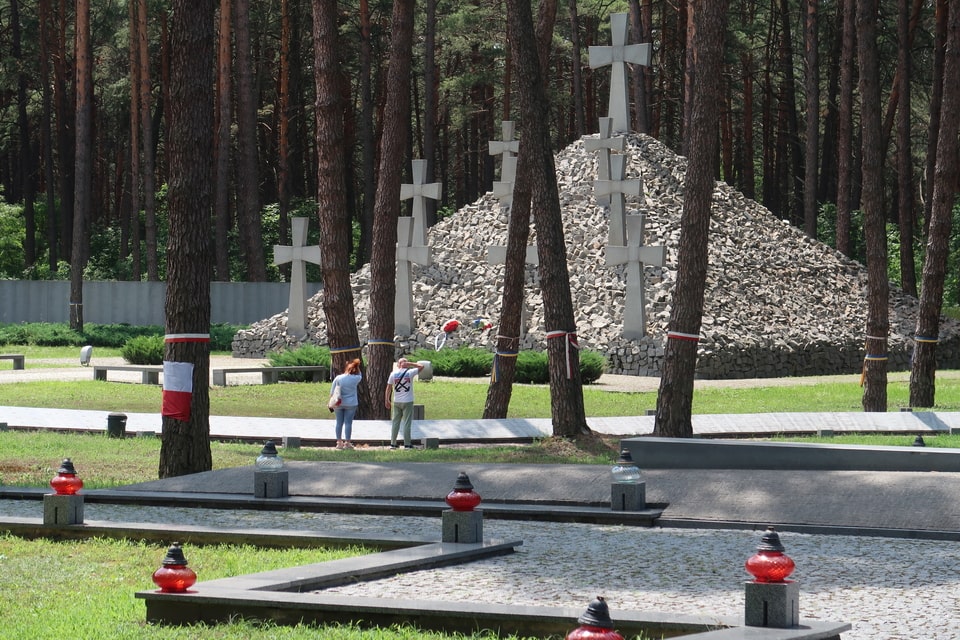
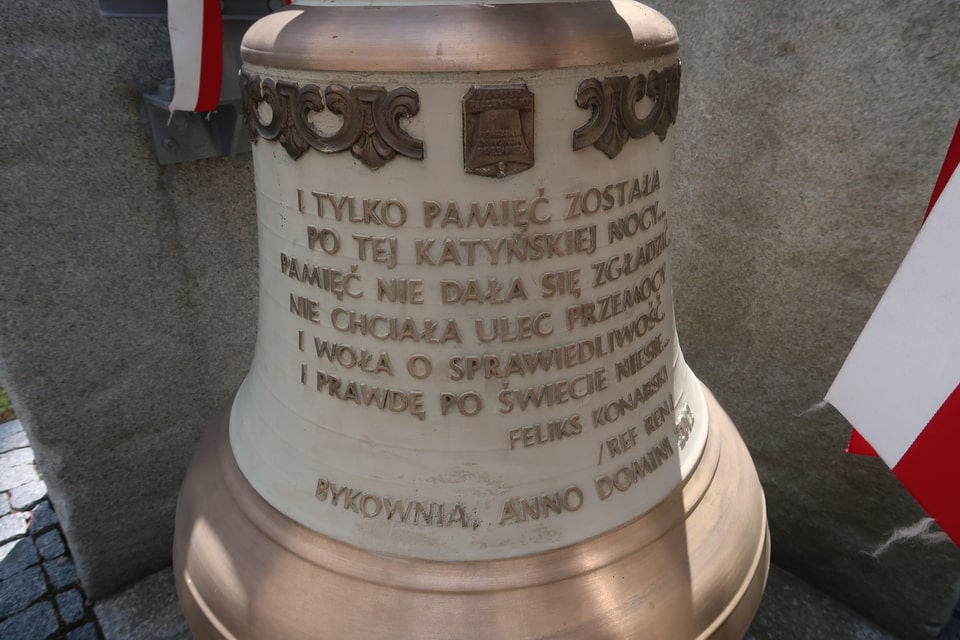
![The Order of Virtuti Militari (Rus. Order of Military Valor [1]) is the most honorary Polish military order, awarded for outstanding military merits.](https://war-documentary.info/wp-content/uploads/2023/09/bykivnia-graves-kyiv-44.jpg)
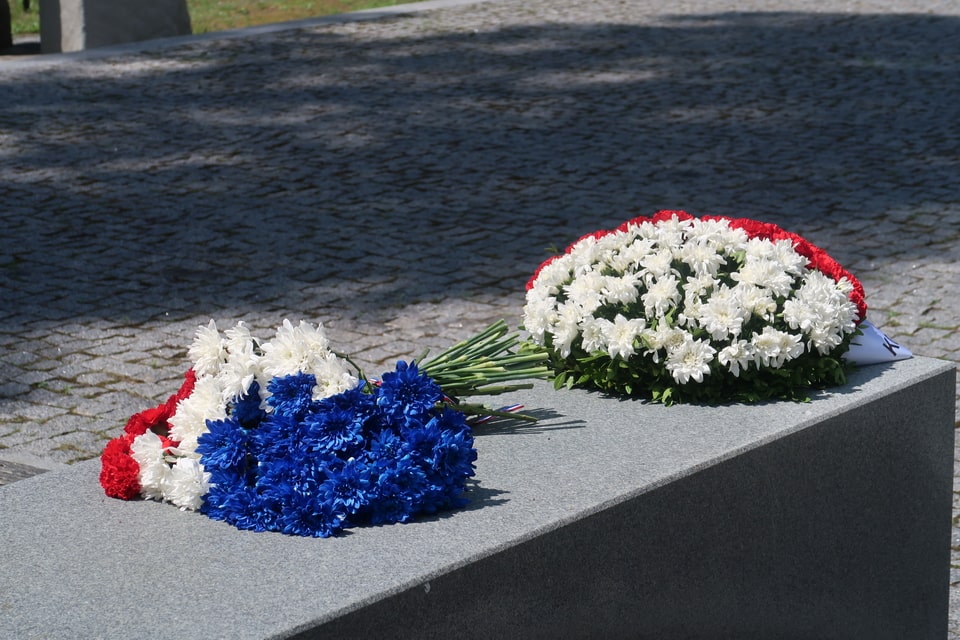
Each year on the third Sunday of May — the Ukrainian Day of Remembrance for Victims of Political Repressions — a commemorative ceremony takes place at the Bykivnia Graves National Historic-Memorial Reserve. In recent years, the ceremony has drawn representatives of Poland, diplomatic missions, and Ukrainian civic organisations, maintaining the site’s role as an active place of collective memory even during the ongoing war.
VISITING BYKIVNIA TODAY: Practical Guide for International Visitors
Location: The memorial is located in the Bykivnia Forest, approximately 15 km northeast of central Kyiv, across Brovarskyi Prospect from the village of Bykivnia. The site is within the forest, roughly 0.5 kilometres from the road.
Current status (2026): The site remains open to visitors. Air raid alerts may temporarily affect movement. The memorial grounds, including the Polish War Cemetery, are open-air and accessible during daylight hours: daily in the spring and summer period from 9:00 to 19:00, in the autumn and winter period from 10:00 to 17:00.
Access by public transport: Take the Kyiv Metro Blue Line to Lisova station (end of line). From Lisova, take a taxi or bus routes 714, 781, 782, 326 along Brovarskyi Prospect, passing near the entrance road. Stop on demand.
By car: From central Kyiv, take Brovarskyi Prospect (E40) northeast toward Brovary. The memorial entrance is on the right, approximately 15 km from the city centre. Free parking is available at the site entrance.
I am very grateful to war archives, museums, libraries, private collections, and writers for the historical photos in this article. To the extent that some author or a copyright owner may not want some of the above black-and-white photos to be used for educational purposes here, please contact me for adding credits or deleting the pictures from the article.